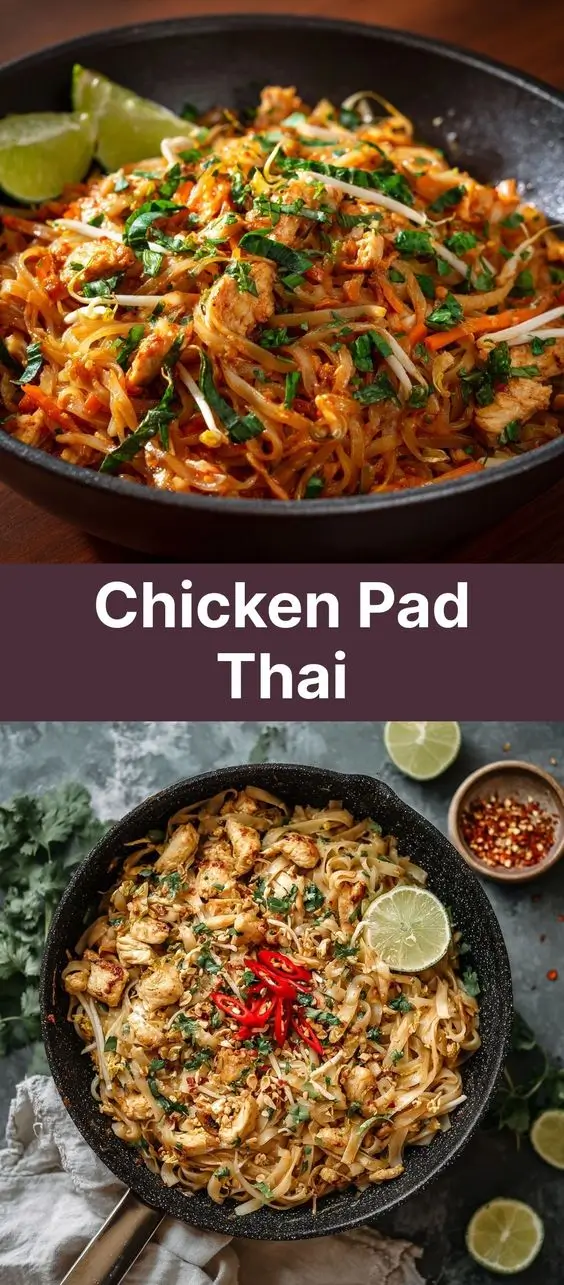
Chicken Pad Thai: The Ultimate Guide to Thailand’s Most Famous Noodle Dish
The History of Chicken Pad Thai
Chicken Pad Thai, known in Thai as “Pad Thai Gai,” is one of the most iconic dishes representing Thai cuisine on the global stage. While noodles are not traditionally native to Thailand, the dish emerged in the 1930s and 1940s during a period of nationalistic policy under Prime Minister Plaek Phibunsongkhram. At that time, Thailand (then Siam) was promoting a unified national identity, and part of this effort included encouraging the consumption of rice noodles as a way to reduce rice consumption and support local agriculture.
The government actively promoted Pad Thai as a national dish through mass campaigns, distributing recipes and supporting street vendors who prepared it. The dish itself was influenced by Chinese culinary traditions—particularly stir-fried noodle techniques—but adapted using local Thai ingredients such as tamarind paste, fish sauce, palm sugar, and chili. Over time, chicken became a popular protein option, making Chicken Pad Thai a household staple and a favorite among locals and tourists alike.
Today, Pad Thai is synonymous with Thai food around the world. It can be found everywhere from bustling Bangkok street markets to upscale restaurants in New York City. Its perfect balance of sweet, sour, salty, and umami flavors, combined with its vibrant textures, has cemented its place as a beloved comfort food across cultures.
Ingredients Breakdown: What Makes Chicken Pad Thai So Flavorful?
The magic of Chicken Pad Thai lies in its complex layering of ingredients, each contributing a distinct flavor or texture. Here’s a detailed look at the key components:
- Rice Noodles (Sen Lek): Flat, thin rice noodles are essential. They’re gluten-free and have a delicate chew that absorbs the sauce beautifully.
- Chicken (Gai): Boneless, skinless chicken breast or thigh is typically used. Thighs offer more moisture and flavor, while breasts provide a leaner option.
- Tamarind Paste: This gives Pad Thai its signature tangy-sweet backbone. Authentic versions use real tamarind pulp, though concentrated paste is widely available.
- Fish Sauce (Nam Pla): A pungent, salty liquid made from fermented fish. It adds depth and umami without tasting fishy when cooked.
- Palm Sugar: Adds a rich caramel-like sweetness that balances the acidity of the tamarind. Brown sugar can substitute in a pinch.
- Eggs: Scrambled into the noodles, they add creaminess and protein.
- Garlic and Shallots: Provide aromatic base notes that enhance the overall savoriness.
- Bean Sprouts: Add crunch and freshness. Mung bean sprouts are traditional.
- Green Onions and Garlic Chives: Used both in cooking and as garnish for a mild onion flavor.
- Crushed Peanuts: Toasted and coarsely chopped, they offer nuttiness and textural contrast.
- Lime Wedges: Served on the side for a bright, citrusy finish.
- Chili Flakes or Fresh Chilies: For heat lovers, these add a spicy kick.
- Vegetable Oil: High smoke point oil like peanut or canola is ideal for stir-frying.
Optional additions include firm tofu, dried shrimp, or even prawns for variation. However, in Chicken Pad Thai, the poultry remains the star protein.
Step-by-Step Recipe: How to Make Authentic Chicken Pad Thai at Home
Recreating restaurant-quality Chicken Pad Thai at home is easier than you think—with the right technique and timing. Follow these detailed steps for a delicious, authentic result.
Ingredients (Serves 2–3)
- 200g flat rice noodles (sen lek)
- 250g boneless chicken breast or thigh, thinly sliced
- 2 large eggs
- 2 cloves garlic, minced
- 1 small shallot, finely chopped
- 1 cup fresh mung bean sprouts
- 3 green onions, cut into 1-inch pieces
- 2 tbsp vegetable oil
- ¼ cup roasted unsalted peanuts, crushed
- Lime wedges, for serving
- Fresh chili slices (optional)
Sauce Mixture
- 3 tbsp tamarind concentrate (or 5 tbsp tamarind pulp soaked in warm water, strained)
- 2 tbsp fish sauce
- 1½ tbsp palm sugar (or brown sugar), finely grated or dissolved
- 1 tsp soy sauce (optional, for color and depth)
Directions
- Soak the Rice Noodles: Place rice noodles in a large bowl and cover with warm (not boiling) water. Let them soak for 8–10 minutes until pliable but still slightly firm (al dente). Drain and set aside. Do not over-soak, or they’ll become mushy during cooking.
- Prepare the Sauce: In a small bowl, mix tamarind concentrate, fish sauce, palm sugar, and soy sauce. Stir until sugar dissolves completely. Taste and adjust—should be balanced between sweet, salty, and sour.
- Stir-Fry the Chicken: Heat 1 tbsp oil in a large wok or non-stick skillet over high heat. Add chicken and stir-fry for 3–4 minutes until cooked through. Remove and set aside.
- Cook Aromatics: Add remaining oil to the wok. Toss in garlic and shallot, stir-fry for 30 seconds until fragrant but not browned.
- Add Eggs: Push aromatics to one side, crack eggs into the empty space. Scramble gently, then mix with garlic and shallots.
- Incorporate Noodles: Add drained noodles and cooked chicken to the wok. Pour sauce evenly over everything.
- Stir-Fry Everything Together: Toss constantly using tongs or two spatulas for 2–3 minutes. The noodles should soften fully and absorb the sauce. If too dry, sprinkle 1–2 tbsp water to help steam and loosen.
- Add Vegetables: Fold in half the bean sprouts and green onions. Cook another 30 seconds just to wilt slightly.
- Finish and Plate: Transfer to serving plates. Top with remaining raw bean sprouts, crushed peanuts, additional green onions, and garlic chives if using.
- Serve Immediately: Accompany with lime wedges and chili flakes on the side. Squeeze lime juice over just before eating for brightness.
Pro Tips for the Perfect Chicken Pad Thai
- Use High Heat: A proper stir-fry requires intense heat to achieve “wok hei” (breath of the wok)—that smoky, seared flavor characteristic of great Asian cooking.
- Don’t Overcook the Noodles: They continue to cook after being removed from heat. Aim for slightly underdone when draining.
- Pre-Mix the Sauce: Having your sauce ready ensures even distribution and prevents burning delicate ingredients.
- Keep Ingredients Prepped Ahead (Mise en Place): Stir-frying is fast. Have everything chopped, measured, and within reach.
- Avoid Crowding the Wok: Work in batches if necessary. Overcrowding leads to steaming instead of searing.
- Toast Your Own Peanuts: Lightly toast raw peanuts in a dry pan for deeper flavor before crushing.
- Balance Is Key: Taste your sauce before adding. Adjust tamarind for sourness, sugar for sweetness, or fish sauce for saltiness.
- Use Fresh Tamarind When Possible: While concentrate works well, soaking tamarind pulp in warm water and straining yields a more nuanced, floral tartness.
Variations and Customizations
While traditional Chicken Pad Thai is delicious on its own, there are countless ways to personalize the dish based on dietary needs, preferences, or regional twists.
Protein Variations
- Shrimp Pad Thai: Replace chicken with peeled prawns for a sweeter, brinier profile.
- Tofu Pad Thai: Use firm or pressed tofu for a vegetarian version. Pan-fry first for crispness.
- Duck or Pork: Some regional versions use duck or ground pork for richer flavor.
- Combination: Mix chicken with tofu or shrimp for a hearty blend.
Dietary Modifications
- Gluten-Free: Naturally gluten-free if using pure rice noodles and ensuring fish sauce is GF-certified (some brands contain wheat).
- Low-Sodium: Reduce fish sauce and use low-sodium alternatives; boost flavor with lime and herbs.
- Keto/Low-Carb: Substitute rice noodles with kelp noodles or zucchini ribbons, though texture will differ.
- Vegan: Omit chicken and egg, use tofu, and replace fish sauce with soy sauce or vegan fish sauce alternative.
Flavor Twists
- Spicy Drizzle: Add sriracha mayo or chili oil for extra heat and creaminess.
- Herb Boost: Include cilantro, Thai basil, or mint for added freshness.
- Citrus Zest: Grate a bit of lime or orange zest into the sauce for aromatic lift.
- Nut Substitutes: Swap peanuts with cashews or almonds for different texture and taste.
Regional Inspirations
- Thai-Chinese Style: Add a splash of oyster sauce and Chinese five-spice for deeper umami.
- Americanized Version: Found in many U.S. takeouts—often sweeter, with more peanuts and vegetables like carrots or bell peppers.
- Street Vendor Style: Vendors in Bangkok often serve it with pickled radish, garlic chives, and a wedge of banana flower on top.
Health Considerations and Nutritional Value
Chicken Pad Thai can be a balanced meal when prepared thoughtfully. Here’s a nutritional breakdown per typical serving (approx. 400–500 calories):
| Nutrient | Amount (Approx.) |
|---|---|
| Calories | 450 kcal |
| Protein | 22g |
| Total Fat | 14g |
| Saturated Fat | 2.5g |
| Carbohydrates | 58g |
| Dietary Fiber | 3g |
| Sugars | 10g (naturally occurring and added) |
| Sodium | 800–1200mg (varies widely) |
Health Benefits
- Lean Protein Source: Chicken provides essential amino acids for muscle repair and satiety.
- Low in Saturated Fat: Especially when using chicken breast and moderate oil.
- Rich in Minerals: Fish sauce contains iodine and selenium; peanuts offer magnesium and vitamin E.
- Antioxidant-Rich: Garlic, lime, and fresh herbs contribute antioxidants and anti-inflammatory compounds.
Health Concerns & How to Mitigate Them
- High Sodium: Traditional versions can be sodium-heavy due to fish sauce and soy sauce. Solution: Reduce sauce用量 by 25%, or use reduced-sodium versions.
- Added Sugar: Palm or brown sugar increases calorie count. Use less sugar or substitute with date syrup or monk fruit for lower glycemic impact.
- Oils and Fats: Restaurant versions may use excess oil. At home, stick to 1–2 tablespoons max and use heart-healthy oils like avocado or peanut.
- Portion Size: Pad Thai is energy-dense. Serve with a side salad or steamed veggies to increase volume without calories.
Dietitian Tip:
To make Chicken Pad Thai more nutritionally balanced, increase the ratio of vegetables to noodles, add leafy greens like spinach, and choose whole-grain rice noodles if available.
Frequently Asked Questions (FAQ)
1. Can I make Chicken Pad Thai ahead of time?
Yes, but best eaten fresh. You can prep ingredients (chop veggies, slice chicken, mix sauce) up to 24 hours ahead. Cooked Pad Thai reheats well in a wok with a splash of water, though texture softens over time.
2. Why is my Pad Thai sticky or clumpy?
This usually happens if noodles were overcooked or not tossed frequently enough. Always drain noodles well and stir constantly during stir-fry. A little oil helps prevent sticking.
3. Can I freeze Chicken Pad Thai?
Not recommended. Rice noodles become mushy upon thawing and reheating. Freeze components separately (e.g., sauce) instead.
4. What can I use instead of tamarind?
Lime juice + brown sugar (2:1 ratio) is a common substitute, though it lacks tamarind’s complexity. Mango powder or apricot jam (sparingly) can also mimic fruity tartness.
5. Is Pad Thai supposed to be sweet?
It should be balanced—sweetness from palm sugar is offset by sour (tamarind), salty (fish sauce), and umami. Overly sweet versions are often Westernized adaptations.
6. Can I use spaghetti instead of rice noodles?
You can in a pinch, but it won’t be authentic. Whole wheat or rice-based pastas work better, though texture and flavor differ significantly.
7. How do I keep the eggs fluffy?
Cook them quickly over high heat and scramble gently. Don’t over-stir once mixed with other ingredients.
8. Are bean sprouts necessary?
They add crucial crunch and freshness. If unavailable, julienned cucumber or shredded cabbage can substitute, though not traditional.
9. Can I make it without fish sauce?
Yes, but you’ll lose authenticity. Try soy sauce + splash of Worcestershire, or commercial vegan fish sauce. Coconut aminos offer a milder, sweeter alternative.
10. What makes Pad Thai “authentic”?
True Pad Thai uses rice noodles, tamarind-based sauce, fish sauce, palm sugar, fresh garlic, shallots, eggs, tofu, dried shrimp (optional), peanuts, lime, and bean sprouts. Minimal vegetables beyond green onions and sprouts. Protein varies (chicken, shrimp, tofu).
Summary
Chicken Pad Thai is a harmonious blend of sweet, sour, salty, and umami flavors, featuring tender chicken, chewy rice noodles, and fresh garnishes—all wok-tossed to perfection. A globally cherished dish rooted in Thai history, it’s both comforting and vibrant, easily customizable yet deeply satisfying in its classic form.