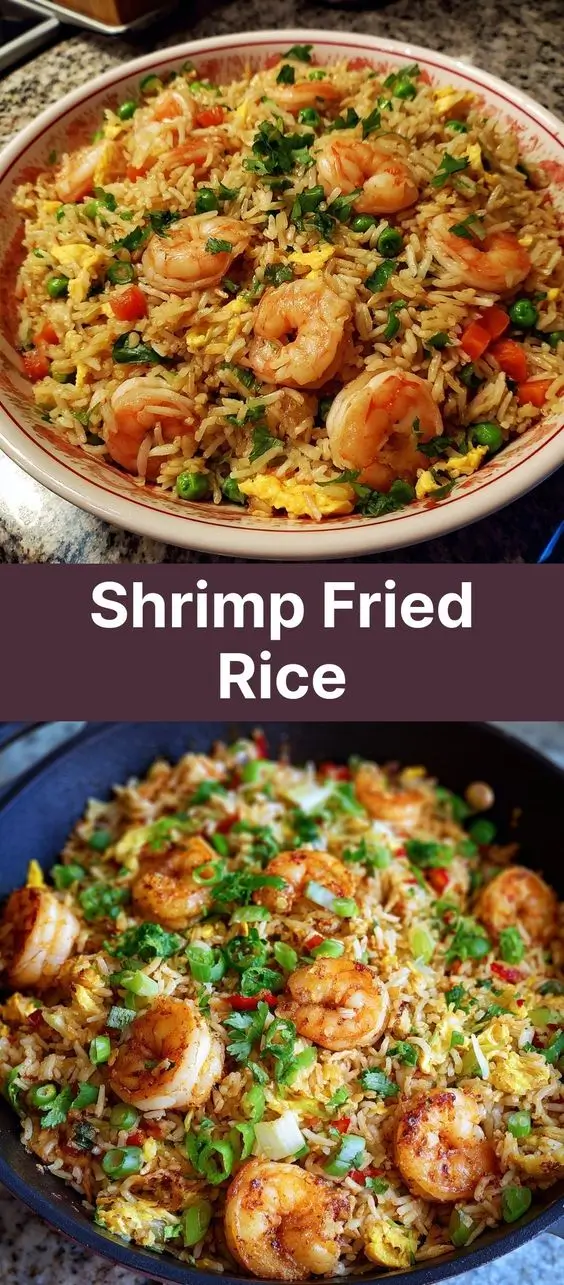
Shrimp Fried Rice: A Flavorful and Satisfying Classic Dish
The History of Shrimp Fried Rice
Shrimp fried rice is a beloved dish that traces its roots back to the rich culinary traditions of Chinese cuisine, where fried rice has been a staple for centuries. Originating during the Sui Dynasty (589–618 AD), fried rice was born out of practicality—using leftover rice and ingredients to create a delicious, economical meal. Over time, regional variations emerged across China, each incorporating local flavors and available proteins.
As Chinese immigrants traveled around the world, they brought their culinary techniques with them, adapting recipes to suit new palates and ingredient availability. In countries like Thailand, Malaysia, and the United States, shrimp fried rice evolved into a fusion dish that blends traditional wok cooking methods with fresh seafood and diverse seasonings. The use of shrimp in fried rice became especially popular in coastal regions and among seafood lovers due to its sweet, delicate flavor and tender texture.
In American-Chinese cuisine, shrimp fried rice gained prominence in mid-20th century restaurants as part of the broader menu expansion beyond basic chop suey and chow mein dishes. It soon became a favorite takeout option, appreciated for its balance of protein, vegetables, and savory rice. Today, it’s commonly found on menus worldwide, from street food stalls in Bangkok to upscale Asian fusion bistros in New York City.
The enduring popularity of shrimp fried rice lies not only in its taste but also in its versatility. Chefs and home cooks alike can personalize the dish with different sauces, vegetables, spices, and types of shrimp—from small bay shrimp to large Gulf prawns. Its global journey reflects the adaptability of Chinese cooking and the universal appeal of a well-seasoned, satisfying bowl of fried rice.
Ingredients Breakdown
Creating authentic and flavorful shrimp fried rice starts with understanding each ingredient’s role in building layers of taste, aroma, and texture. Here’s an in-depth look at every component:
- Day-old cooked rice: Preferably jasmine or long-grain white rice, cooled and refrigerated overnight. Cold rice has less moisture, preventing mushiness when stir-fried. Freshly cooked rice tends to be too sticky and results in clumpy fried rice.
- Shrimp (peeled and deveined): Medium to large-sized shrimp work best. They cook quickly and add a sweet, briny note. You can use raw or pre-cooked shrimp, though raw allows better flavor absorption during cooking.
- Vegetable oil or peanut oil: High smoke point oils are ideal for high-heat stir-frying. Sesame oil is often added later for finishing aroma.
- Eggs: Scrambled into the rice, eggs add richness, protein, and a creamy contrast to the grains.
- Garlic: Minced fresh garlic provides a pungent base layer of flavor essential to Asian stir-fries.
- Ginger: Freshly grated ginger adds warmth and slight spiciness, complementing the shrimp beautifully.
- Green onions (scallions): Used both during cooking and as garnish, they contribute freshness and mild onion flavor.
- Frozen peas and carrots: Convenient, colorful, and slightly sweet, these vegetables add crunch and nutrition without requiring extensive prep.
- Soy sauce: The backbone of umami flavor. Light soy sauce is preferred for seasoning without excessive saltiness; dark soy sauce may be used sparingly for color.
- Oyster sauce: Adds depth, sweetness, and a glossy sheen. Vegetarian alternatives exist using mushroom-based versions.
- Sesame oil: A few drops drizzled at the end enhances fragrance and gives a nutty finish.
- White pepper: Offers subtle heat without overpowering other ingredients—preferred over black pepper in many Chinese kitchens.
- Optional additions: Bean sprouts, bell peppers, corn, water chestnuts, bamboo shoots, or even diced pineapple for a tropical twist.
Step-by-Step Recipe
- Prepare Ingredients: Dice garlic and ginger finely. Slice green onions into whites and greens. Thaw frozen peas and carrots if needed. Beat eggs in a small bowl and set aside. Ensure shrimp are peeled, deveined, and patted dry.
- Preheat Wok or Skillet: Place a large wok or non-stick skillet over high heat. Add 1 tablespoon of vegetable or peanut oil and swirl to coat the surface evenly.
- Cook the Eggs: Pour beaten eggs into the hot pan. Stir gently until softly scrambled. Remove immediately and place on a plate to prevent overcooking.
- Sear the Shrimp: Add another teaspoon of oil. Toss in shrimp in a single layer and cook for about 1–2 minutes per side until pink and opaque. Sprinkle with a pinch of salt and white pepper. Transfer to the egg plate.
- Aromatics Base: Add remaining oil (about 1 tbsp). Sauté minced garlic and grated ginger for 15–20 seconds until fragrant—do not burn. Add chopped white parts of green onions and stir briefly.
- Add Vegetables: Stir in peas, carrots, and any additional vegetables. Cook for 2–3 minutes until heated through and slightly crisp-tender.
- Incorporate Rice: Break up cold rice with your fingers before adding it to the wok. Spread it out and let it sit for 30 seconds to develop a light sear (“wok hei” effect), then begin stirring and folding continuously.
- Season the Rice: Drizzle soy sauce and oyster sauce over the rice. Mix thoroughly, ensuring even distribution. Continue stir-frying for 3–4 minutes until rice is hot throughout and slightly golden in spots.
- Combine Everything: Return scrambled eggs and cooked shrimp to the wok. Gently fold everything together without breaking up the shrimp too much.
- Final Touches: Stir in the green parts of scallions. Turn off heat and finish with a few drops of sesame oil. Toss once more and taste—adjust seasoning if necessary.
- Serve Immediately: Spoon hot shrimp fried rice into bowls. Garnish with extra scallions, a drizzle of soy sauce, or crushed red pepper flakes for heat.
Tips for Perfect Shrimp Fried Rice
- Use Cold Rice: This cannot be overstated—freshly cooked rice releases steam and becomes gummy. Refrigerate rice uncovered for several hours or overnight for optimal texture.
- High Heat is Key: Stir-frying requires intense heat to achieve browning while keeping ingredients separate. A gas stove or outdoor burner works best.
- Don’t Overcrowd the Pan: Cook in batches if doubling the recipe. Overfilling lowers the temperature and leads to steaming instead of frying.
- Prep Everything First (Mise en Place): Once you start cooking, the process moves fast. Have all ingredients chopped, measured, and within reach.
- Pat Dry Ingredients: Moisture is the enemy of crispy fried rice. Dry shrimp, thawed veggies, and rice help prevent sogginess.
- Break Up Rice Clumps Before Cooking: Use your hands or a fork to loosen chilled rice so it fries evenly.
- Layer Flavors Gradually: Don’t dump all sauces at once. Start with half, mix, then adjust. Too much soy sauce can overpower the dish.
- Reserve Some Garnishes: Keep some green onions, sesame seeds, or cilantro aside to sprinkle on top after plating for visual appeal.
- Wok Technique Matters: If possible, toss the rice by jerking the wok upward rather than just stirring. This aerates the rice and promotes even heating.
- Rest Shrimp After Cooking: Avoid overcooking shrimp—they become rubbery. Remove them early and add back at the end just to reheat.
Variations and Customizations
One of the greatest strengths of shrimp fried rice is its flexibility. Depending on dietary preferences, cultural influences, or seasonal ingredients, countless variations can elevate this classic dish:
Regional Twists
- Thai-Style Shrimp Fried Rice: Uses jasmine rice, fish sauce instead of soy, lime juice, and sometimes chili paste. Often includes kaffir lime leaves and Thai basil.
- Hawaiian Pineapple Shrimp Fried Rice: Inspired by Hawaiian fried rice, this version adds diced pineapple, tomatoes, and sometimes teriyaki-glazed shrimp for a sweet-savory profile.
- Singaporean Curry Fried Rice: Infused with curry powder, giving it a yellow hue and aromatic complexity. Often includes onions, bell peppers, and chicken alongside shrimp.
- Korean-Style: Incorporates gochujang (fermented chili paste) and kimchi for a spicy, tangy kick. May include bulgogi-style marinated shrimp.
Dietary Adaptations
- Low-Carb/Keto Version: Replace rice with riced cauliflower. Use coconut aminos instead of soy sauce and increase healthy fats like avocado oil or butter.
- Gluten-Free Option: Substitute tamari or gluten-free soy sauce. Verify that oyster sauce is GF-certified or replace with mushroom stir-fry sauce.
- Vegan/Vegetarian-Friendly: Omit shrimp and eggs. Use tofu, tempeh, or plant-based shrimp substitutes. Boost umami with nutritional yeast or miso paste.
- Paleo Approach: Use compliant sauces, omit legumes, and focus on whole-food ingredients like grass-fed tallow for frying and wild-caught shrimp.
Protein Mix-Ins
You’re not limited to just shrimp! Try combining with:
- Chicken cubes
- Chinese lap cheong sausage
- Crab meat or imitation crab sticks
- Scallops
- Beef strips (thinly sliced)
Flavor Boosters
- Add a splash of dry sherry or mirin for sweetness and depth.
- Stir in a spoonful of hoisin sauce for a richer glaze.
- Top with crispy fried shallots or garlic chips for crunch.
- Serve with a side of sriracha mayo or chili oil for dipping.
Health Considerations and Nutritional Value
When prepared mindfully, shrimp fried rice can be a balanced and nutritious meal. Let’s examine its health aspects:
Nutritional Profile (Approximate per Serving – 1 cup)
| Nutrient | Amount |
|---|---|
| Calories | 320–380 kcal |
| Protein | 18–22 g |
| Total Fat | 8–12 g |
| Saturated Fat | 1.5–2.5 g |
| Carbohydrates | 45–55 g |
| Dietary Fiber | 3–5 g |
| Sodium | 600–900 mg |
| Cholesterol | 130–170 mg |
| Vitamin A | 25% DV |
| Vitamin C | 15% DV |
| Iron | 10% DV |
| Zinc | 14% DV |
Health Benefits
- High-Quality Protein: Shrimp is low in fat and rich in complete protein, supporting muscle repair and satiety.
- Omega-3 Fatty Acids: Shrimp contains beneficial EPA and DHA, which support heart and brain health.
- Antioxidants: Selenium and astaxanthin (a carotenoid in shrimp) offer anti-inflammatory properties.
- B Vitamins: Especially B12 and niacin, important for energy metabolism and nervous system function.
- Fiber-Rich Veggies: Peas, carrots, and onions contribute fiber, aiding digestion and gut health.
Potential Concerns
- Sodium Content: Soy sauce and oyster sauce can make the dish high in sodium. Opt for reduced-sodium versions or limit quantities.
- Cholesterol: While dietary cholesterol is no longer considered as harmful as once thought, those with hyperlipidemia should consume shrimp in moderation.
- Allergies: Shellfish allergy is common. Always label dishes clearly in shared environments.
- Rice Glycemic Index: White rice can spike blood sugar. For diabetics, consider brown rice, forbidden rice, or cauliflower rice alternatives.
- Mercury Levels: Shrimp are generally low on the mercury scale compared to larger fish, making them safe for regular consumption.
How to Make It Healthier
- Use brown rice or quinoa for added fiber and slower-digesting carbs.
- Reduce oil by spraying instead of pouring.
- Increase vegetable ratio—aim for half the dish to be colorful veggies.
- Choose wild-caught shrimp over farmed when possible to avoid antibiotics and pollutants.
- Limit added sugars found in some bottled sauces.
Ingredients
- 3 cups day-old cooked white rice (jasmine or long-grain)
- 12 oz raw shrimp, peeled and deveined
- 3 large eggs, beaten
- 3 tablespoons vegetable or peanut oil (divided)
- 3 cloves garlic, minced
- 1 tablespoon fresh ginger, grated
- 1 cup frozen peas and carrots, thawed
- 4 green onions, sliced (whites and greens separated)
- 3 tablespoons soy sauce (or tamari for gluten-free)
- 1 tablespoon oyster sauce (optional or substitute mushroom sauce)
- 1 teaspoon sesame oil
- ½ teaspoon white pepper
- Salt to taste
Directions
- Heat a large wok or heavy skillet over high heat. Add 1 tablespoon of oil and swirl to coat.
- Pour in beaten eggs and scramble until soft curds form. Remove from wok and set aside.
- Add another teaspoon of oil. Add shrimp in a single layer and cook 1–2 minutes per side until pink and curled. Season lightly with salt and white pepper. Transfer to egg plate.
- Add remaining oil to the wok. Sauté garlic, ginger, and white parts of green onions for 20 seconds until fragrant.
- Stir in peas and carrots. Cook for 2 minutes until warmed through.
- Add cold rice, breaking up clumps with a spatula. Spread rice across the surface and allow to sear for 30 seconds, then stir-fry continuously for 3–4 minutes.
- Drizzle soy sauce and oyster sauce over rice. Mix thoroughly until rice is evenly colored and heated.
- Return eggs and shrimp to the wok. Fold gently to combine without breaking shrimp apart.
- Turn off heat. Stir in green onion tops and sesame oil. Taste and adjust seasoning if needed.
- Serve immediately in warm bowls, garnished with extra scallions or sesame seeds.
FAQ
Can I use frozen shrimp?
Yes, frozen shrimp work perfectly as long as they are fully thawed and patted dry before cooking. Avoid cooking frozen shrimp directly—it can release excess water and affect texture.
Can I make shrimp fried rice ahead of time?
It’s best served fresh, but you can prepare components in advance. Store rice separately, and keep cooked shrimp and veggies chilled. Reheat quickly in a hot wok just before serving.
Why does my fried rice turn out mushy?
Mushiness usually comes from using warm, freshly cooked rice or adding too much sauce. Always use cold, dry rice and measure liquids carefully.
Is shrimp fried rice healthy?
Yes, when made with minimal oil, low-sodium sauces, and plenty of vegetables. It offers lean protein and essential nutrients, though portion control matters due to carbohydrate content.
Can I freeze shrimp fried rice?
While technically possible, freezing affects texture—rice becomes hard or soggy upon reheating. It’s better to eat within 2–3 days of refrigeration.
What kind of rice is best?
Jasmine or medium-grain white rice works best due to its fluffy texture and slight fragrance. Avoid sticky sushi rice unless desired for a specific variation.
Can I use brown rice?
Absolutely! Brown rice adds fiber and a nuttier flavor. Just ensure it’s well-chilled and slightly drier than usual to prevent clumping.
How do I reheat shrimp fried rice?
Reheat in a skillet over medium heat with a splash of water or broth to restore moisture. Microwave works too, but cover with a damp paper towel to prevent drying.
Summary
Shrimp fried rice is a globally cherished dish that combines succulent shrimp, fluffy rice, vibrant vegetables, and savory sauces into one satisfying meal. With roots in Chinese culinary tradition and endless modern adaptations, it remains a go-to choice for home cooks and restaurant diners alike.