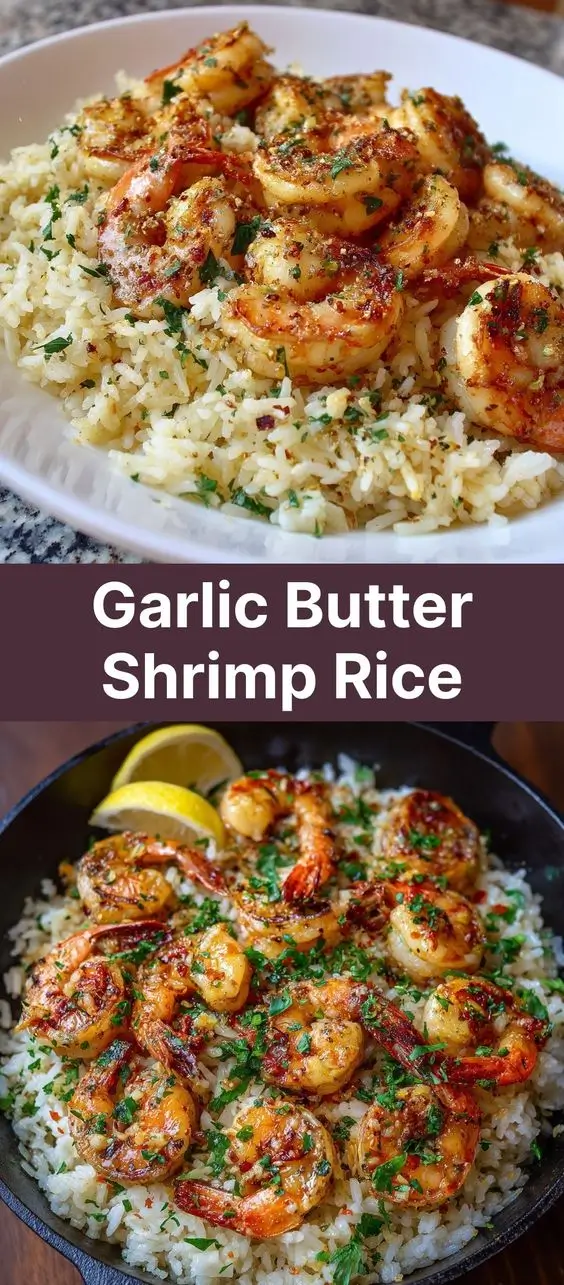
Garlic Butter Shrimp Rice: A Flavorful One-Pan Wonder
The History of Garlic Butter Shrimp Rice
While there is no definitive origin point for Garlic Butter Shrimp Rice as a standalone dish, its roots can be traced to a rich tapestry of culinary traditions across the globe. The combination of shrimp, garlic, and butter is a classic hallmark of French cuisine, particularly in dishes like crevettes à l’ail, where plump shrimp are sautéed in copious amounts of butter and fresh garlic. This technique traveled across continents, influencing coastal cuisines from the Mediterranean to Southeast Asia.
In American Southern cooking, especially along the Gulf Coast, shrimp has long been a staple protein, often prepared with garlic, lemon, and herbs. When paired with rice—whether it’s fluffy jasmine, aromatic basmati, or creamy Arborio—the dish transforms into a hearty meal that balances richness and simplicity. Over time, home cooks began merging these global influences into a single, satisfying one-pan recipe now widely known as Garlic Butter Shrimp Rice.
Today, this dish enjoys immense popularity on social media platforms, food blogs, and dinner tables worldwide. Its rise in fame is due not only to its bold flavors but also to its ease of preparation, making it a go-to choice for busy weeknights, romantic dinners, or even elegant gatherings. The evolution of Garlic Butter Shrimp Rice reflects the beauty of fusion cooking—where humble ingredients come together to create something extraordinary through cultural exchange and culinary innovation.
Ingredients Breakdown: What Goes Into Garlic Butter Shrimp Rice?
The magic of Garlic Butter Shrimp Rice lies in its simplicity and the quality of its components. Each ingredient plays a crucial role in building layers of flavor, texture, and aroma. Here’s an in-depth look at what makes this dish so irresistible:
- Shrimp (Peeled and Deveined): Fresh or high-quality frozen shrimp work best. Medium to large-sized shrimp (31–40 count per pound) are ideal—they cook quickly, remain tender, and absorb the sauce beautifully. Opt for wild-caught if possible for superior taste and sustainability.
- Unsalted Butter: Using unsalted butter gives you full control over the salt content. It adds a luxurious mouthfeel and helps carry the garlic flavor throughout the dish. Some recipes blend half butter with olive oil to prevent burning while maintaining richness.
- Fresh Garlic: Minced fresh garlic is non-negotiable. Pre-minced jarred garlic lacks the bright, pungent kick needed to elevate the dish. About 4–6 cloves are typically used, depending on how garlicky you like your food.
- Cooked Rice: Long-grain white rice such as jasmine or basmati holds its shape well and doesn’t become mushy when mixed with the sauce. Leftover rice works perfectly here, as freshly cooked rice can sometimes be too moist.
- Lemon Juice: A splash of fresh lemon juice cuts through the richness of the butter and enhances the natural sweetness of the shrimp. It adds brightness and prevents the dish from feeling heavy.
- Heavy Cream or Coconut Milk (optional): For a creamier version, many add a splash of heavy cream or coconut milk. This creates a velvety sauce that clings to both the shrimp and rice, turning the dish into a comfort food masterpiece.
- Fresh Herbs: Parsley is most commonly used—flat-leaf (Italian) parsley preferred—for its clean, slightly peppery flavor. Cilantro can be substituted for a more vibrant, citrusy note, especially in Asian-inspired variations.
- Seasonings: Salt, black pepper, red pepper flakes (for heat), and sometimes paprika or onion powder round out the flavor profile. A dash of Worcestershire sauce or fish sauce can deepen umami notes subtly.
- Olive Oil: Often used in conjunction with butter to raise the smoke point during searing, ensuring golden-brown shrimp without burnt garlic.
Step-by-Step Recipe: How to Make Garlic Butter Shrimp Rice
Follow this detailed guide to prepare restaurant-quality Garlic Butter Shrimp Rice right in your kitchen. This method ensures juicy shrimp, fragrant rice, and a luscious sauce every time.
- Prepare Ingredients: Peel and devein the shrimp, pat them dry with paper towels. Mince 5 cloves of garlic. Chop a handful of fresh parsley. Measure out 2 cups of cooked rice (preferably chilled leftover rice). Have all other ingredients ready—butter, lemon, seasonings, etc.—as this dish comes together quickly.
- Sear the Shrimp: Heat 1 tablespoon of olive oil and 1 tablespoon of butter in a large skillet over medium-high heat. Once hot, add the shrimp in a single layer. Season with salt, pepper, and a pinch of red pepper flakes. Sear for 1–2 minutes per side until pink and just opaque. Do not overcook. Remove shrimp and set aside.
- Sauté the Garlic: In the same pan, reduce heat to medium-low. Add 3 tablespoons of butter. Once melted, add the minced garlic. Cook gently for 1–2 minutes, stirring constantly, until fragrant and golden—but not browned—to avoid bitterness.
- Add Liquids and Seasonings: Pour in 1/4 cup of chicken broth or seafood stock, scraping up any browned bits from the bottom of the pan (this is flavor gold!). Stir in 1 tablespoon of lemon juice, 1/2 teaspoon of paprika, and optional 1/4 cup of heavy cream or coconut milk. Simmer for 2 minutes to thicken slightly.
- Incorporate the Rice: Add the cooked rice to the skillet. Use a spatula to break up any clumps and stir thoroughly to coat each grain with the garlic butter sauce. Cook for 3–4 minutes, allowing the rice to absorb the flavors and warm through.
- Return the Shrimp: Add the seared shrimp back into the pan. Toss gently to combine. Taste and adjust seasoning with more salt, lemon, or heat as desired.
- Finish with Herbs: Remove from heat. Stir in most of the chopped parsley (reserve some for garnish). Optionally, sprinkle with grated Parmesan cheese for extra savoriness.
- Serve Immediately: Plate the Garlic Butter Shrimp Rice hot, garnished with remaining parsley, a lemon wedge, and additional red pepper flakes if desired. Serve alongside a crisp green salad or crusty bread for soaking up the sauce.
Tips for Perfect Garlic Butter Shrimp Rice
- Don’t Overcook the Shrimp: Shrimp cook extremely fast—usually 1.5 to 2 minutes per side. Overcooking leads to rubbery texture. They should curl into a “C” shape when done; a tight “O” means they’re overdone.
- Dry the Shrimp Before Cooking: Moisture prevents proper searing. Patting them dry ensures a nice golden crust and better flavor development.
- Use Cold Rice: Freshly cooked rice releases steam and moisture, which can make the dish soggy. Day-old refrigerated rice is drier and fries better in the sauce.
- Control Garlic Heat: Garlic burns easily. Keep the heat low when sautéing to preserve its sweet, nutty aroma without turning bitter.
- Baste the Shrimp: After searing, you can baste the shrimp with the garlic butter mixture before removing them for added flavor infusion.
- Customize the Sauce: Want a thicker sauce? Let it reduce longer. Prefer it lighter? Add a splash of white wine or more broth. You can even deglaze the pan with a bit of dry vermouth or sake for complexity.
- Cook in Batches: If making a large quantity, avoid overcrowding the pan. Cook shrimp in batches to ensure even searing and prevent steaming.
Variations and Customizations
One of the greatest strengths of Garlic Butter Shrimp Rice is its versatility. With minor tweaks, you can transform it into entirely different culinary experiences:
- Asian-Inspired Version: Replace butter with sesame oil and a bit of ghee or coconut oil. Use soy sauce, ginger, scallions, and a touch of honey. Swap jasmine rice for sticky rice and finish with sesame seeds and cilantro.
- Mediterranean Twist: Add sun-dried tomatoes, Kalamata olives, capers, and crumbled feta. Use lemon zest generously and top with oregano for a briny, tangy flair.
- Cajun-Style: Toss the shrimp in Cajun seasoning before searing. Add bell peppers, onions, and celery (the “holy trinity”) to the pan before the rice. Finish with a drizzle of hot sauce.
- Low-Carb/Keto Option: Substitute rice with cauliflower rice. Sauté it in the garlic butter sauce until tender-crisp. Boost fat content with extra butter or a dollop of sour cream.
- Seafood Medley: Mix in scallops, mussels, or crab meat along with the shrimp for a surf-and-turf-style feast.
- Creamy Tomato Basil: Stir in marinara sauce or crushed tomatoes after the garlic, then fold in fresh basil and mozzarella pearls before serving.
- Vegan Adaptation: Use plant-based shrimp (like hearts of palm or king oyster mushroom “shrimp”), vegan butter, and vegetable broth. Add nutritional yeast for a cheesy depth.
Health Considerations and Nutritional Value
Garlic Butter Shrimp Rice can be a nutritious meal when balanced properly. Let’s examine its health aspects:
Nutritional Highlights:
- Shrimp: Low in calories and high in protein (about 20g per 3 oz serving), shrimp also provide selenium, iodine, omega-3 fatty acids, and vitamin B12. These nutrients support brain health, thyroid function, and heart health.
- Garlic: Known for its immune-boosting and anti-inflammatory properties, garlic contains allicin, which may help lower blood pressure and cholesterol levels.
- Rice: Provides energy-rich carbohydrates. Brown rice increases fiber content, aiding digestion and promoting satiety.
- Butter: While high in saturated fat, moderate consumption of high-quality butter can be part of a healthy diet. It contains fat-soluble vitamins A, D, E, and K2.
Potential Concerns:
- High Sodium: Store-bought broths, pre-seasoned shrimp, and added salt can increase sodium content. To reduce this, use low-sodium broth and season mindfully.
- Saturated Fat: Heavy use of butter and cream may not suit those managing cholesterol. Substituting part of the butter with olive oil or using light cream can help.
- Caloric Density: The dish can be calorie-heavy depending on portion size and ingredients. Serving with vegetables and controlling butter usage improves balance.
Healthier Modifications:
- Use whole grain or cauliflower rice for fewer carbs and more fiber.
- Replace half the butter with extra virgin olive oil.
- Include steamed broccoli, spinach, or zucchini for added nutrients.
- Limit cream or omit it altogether for a lighter version.
Full Ingredient List
- 1 lb (450g) raw shrimp, peeled and deveined
- 3 tbsp unsalted butter
- 1 tbsp olive oil
- 5 cloves garlic, finely minced
- 2 cups cooked white rice (jasmine or basmati recommended)
- 1/4 cup chicken or seafood broth
- 1 tbsp fresh lemon juice (plus zest for garnish)
- 1/4 cup fresh parsley, chopped (divided)
- 1/2 tsp salt (or to taste)
- 1/4 tsp black pepper
- 1/4 tsp red pepper flakes (adjust to spice preference)
- Optional: 1/4 cup heavy cream or coconut milk
- Optional: 1/4 tsp paprika or smoked paprika
Directions
- Pat shrimp dry with paper towels and season lightly with salt, pepper, and a pinch of red pepper flakes.
- Heat olive oil and 1 tablespoon of butter in a large skillet over medium-high heat.
- Add shrimp in a single layer and cook for 1–2 minutes per side until pink and opaque. Transfer to a plate and set aside.
- Reduce heat to medium-low. Melt remaining 2 tablespoons of butter in the same pan.
- Add minced garlic and sauté for 1–2 minutes until fragrant and golden, stirring frequently.
- Pour in chicken broth, scraping the bottom of the pan to lift flavorful fond.
- Stir in lemon juice, paprika, and optional heavy cream. Simmer for 2 minutes.
- Add cooked rice, breaking up clumps, and stir to coat evenly with sauce. Cook for 3–4 minutes until heated through.
- Return shrimp to the pan, tossing gently to reheat and integrate flavors.
- Remove from heat. Stir in most of the parsley. Taste and adjust seasoning.
- Serve immediately, garnished with remaining parsley, lemon wedges, and extra red pepper flakes if desired.
FAQ (Frequently Asked Questions)
Can I use frozen shrimp?
Yes, absolutely! Just thaw them completely in the refrigerator overnight or under cold running water. Pat dry before cooking to ensure proper searing.
Can I make this ahead of time?
You can prep ingredients in advance—mince garlic, chop herbs, cook rice—but it’s best assembled fresh. Reheated leftovers may become mushy, though they’re still delicious. Gently reheat in a skillet with a splash of broth to revive the sauce.
Is Garlic Butter Shrimp Rice safe to eat cold?
While traditionally served hot, it can be enjoyed chilled in salads or as a cold rice bowl. Ensure it was cooled quickly and stored within two hours of cooking.
How long do leftovers last?
Store in an airtight container in the refrigerator for up to 3 days. Reheat on the stovetop or microwave, adding a bit of liquid to refresh the texture.
Can I freeze this dish?
We don’t recommend freezing due to the rice becoming grainy and the shrimp developing a rubbery texture upon thawing. Best enjoyed fresh or refrigerated short-term.
What sides go well with Garlic Butter Shrimp Rice?
Consider grilled asparagus, a simple arugula salad with lemon vinaigrette, roasted vegetables, or garlic bread. A chilled glass of Sauvignon Blanc or Pinot Grigio complements the dish beautifully.
Can I use margarine instead of butter?
While possible, margarine lacks the rich flavor and smooth texture of real butter. For best results, stick with real butter or a high-quality plant-based alternative if needed.
Why is my sauce separating?
This can happen if the heat is too high or if dairy (like cream) curdles. Keep heat moderate and add liquids gradually. A small amount of cornstarch slurry can stabilize the sauce if needed.
Summary
Garlic Butter Shrimp Rice is a luxurious yet simple dish that combines succulent shrimp, aromatic garlic, rich butter, and fluffy rice into a harmonious one-pan meal. Easy to customize and packed with flavor, it’s perfect for weeknight dinners or impressing guests.