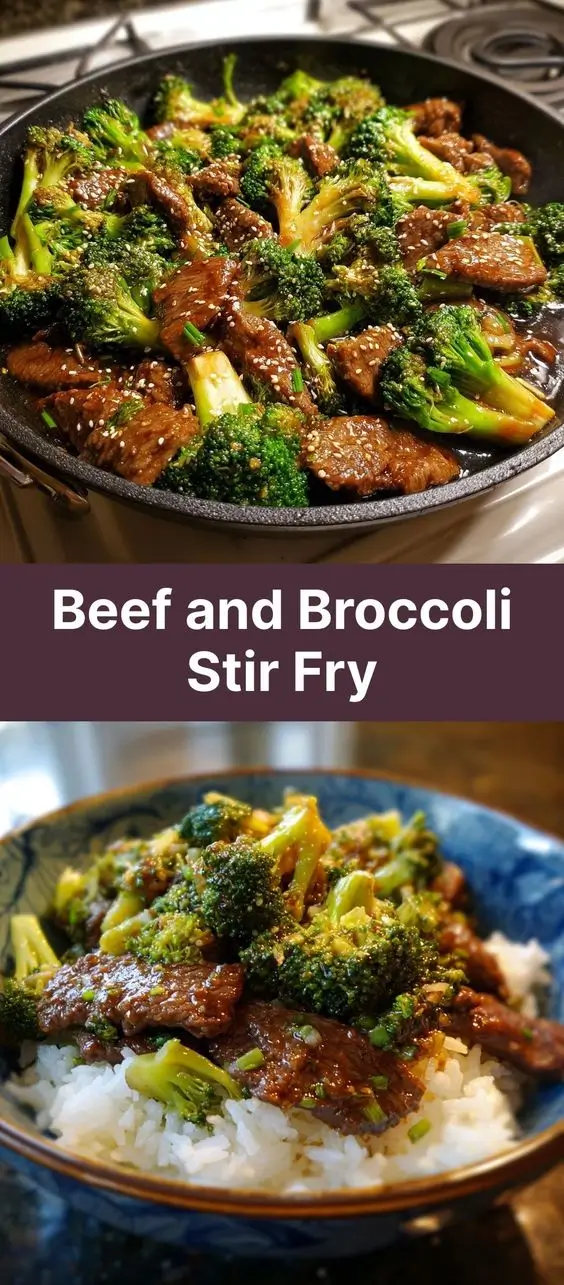
Beef and Broccoli Stir Fry: A Flavorful Journey Through Taste and Tradition
The History of Beef and Broccoli Stir Fry
Beef and broccoli stir fry is a beloved dish that exemplifies the fusion of Chinese culinary techniques with American tastes. While it is often associated with Chinese-American cuisine, its roots trace back to traditional Cantonese cooking practices from southern China. In authentic Chinese cooking, stir frying has been a staple method for centuries, dating as far back as the Han Dynasty (206 BCE–220 CE). The technique was developed not only for its speed and efficiency but also because it preserved the nutrients, texture, and vibrant colors of fresh ingredients.
However, the specific combination of beef and broccoli as we know it today didn’t become prominent until the 20th century in the United States. Chinese immigrants adapted their recipes to suit local palates and available ingredients. Broccoli, which was not traditionally used in ancient Chinese cooking, became more accessible in America and was quickly adopted due to its crisp texture and nutritional value. The dish evolved into a restaurant favorite across North America, particularly in the mid-to-late 1900s, becoming a cornerstone of Chinese takeout menus.
Today, beef and broccoli stir fry symbolizes the dynamic nature of food culture—where tradition meets innovation. It remains a comfort food classic, enjoyed by families and food enthusiasts alike for its savory sauce, tender meat, and satisfying crunch of vegetables. Its widespread popularity has led to countless variations, yet the essence of quick cooking over high heat with bold seasonings remains unchanged.
Ingredients Breakdown: What Makes This Dish Shine
The magic of beef and broccoli stir fry lies in its balance of flavors, textures, and aromas—all achieved through carefully selected ingredients. Each component plays a vital role in building layers of umami, sweetness, saltiness, and freshness.
- Sirloin or Flank Steak: These cuts are ideal for stir fries due to their tenderness and ability to absorb marinades. Thinly slicing against the grain ensures each bite remains juicy and easy to chew.
- Fresh Broccoli: Choose firm, dark green florets with tight buds. Broccoli adds fiber, vitamins C and K, and a pleasant crunch that contrasts beautifully with the soft beef.
- Soy Sauce: Provides the foundational salty-umami flavor. Use low-sodium soy sauce if you prefer better control over salt content.
- Oyster Sauce: A thick, savory condiment made from oyster extracts, sugar, and salt. It deepens the overall richness and gives the dish its signature glossy finish.
- Sesame Oil: Used sparingly for its intense nutty aroma. Always added at the end to preserve its volatile essential oils.
- Garlic and Ginger: Freshly minced garlic and grated ginger bring pungency and warmth, enhancing the depth of the sauce while offering natural antimicrobial benefits.
- Shaoxing Wine (or Dry Sherry): Adds complexity and helps tenderize the meat during marination. If unavailable, dry white wine or even apple juice can be substituted.
- Cornstarch: Crucial for velveting the beef (creating a protective coating) and thickening the sauce to cling perfectly to every ingredient.
- Vegetable Oil: High smoke point oils like canola, peanut, or avocado oil are best for achieving the sear needed in stir frying.
- Brown Sugar or Honey: A touch of sweetness balances the saltiness and enhances browning during cooking.
- Beef Broth or Water: Forms the base of the sauce, helping dissolve and blend all the seasonings into a cohesive glaze.
Optional enhancements include red pepper flakes for heat, green onions for color and mild onion flavor, and a splash of rice vinegar for brightness. Every ingredient contributes meaningfully—there’s no filler here.
Step-by-Step Recipe: How to Make Perfect Beef and Broccoli Stir Fry at Home
Follow this detailed guide to recreate restaurant-quality beef and broccoli stir fry in your own kitchen. With proper prep and timing, you’ll have a delicious meal ready in under 30 minutes.
Preparation (15 minutes)
- Marinate the Beef: Slice 1 pound of flank steak or sirloin into thin strips (¼ inch thick), cutting against the grain. Place in a bowl and add 1 tablespoon soy sauce, 1 tablespoon Shaoxing wine, 1 teaspoon cornstarch, and 1 teaspoon sesame oil. Mix well and let sit for at least 10–15 minutes (or up to 30 minutes for deeper flavor).
- Prepare the Sauce: In a separate bowl, whisk together ¼ cup beef broth, 3 tablespoons oyster sauce, 2 tablespoons soy sauce, 1 tablespoon brown sugar, 1 tablespoon cornstarch, and 1 teaspoon rice vinegar. Set aside.
- Blanch the Broccoli: Cut 4 cups of broccoli into even-sized florets. Bring a pot of salted water to boil and blanch the broccoli for 90 seconds. Immediately transfer to an ice bath to stop cooking and retain bright green color. Drain thoroughly.
- Mince Garlic & Grate Ginger: Finely mince 3 cloves of garlic and grate 1 tablespoon of fresh ginger root. Keep them ready near the stove.
Cooking (10–12 minutes)
- Heat the Wok or Skillet: Place a large wok or heavy-bottomed skillet over high heat. Add 2 tablespoons of vegetable oil and swirl to coat. Wait until the oil shimmers and just begins to smoke—this ensures proper searing.
- Stir-Fry the Beef: Add the marinated beef in a single layer (work in batches if necessary to avoid overcrowding). Sear for 1–2 minutes per side until browned but not fully cooked. Remove and set aside.
- Sauté Aromatics: In the same pan, reduce heat slightly and add another teaspoon of oil if needed. Add garlic and ginger, stirring constantly for 15–20 seconds until fragrant—do not let them burn.
- Add Broccoli: Toss in the blanched broccoli and stir-fry for 1 minute to reheat and infuse with flavor.
- Combine Everything: Return the beef to the pan. Give the sauce mixture a quick stir (cornstarch settles) and pour it evenly over the ingredients.
- Thicken the Sauce: Stir continuously as the sauce comes to a simmer and thickens within 60–90 seconds. The entire dish should glisten with a rich, clinging glaze.
- Finish with Sesame Oil: Turn off the heat and drizzle with ½–1 teaspoon of toasted sesame oil. Toss gently to distribute.
- Garnish and Serve: Transfer to a serving platter. Top with sliced green onions and a sprinkle of sesame seeds for presentation.
Tips for Success: Mastering Your Stir Fry Game
To elevate your beef and broccoli stir fry from good to exceptional, consider these professional tips:
- Use High Heat: Stir frying relies on intense heat to create “wok hei” (breath of the wok)—a smoky, charred aroma that defines authentic Asian cooking. Don’t shy away from turning up the burner.
- Don’t Overcrowd the Pan: Adding too much at once lowers the temperature and causes steaming instead of searing. Cook beef in batches if needed.
- Dry Ingredients Thoroughly: Excess moisture prevents proper browning. Pat dry the beef after marinating and ensure broccoli is well-drained post-blanching.
- Velveting the Beef: For ultra-tender results, some chefs use egg white and baking soda in the marinade—a technique known as velveting. Try adding 1 egg white and ½ teaspoon baking soda to the beef before marinating for melt-in-your-mouth texture.
- Prep Ahead (Mise en Place): Stir frying moves fast. Have all ingredients chopped, measured, and within arm’s reach before heating the pan.
- Adjust Sauce Thickness: Too thick? Add a splash of broth. Too thin? Mix ½ teaspoon cornstarch with 1 tablespoon cold water and stir in while simmering.
- Boost Umami: Add a few drops of fish sauce or a teaspoon of miso paste to the sauce for deeper savoriness without overpowering.
- Serve Immediately: Stir fries are best eaten hot off the stove. Pair with steamed jasmine rice, brown rice, or noodles for a complete meal.
Variations and Customizations: Make It Your Own
One of the greatest strengths of beef and broccoli stir fry is its adaptability. Whether you’re catering to dietary needs, exploring global flavors, or simply using what’s in your fridge, there are endless ways to customize this dish.
Protein Swaps
- Chicken: Substitute beef with boneless chicken thighs or breasts for a lighter option.
- Shrimp: Add peeled shrimp in the last 2–3 minutes of cooking for a seafood twist.
- Tofu or Tempeh: Press extra-firm tofu, cube it, and pan-fry until golden for a plant-based version. Marinate similarly for maximum flavor absorption.
Veggie Variations
- Mixed Vegetables: Add bell peppers, carrots, snap peas, mushrooms, baby corn, or bok choy for color and nutrition.
- Substitute Broccoli: Try broccolini, cauliflower, or asparagus depending on seasonality.
- Low-Carb Option: Replace rice with cauliflower rice or serve over zucchini noodles.
Sauce Twists
- Spicy Version: Stir in 1–2 teaspoons of chili garlic sauce, sambal oelek, or a few dashes of sriracha for heat.
- Teriyaki Style: Increase honey or brown sugar and add pineapple juice for a sweeter profile.
- Lemon-Ginger Glaze: Replace part of the soy sauce with lemon juice and increase ginger for a brighter, citrusy note.
- Keto-Friendly: Use coconut aminos instead of soy sauce and erythritol instead of sugar. Thicken with xanthan gum if desired.
Cultural Inspirations
- Korean-Inspired: Use gochujang and Gochugaru for a spicy-sweet kick.
- Thai Fusion: Add lemongrass, lime juice, and Thai basil for a Southeast Asian flair.
- Hoisin Twist: Replace oyster sauce with hoisin for a richer, slightly sweet alternative (great for vegetarian versions).
Health Considerations and Nutritional Value
When prepared mindfully, beef and broccoli stir fry can be a nutritious and balanced meal. Let’s break down its health aspects:
Nutritional Highlights (Per Serving, Approximate)
| Nutrient | Amount |
|---|---|
| Calories | 320–380 |
| Protein | 28–32g |
| Fat | 14–18g (mostly unsaturated) |
| Carbohydrates | 22–26g |
| Fiber | 4–5g |
| Sodium | 800–1200mg (varies by sauce choices) |
| Vitamin C | 135% DV |
| Vitamin K | 180% DV |
| Iron | 18% DV |
| Zinc | 30% DV |
Health Benefits
- High-Quality Protein: Supports muscle repair, immune function, and satiety.
- Rich in Antioxidants: Broccoli contains sulforaphane, a compound studied for its anti-cancer properties.
- Supports Bone Health: Abundant in vitamin K, essential for calcium regulation and bone density.
- Heart-Healthy Fats: Using oils like avocado or peanut provides monounsaturated fats linked to improved cholesterol levels.
- Digestive Wellness: Fiber from broccoli promotes healthy gut bacteria and regular digestion.
Considerations and Modifications
- Sodium Reduction: Opt for reduced-sodium soy sauce and oyster sauce, or make your own low-salt versions. Rinsing canned sauces isn’t recommended, but diluting with broth helps.
- Gluten Sensitivity: Use tamari or certified gluten-free soy sauce. Ensure oyster sauce is gluten-free (some brands contain wheat).
- Allergens: Contains soy and sesame. Can be modified using coconut aminos and omitting sesame oil (replace with neutral oil).
- Purine Content: Beef contains purines, which may affect individuals with gout. Moderation is advised; consider leaner proteins like chicken or tofu as alternatives.
- Balanced Meal: Serve with whole grains and a side salad to boost fiber and micronutrient intake.
Ingredients
- 1 lb flank steak or sirloin, thinly sliced
- 4 cups broccoli florets
- 2 tbsp vegetable oil (divided)
- 3 cloves garlic, minced
- 1 tbsp fresh ginger, grated
- 1/4 cup beef broth (low sodium preferred)
- 3 tbsp oyster sauce
- 2 tbsp soy sauce (low sodium)
- 1 tbsp brown sugar or honey
- 1 tbsp cornstarch
- 1 tbsp Shaoxing wine or dry sherry
- 1 tsp sesame oil (toasted)
- 1 tsp rice vinegar
- Salt and pepper to taste
- Garnish: sliced green onions, sesame seeds
Directions
- In a bowl, combine sliced beef with 1 tbsp soy sauce, 1 tbsp Shaoxing wine, 1 tsp cornstarch, and 1 tsp sesame oil. Mix well and marinate for 15 minutes.
- Bring a pot of salted water to boil. Blanch broccoli for 90 seconds, then shock in ice water. Drain and set aside.
- In a small bowl, whisk together beef broth, oyster sauce, soy sauce, brown sugar, cornstarch, and rice vinegar. Set sauce aside.
- Heat a wok or large skillet over high heat. Add 1 tbsp oil until shimmering.
- Add marinated beef in a single layer and sear 1–2 minutes per side until browned. Remove and set aside.
- Add remaining oil, then sauté garlic and ginger for 15–20 seconds until fragrant.
- Add blanched broccoli and stir-fry 1 minute.
- Return beef to the pan. Stir the sauce and pour it in.
- Simmer 1–2 minutes, stirring constantly, until sauce thickens and coats ingredients.
- Turn off heat. Drizzle with additional sesame oil. Garnish with green onions and sesame seeds.
- Serve immediately over steamed rice or noodles.
FAQ
Can I make beef and broccoli stir fry ahead of time?
Yes, though best served fresh. You can prep components separately: marinate beef (up to 24 hours), blanch broccoli (store in fridge up to 2 days), and mix sauce (refrigerate up to 5 days). Reheat quickly in a hot pan to maintain texture.
Why is my beef tough?
This usually happens due to overcooking, wrong cut, or not slicing against the grain. Use tender cuts like flank or sirloin, slice thinly across the grain, and don’t leave it in the pan too long.
Can I freeze leftovers?
Yes, store in an airtight container for up to 3 months. Thaw overnight in the fridge and reheat gently on the stove with a splash of water to restore moisture.
Is oyster sauce vegetarian?
No, traditional oyster sauce is made from oyster extracts. For a vegetarian version, use mushroom-based stir-fry sauce or vegan oyster sauce made from mushrooms.
How do I prevent soggy broccoli?
Always blanch and chill before stir-frying. Avoid adding too much liquid, and don’t cover the pan during cooking to allow steam to escape.
Can I cook this in the oven?
Not recommended. Stir frying requires rapid high-heat cooking. Oven methods will result in steamed, not seared, ingredients.
What rice pairs best with this dish?
Steamed jasmine rice is classic, but brown rice, wild rice, or quinoa offer whole-grain benefits. Forbidden black rice adds visual drama and antioxidants.
Summary
Beef and broccoli stir fry is a harmonious blend of tender meat, crisp vegetables, and savory-sweet sauce, rooted in Chinese culinary tradition and perfected in American kitchens.
Quick to prepare, endlessly customizable, and packed with flavor and nutrition, it remains a timeless favorite for weeknight dinners and special occasions alike.