Introduction
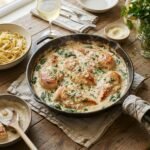
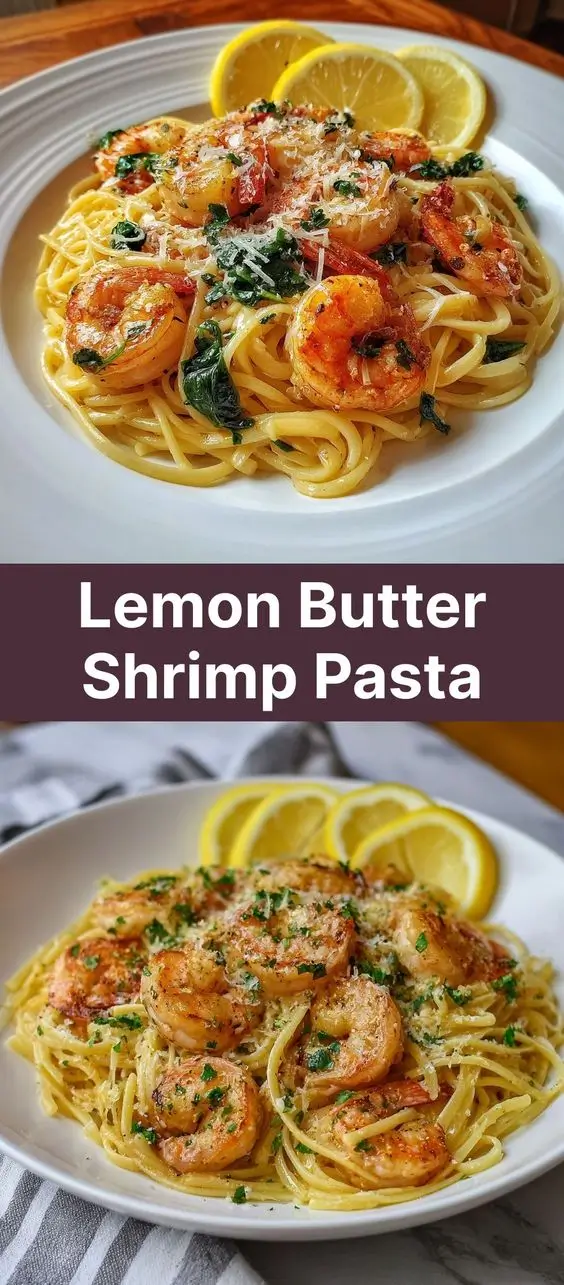
Lemon Butter Shrimp Pasta is a luxurious, restaurant-quality dish that brings the bright flavors of the Mediterranean right into your kitchen. With its silky buttery sauce, tender shrimp, al dente pasta, and a zesty citrus kick, this recipe is both comforting and refreshing—perfect for weeknight dinners or impressing guests at a dinner party. The combination of rich, creamy elements with the tanginess of lemon creates a harmonious balance that excites the palate without overwhelming it. Whether you’re a seasoned home cook or just beginning your culinary journey, this dish offers an accessible yet elegant way to elevate simple ingredients into something truly special.
What sets Lemon Butter Shrimp Pasta apart from other seafood pastas is its simplicity and speed. It can be prepared in under 30 minutes, making it an ideal choice for busy evenings when you still want something delicious and wholesome. The aroma of garlic sizzling in butter, mingled with fresh lemon zest, fills your kitchen with an irresistible fragrance that promises a satisfying meal. This dish pairs beautifully with a crisp white wine, a green salad, or even some crusty bread to soak up every last drop of sauce. In this comprehensive guide, we’ll explore everything you need to know about crafting the perfect Lemon Butter Shrimp Pasta—from ingredient selection and cooking techniques to nutritional insights and creative variations.
The History
Pasta dishes featuring seafood have deep roots in coastal Mediterranean cuisines, particularly in Italy and Greece, where fresh catches are integrated daily into traditional meals. While there isn’t a single documented origin for “Lemon Butter Shrimp Pasta” as we know it today, its components reflect centuries-old culinary traditions. Italians have long paired pasta with shellfish, using olive oil, garlic, and herbs to enhance natural flavors. The addition of lemon juice or zest is common in southern Italian cooking, especially in regions like Sicily and Campania, where citrus fruits grow abundantly.
The modern version of Lemon Butter Shrimp Pasta likely evolved in the 20th century, influenced by both Italian-American fusion cuisine and the growing popularity of quick, flavorful weeknight meals. American home cooks began incorporating more butter (as opposed to olive oil) into their sauces, giving dishes a richer, creamier texture. Restaurants across the U.S., particularly along coastal areas, started offering versions of lemon-butter shrimp over linguine or fettuccine, often finished with Parmesan cheese and fresh herbs.
This dish also reflects broader trends in global gastronomy—namely, the appreciation for light yet flavorful proteins, healthy fats, and vibrant produce. As consumers became more health-conscious and adventurous eaters, recipes like Lemon Butter Shrimp Pasta gained popularity for being both indulgent and relatively nutritious. Today, it stands as a beloved staple on menus worldwide and a favorite among home chefs seeking elegance without excess effort.
Ingredients Breakdown
The magic of Lemon Butter Shrimp Pasta lies not only in how the ingredients come together but also in the quality and role of each component. Let’s take a closer look:
- Fresh Shrimp: Ideally medium to large-sized (31–40 count per pound), peeled and deveined. Freshness is key—look for firm, translucent flesh with a mild ocean scent. Frozen shrimp work well too if properly thawed.
- Pasta: Linguine, fettuccine, or spaghetti are classic choices due to their ability to hold onto sauce. Whole wheat or gluten-free alternatives can be used depending on dietary needs.
- Unsalted Butter: Provides richness and mouthfeel. Using unsalted allows control over salt levels. High-quality European-style butter adds extra depth.
- Freshly Squeezed Lemon Juice: Offers acidity and brightness. Bottled juice lacks the vibrant flavor and aroma of fresh lemons.
- Lemon Zest: Intensifies the citrus profile without adding liquid. Use a microplane grater for fine, aromatic strips.
- Garlic: Minced finely to infuse the butter evenly. Avoid burning it to prevent bitterness.
- Dry White Wine: Optional but recommended—adds complexity and helps deglaze the pan. Choose crisp varieties like Pinot Grigio or Sauvignon Blanc.
- Heavy Cream or Half-and-Half: Creates a luscious, velvety sauce. For lighter versions, substitute with milk or omit entirely.
- Grated Parmesan Cheese: Adds umami and saltiness. Freshly grated melts better than pre-shredded.
- Red Pepper Flakes: A pinch introduces subtle heat, balancing the richness.
- Fresh Herbs: Parsley is most common; basil or chives can add unique twists.
- Salt and Black Pepper: Essential seasonings—adjust to taste throughout cooking.
- Olive Oil: Used to sauté shrimp without browning too quickly. Combines well with butter (a technique known as beurre monté).
Step-by-Step Recipe
Makes 4 servings | Total Time: ~25–30 minutes
- Cook the Pasta: Bring a large pot of salted water to a boil (about 1 tablespoon salt per 4 quarts water). Add 12 ounces of pasta (linguine recommended) and cook according to package instructions until al dente. Reserve 1 cup of pasta water before draining. Set aside.
- Prepare Ingredients: While pasta cooks, pat 1 pound of shrimp dry with paper towels. Season lightly with salt and pepper. Mince 3 cloves of garlic. Zest one lemon and juice two (you should get about ⅓ cup juice). Chop ¼ cup fresh parsley.
- Sear the Shrimp: Heat 1 tablespoon olive oil and 1 tablespoon butter in a large skillet over medium-high heat. Once shimmering, add shrimp in a single layer. Cook 1–2 minutes per side until pink and opaque. Remove shrimp and set aside.
- Build the Sauce: In the same skillet, reduce heat to medium. Add another tablespoon of butter. Add minced garlic and a pinch of red pepper flakes. Sauté 30 seconds until fragrant—do not brown. Pour in ½ cup dry white wine (optional) and simmer 2–3 minutes to reduce by half.
- Add Cream and Citrus: Stir in ½ cup heavy cream (or half-and-half), lemon juice, and lemon zest. Simmer gently 2–3 minutes. Do not boil vigorously to avoid curdling.
- Incorporate Cheese: Gradually whisk in ½ cup grated Parmesan cheese until melted and smooth. Taste and adjust seasoning with salt and pepper.
- Combine Everything: Add cooked pasta and shrimp to the skillet. Toss thoroughly to coat. If needed, add reserved pasta water 2 tablespoons at a time to loosen the sauce and help it cling to the noodles.
- Finish and Serve: Stir in chopped parsley. For extra richness, swirl in 1 additional tablespoon of cold butter off the heat (this enhances gloss and texture). Serve immediately.
Tips
- Don’t Overcook the Shrimp: They continue to cook slightly after removal from heat. Overcooked shrimp become rubbery and tough.
- Use Room-Temperature Butter: When adding butter to the sauce, let it soften slightly first to prevent clumping.
- Reserve Pasta Water: The starchy liquid is essential for emulsifying the sauce and creating a glossy, restaurant-style finish.
- Season in Layers: Salt each component—shrimp, pasta water, sauce—so flavors build gradually rather than hitting all at once.
- Balance Acidity: If the lemon flavor is too sharp, add a teaspoon of honey or a bit more cream to mellow it out.
- Prevent Curdling: Keep heat moderate when adding dairy. Never bring the sauce to a rolling boil after adding cream or cheese.
- Rest Before Serving: Let the dish sit for 1–2 minutes after mixing—this allows the pasta to absorb some sauce and improves overall texture.
- Garnish Creatively: Top with extra Parmesan, lemon slices, microgreens, or toasted pine nuts for visual appeal and crunch.
- Use Fresh Ingredients: Pre-grated cheeses contain anti-caking agents that don’t melt smoothly. Fresh lemon juice has significantly better flavor than bottled.
- One-Pan Option: For easier cleanup, cook the shrimp after the sauce base and use the same pan for everything, adjusting timing accordingly.
Variations and Customizations
Lemon Butter Shrimp Pasta is highly adaptable—here are some popular ways to personalize it:
- Creamy Version: Increase heavy cream to ¾ cup and stir in 2 oz of softened cream cheese for an ultra-rich sauce.
- Dairy-Free: Replace butter with vegan butter or olive oil, skip cream, and use coconut milk (light) or cashew cream instead. Omit cheese or use nutritional yeast.
- Gluten-Free: Use gluten-free pasta (such as brown rice or chickpea-based). Ensure all other ingredients are certified GF.
- Low-Carb/Keto: Substitute pasta with spiralized zucchini (zoodles), shirataki noodles, or spaghetti squash. Increase healthy fats with avocado or olive oil.
- Vegetarian Twist: Swap shrimp for sautéed mushrooms (like oyster or king trumpet), artichoke hearts, or roasted cherry tomatoes.
- Spicy Kick: Double the red pepper flakes or add a dash of hot sauce (e.g., Calabrian chili paste or sriracha).
- Herb Variations: Try tarragon for a French flair, dill for a Greek-inspired twist, or cilantro for a Latin American edge.
- Seafood Medley: Combine shrimp with scallops, mussels, or crab meat for a surf-and-turf effect.
- Tomato Addition: Stir in halved cherry tomatoes or sun-dried tomatoes for sweetness and color.
- Asian Fusion: Replace lemon with yuzu or lime, add ginger, soy sauce, and top with sesame seeds and scallions.
- Protein Boost: Mix in grilled chicken, pancetta, or white beans to increase satiety.
- Wine-Free: Substitute wine with low-sodium chicken broth and a splash of apple cider vinegar for acidity.
Health Considerations and Nutritional Value
Lemon Butter Shrimp Pasta can be part of a balanced diet when enjoyed in moderation and made with mindful ingredient choices. Here’s a breakdown of its core nutritional aspects:
- Shrimp: Low in calories and high in protein (about 20g per 3 oz serving). Rich in selenium, iodine, omega-3 fatty acids (EPA and DHA), and astaxanthin—an antioxidant that gives shrimp their pink color. However, shrimp do contain cholesterol (~170 mg per 3 oz), though recent research suggests dietary cholesterol has less impact on blood cholesterol than previously thought.
- Butter and Cream: High in saturated fat and calories. One tablespoon of butter has ~100 calories and 11g fat. To reduce fat content, consider using olive oil as the primary fat, reducing cream quantity, or substituting with Greek yogurt (added off-heat).
- Pasta: A source of carbohydrates, providing energy. Refined pasta has a higher glycemic index; whole grain or legume-based pastas offer more fiber, vitamins, and sustained energy release.
- Lemons: Packed with vitamin C, antioxidants, and flavonoids. Supports immune function, skin health, and iron absorption from plant foods.
- Garlic and Herbs: Contain anti-inflammatory and antimicrobial properties. Garlic may support cardiovascular health by helping regulate blood pressure and cholesterol.
- Sodium: Can be high depending on added salt, cheese, and broth. Use low-sodium options and season carefully, especially for those managing hypertension.
- Balancing the Dish: Serve with a side salad or steamed vegetables to boost fiber and micronutrient intake. Portion control is key—aim for 1.5 cups of pasta per serving.
For heart-healthy modifications: use olive oil instead of half the butter, skip heavy cream, opt for whole grain pasta, limit cheese, and include leafy greens like spinach or arugula stirred in at the end.
Ingredients
- 12 oz linguine (or preferred pasta)
- 1 lb large shrimp, peeled and deveined
- 3 tbsp unsalted butter, divided
- 1 tbsp olive oil
- 3 cloves garlic, minced
- 1 tsp red pepper flakes (adjust to taste)
- ½ cup dry white wine (e.g., Pinot Grigio)
- ⅓ cup freshly squeezed lemon juice (from 2 lemons)
- Zest of 1 lemon
- ½ cup heavy cream or half-and-half
- ½ cup grated Parmesan cheese, plus more for serving
- Salt and freshly ground black pepper, to taste
- ¼ cup chopped fresh parsley
- Lemon slices, for garnish
Directions
- Bring a large pot of salted water to a boil. Add pasta and cook until al dente. Reserve 1 cup of pasta water, then drain and set aside.
- Pat shrimp dry and season lightly with salt and pepper.
- In a large skillet over medium-high heat, warm olive oil and 1 tablespoon butter. Add shrimp in a single layer and cook 1–2 minutes per side until pink and curled. Transfer to a plate.
- Reduce heat to medium. Melt another tablespoon of butter. Add garlic and red pepper flakes; sauté 30 seconds until fragrant.
- Pour in white wine, scraping up any browned bits. Simmer 2–3 minutes until reduced by half.
- Stir in lemon juice, lemon zest, and heavy cream. Simmer gently 2–3 minutes—do not boil rapidly.
- Whisk in Parmesan cheese until fully melted and sauce is smooth. Season with salt and pepper.
- Add cooked pasta and shrimp to the skillet. Toss to coat evenly. Add reserved pasta water as needed (2–4 tbsp) to achieve a silky consistency.
- Remove from heat. Stir in parsley and remaining 1 tablespoon butter for shine (optional).
- Serve immediately, garnished with extra Parmesan, lemon slices, and a sprinkle of black pepper.
FAQ
Can I make Lemon Butter Shrimp Pasta ahead of time?
It’s best served fresh, as pasta absorbs sauce and shrimp can dry out upon reheating. However, you can prep ingredients in advance: mince garlic, zest and juice lemons, chop herbs, and measure spices. Reheat gently with a splash of water or broth to revive the sauce.
Can I freeze this dish?
Freezing is not recommended due to the dairy-based sauce, which may separate upon thawing, and the delicate texture of shrimp, which becomes mushy. Instead, freeze uncooked shrimp separately for later use.
What kind of shrimp should I use?
Medium-large (31–40 count per pound) raw shrimp are ideal. Look for “wild-caught” or sustainably farmed options. Avoid pre-cooked shrimp, as they tend to overcook during preparation.
Is this dish spicy?
Only mildly so, thanks to red pepper flakes. Adjust or omit based on preference. You can always serve hot sauce on the side.
Can I use frozen shrimp?
Yes—just thaw them properly in the refrigerator overnight or under cold running water. Pat dry thoroughly before cooking to ensure proper searing.
Why did my sauce break or curdle?
Dairy can curdle if exposed to high heat or excessive acidity. Always keep the heat low when adding cream and lemon juice. Adding pasta water gradually helps stabilize the emulsion.
Can I make it without alcohol?
Absolutely. Replace wine with low-sodium chicken or vegetable broth and a splash of white wine vinegar or lemon juice for acidity.
How do I store leftovers?
Store in an airtight container in the refrigerator for up to 2 days. Reheat gently in a skillet with a few drops of water or broth to restore moisture.
Can I add vegetables?
Yes! Spinach, asparagus, peas, bell peppers, or cherry tomatoes add color, nutrients, and texture. Sauté them with the garlic or steam separately and fold in at the end.
Is this dish gluten-free?
Only if using gluten-free pasta and ensuring all other ingredients (like broth or wine) are certified gluten-free. Check labels carefully.
Summary
Lemon Butter Shrimp Pasta is a vibrant, creamy, and quick-to-make dish that combines succulent shrimp, al dente pasta, and a zesty lemon-butter sauce for a restaurant-worthy meal in under 30 minutes. Packed with flavor, adaptable to various diets, and easy to customize, it’s a must-have recipe for seafood lovers and busy cooks alike.