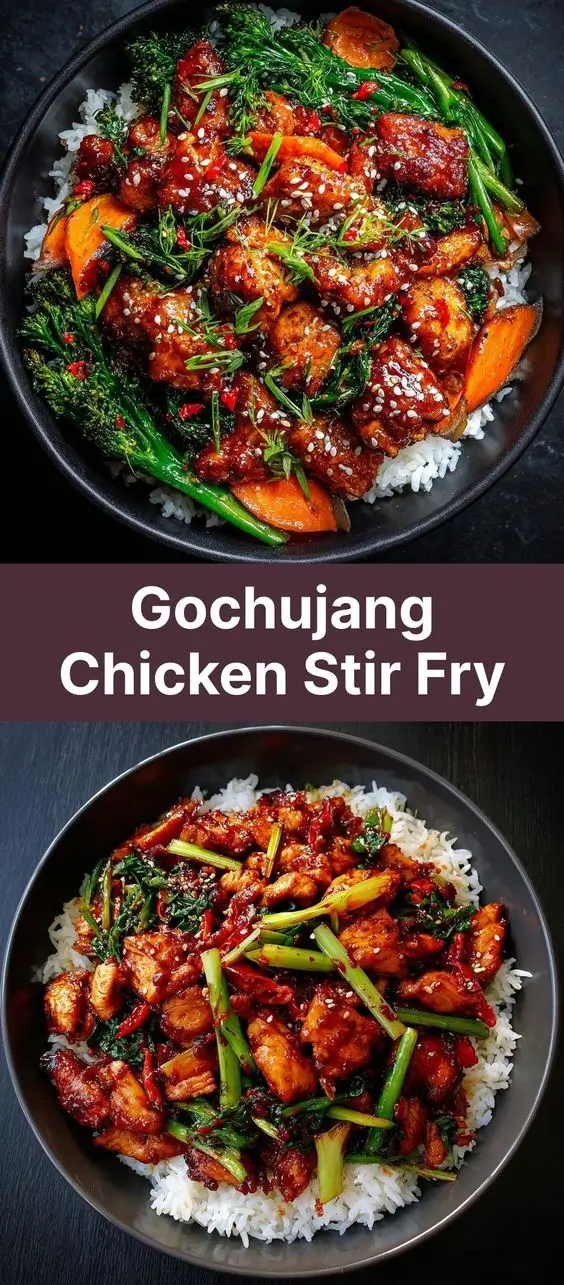
Gochujang Chicken Stir Fry: A Spicy, Savory Korean-Inspired Delight
Bring the bold and complex flavors of Korea into your kitchen with this irresistible Gochujang Chicken Stir Fry. This vibrant dish combines tender chicken, crisp vegetables, and the signature umami punch of gochujang—a fermented Korean red chili paste—to create a meal that’s both deeply satisfying and surprisingly easy to prepare. Whether you’re new to Korean cuisine or a seasoned fan, this stir fry delivers layers of heat, sweetness, and savoriness in every bite. Packed with protein and colorful veggies, it’s perfect for weeknight dinners, meal prep, or impressing guests with minimal effort.
The History of Gochujang and Korean Stir-Fry Traditions
Gochujang has been a cornerstone of Korean culinary tradition for centuries. Originating during the Three Kingdoms period (57 BC – 668 AD), gochujang evolved from early fermented soybean pastes after chili peppers were introduced to Korea via trade routes in the 16th century. The addition of these fiery peppers led to the development of gochujang as we know it today—a thick, pungent paste made from red chili flakes, glutinous rice, fermented soybeans, and salt.
Historically, gochujang was aged in large earthenware pots called jangdok, often left outdoors to ferment under the sun, allowing natural temperature fluctuations to enhance flavor complexity. This traditional method is still practiced in some regions, though modern commercial versions are widely available.
Stir-frying, known as byeol-chae bokkeum or simply bokkeum in Korean, is a common cooking technique used across the peninsula. While not identical to Chinese wok-hei-style stir frying, Korean bokkeum emphasizes quick cooking over high heat with flavorful sauces—often based on gochujang, ganjang (soy sauce), or doenjang (fermented soybean paste). Dishes like gochujang dak-bokkeum (spicy stir-fried chicken) have become modern staples in both home kitchens and Korean restaurants worldwide, blending tradition with contemporary tastes.
Ingredients Breakdown: What Makes This Dish Shine
The magic of Gochujang Chicken Stir Fry lies in its balance of ingredients—each playing a crucial role in building depth, texture, and aroma. Here’s a detailed look at what goes into this dish:
- Chicken Breast or Thighs: Boneless, skinless chicken breasts offer lean protein, while thighs provide more moisture and richness due to their higher fat content. Both work well, but thighs tend to stay juicier during high-heat cooking.
- Gochujang Paste: The star ingredient. Made from fermented chili, rice, and soy, it brings heat, sweetness, and umami. Look for brands like Chung Jung One or Sempio for authentic flavor.
- Soy Sauce: Adds saltiness and depth. Use low-sodium if preferred, or substitute with tamari for gluten-free needs.
- Honey or Brown Sugar: Balances the spice and fermentation tang of gochujang. Honey adds floral notes, while brown sugar lends molasses-like warmth.
- Rice Vinegar: Provides acidity to brighten the rich sauce and cut through the heat.
- Garlic and Ginger: Freshly minced garlic and grated ginger add aromatic pungency and zing—essential for authentic Korean flavor profiles.
- Sesame Oil: Used sparingly at the end for nutty fragrance. Never cook with it on high heat, as it burns easily.
- Vegetables: Bell peppers, carrots, broccoli, snap peas, mushrooms, and onions are excellent choices. They contribute color, crunch, and nutrition.
- Green Onions and Sesame Seeds: For garnish—adds freshness and visual appeal.
- Neutral Cooking Oil: Such as vegetable, canola, or avocado oil—ideal for high-heat searing without overpowering flavors.
- Cornstarch (optional): Used to thicken the sauce slightly or coat chicken for a silkier texture when stir-frying.
Step-by-Step Recipe: How to Make Gochujang Chicken Stir Fry
Ingredients
- 1.5 lbs (680g) boneless, skinless chicken breast or thighs, thinly sliced
- 3 tbsp gochujang paste (adjust to taste)
- 2 tbsp soy sauce (low-sodium preferred)
- 1 tbsp honey or packed brown sugar
- 1 tbsp rice vinegar
- 1 tbsp toasted sesame oil
- 4 cloves garlic, finely minced
- 1 tbsp fresh ginger, grated
- 2 tbsp neutral oil (like vegetable or avocado), divided
- 1 medium onion, sliced
- 1 red bell pepper, julienned
- 1 yellow bell pepper, julienned
- 1 cup broccoli florets
- 1 medium carrot, julienned or thinly sliced
- ½ cup snap peas, trimmed
- 2 green onions, sliced (for garnish)
- 1 tsp sesame seeds (for garnish)
- Cooked white or brown rice, for serving
- (Optional) 1 tsp cornstarch + 2 tbsp water (slurry for thickening)
Directions
- Prepare the Chicken: Slice the chicken into thin, even strips about ¼ inch thick. This ensures quick and uniform cooking. Pat dry with paper towels to remove excess moisture, which helps achieve better browning.
- Make the Sauce: In a small bowl, whisk together gochujang, soy sauce, honey, rice vinegar, sesame oil, minced garlic, and grated ginger until smooth. Taste and adjust—add more honey for sweetness, gochujang for heat, or vinegar for brightness. Set aside.
- Blanch Tough Vegetables (Optional): If using broccoli or carrots, blanch them briefly in boiling water for 1–2 minutes, then shock in ice water to preserve color and crispness. Drain well before stir-frying.
- Stir-Fry the Chicken: Heat 1 tablespoon of neutral oil in a large wok or heavy skillet over medium-high heat. Once hot, add the chicken in a single layer (work in batches if needed to avoid overcrowding). Cook for 3–4 minutes per side until golden and cooked through. Remove and set aside.
- Cook the Vegetables: Add another tablespoon of oil to the same pan. Toss in onions and sauté for 1 minute until fragrant. Add all vegetables (bell peppers, carrots, broccoli, snap peas) and stir-fry for 4–5 minutes until crisp-tender. You want them vibrant and slightly charred at the edges—not mushy.
- Combine Everything: Return the cooked chicken to the pan. Pour in the prepared gochujang sauce and toss thoroughly to coat all ingredients. Reduce heat to medium and simmer for 2–3 minutes to allow flavors to meld.
- Thicken the Sauce (Optional): If you prefer a glossier, clingier sauce, push the mixture to one side, add the cornstarch slurry to the center, and stir rapidly until it bubbles and thickens. Then mix everything together.
- Finish and Serve: Drizzle with an extra half-teaspoon of sesame oil for aroma. Garnish with sliced green onions and a sprinkle of toasted sesame seeds. Serve immediately over steamed rice.
Tips for Perfect Gochujang Chicken Stir Fry Every Time
- Don’t Overcrowd the Pan: Cooking too much at once lowers the pan temperature and causes steaming instead of searing. Work in batches if necessary.
- Prep Everything Ahead: Stir-fries move fast. Have all ingredients chopped, measured, and within reach before turning on the stove.
- Adjust Gochujang Heat Level: Some brands are spicier than others. Start with 2 tablespoons and increase gradually. Mild versions are available for those sensitive to spice.
- Use High Smoke Point Oils: Avoid olive oil—it smokes and breaks down at high heat. Stick to avocado, peanut, or refined vegetable oil.
- Marinate for Extra Flavor (Optional): For deeper penetration, marinate chicken in half the sauce for 20–30 minutes before cooking. Don’t exceed 1 hour, as the acidity may begin to “cook” the meat.
- Boost Umami: Add a splash of fish sauce (½ tsp) or a spoonful of doenjang (Korean soybean paste) to amplify savory notes.
- Reserve Some Garnishes: Keep a portion of green onions and sesame seeds separate to sprinkle on just before serving for maximum freshness and presentation.
Variations and Customizations
This recipe is incredibly versatile. Adapt it to suit dietary preferences, seasonal produce, or pantry availability:
- Vegetarian/Vegan Option: Replace chicken with tofu (pressed and cubed), tempeh, or mushrooms like shiitake or oyster mushrooms. Use maple syrup instead of honey and ensure gochujang is vegan (some contain fish derivatives).
- Low-Carb/Keto Version: Skip the rice and serve over cauliflower rice. Reduce honey and use erythritol-based syrup or monk fruit sweetener instead.
- Gluten-Free: Use tamari or certified gluten-free soy sauce. Verify that your gochujang is gluten-free (some contain wheat).
- Extra Spicy: Add sliced fresh red chilies, a dash of gochugaru (Korean chili flakes), or sriracha to the sauce.
- Add Noodles: Turn it into a noodle stir fry by tossing in cooked glass noodles (japchae style), udon, or soba after combining the sauce.
- Fruit Twist: Add pineapple chunks or peach slices for a sweet-and-spicy fusion twist reminiscent of Korean-American flavors.
- Nutty Crunch: Top with crushed peanuts or cashews for added texture and richness.
- One-Pan Sheet Pan Version: For easier cleanup, toss chicken and veggies with oil and sauce, spread on a baking sheet, and roast at 425°F (220°C) for 20–25 minutes, flipping halfway.
Health Considerations and Nutritional Value
Gochujang Chicken Stir Fry can be a nutritious, balanced meal when prepared thoughtfully. Here’s a breakdown of key health aspects:
Nutritional Highlights (per serving, serves 4, with chicken breast and brown rice):
- Calories: ~420 kcal
- Protein: ~35g (excellent source)
- Carbohydrates: ~40g (mostly complex carbs from vegetables and rice)
- Fat: ~12g (mostly unsaturated, especially if using healthy oils)
- Fiber: ~6g (from vegetables and whole grains)
- Sodium: ~800mg (can be reduced by using low-sodium soy sauce and less gochujang)
Health Benefits:
- High-Quality Protein: Supports muscle repair and satiety.
- Rich in Antioxidants: Bell peppers, broccoli, and carrots provide vitamins A and C, beta-carotene, and other phytonutrients.
- Probiotics and Fermentation: Gochujang contains beneficial microbes from fermentation, potentially supporting gut health (though cooking kills live cultures, precursors may still benefit digestion).
- Anti-Inflammatory Properties: Ginger and garlic have natural anti-inflammatory and immune-boosting effects.
- Metabolism Boost: Capsaicin in chili paste may temporarily increase metabolic rate and fat oxidation.
Considerations:
- Sodium Content: Gochujang and soy sauce are high in sodium. Those managing hypertension should use reduced-sodium versions and limit portion sizes.
- Added Sugars: Honey or sugar contributes to total sugar intake. Diabetics should monitor portions and consider low-glycemic substitutes.
- Allergens: Soy and gluten are common allergens; substitutions are available as noted above.
- Balanced Meal: Pair with a side salad or kimchi to increase fiber and probiotic intake.
Frequently Asked Questions (FAQ)
1. Can I make Gochujang Chicken Stir Fry ahead of time?
Yes! Cook the dish fully, let it cool, and store in an airtight container in the fridge for up to 4 days. Reheat in a skillet over medium heat with a splash of water or broth to refresh the sauce. Freezing is possible for up to 3 months, though vegetables may soften slightly upon thawing.
2. Where can I buy gochujang?
Gochujang is widely available in Asian grocery stores, major supermarkets (look in the international aisle), and online retailers like Amazon. Popular brands include Chung Jung One, Sempio, and Mother-in-Law’s. Store in the refrigerator after opening to maintain quality.
3. Is gochujang very spicy?
It varies by brand. Traditional gochujang has moderate heat with a strong fermented, savory backbone. It’s less fiery than straight chili paste but packs a slow-building warmth. Start with less and adjust to your tolerance.
4. Can I use frozen vegetables?
You can, but fresh vegetables yield superior texture and flavor. If using frozen, thaw and drain well to prevent excess moisture in the stir fry.
5. What can I substitute for gochujang?
There’s no perfect substitute, but a blend of sriracha + miso paste + a bit of sugar and smoked paprika can mimic the flavor profile. However, for authenticity, gochujang is highly recommended.
6. Why is my sauce too thick or too thin?
If too thick, stir in warm water or broth, one teaspoon at a time. If too thin, simmer longer or use a cornstarch slurry to thicken. Always add thickener off direct heat to prevent clumping.
7. Can I grill the chicken instead?
Absolutely! Marinate the chicken in the sauce and grill over medium-high heat for smoky, charred results. Slice and toss with stir-fried vegetables afterward.
8. Is this dish gluten-free?
Only if you use gluten-free soy sauce (tamari) and verify that your gochujang is gluten-free. Many traditional versions contain wheat, so check labels carefully.
Summary
Gochujang Chicken Stir Fry is a bold, flavorful dish that combines tender chicken, crisp vegetables, and a rich, spicy-sweet fermented sauce for a restaurant-quality meal at home. Quick to prepare, endlessly customizable, and packed with protein and nutrients, it’s a modern favorite rooted in centuries of Korean culinary tradition.