Chocolate Coconut Macaroons: A Decadent Twist on a Classic Treat
The History of Chocolate Coconut Macaroons
The origins of macaroons trace back to medieval times, with roots in Italian and French confectionery traditions. Originally developed by monks as simple almond-based sweets, macaroons were prized for their long shelf life and ability to be made without flour—making them ideal during religious fasting periods such as Lent. Over centuries, the recipe traveled across Europe, evolving into various regional versions.
The coconut macaroon, as we know it today, emerged in the 19th century when coconut became more widely available due to improved global trade routes. American Jewish communities adopted the coconut version as a Passover-friendly dessert since it is naturally gluten-free and unleavened. The classic coconut macaroon typically features sweetened shredded coconut, egg whites, sugar, and vanilla extract, baked until golden brown.
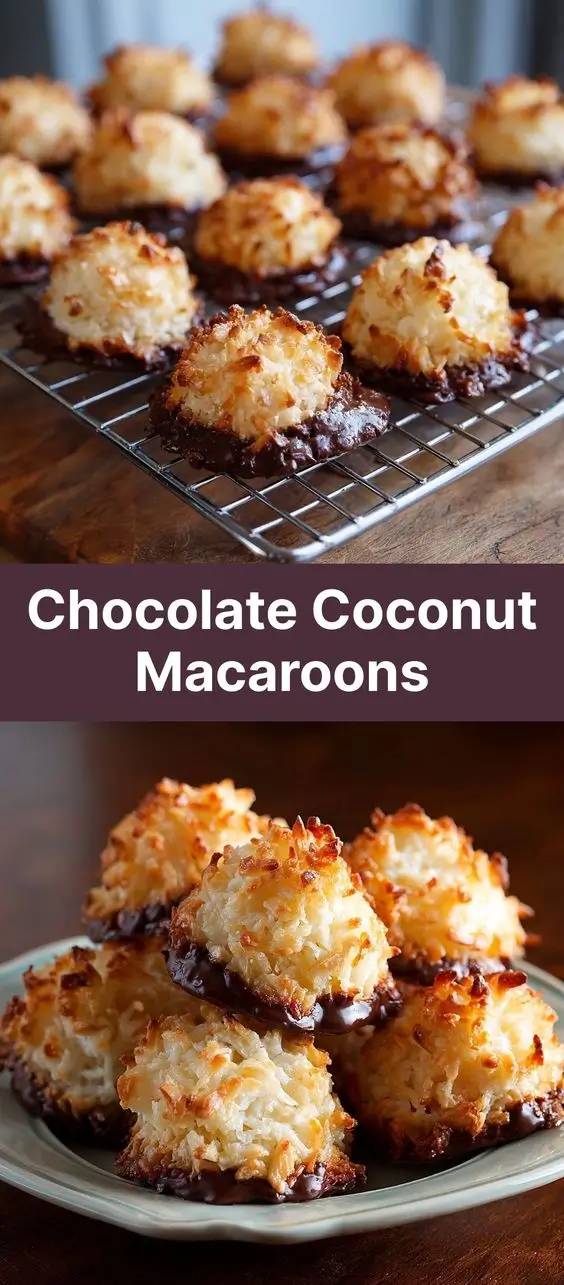
Enter chocolate—a beloved ingredient that transforms almost any treat into something extraordinary. The addition of cocoa powder or melted chocolate to traditional coconut macaroons began gaining popularity in the mid-20th century, particularly in gourmet bakeries and upscale dessert menus. This fusion created a richer, deeper flavor profile while maintaining the chewy center and crisp edges characteristic of the original. Today, chocolate coconut macaroons are enjoyed worldwide as a luxurious take on a time-honored favorite, often served at celebrations, holidays, or simply as an indulgent afternoon snack.
Ingredients Breakdown: What Makes These Macaroons Irresistible?
The magic of chocolate coconut macaroons lies not only in their taste but also in the careful selection and balance of ingredients. Each component plays a vital role in creating the perfect texture, moisture, sweetness, and depth of flavor.
- Sweetened Shredded Coconut: The star of the show. Using sweetened coconut gives the macaroons their signature tropical sweetness and soft-chewy texture. Unsweetened coconut can be used for a less sugary version, though additional sweetener may be required.
- Unsweetened Cocoa Powder (or Dutch-process): Adds rich chocolate flavor without adding extra fat. Dutch-process cocoa offers a smoother, milder taste, while natural cocoa provides a slightly tangier note that complements the sweetness of the coconut.
- Egg Whites: Act as the primary binder, helping hold the mixture together and giving structure during baking. They also contribute to the light, airy interior once baked.
- Granulated Sugar: Enhances sweetness and helps form a delicate crust on the outside when baked. It also aids in browning.
- Vanilla Extract: Provides warmth and complexity, rounding out the flavors and enhancing both the coconut and chocolate notes.
- Salted Butter (optional): Some recipes include a small amount of melted butter to enrich the texture and add a subtle savory note that balances the sweetness.
- Dark Chocolate Chips or Chunks (optional): Folded into the batter or drizzled on top after baking for an extra layer of decadence.
- Espresso Powder (pinch, optional): Not essential, but this secret ingredient enhances the perception of chocolate flavor, making it taste deeper and more intense.
- Sea Salt Flakes (for garnish): A light sprinkle on top before baking elevates all the other flavors through contrast.
Step-by-Step Recipe: How to Make Perfect Chocolate Coconut Macaroons at Home
Making chocolate coconut macaroons from scratch is surprisingly easy and requires no special equipment beyond a mixing bowl, spatula, and baking sheet. Follow these detailed steps for consistently delicious results.
Ingredients
- 3 cups sweetened shredded coconut
- 1/2 cup unsweetened cocoa powder (preferably Dutch-process)
- 3 large egg whites (about 1/4 cup), room temperature
- 3/4 cup granulated sugar
- 1 teaspoon pure vanilla extract
- 1/4 teaspoon salt
- 1 tablespoon melted unsalted butter (optional)
- 1/2 teaspoon espresso powder (optional)
- 1/2 cup dark chocolate chips or chunks (optional)
- Flaky sea salt, for finishing (optional)
Directions
- Preheat Oven & Prepare Baking Sheets: Preheat your oven to 325°F (165°C). Line two large baking sheets with parchment paper or silicone baking mats. This prevents sticking and ensures even browning.
- Mix Dry Ingredients: In a large mixing bowl, whisk together the shredded coconut, cocoa powder, sugar, salt, and espresso powder (if using). Make sure there are no lumps in the cocoa powder—this guarantees an even distribution of chocolate flavor throughout each macaroon.
- Add Wet Ingredients: Add the egg whites, vanilla extract, and melted butter (if using) to the dry mixture. Stir with a sturdy spatula or wooden spoon until everything is thoroughly combined. The dough will be thick and sticky—similar to cookie dough but more cohesive. If adding chocolate chips, fold them in gently at this stage.
- Rest the Dough (Optional but Recommended): Let the mixture sit for 10–15 minutes. This allows the coconut to absorb some of the liquid, which improves texture and makes scooping easier.
- Shape the Macaroons: Use a cookie scoop (about 1.5 tablespoons) or two spoons to portion the batter onto the prepared baking sheets. Space them about 1.5 inches apart to allow for slight spreading. For a classic look, shape each mound slightly with wet fingers or the back of a spoon to create neat domes.
- Bake Until Set: Place one baking sheet at a time in the center rack of the oven. Bake for 18–22 minutes, rotating halfway through, until the macaroons are puffed and set on the outside, with just a hint of cracking on top. They should feel firm to the touch but still yield slightly when pressed.
- Cool Completely: Remove from the oven and let cool on the baking sheet for 5 minutes before transferring to a wire rack. This resting period helps them firm up so they don’t fall apart when moved.
- Optional Chocolate Drizzle: Once completely cooled, melt 1/2 cup of high-quality dark chocolate (or use chocolate wafers) over a double boiler or in short bursts in the microwave. Transfer to a piping bag or small plastic bag with the corner snipped off, then drizzle over the macaroons for added elegance and flavor.
- Garnish and Serve: Finish with a light sprinkle of flaky sea salt to enhance the sweet-and-salty contrast. Store in an airtight container at room temperature for up to 5 days.
Tips for Success: Expert Advice for Flawless Chocolate Coconut Macaroons
- Use Room Temperature Egg Whites: Cold egg whites don’t incorporate as evenly into the batter. Letting them warm up slightly ensures better binding and smoother mixing.
- Don’t Skip the Resting Step: Allowing the batter to rest helps hydrate the coconut, resulting in macaroons that hold their shape better and have a superior chewy texture.
- Measure Coconut Correctly: Spoon the coconut into your measuring cup rather than packing it down unless specified. Too much coconut can make the macaroons dry.
- Check Oven Temperature Accuracy: An oven thermometer ensures your oven is at the correct temperature. Even slight deviations can lead to undercooked centers or burnt edges.
- Avoid Overbaking: These macaroons should remain moist inside. When they spring back lightly when touched and appear dry on the surface, they’re done—even if the center feels soft.
- Uniform Sizing = Even Baking: Use a cookie scoop to ensure all macaroons are the same size, which promotes even cooking and professional appearance.
- Chill Dough If Too Sticky: If the batter feels too wet to handle, chill it for 15–20 minutes before shaping. This makes handling much easier.
- Freeze for Later: Unbaked portions of dough can be rolled into balls and frozen on a tray, then transferred to a freezer-safe bag. Bake straight from frozen—just add 2–3 extra minutes to the baking time.
Variations and Customizations: Make Them Your Own
One of the best things about chocolate coconut macaroons is how easily they adapt to personal preferences and dietary needs. Here are some creative twists to inspire your next batch:
- Gluten-Free & Grain-Free: Naturally gluten-free, these macaroons are safe for those avoiding grains. Just confirm all ingredients (especially cocoa powder and vanilla) are certified GF if needed.
- Dairy-Free Version: Omit the butter and chocolate chips (or use dairy-free alternatives). Most dark chocolate is naturally dairy-free, but always check labels.
- Vegan Chocolate Coconut Macaroons: Replace egg whites with aquafaba (the liquid from a can of chickpeas). Use 1/4 cup aquafaba whipped until frothy. Results are nearly identical and perfect for plant-based diets.
- Mini Macaroons: Use a teaspoon-sized scoop for bite-sized treats ideal for parties, weddings, or holiday trays.
- Double Chocolate Macaroons: Increase cocoa to 2/3 cup and mix in 3/4 cup chocolate chunks for an ultra-rich experience.
- Lemon-Zest Infused: Add 1 teaspoon of finely grated lemon zest to brighten the flavor and cut through the richness.
- Peanut Butter Swirl: Drop 1/4 teaspoon of creamy peanut butter onto each mound before baking and swirl gently with a toothpick.
- Mocha Macaroons: Boost the espresso powder to 1 teaspoon or add 1 tablespoon instant coffee granules for a bold mocha kick.
- Toasted Coconut Version: Toast the shredded coconut in a dry skillet over medium heat until golden before mixing. This deepens the nutty flavor dramatically.
- Holiday-Themed Decor: Dip half of each cooled macaroon in colored candy melts or white chocolate and decorate with sprinkles for Christmas, Easter, or birthdays.
- Nut-Inclusive: Fold in 1/3 cup chopped toasted almonds, pecans, or walnuts for added crunch and sophistication.
- Alcohol-Infused: Soak raisins or dried cherries in rum or Kirsch, then mix into the batter for an adult-only twist.
Health Considerations and Nutritional Value
While chocolate coconut macaroons are undeniably delicious, it’s important to enjoy them mindfully, especially if you’re watching sugar intake, managing diabetes, or following specific dietary guidelines.
Nutritional Profile (Per Macaroon, based on standard recipe, yields ~18):
- Calories: ~130–150 kcal
- Total Fat: 7–9g (mostly from coconut and optional butter/chocolate)
- Saturated Fat: 5–6g (coconut is high in saturated fat, though primarily lauric acid, which may have neutral effects on cholesterol)
- Carbohydrates: 16–18g
- Sugars: 13–15g (primarily from sweetened coconut and added sugar)
- Protein: 1–2g
- Fiber: 1–2g (from coconut)
- Sodium: ~30–50mg
Health Notes:
- Coconut Benefits: Rich in fiber and medium-chain triglycerides (MCTs), which some studies suggest may support metabolism and heart health in moderation.
- Low Protein & High Sugar: These are not nutritionally balanced snacks. Pair with Greek yogurt or fruit to offset blood sugar spikes.
- Keto-Friendly? Not Standard Version: Traditional macaroons are too high in sugar and carbs for keto. However, a low-carb version can be made using unsweetened coconut, erythritol or monk fruit sweetener, and sugar-free chocolate.
- Allergens: Contains eggs; potential allergens include coconut (tree nut classification varies by country) and optional dairy. Always label accordingly for guests.
- Glycemic Index: Moderate to high due to refined sugar and sweetened coconut. Diabetics should consume sparingly and monitor glucose response.
Frequently Asked Questions (FAQ)
Can I make chocolate coconut macaroons without sugar?
Yes, but texture and browning will differ. Substitute granulated sugar with a 1:1 keto-friendly sweetener like erythritol or allulose, and use unsweetened coconut. Be aware that the result may be less chewy and more crumbly.
Why did my macaroons spread too much or turn flat?
Common causes include too much egg white, insufficient sugar, or an oven that’s too hot. Ensure accurate measurements and verify your oven temperature with a thermometer.
Can I use canned coconut cream instead of egg whites?
No—coconut cream won’t provide the necessary structure. Stick to egg whites or aquafaba for proper binding.
How do I store chocolate coconut macaroons?
Keep in an airtight container at room temperature for up to 5 days. For longer storage, freeze for up to 3 months. Thaw at room temperature before serving.
Can I bake them in a convection oven?
Yes, but reduce the temperature by 25°F (to 300°F) and check for doneness 3–5 minutes earlier, as convection ovens cook faster and more evenly.
Are coconut macaroons healthy?
They contain natural fats from coconut and are gluten-free, but they are high in sugar and calories. Best enjoyed in moderation as part of a balanced diet.
Why do some recipes use condensed milk?
Some shortcut versions use sweetened condensed milk for creaminess and ease, but this creates a denser, fudgier texture unlike the light, chewy classic. Our recipe avoids it for authenticity and better control over sweetness.
Can I make them oil-free?
Yes—skip the butter and rely solely on egg whites for moisture. The texture will be slightly drier but still enjoyable.
What’s the difference between macaroons and macarons?
Despite similar names, they are entirely different! Macaroons (like these) are dense, coconut-based cookies. Macarons are delicate French meringue-based sandwich cookies made with almond flour, often filled with ganache or buttercream.
Can kids help make these?
Absolutely! Mixing the batter and scooping are great tasks for little hands. Just supervise around the oven and hot chocolate.
Summary
Chocolate coconut macaroons blend the tropical richness of coconut with deep, velvety chocolate for a treat that’s chewy, satisfying, and utterly addictive. Easy to customize and perfect for holidays, gifts, or everyday indulgence, they bring joy in every bite.