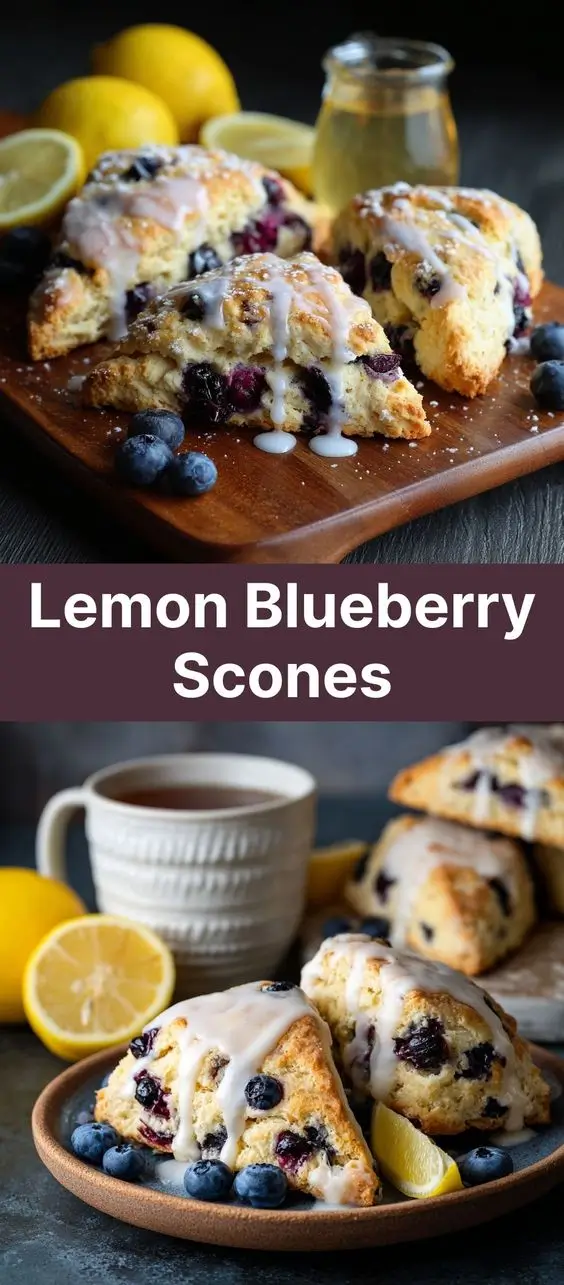
Lemon Blueberry Scones: A Zesty, Flaky Delight for Any Time of Day
The History of Scones: From Humble Beginnings to a Modern Favorite
Scones have long held a special place in the hearts and homes of tea enthusiasts around the world, with their origins tracing back to Scotland in the early 16th century. The name “scone” is believed to be derived from the Dutch word “schoonbrot” (beautiful bread) or possibly from the Stone of Scone, the ancient coronation seat of Scottish kings, though this etymology remains debated among historians. Originally made from oats and baked on a griddle, scones evolved over centuries into the soft, oven-baked treats we know today, especially after wheat flour became more widely available across the British Isles.
By the 19th century, scones had become a staple of the traditional British afternoon tea, served alongside clotted cream, jam, and a steaming cup of Earl Grey. Their popularity spread globally through the British Empire, eventually inspiring countless regional variations. In the United States, bakers began experimenting with add-ins like chocolate chips, dried fruits, and fresh berries, leading to the creation of flavor combinations such as lemon blueberry—a perfect balance of tangy citrus and sweet-tart fruit. Today, lemon blueberry scones are celebrated not only for their vibrant taste but also for their tender crumb and golden crust, making them a beloved treat at brunches, bakeries, and home kitchens alike.
Ingredients Breakdown: Why Each Component Matters
Creating the perfect lemon blueberry scone requires precision, quality ingredients, and an understanding of how each element contributes to texture, flavor, and structure. Let’s explore what goes into these delightful pastries and why it matters:
- All-Purpose Flour: The foundation of any scone, all-purpose flour provides the necessary gluten structure while remaining tender when handled correctly. Too much mixing can lead to toughness, so gentle incorporation is key.
- Granulated Sugar: Adds sweetness and aids in browning the exterior during baking. It also helps create a delicate crispness on the surface while keeping the inside moist.
- Baking Powder: This leavening agent is crucial for lift and flakiness. Fresh baking powder ensures maximum rise—check the expiration date before using!
- Salt: Enhances overall flavor and balances the sweetness. Even a small amount makes a noticeable difference in depth and complexity.
- Cold Unsalted Butter: Perhaps the most critical ingredient, cold butter creates steam pockets during baking, resulting in layers and a flaky texture. Cutting it into the flour until pea-sized crumbs form is essential for proper aeration.
- Fresh Blueberries: Plump, juicy, and bursting with natural sweetness and acidity, fresh blueberries add color, moisture, and bursts of fruity flavor. Tossing them in flour prevents sinking to the bottom of the dough.
- Lemon Zest: Packed with aromatic oils, lemon zest infuses the entire scone with bright, citrusy notes without adding excess liquid. Always use organic lemons if possible, since you’re using the peel.
- Lemon Juice: Adds acidity that reacts with the baking powder for extra lift and enhances the brightness of the flavor profile.
- Heavy Cream (or Buttermilk): Provides richness and tenderness. Heavy cream yields a more luxurious, melt-in-your-mouth texture, while buttermilk adds slight tang and works well for lighter scones.
- Egg: Binds ingredients together and contributes to browning and structure. A single large egg is typically sufficient for standard recipes.
- Vanilla Extract (optional):strong> While not traditional, a splash of pure vanilla extract deepens the flavor and complements both lemon and blueberry beautifully.
Step-by-Step Recipe: How to Make Perfect Lemon Blueberry Scones at Home
Making bakery-quality lemon blueberry scones from scratch is easier than you might think—with careful attention to temperature and technique, you’ll achieve golden, tender scones every time. Follow these detailed steps for flawless results:
- Preheat the Oven: Set your oven to 400°F (200°C). Line a large baking sheet with parchment paper or a silicone baking mat. Preheating ensures immediate rise upon contact with heat.
- Prepare the Dry Ingredients: In a large mixing bowl, whisk together 2 cups (250g) all-purpose flour, 1/3 cup (65g) granulated sugar, 1 tablespoon baking powder, and 1/2 teaspoon salt. Ensure even distribution for consistent texture.
- Cut in the Butter: Add 1/2 cup (1 stick or 113g) cold unsalted butter, cut into small cubes. Using a pastry cutter, two forks, or your fingertips, work the butter into the dry mixture until the texture resembles coarse crumbs with some pea-sized pieces remaining. This step is vital for flakiness.
- Add Blueberries: Gently toss 1 cup (about 150g) fresh blueberries in 1 tablespoon of flour to coat. Fold them carefully into the flour mixture to prevent breaking and ensure even distribution.
- Incorporate Wet Ingredients: In a separate bowl, whisk together 1 large egg, 1/3 cup (80ml) heavy cream (or cold buttermilk), 1 tablespoon fresh lemon juice, 1 tablespoon finely grated lemon zest (from about 1 large lemon), and 1/2 teaspoon vanilla extract (if using).
- Combine Wet and Dry Mixtures: Pour the wet ingredients into the dry ingredients. Stir gently with a spatula or wooden spoon just until the dough begins to come together. Do not overmix—some shaggy patches are okay.
- Shape the Dough: Turn the dough out onto a lightly floured surface. With lightly floured hands, shape it into a circle approximately 7 inches in diameter and 1 inch thick. Handle minimally to avoid warming the butter.
- Cut Into Wedges: Using a sharp knife or bench scraper, cut the circle into 8 equal wedges. You can also use a biscuit cutter for rounds, but wedges are traditional for scones.
- Transfer to Baking Sheet: Place the wedges on the prepared baking sheet, leaving about 2 inches between each to allow for spreading.
- Optional Glaze Base: For a shinier finish, brush the tops lightly with heavy cream or beaten egg wash. Sprinkle with coarse sugar for crunch and visual appeal.
- Bake: Bake for 18–22 minutes, or until the scones are golden brown and a toothpick inserted into the center comes out clean (except for possible melted blueberry streaks).
- Cool Slightly: Let the scones cool on the baking sheet for 5 minutes before transferring to a wire rack.
- Apply Lemon Glaze (Optional): Once cooled slightly, drizzle with a simple glaze made from 1 cup powdered sugar, 1–2 tablespoons fresh lemon juice, and 1/2 teaspoon lemon zest. Adjust consistency by adding more sugar or juice as needed.
Tips for Success: Expert Advice for Foolproof Scones
- Keep Everything Cold: Cold butter and cold cream are non-negotiable. Warm ingredients cause the butter to melt prematurely, leading to dense, greasy scones instead of light and flaky ones.
- Don’t Overwork the Dough: Mix only until the dough holds together. Overworking develops gluten, which leads to tough scones.
- Use Fresh Baking Powder: Since baking powder loses potency over time, test it by mixing a pinch with hot water—if it doesn’t fizz, replace it.
- Handle Blueberries Gently: Fresh blueberries break easily. Coating them in flour helps suspend them in the batter and reduces streaking.
- Chill Before Baking (Optional Pro Tip): For extra height and structure, chill the shaped scones on the baking sheet for 15–20 minutes before baking. This firms up the butter again, ensuring better rise.
- Rotate the Pan Midway: Ovens often have hot spots. Rotating the baking sheet halfway through promotes even browning.
- Bake Immediately: Once shaped, bake right away. Delaying can cause the butter to soften, affecting texture.
- Check Early: Start checking at 18 minutes. Overbaking dries out scones quickly due to their small size.
Variations and Customizations: Make It Your Own
While classic lemon blueberry scones are delicious on their own, feel free to experiment with flavors, textures, and dietary preferences. Here are several creative twists:
- Lime & Blackberry: Swap lemon for lime and blueberries for blackberries for a tropical twist.
- Orange Cranberry: Use orange zest and dried cranberries for a festive holiday version.
- Gluten-Free Option: Substitute a high-quality gluten-free all-purpose flour blend. Add 1/2 teaspoon xanthan gum if not already included in the mix.
- Dairy-Free Version: Replace heavy cream with full-fat coconut milk or almond milk mixed with 1 teaspoon vinegar. Use plant-based butter sticks (like Earth Balance), kept very cold.
- Vegan Adaptation: Use a flax egg (1 tbsp ground flaxseed + 3 tbsp water, let sit 5 mins), dairy-free butter, and non-dairy milk with vinegar. Skip the egg wash or use maple syrup for shine.
- Herb-Infused: Add 1 teaspoon chopped fresh thyme or rosemary for a savory-sweet contrast that pairs wonderfully with lemon.
- Nutty Crunch: Fold in 1/4 cup chopped toasted almonds or pecans for added texture and nuttiness.
- Mini Scones: Use a small cookie scoop and shape into balls. Bake for 12–15 minutes for bite-sized treats ideal for parties.
- Streusel Topping: Before baking, sprinkle with a crumb topping made from brown sugar, cinnamon, flour, and cold butter for extra indulgence.
- Swirl Technique: Roll the dough into a rectangle, spread with lemon curd, roll up jelly-roll style, slice, and bake for a marbled effect.
Health Considerations and Nutritional Value
Lemon blueberry scones, while undeniably delicious, should be enjoyed in moderation as part of a balanced diet. However, they do offer some nutritional benefits thanks to their wholesome ingredients:
- Blueberries: Rich in antioxidants, particularly anthocyanins, which support heart health and brain function. They’re also high in vitamin C, fiber, and low in calories.
- Lemons: An excellent source of vitamin C, lemons aid immune function, promote skin health, and enhance iron absorption from plant foods.
- Dairy: Heavy cream and butter provide energy-dense fats and fat-soluble vitamins (A, D, E, K), though they are high in saturated fat. Moderation is advised, especially for those monitoring cholesterol levels.
- Flour and Sugar: Refined carbohydrates can spike blood sugar. To reduce impact, consider reducing sugar slightly (down to 1/4 cup) or using whole wheat pastry flour for added fiber.
Average Nutrition per Serving (1 of 8 scones, without glaze):
| Calories | 280 |
| Total Fat | 14g |
| Saturated Fat | 8g |
| Cholesterol | 60mg |
| Sodium | 290mg |
| Total Carbohydrates | 35g |
| Dietary Fiber | 1g |
| Sugars | 18g |
| Protein | 4g |
To make healthier versions:
- Reduce sugar to 1/4 cup.
- Replace half the all-purpose flour with whole wheat pastry flour.
- Use Greek yogurt instead of heavy cream for more protein and less fat.
- Serve without glaze or opt for a dusting of powdered sugar.
Ingredients
- 2 cups (250g) all-purpose flour
- 1/3 cup (65g) granulated sugar
- 1 tablespoon baking powder
- 1/2 teaspoon salt
- 1/2 cup (113g) cold unsalted butter, cubed
- 1 cup (150g) fresh blueberries, tossed in 1 tbsp flour
- 1 large egg
- 1/3 cup (80ml) heavy cream (or cold buttermilk)
- 1 tablespoon fresh lemon juice
- 1 tablespoon finely grated lemon zest
- 1/2 teaspoon pure vanilla extract (optional)
- Coarse sugar for sprinkling (optional)
Directions
- Preheat oven to 400°F (200°C). Line a baking sheet with parchment paper.
- In a large bowl, whisk together flour, sugar, baking powder, and salt.
- Cut in cold butter using a pastry cutter until mixture resembles coarse crumbs.
- Toss blueberries in 1 tbsp flour and fold into the dry mix.
- In another bowl, whisk egg, cream, lemon juice, zest, and vanilla.
- Pour wet ingredients into dry; stir gently until dough forms.
- Turn onto floured surface; shape into a 7-inch circle, 1-inch thick.
- Cut into 8 wedges and place on baking sheet.
- Brush with cream and sprinkle with coarse sugar if desired.
- Bake 18–22 minutes until golden brown.
- Cool 5 minutes, then transfer to rack. Drizzle with glaze if using.
FAQ
Can I use frozen blueberries?
Yes, but do not thaw them. Toss frozen blueberries in flour while still frozen and fold in gently to minimize color bleeding and excess moisture.
How do I store lemon blueberry scones?
Store in an airtight container at room temperature for up to 2 days. For longer storage, freeze unglazed scones for up to 3 months. Reheat in a 300°F oven for 10 minutes.
Can I make the dough ahead of time?
Absolutely! Shape the dough into a disc, wrap in plastic, and refrigerate overnight. Slice and bake the next morning for fresh-baked scones with minimal effort.
Why are my scones dry?
Overbaking or overmixing are common culprits. Measure flour accurately (spoon and level, don’t scoop), and remove scones from the oven as soon as they’re golden and spring back lightly.
Can I omit the egg?
The egg adds richness and structure. If avoiding eggs, try a flax egg (1 tbsp ground flax + 3 tbsp water) or increase cream by 1–2 tablespoons and add 1/2 tsp cornstarch to help bind.
What can I serve with lemon blueberry scones?
They pair beautifully with clotted cream, lemon curd, whipped honey butter, or a dollop of mascarpone. Serve warm with tea, coffee, or a glass of cold milk.
Can I double the recipe?
Yes, but bake in batches to ensure proper air circulation and even browning. Doubling works best if you have a large enough bowl and workspace.
Are lemon blueberry scones healthy?
They’re a treat food—moderately nutritious due to fruit and citrus but relatively high in refined carbs and sugar. Healthier substitutions can improve their profile.
Summary
Lemon blueberry scones combine bright citrus zest with juicy bursts of blueberries in a tender, flaky pastry that’s perfect for breakfast or afternoon tea. Easy to customize and always impressive, they bring a touch of elegance to any table with minimal effort.