Biscoff Stuffed Brownies: A Decadent Fusion of Fudgy Chocolate and Caramelized Spice
Introduction
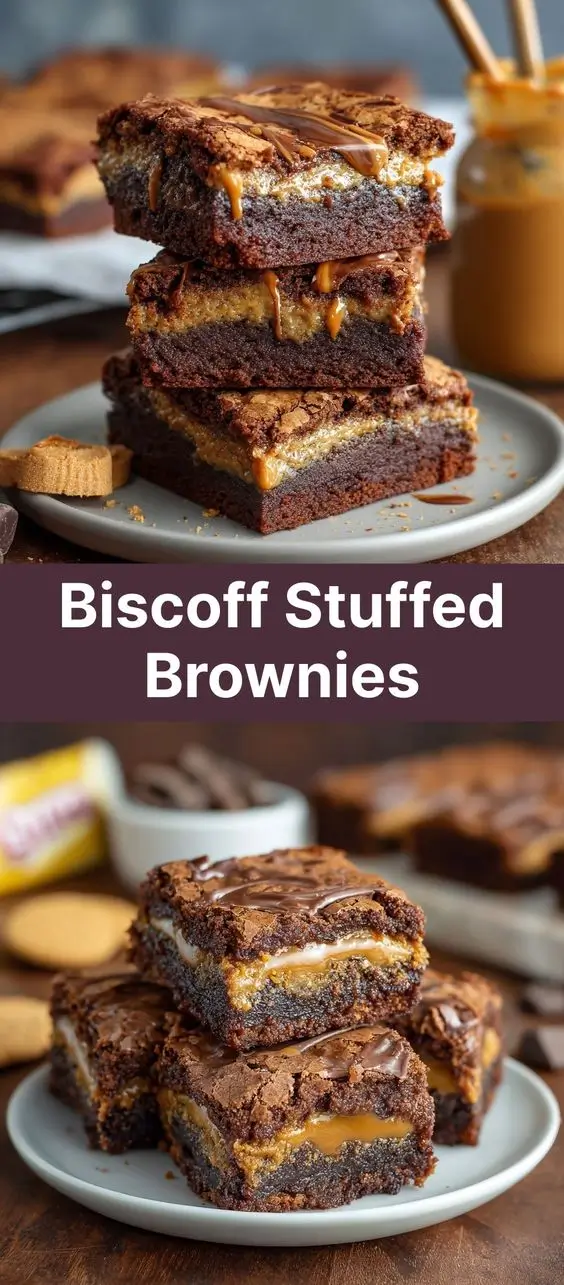
If you’re a fan of rich, fudgy brownies with an unexpected twist, then Biscoff Stuffed Brownies are about to become your new obsession. Combining the deep, velvety flavor of premium chocolate brownies with the warm, spiced sweetness of Biscoff cookie butter, this dessert is nothing short of indulgent perfection. Whether you’re serving them at a dinner party, packing them for a lunchbox treat, or simply satisfying a late-night craving, these brownies deliver on every level—moist crumb, gooey center, and that signature swirl of creamy Biscoff that melts in your mouth.
Originating from the ever-popular trend of incorporating European spreads into American desserts, Biscoff Stuffed Brownies exemplify how global flavors can unite in the most delicious ways. The contrast between the dense chocolate base and the luscious, cinnamon-hinted Biscoff core creates a symphony of textures and tastes that keeps people coming back for more. In this comprehensive guide, we’ll walk you through everything you need to know—from the history behind both brownies and Biscoff spread, to the science of ingredients, step-by-step instructions, health notes, variations, and expert tips to ensure bakery-quality results every time.
The History
The story of the brownie begins in the late 19th century, with its first known appearance credited to Bertha Palmer, for whom the Palmer House Hotel in Chicago was named. Supposedly, she requested a small, cake-like dessert for women attending the 1893 World’s Columbian Exposition, leading to what we now recognize as the original brownie—chewy, dense, and chocolate-rich. Over time, brownies evolved from simple baked squares into a canvas for creativity, welcoming add-ins like nuts, caramel, mint, and even sea salt.
On the other side of the culinary timeline lies Biscoff—the iconic Belgian spiced cookie known as speculoos. These crisp, cinnamon-laced biscuits have been enjoyed in Europe since the early 1900s, often served alongside coffee in cafes. In 2007, Lotus Bakeries revolutionized the way people consumed these cookies by introducing Biscoff Cookie Butter—a smooth, spreadable paste made from ground speculoos cookies, sugar, and vegetable oils. It quickly gained international fame, particularly after being served on flights by certain airlines, sparking a global craze.
The fusion of Biscoff and brownies emerged during the 2010s, amid the peak of foodie culture and social media sharing. Food bloggers and home bakers began experimenting with stuffing brownies with Biscoff, swirling it into batters, or layering it beneath chocolate toppings. The result? A match made in dessert heaven. Today, Biscoff Stuffed Brownies are celebrated not only for their taste but also for their nostalgic warmth—evoking memories of childhood treats and cozy kitchen moments.
Ingredients Breakdown
To create truly exceptional Biscoff Stuffed Brownies, understanding each ingredient’s role is crucial. Let’s take a detailed look at what goes into this decadent dessert and why it matters:
- Unsalted Butter (½ cup / 115g): Provides moisture and richness while enhancing the melt-in-your-mouth texture. Using unsalted butter allows control over sodium levels.
- Dark Chocolate (6 oz / 170g), chopped: High cocoa content (preferably 60–70%) ensures a deep chocolate flavor without excessive sweetness. Melting it with butter creates a glossy base for the batter.
- Granulated Sugar (1 cup / 200g): Sweetens the brownies and contributes to their signature crackly top. It also helps retain moisture during baking.
- Brown Sugar (½ cup / 100g): Adds molasses depth and enhances chewiness. The combination of white and brown sugar balances sweetness and texture.
- Large Eggs (3), room temperature: Act as binders and leavening agents. Room-temperature eggs incorporate more smoothly, preventing curdling when mixed with melted chocolate.
- Vanilla Extract (2 tsp): Enhances overall flavor complexity and rounds out the sweetness with aromatic warmth.
- All-Purpose Flour (¾ cup / 95g): Provides structure without making the brownies cakey. Sifted to avoid lumps and overmixing.
- Cocoa Powder (¼ cup / 20g), unsweetened: Boosts chocolate intensity and contributes to a fudgy consistency.
- Salt (½ tsp): Balances sweetness and heightens all other flavors. Essential for depth.
- Baking Powder (¼ tsp, optional): Some recipes include a tiny amount for slight lift, though traditional fudgy brownies omit it.
- Biscoff Cookie Butter (¾ cup / 180g), chilled: The star of the show. Chilling ensures clean insertion into the batter and prevents premature melting. Its spiced profile complements chocolate beautifully.
- Optional Add-ins: Chopped Biscoff cookies, chocolate chunks, crushed peanuts, or a drizzle of extra Biscoff on top for garnish.
Step-by-Step Recipe
Follow these meticulous steps to achieve perfectly fudgy Biscoff Stuffed Brownies with a professional finish.
- Preheat & Prepare: Preheat your oven to 350°F (175°C). Line an 8×8-inch baking pan with parchment paper, leaving overhang on two sides for easy removal. Lightly grease any exposed edges.
- Melt Chocolate and Butter: In a heatproof bowl set over a simmering pot of water (double boiler method), melt together the chopped dark chocolate and butter, stirring frequently until smooth. Remove from heat and let cool slightly.
- Mix Wet Ingredients: In a large mixing bowl, whisk together granulated sugar, brown sugar, and the melted chocolate mixture. Add eggs one at a time, whisking well after each addition until fully incorporated and glossy. Stir in vanilla extract.
- Combine Dry Ingredients: In a separate bowl, sift together flour, cocoa powder, salt, and baking powder (if using). This prevents clumping and ensures even distribution.
- Fold Dry Into Wet: Gradually add the dry ingredients to the wet mixture, folding gently with a spatula just until no streaks remain. Do not overmix—this keeps the brownies fudgy rather than cakey.
- Chill Biscoff: Place ¾ cup of Biscoff spread in a small bowl and refrigerate for 15–20 minutes until firm enough to shape into logs or balls. This step is critical to prevent leaking during baking.
- Portion and Stuff: Pour half of the brownie batter into the prepared pan and spread evenly. Take tablespoon-sized portions of chilled Biscoff and roll them into logs or ovals. Place them spaced apart on top of the batter. Carefully cover with the remaining batter, sealing around the edges to fully encase the Biscoff centers.
- Swirl (Optional): For a marbled effect, use a knife or skewer to gently swirl the top layer, being careful not to disturb the stuffed centers too much.
- Bake: Bake for 30–35 minutes, or until a toothpick inserted near the edge comes out with moist crumbs (not wet batter). The center should still feel soft—underbaking slightly ensures fudginess.
- Cool Completely: Allow brownies to cool in the pan on a wire rack for at least 2 hours. This sets the texture and makes cutting clean and neat.
- Cut and Serve: Lift the brownies out using the parchment overhang. Cut into squares with a sharp knife dipped in hot water for smooth edges. Wipe the blade between cuts.
Tips
- Use Quality Chocolate: Opt for high-quality dark chocolate bars instead of chips—they contain more cocoa butter and melt smoother.
- Don’t Overbake: Fudgy brownies are meant to be slightly underdone in the center. They continue to cook as they cool.
- Chill the Biscoff: Skipping this leads to leakage. You can freeze the Biscoff pieces briefly if needed.
- Avoid Overmixing: Once flour is added, mix only until combined. Overworking develops gluten, resulting in tough brownies.
- Room Temperature Eggs: Prevents the chocolate from seizing and ensures a uniform batter.
- Let Them Rest: Cooling is non-negotiable. Cutting too soon causes crumbling and messy layers.
- Storage Tip: Store in an airtight container at room temperature for up to 4 days or refrigerate for longer shelf life (bring to room temp before serving).
- Double Batch? Yes! Use a 9×13-inch pan and increase baking time by 5–10 minutes.
Variations and Customizations
While classic Biscoff Stuffed Brownies are divine on their own, feel free to get creative. Here are some inspired twists:
- Marble Swirl Version: Instead of stuffing, drop spoonfuls of Biscoff onto the surface of the poured batter and use a knife to create a marble pattern.
- Layered Bars: Create a bottom layer of Biscoff, followed by chocolate batter, then another thin layer of Biscoff on top before baking.
- White Chocolate Drizzle: After cooling, drizzle melted white chocolate mixed with a bit of Biscoff on top for visual appeal and extra flavor.
- Nutty Crunch: Fold chopped toasted pecans or walnuts into the batter for added texture.
- Spice Boost: Add a pinch of ground cinnamon, nutmeg, or ginger to the dry ingredients to amplify the Biscoff spice notes.
- Gluten-Free Option: Substitute all-purpose flour with a 1:1 gluten-free flour blend. Ensure cocoa powder is certified GF.
- Vegan Adaptation: Replace butter with vegan margarine, eggs with flax eggs (1 tbsp ground flax + 3 tbsp water per egg), and use dairy-free chocolate.
- Biscoff Cheesecake Swirl: Mix softened cream cheese with Biscoff and dollop over the batter before baking for a cheesecake-brownie hybrid.
- Mini Muffin Style: Bake in a lined muffin tin for individual-sized treats—perfect for parties!
- Ice Cream Sandwiches: Slice brownies in half horizontally and sandwich with Biscoff ice cream for an epic summer dessert.
Health Considerations and Nutritional Value
Biscoff Stuffed Brownies are undeniably indulgent, so enjoying them in moderation is key. Here’s a general nutritional breakdown per serving (based on 16 servings):
| Nutrient | Amount Per Serving |
|---|---|
| Calories | ~280 kcal |
| Total Fat | 18g |
| Saturated Fat | 9g |
| Cholesterol | 50mg |
| Sodium | 90mg |
| Total Carbohydrates | 29g |
| Dietary Fiber | 2g |
| Sugars | 22g |
| Protein | 3g |
Health Notes:
- Sugar Content: High due to both brownies and Biscoff. Consider reducing sugar slightly or using coconut sugar for a lower glycemic index alternative.
- Saturated Fat: Comes primarily from butter and chocolate. Moderate intake recommended, especially for those monitoring heart health.
- Gluten and Allergens: Contains wheat, dairy, eggs, and soy (in most chocolates and Biscoff). Always check labels if allergies are a concern.
- Energy Dense: Best enjoyed as an occasional treat rather than a daily snack.
- Antioxidants: Dark chocolate contains flavonoids, which may offer cardiovascular benefits in moderation.
Ingredients
- ½ cup (115g) unsalted butter
- 6 oz (170g) chopped dark chocolate (60–70% cocoa)
- 1 cup (200g) granulated sugar
- ½ cup (100g) packed brown sugar
- 3 large eggs, room temperature
- 2 teaspoons pure vanilla extract
- ¾ cup (95g) all-purpose flour
- ¼ cup (20g) unsweetened cocoa powder
- ½ teaspoon salt
- ¼ teaspoon baking powder (optional)
- ¾ cup (180g) Biscoff cookie butter, chilled
- Extra Biscoff cookies, crushed (for topping, optional)
Directions
- Preheat oven to 350°F (175°C). Line an 8×8-inch baking pan with parchment paper, allowing overhang on two sides. Grease lightly.
- In a double boiler, melt butter and dark chocolate together until smooth. Remove from heat and let cool for 5 minutes.
- In a large bowl, whisk sugars into the chocolate mixture. Add eggs one at a time, whisking well after each. Stir in vanilla.
- Sift flour, cocoa powder, salt, and baking powder (if using) into a separate bowl. Gradually fold into the wet ingredients until just combined.
- Refrigerate Biscoff for 15–20 minutes until firm. Roll into 8 small logs or ovals.
- Pour half the batter into the pan and spread evenly. Place Biscoff pieces on top, spacing them apart. Cover with remaining batter, sealing completely.
- Bake for 30–35 minutes until edges are set and center is slightly soft. A toothpick should come out with moist crumbs.
- Cool completely in the pan on a wire rack (minimum 2 hours).
- Lift out using parchment and cut into 16 squares with a hot, clean knife.
- Serve plain or garnish with extra Biscoff drizzle, crushed cookies, or sea salt flakes.
FAQ
Can I use creamy peanut butter instead of Biscoff?
Yes, but the flavor profile will change significantly. Biscoff has a unique spiced sweetness that peanut butter doesn’t replicate. For closer flavor, try almond butter mixed with cinnamon and honey.
Why did my Biscoff leak out?
Likely cause: Biscoff wasn’t chilled enough before baking. Always firm it in the fridge prior to use. Also, ensure it’s fully covered by batter.
Can I freeze Biscoff Stuffed Brownies?
Absolutely. Wrap individually in plastic and store in a freezer-safe container for up to 3 months. Thaw at room temperature for 1 hour before serving.
Is there a substitute for dark chocolate?
Semi-sweet works fine. Milk chocolate can be used but will make the brownies sweeter and less intense. Avoid chocolate chips for better melt quality.
Can I make these ahead of time?
Yes! These brownies actually improve in flavor after 24 hours as the Biscoff melds with the chocolate. Store in an airtight container at room temperature.
Do I need to line the pan?
Highly recommended. Parchment paper prevents sticking and allows effortless lifting. Aluminum foil sprayed with cooking spray can work in a pinch.
How do I get a shiny crust on top?
The “skin” forms when sugar and eggs are properly beaten. Whisk vigorously after adding eggs until the mixture is glossy and slightly thickened.
Can I add espresso powder?
Yes! A teaspoon of instant espresso enhances chocolate flavor without making it taste like coffee—great for adult palates.
Summary
Biscoff Stuffed Brownies combine luxuriously fudgy chocolate brownies with pockets of spiced, caramelized Biscoff cookie butter for a dessert that’s rich, aromatic, and utterly irresistible.
Perfect for special occasions or as a show-stopping treat, these brownies balance sweetness and depth with every gooey, melty bite—making them a modern classic in the world of gourmet baking.