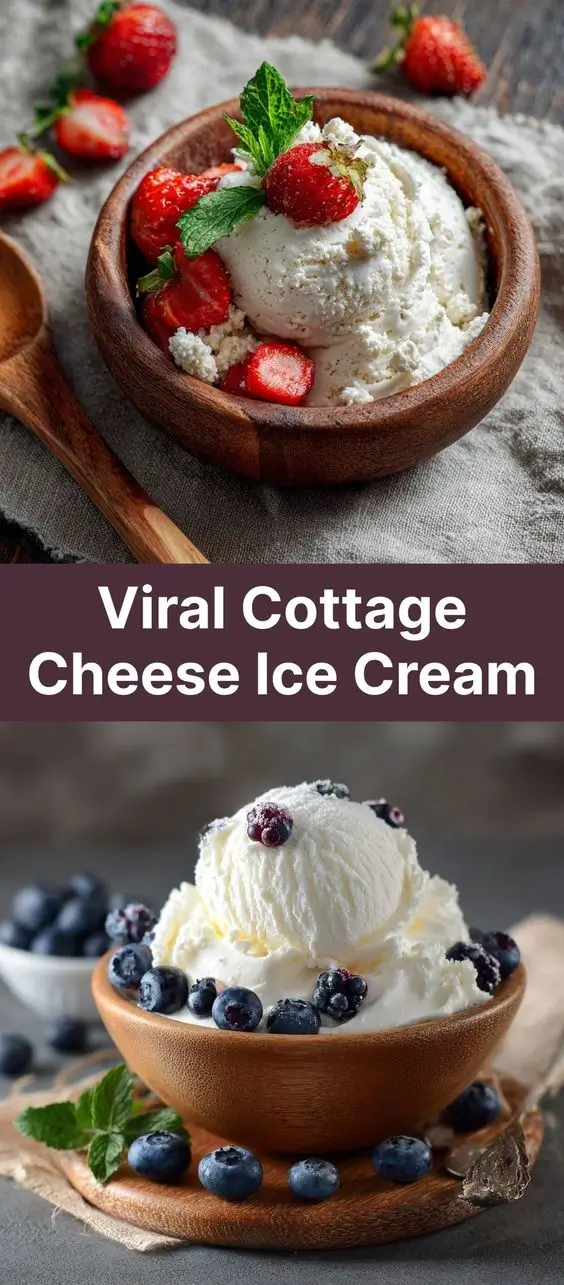
Viral Cottage Cheese Ice Cream: The Creamy, Protein-Packed Dessert Sensation Taking Over the Internet
The History: How a Simple Idea Became a Global Phenomenon
What began as a humble kitchen experiment by a fitness enthusiast looking for a healthier dessert alternative quickly spiraled into one of the most viral food trends of the decade. The origins of cottage cheese ice cream can be traced back to 2021, when a short-form video on a popular social media platform showcased a creamy, smooth, and surprisingly decadent frozen treat made primarily from blended cottage cheese. At first glance, many viewers were skeptical—how could lumpy cottage cheese possibly transform into something resembling premium ice cream?
But the creator’s secret was simple: high-speed blending. When pureed with a few key ingredients, cottage cheese loses its curdled texture and becomes luxuriously smooth. The video amassed millions of views within days, sparking curiosity across continents. Nutritionists praised its high protein and low sugar content, while home cooks marveled at how accessible and affordable the ingredients were. By 2022, #CottageCheeseIceCream had over half a billion views on TikTok alone, with variations popping up in kitchens from Seoul to São Paulo.
Today, this once-quirky recipe has cemented its place in modern dessert culture. Featured in major health magazines like Healthline, Women’s Health, and Prevention, it’s no longer just a diet dessert—it’s a culinary movement that redefines what indulgence can look like in the age of wellness.
Ingredients Breakdown: Why Each Component Matters
The magic of viral cottage cheese ice cream lies not only in its simplicity but in the functional role each ingredient plays. Let’s dive deep into the science and flavor profile behind every component:
- Cottage Cheese (Full-Fat or Low-Fat): The star of the show. Cottage cheese is packed with casein protein, which provides a slow-release energy source and contributes to muscle recovery. Its naturally mild flavor makes it an ideal base, absorbing other tastes without overpowering them. Full-fat versions lend extra creaminess, while low-fat keeps calories lower without sacrificing much texture when blended properly.
- Ripe Bananas (Frozen): A natural sweetener and thickening agent. When frozen, bananas develop an ice cream-like consistency upon blending. They add potassium, fiber, and subtle caramel notes that balance the tanginess of the cheese. Using overly ripe bananas ensures maximum sweetness and ease of blending.
- Heavy Cream or Coconut Cream (Optional): For those seeking a richer mouthfeel, adding a splash of heavy cream enhances silkiness. Dairy-free eaters can use full-fat coconut milk or cashew cream instead, introducing a tropical nuance and helping mimic the fat content missing in non-dairy blends.
- Pure Vanilla Extract: More than just flavor—vanilla contains vanillin, a compound known to enhance perceived sweetness, allowing you to reduce added sugars. Always opt for real extract over artificial flavoring for depth and authenticity.
- Honey, Maple Syrup, or Monk Fruit Sweetener: Adjusts sweetness to taste. Honey brings floral notes and slight viscosity; maple syrup adds earthy richness; monk fruit or stevia keeps it keto-friendly. These are optional based on preference and dietary goals.
- Lemon Juice (a pinch): A small amount brightens the overall flavor, cutting through any potential heaviness and balancing the dairy tang.
- Pinch of Salt: Enhances all flavors, acting as a flavor amplifier. It prevents the final product from tasting flat.
- Add-ins (Optional): Chocolate chips, crushed cookies, berries, nut butter swirls, espresso powder, cinnamon, or protein powder can elevate your creation into gourmet territory.
Step-by-Step Recipe: How to Make Perfect Viral Cottage Cheese Ice Cream at Home
Follow these detailed steps to create a scoopable, dreamy dessert that looks and tastes store-bought—but better, because you made it yourself.
- Prepare Your Ingredients: Peel and slice 2 large ripe bananas, then freeze them for at least 4–6 hours (preferably overnight). This ensures a firm, ice cream-like texture after blending. Use cottage cheese straight from the fridge for optimal chill.
- Choose Your Equipment: A high-speed blender or food processor works best. Standard blenders may struggle unless ingredients are pre-pureed. If using a food processor, pulse in short bursts to avoid overheating the motor.
- Add Base Ingredients: In the blender, combine:
- 1 cup (225g) full-fat or low-fat cottage cheese
- 1 frozen banana (or ½ if making single serving)
- 1–2 tablespoons heavy cream or coconut cream (optional)
- 1 teaspoon pure vanilla extract
- 1 tablespoon honey or preferred sweetener (adjust to taste)
- Pinch of sea salt
- Squeeze of lemon juice (about ¼ tsp)
- Blend Until Smooth: Start on low speed, gradually increasing to high. Scrape down sides as needed. Blend for 1–2 minutes until completely smooth, creamy, and free of lumps. The mixture should resemble soft-serve ice cream.
- Taste and Adjust: Pause blending and taste. Add more sweetener, vanilla, or lemon juice as desired. For chocolate version, blend in 1 tablespoon cocoa powder or melted dark chocolate.
- Churn or Freeze: For best texture:
- Option 1 – No-Churn Method: Transfer mixture to a freezer-safe container. Smooth top with a spatula. Cover with parchment paper touching the surface to prevent ice crystals. Freeze for 2–3 hours until firm.
- Option 2 – Ice Cream Maker: Pour mixture into a pre-chilled machine and churn according to manufacturer instructions (usually 20–25 minutes) for ultra-smooth results.
- Add Mix-Ins: If including chocolate chips, nuts, or cookie crumbles, fold them in during the last minute of churning or after transferring to the container before final freeze.
- Scoop and Serve: Let sit at room temperature for 5–7 minutes before scooping for easier serving. Garnish with fresh fruit, whipped cream, or a drizzle of nut butter.
Tips for Success: Mastering the Texture and Flavor
Even simple recipes can go wrong without the right techniques. Here’s how to ensure perfection every time:
- Freeze Bananas Properly: Slice before freezing and store in an airtight bag or container. Flash-freeze on a tray first to prevent clumping.
- Use Cold Ingredients: Chilled cottage cheese and frozen bananas help maintain structure and prevent melting during blending.
- Don’t Skip the Lemon Juice: It might seem negligible, but it cuts through richness and balances flavors beautifully.
- Blending is Key: Under-blending leaves graininess; over-blending can warm the mixture. Stop when silky and uniform.
- Avoid Watery Results: Drain excess liquid from cottage cheese if it seems too wet. Some brands are runnier than others.
- For Lower Fat Version: Replace heavy cream with Greek yogurt (unsweetened), which adds protein and creaminess without excess fat.
- Boost Protein Further: Stir in unflavored or vanilla whey/casein protein powder after blending (start with 1 scoop per batch).
- Storage Tip: Keeps well in the freezer for up to 2 weeks. Place plastic wrap directly on the surface to minimize freezer burn.
- Revive Stale Texture: If ice cream gets too hard, let it soften slightly, then re-blend or churn briefly before re-freezing.
Variations and Customizations: Endless Ways to Personalize Your Ice Cream
One reason this recipe went viral is its incredible versatility. Whether you’re vegan, keto, paleo, or just adventurous, there’s a version for everyone.
Flavor Variants
- Chocolate Lover’s Dream: Add 2 tbsp unsweetened cocoa powder + 1 pitted date or extra sweetener. Top with shaved dark chocolate.
- Peanut Butter Swirl: Swirl in 1–2 tbsp natural peanut butter after churning. Or blend 1 tbsp into base for full-on nutty flavor.
- Strawberry Cheesecake: Blend in ½ cup frozen strawberries + 1 tsp lemon zest. Fold in crushed graham crackers before freezing.
- Matcha Green Tea: Whisk 1 tsp culinary-grade matcha powder into cottage cheese before blending. Earthy, energizing, and vibrant green.
- Coffee Buzz: Mix in 1 tsp instant espresso powder or cold brew concentrate for a mocha twist.
- Cinnamon Roll: Add 1 tsp ground cinnamon + ¼ tsp nutmeg + swirl of vanilla glaze made from powdered erythritol and almond milk.
- Mint Chip: Blend in ¼ tsp peppermint extract (not mint!) + fold in sugar-free chocolate chips.
Dietary Adaptations
- Vegan Version: Swap cottage cheese with silken tofu or blended cashews (soaked). Use maple syrup and coconut cream. Flavor with vanilla and banana.
- Keto/Low-Carb: Omit banana. Use ½ avocado (frozen) + 1–2 eggs (cooked and chilled) or cream cheese base. Sweeten with monk fruit or erythritol. Add MCT oil for richness.
- Dairy-Free: Use plant-based cottage cheese alternatives (available in some health stores) or cashew cream base.
- Protein Powerhouse: Add collagen peptides or vanilla protein powder (up to 2 scoops). Pair with almond butter for balanced macros.
- Fruit-Only Sweetening: Skip added sugars entirely. Rely solely on frozen mango, pineapple, or medjool dates for sweetness.
Fun Serving Ideas
- Serve in waffle cones for nostalgia.
- Create ice cream sandwiches with oatmeal cookies or brownies.
- Top with granola and fresh berries for a parfait.
- Blend into a milkshake with almond milk and cacao nibs.
- Drizzle with homemade caramel (date-based for clean eating).
Health Considerations and Nutritional Value
Unlike traditional ice creams loaded with sugar and saturated fats, cottage cheese ice cream offers a nutritionally superior alternative—without compromising satisfaction.
Nutritional Highlights (Per Serving, Approximate)
| Nutrient | Amount | Benefits |
|---|---|---|
| Calories | 180–220 | Lower than premium ice cream (which averages 250–350 per serving) |
| Protein | 15–20g | Supports muscle repair, satiety, metabolism; ideal post-workout |
| Fat | 6–10g | Mainly from cottage cheese and optional cream; includes healthy fatty acids |
| Carbohydrates | 18–25g | Mostly from banana and natural sugars; fiber-rich sources help stabilize blood sugar |
| Sugar | 12–16g | Naturally occurring; significantly less than commercial ice cream (often 20g+) |
| Fiber | 2–3g | From banana and potential add-ins like berries or oats |
| Calcium | 20% DV | Essential for bone health, nerve function, and muscle contraction |
| Potassium | 10% DV | Helps regulate fluid balance and blood pressure |
Who Should Be Cautious?
- Lactose Intolerant Individuals: Cottage cheese contains lactose, though less than milk. Try lactose-free versions or plant-based substitutes.
- Those with Milk Allergies: Avoid entirely. Use tofu or nut-based bases instead.
- Low-Sodium Diets: Some cottage cheeses are high in sodium. Choose “low-sodium” labeled options.
- Keto Followers: Banana raises carb count. Substitute with avocado, egg yolks, or cream cheese base sweetened with zero-carb sweeteners.
Why It’s Great for Weight Management & Fitness Goals
This dessert supports various health objectives:
- High Satiety: Protein and fat keep you fuller longer, reducing cravings.
- Low Glycemic Impact: Especially when sweetened naturally and paired with fiber.
- Muscle Recovery: Casein in cottage cheese digests slowly, ideal for overnight repair.
- Mindful Indulgence: Lets you enjoy sweets without guilt, supporting long-term adherence to healthy eating patterns.
Ingredients (Standard Recipe – Serves 2)
- 1 cup (225g) full-fat or low-fat cottage cheese, chilled
- 2 large ripe bananas, peeled, sliced, and frozen overnight
- 2 tablespoons heavy cream or coconut cream (optional)
- 1 teaspoon pure vanilla extract
- 1–2 tablespoons honey, maple syrup, or monk fruit sweetener (to taste)
- Pinch of sea salt
- ¼ teaspoon fresh lemon juice
- (Optional) 1 tablespoon unsweetened cocoa powder, protein powder, or flavor extract
- (Optional mix-ins) Chocolate chips, crushed cookies, berries, nut butter
Directions
- Ensure bananas are fully frozen (at least 4–6 hours, preferably overnight).
- In a high-speed blender or food processor, add chilled cottage cheese, frozen banana slices, heavy cream (if using), vanilla extract, sweetener, salt, and lemon juice.
- Blend on low, then gradually increase to high speed. Process for 1–2 minutes, stopping to scrape down sides as needed, until completely smooth and creamy—similar to soft-serve texture.
- Taste and adjust sweetness or flavor as desired. Blend in any dry add-ins like cocoa or protein powder now.
- Transfer mixture to a loaf pan or freezer-safe container. Smooth the top with a spatula.
- Cover surface directly with parchment paper or plastic wrap to prevent ice crystals.
- Freeze for 2–3 hours, or until firm enough to scoop.
- If using an ice cream maker: pour mixture into machine and churn for 20–25 minutes. Fold in mix-ins during last 2 minutes.
- Transfer to container and freeze for another 1–2 hours for firmer texture.
- Let sit at room temperature for 5–7 minutes before scooping. Serve with toppings of choice.
FAQ (Frequently Asked Questions)
Does cottage cheese ice cream taste like cheese?
No—not when made correctly! Once blended with banana and flavorings, the tanginess fades into a creamy, neutral base that mimics traditional ice cream. Most first-time tasters are shocked it’s made from cottage cheese.
Can I make this without bananas?
Yes, but you’ll need a substitute for both sweetness and texture. Try frozen avocado (for creaminess), cooked and chilled cauliflower (mild flavor), or a combination of cream cheese and ice cubes with sweetener. Results vary, so experimentation is key.
Why is my ice cream grainy?
Under-blending is the usual culprit. Ensure you’re using a powerful blender and processing long enough. Also, colder ingredients blend smoother. If still grainy, strain through a fine sieve or use a Vitamix-style blender.
Can I use Greek yogurt instead of cottage cheese?
Absolutely! Greek yogurt makes a fantastic alternative with similar protein content and even creamier texture. Use plain, unsweetened variety and adjust sweetness accordingly.
How long does it keep in the freezer?
Up to 2 weeks. Beyond that, ice crystals may form and texture degrades. Always cover surface with parchment to preserve quality.
Is this safe for kids?
Yes! Many parents love this recipe as a way to sneak in protein and reduce added sugars. Kids often prefer it over regular ice cream—especially in chocolate or peanut butter versions.
Can I make it ahead for parties?
Definitely. Prepare up to 2 days in advance. Store in a decorative container, covered tightly. Let sit out 5–7 minutes before serving for easy scooping.
Do I need an ice cream maker?
No. The no-churn method works perfectly with a blender and freezer. An ice cream maker improves texture slightly but isn’t necessary for great results.
Can I add alcohol for an adult version?
Yes! A splash of Baileys, Kahlúa, or bourbon (1–2 tsp per serving) adds fun flair. Note: Alcohol lowers freezing point, so the ice cream will stay softer.
Is this suitable for meal prep?
Yes! Portion into individual containers for grab-and-go desserts. Ideal for post-gym snacks or late-night cravings without derailing goals.
Summary
Viral Cottage Cheese Ice Cream is a revolutionary dessert that combines high protein, minimal ingredients, and maximal flavor—all while being endlessly customizable and diet-friendly. From TikTok sensation to pantry staple, it proves healthy eating doesn’t mean sacrificing indulgence.
With just cottage cheese, frozen banana, and a blender, you can create a creamy, satisfying treat that supports fitness goals, pleases picky eaters, and dazzles guests—making it one of the most brilliant, simple food hacks of the modern era.