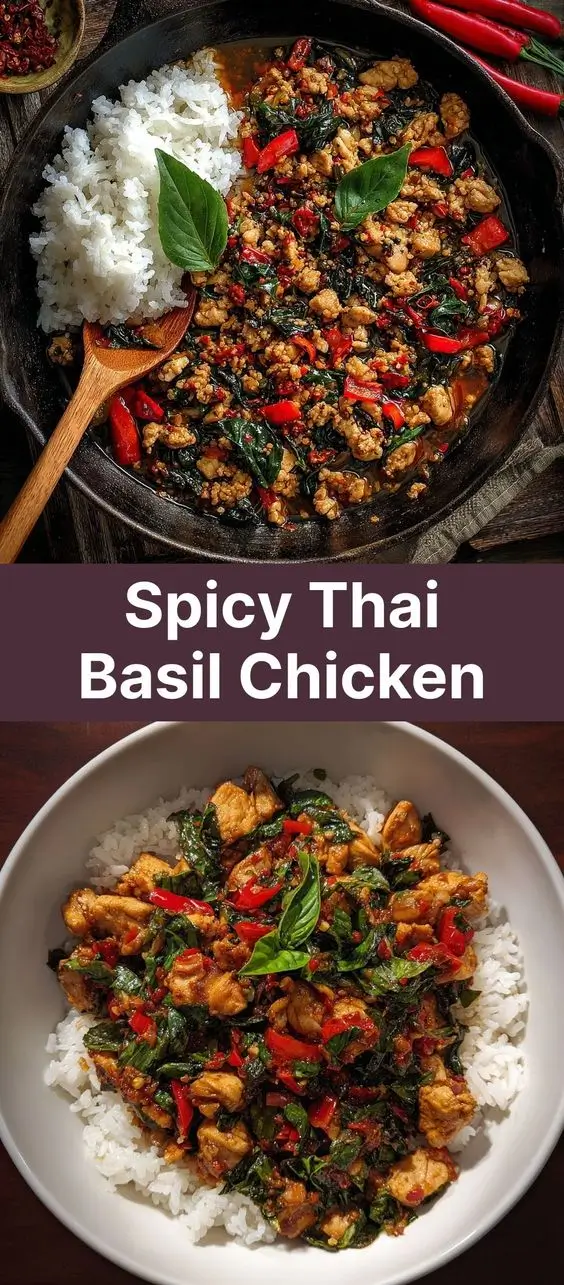
Spicy Thai Basil Chicken: A Flavorful Journey Through Thailand’s Beloved Stir-Fry
The History of Spicy Thai Basil Chicken
Spicy Thai Basil Chicken, known in Thai as Pad Kra Pao Gai (ผัดกระเพราไก่), is a quintessential dish in Thai cuisine that has captivated palates both within Thailand and across the globe. Originating from central Thailand, this sizzling stir-fry has long been a staple of street food culture, commonly found sizzling on woks at bustling night markets, roadside stalls, and local eateries throughout Bangkok and beyond. The dish embodies the core principles of Thai cooking—balancing sweet, salty, sour, spicy, and umami flavors in perfect harmony.
The use of holy basil (kra pao) distinguishes this dish from other stir-fries, giving it its unique aromatic depth and slightly peppery flavor. While chicken is the most common protein, variations using pork, beef, or even tofu are widespread, reflecting the dish’s adaptability. Historically, Pad Kra Pao emerged as a quick, affordable meal for laborers and city dwellers seeking bold flavor without spending hours in the kitchen. Over time, it evolved into a national favorite, often served with a fried egg on top and a side of jasmine rice, becoming emblematic of Thai comfort food.
In recent decades, Spicy Thai Basil Chicken has gained international acclaim, especially in Western countries where Thai restaurants have proliferated. Its popularity stems not only from its intense flavor profile but also from its relative simplicity and speed of preparation. Today, home cooks and professional chefs alike continue to celebrate and innovate upon this classic, ensuring its place as one of Thailand’s most iconic culinary exports.
Ingredients Breakdown: What Makes This Dish Sing?
The magic of Spicy Thai Basil Chicken lies in the synergy of its ingredients—each contributing to a complex tapestry of aroma, heat, and savory richness. Understanding each component helps elevate your cooking and allows for thoughtful substitutions without sacrificing authenticity.
- Chicken (Boneless, Skinless Thighs or Breast): Traditionally, chicken thighs are preferred for their juiciness and ability to absorb flavors. However, breast meat can be used for a leaner option, though care must be taken not to overcook it.
- Holy Basil (Kra Pao): This is non-negotiable for authenticity. Holy basil has a clove-like, slightly spicy aroma distinct from sweet or Italian basil. It wilts quickly and imparts a unique fragrance when exposed to high heat.
- Garlic: Freshly minced garlic forms the aromatic base of the dish, releasing pungent sweetness when sautéed.
- Shallots or Red Onion: Adds mild sweetness and texture. Shallots are more traditional, but red onion works well in a pinch.
- Bird’s Eye Chilies (Prik Kee Noo): These tiny but mighty chilies bring serious heat. Adjust quantity based on tolerance—usually 3–8 depending on spiciness desired.
- Fish Sauce (Nam Pla): The salty-umami backbone of the dish. Use a high-quality fish sauce for the best depth of flavor.
- Oyster Sauce: Adds a rich, slightly sweet thickness that coats the chicken beautifully.
- Soy Sauce (Light Soy): Enhances color and saltiness without overpowering. Some recipes use dark soy for deeper hue, but light soy is standard.
- Broth or Water: A small splash helps deglaze the pan and create a light sauce.
- Sugar (Palm Sugar Preferred): A touch balances the salt and heat. Palm sugar adds a caramel-like nuance, but brown or white sugar works.
- Vegetable or Peanut Oil: High smoke point oil ideal for stir-frying at high temperatures.
- Fried Egg (Optional but Traditional): Served on top, runny yolk acts as a luxurious sauce when broken.
- Jasmine Rice: The essential accompaniment, providing a fragrant, fluffy base to soak up the flavorful sauce.
Step-by-Step Recipe: How to Make Authentic Spicy Thai Basil Chicken
Follow these detailed steps to recreate an authentic, restaurant-quality Spicy Thai Basil Chicken in your own kitchen. Precision and timing are key—this dish cooks fast, so have all ingredients prepped and ready before you begin.
- Prep Ingredients: Dice 1 lb (450g) of boneless chicken into small, bite-sized pieces. Mince 4–6 cloves of garlic, slice 1–2 shallots (or 1/2 red onion), and finely chop 3–8 bird’s eye chilies (adjust to taste). Measure out 1/2 cup of loosely packed fresh holy basil leaves. Have sauces ready: 1.5 tbsp fish sauce, 1 tbsp oyster sauce, 1 tsp soy sauce, 1 tsp palm sugar (or brown sugar).
- Heat the Wok: Place a wok or large skillet over high heat until smoking hot. Add 2 tablespoons of vegetable or peanut oil, swirling to coat the surface evenly.
- Sauté Aromatics: Add the minced garlic, sliced shallots, and chilies. Stir-fry for 20–30 seconds until fragrant but not burnt. The aroma should be intense and inviting.
- Cook the Chicken: Add the diced chicken in a single layer if possible. Let it sear for 30 seconds before stirring. Stir-fry for 3–4 minutes, breaking up any clumps, until the chicken is fully cooked and lightly browned.
- Add Sauces: Pour in the fish sauce, oyster sauce, soy sauce, and sugar. Stir vigorously to coat the chicken evenly. The mixture will bubble and reduce quickly.
- Deglaze and Finish: Add 2–3 tablespoons of broth or water to loosen the sauce slightly. Continue cooking for another 1–2 minutes until the sauce thickens and clings to the chicken.
- Incorporate Holy Basil: Toss in the holy basil leaves and stir for 20–30 seconds until just wilted. The leaves should remain vibrant, not mushy. Remove from heat immediately to preserve their fragrance.
- Serve Immediately: Plate over a generous mound of steamed jasmine rice. Top with a freshly fried egg (sunny-side up or over-easy) for the full experience. Garnish with additional chilies or a lime wedge if desired.
Tips for the Perfect Spicy Thai Basil Chicken
- Use High Heat: Authentic texture comes from high-temperature stir-frying. A proper sear enhances flavor through Maillard browning.
- Prep Everything in Advance: Stir-frying is fast—once you start, there’s no time to chop or measure.
- Don’t Substitute Holy Basil Lightly: Sweet basil lacks the necessary spice and aroma. If unavailable, look for frozen holy basil or grow your own. Thai grocery stores often carry fresh bunches.
- Adjust Heat Gradually: Start with fewer chilies and add more next time. You can always increase spice, but you can’t take it away.
- Keep Chicken Moist: Thighs retain moisture better than breasts. If using breast, cut uniformly and avoid overcooking.
- Fresh Eggs Matter: A runny yolk complements the spicy-savory chicken perfectly. Use pasture-raised eggs for richer flavor and color.
- Wok Technique: Use a tossing motion to ensure even cooking. If using a skillet, stir constantly with a spatula.
- Serve Immediately: This dish degrades quickly. Serve right after cooking for optimal aroma and texture.
Variations and Customizations
While traditional Spicy Thai Basil Chicken uses chicken, the recipe is highly adaptable to different proteins, dietary needs, and flavor preferences.
- Protein Swaps: Try ground pork (very common), thinly sliced beef, shrimp, squid, or even crispy tofu for a vegetarian version.
- Vegan Option: Replace fish sauce with soy sauce or vegan fish sauce, omit oyster sauce or use mushroom-based alternative, and use tofu or tempeh.
- Low-Sodium Version: Use reduced-sodium fish sauce and oyster sauce, or dilute with extra broth. Increase garlic and chili for flavor compensation.
- Extra Vegetables: Add bell peppers, green beans, zucchini, or baby corn during stir-fry for added nutrition and crunch.
- Gluten-Free: Ensure oyster sauce is gluten-free (many are), and use tamari instead of soy sauce.
- Different Basils: In absence of holy basil, a mix of sweet basil and a few mint leaves can mimic complexity, though not identical.
- Regional Twists: Northern Thai versions may include fermented soybean paste; Southern styles might be even spicier with turmeric or shrimp paste.
- Noodle Version: Serve over rice noodles or glass noodles instead of rice for a different texture.
Health Considerations and Nutritional Value
Spicy Thai Basil Chicken can be a nutritious and balanced meal when prepared thoughtfully. Here’s a breakdown of its health aspects:
- High Protein: Chicken provides lean protein essential for muscle repair and satiety. One serving (without rice) offers about 25–30g of protein.
- Low Carb (Without Rice): The stir-fry itself is low in carbohydrates, making it suitable for low-carb or keto diets when served with cauliflower rice.
- Rich in Antioxidants: Chilies contain capsaicin, which may boost metabolism and reduce inflammation. Garlic supports immune function.
- B-Vitamins and Minerals: Chicken is rich in B6, niacin, and selenium. Holy basil contains eugenol, which has anti-inflammatory properties.
- Sodium Content: Fish sauce and oyster sauce are high in sodium. A typical serving may contain 800–1200mg sodium. To reduce, use less sauce or opt for low-sodium versions.
- Healthy Fats: When topped with a fried egg, you gain healthy fats and choline, important for brain health. Use minimal oil to keep fat content in check.
- Calorie Count: Approximately 350–450 calories per serving (with rice and egg), depending on oil and portion size.
- Digestive Benefits: The spiciness can stimulate digestion, though those with acid reflux or ulcers should consume cautiously.
Ingredients
- 1 lb (450g) boneless, skinless chicken thighs, finely diced
- 4–6 cloves garlic, minced
- 1–2 shallots, thinly sliced (or 1/2 red onion)
- 3–8 bird’s eye chilies, finely chopped (to taste)
- 1/2 cup fresh holy basil leaves (kra pao)
- 2 tbsp vegetable or peanut oil
- 1.5 tbsp fish sauce (nam pla)
- 1 tbsp oyster sauce
- 1 tsp light soy sauce
- 1 tsp palm sugar (or brown sugar)
- 2–3 tbsp chicken broth or water
- 4 large eggs (for frying, optional)
- 4 cups steamed jasmine rice (for serving)
- Lime wedges (for garnish)
Directions
- Prepare all ingredients before starting. Dice chicken, mince garlic, slice shallots, chop chilies, measure sauces, and set aside holy basil.
- Heat a wok or large skillet over high heat until very hot. Add oil and swirl to coat.
- Add garlic, shallots, and chilies. Stir-fry for 20–30 seconds until fragrant.
- Add chicken and spread into a single layer. Let sear for 30 seconds, then stir-fry for 3–4 minutes until cooked through.
- Pour in fish sauce, oyster sauce, soy sauce, and sugar. Stir well to combine.
- Add broth or water and cook for 1–2 minutes until sauce reduces and coats the chicken.
- Stir in holy basil leaves and cook for 20–30 seconds until just wilted.
- Remove from heat immediately.
- In a separate pan, fry eggs sunny-side up or over-easy with a little oil.
- To serve, place a scoop of jasmine rice on each plate, top with spicy basil chicken, and crown with a fried egg. Garnish with lime wedges and extra chilies if desired.
FAQ
- Can I use ground chicken?
- Absolutely! Ground chicken works well and cooks even faster. Just break it up as it browns.
- What if I can’t find holy basil?
- Try a mix of sweet basil and a few mint leaves. While not authentic, it approximates the herbal complexity. Look for frozen holy basil online or at Asian markets.
- Is this dish supposed to be very spicy?
- Traditional Pad Kra Pao is quite spicy, but you can adjust chili levels to suit your taste. Start with 2–3 chilies and increase over time.
- Can I make it ahead of time?
- The stir-fry is best fresh, but you can prep ingredients in advance. Reheat gently, adding a splash of water, and toss in fresh basil at the end.
- Why is my sauce too salty?
- Overuse of fish or oyster sauce is common. Balance with a bit more sugar or serve with extra rice. Taste as you go!
- Can I bake the egg instead of frying?
- Yes—bake at 350°F (175°C) for 10–12 minutes for a soft yolk, or poach for a cleaner option.
- Is this dish gluten-free?
- It can be—use gluten-free oyster sauce and tamari instead of soy sauce. Check labels carefully.
- How do I store leftovers?
- Cool quickly and refrigerate in an airtight container for up to 3 days. Reheat in a pan with a splash of water. Note: basil may lose potency.
Summary
Spicy Thai Basil Chicken is a fiery, aromatic stir-fry that delivers bold flavors in minutes, combining tender chicken, pungent chilies, and fragrant holy basil in perfect harmony. Served over jasmine rice with a runny fried egg, it’s a satisfying meal that captures the soul of Thai street food.