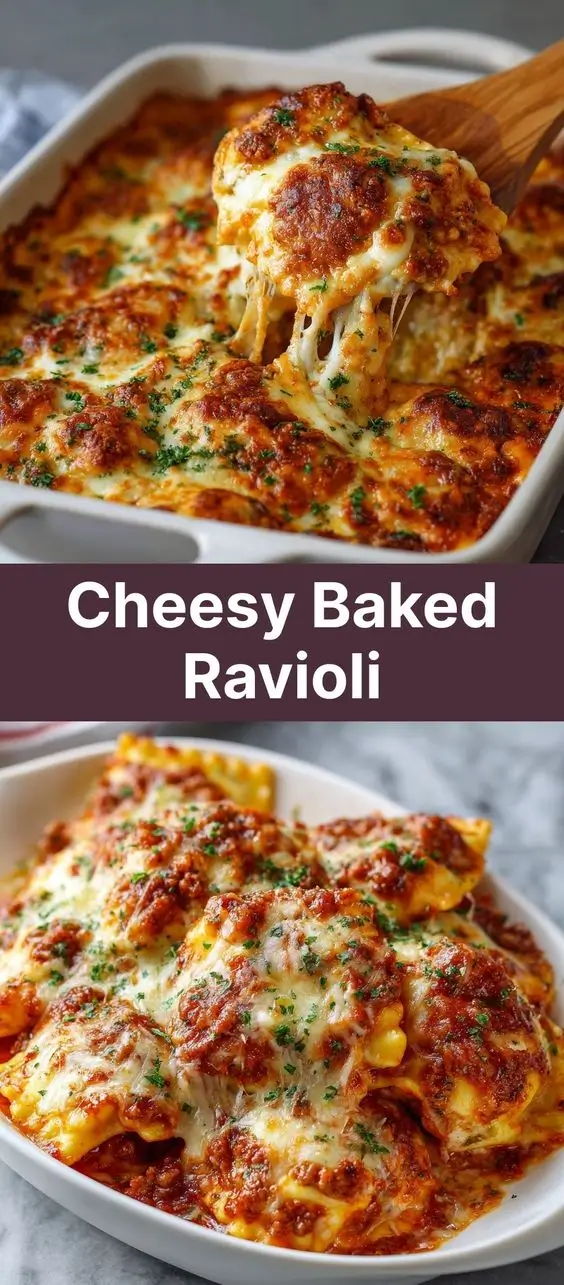
Cheesy Baked Ravioli: A Comforting Classic with a Creamy Twist
The History of Cheesy Baked Ravioli
The origins of ravioli can be traced back to medieval Italy, where early versions were mentioned in Italian cookbooks as far back as the 14th century. The word “ravioli” likely comes from the Italian word ravolgere, meaning “to wrap” or “to turn,” which perfectly describes how this stuffed pasta is made—encasing rich fillings like ricotta, spinach, or meat in tender pasta dough. While traditional ravioli was often served in broth or with simple sauces, baked pasta dishes began gaining popularity across Europe during the 18th and 19th centuries.
Baked ravioli, particularly in its cheesy form, evolved through Italian-American culinary traditions. Immigrants brought their love for fresh pasta to the United States, where it merged with American tastes for hearty, oven-baked casseroles. By the mid-20th century, especially with the rise of convenience foods, canned tomato sauces and pre-made frozen ravioli became staples in American kitchens. This led to the creation of Cheesy Baked Ravioli—a casserole-style dish that layers ravioli with marinara sauce, gooey mozzarella, and creamy ricotta or Alfredo sauce, then bakes it until golden and bubbling.
Today, Cheesy Baked Ravioli is a beloved comfort food found on family dinner tables, church potlucks, and restaurant menus across North America. Its appeal lies in its simplicity, rich flavors, and versatility. Whether made with homemade ravioli or store-bought, it’s a dish that brings warmth, nostalgia, and satisfaction with every bite.
Ingredients Breakdown: What Makes This Dish So Irresistible?
The magic of Cheesy Baked Ravioli lies in its harmonious blend of textures and flavors. Each ingredient plays a crucial role in building the dish’s comforting profile. Here’s a detailed breakdown:
- Ravioli: The star of the show. You can use fresh, refrigerated, frozen, or even dry shelf-stable ravioli. Cheese-filled ravioli are most popular, but spinach-cheese, mushroom, or meat varieties work beautifully too. They provide a soft, pillowy base that absorbs the sauce while maintaining structure during baking.
- Marinara Sauce: A rich, tangy tomato-based sauce forms the savory backbone. Homemade sauce offers depth, but high-quality jarred versions save time without sacrificing flavor. Look for one with herbs like basil, oregano, and garlic.
- Mozzarella Cheese: Freshly shredded low-moisture mozzarella melts into long, gooey strands, creating that iconic cheese pull. Avoid pre-shredded cheese if possible—it contains anti-caking agents that can inhibit smooth melting.
- Ricotta Cheese: Adds creaminess and a mild, slightly sweet contrast. Whole-milk ricotta gives the richest texture. Some recipes layer it directly; others mix it with Parmesan and herbs for extra flavor.
- Parmesan Cheese: Sharp, salty, and nutty, freshly grated Parmesan enhances umami and adds complexity. It also helps brown the top layer beautifully.
- Creamy Additions (Optional): Some variations include Alfredo sauce, heavy cream, or béchamel for an ultra-rich, decadent twist. These balance the acidity of the tomatoes and add luxurious mouthfeel.
- Fresh Herbs: Basil and parsley are commonly used. Fresh basil adds a bright, aromatic note, while parsley lends freshness and color when sprinkled on top after baking.
- Garlic and Onion: Sautéed finely and added to the sauce, they deepen the flavor profile and add savory complexity.
- Olive Oil: Used for sautéing aromatics and sometimes drizzled on top before baking for richness and sheen.
- Spices and Seasonings: Red pepper flakes for heat, black pepper for spice, and dried oregano or Italian seasoning for herbal warmth.
Step-by-Step Recipe: How to Make Cheesy Baked Ravioli at Home
Follow this detailed guide to create a foolproof, crowd-pleasing Cheesy Baked Ravioli that’s crispy on top, creamy inside, and packed with flavor.
Ingredients
- 2 (18 oz) packages cheese-filled ravioli (fresh or frozen)
- 2 (24 oz) jars marinara sauce (or 6 cups homemade)
- 3 cups shredded low-moisture mozzarella cheese
- 1 ½ cups whole-milk ricotta cheese
- 1 cup freshly grated Parmesan cheese
- 1 tablespoon olive oil
- 4 cloves garlic, minced
- 1 small onion, finely diced
- ¼ cup chopped fresh basil
- 2 tablespoons chopped fresh parsley
- 1 teaspoon dried oregano
- ½ teaspoon red pepper flakes (optional)
- Salt and black pepper to taste
- 1 cup heavy cream or Alfredo sauce (optional, for creamier version)
Directions
- Preheat Oven: Set your oven to 375°F (190°C). Lightly grease a 9×13-inch baking dish with non-stick spray or olive oil.
- Cook the Ravioli: Bring a large pot of salted water to a boil. Add ravioli and cook according to package instructions—usually 3–5 minutes for fresh, 7–10 for frozen. Do not overcook; they should be al dente since they’ll bake further. Drain gently and set aside.
- Prepare the Sauce: In a large saucepan, heat olive oil over medium heat. Add onions and sauté for 3–4 minutes until translucent. Add garlic and cook for 30 seconds until fragrant. Pour in the marinara sauce, stir in oregano, red pepper flakes, salt, and pepper. Simmer for 10 minutes. For extra richness, stir in heavy cream or Alfredo sauce at this stage.
- Combine Ricotta Mixture: In a small bowl, mix ricotta, ½ cup Parmesan, 2 tablespoons parsley, and 1 tablespoon basil. Season with a pinch of salt and pepper.
- Assemble the Casserole: Spread 1 cup of sauce evenly on the bottom of the baking dish. Arrange half of the cooked ravioli in a single layer. Spoon half of the remaining sauce over the ravioli. Dollop half of the ricotta mixture in spoonfuls across the surface. Sprinkle with 1 cup mozzarella. Repeat the layers: ravioli, sauce, ricotta, mozzarella. Finish with a final layer of ravioli, the rest of the sauce, and top with remaining mozzarella and Parmesan.
- Bake: Cover the dish with aluminum foil (tent it slightly to prevent cheese from sticking). Bake for 20 minutes. Remove the foil and bake for another 15–20 minutes, until the cheese is golden, bubbly, and slightly crisp at the edges.
- Rest and Serve: Let the baked ravioli rest for 5–10 minutes before serving. This allows the layers to set and prevents the dish from collapsing when scooped. Garnish with extra fresh basil and parsley.
Expert Tips for Perfect Cheesy Baked Ravioli
- Don’t Overcook the Ravioli: Since the pasta will continue to absorb moisture and cook in the oven, boiling them to al dente ensures they don’t turn mushy.
- Use Freshly Grated Cheese: Pre-shredded cheese contains cellulose, which can make the melted cheese grainy or less cohesive. Freshly grate your mozzarella and Parmesan for the best texture.
- Add Moisture if Needed: If using dry ravioli (shelf-stable), you may need a bit more sauce to prevent the dish from drying out. Consider adding a splash of pasta water or broth to the sauce.
- Layer Thoughtfully: Distribute the ricotta in dollops rather than spreading it to create pockets of creaminess throughout the dish.
- Boost Flavor: Sauté a carrot with the onions for natural sweetness, or add a splash of balsamic vinegar to the sauce for depth.
- Crispy Top Tip: For an extra-golden crust, broil for 2–3 minutes at the end—watch closely to avoid burning.
- Make Ahead: Assemble the dish up to a day in advance, cover, and refrigerate. Add 10–15 minutes to the covered baking time if starting cold.
Variations and Customizations: Make It Your Own
Cheesy Baked Ravioli is incredibly versatile. Here are creative ways to adapt it to different tastes, diets, and occasions:
- Vegetarian Delight: Stick with cheese or spinach ravioli and load up on roasted vegetables like zucchini, bell peppers, mushrooms, or sun-dried tomatoes in the sauce.
- Meat Lover’s Version: Add cooked Italian sausage, ground beef, or pepperoni to the sauce. Brown and drain the meat before mixing it into the marinara.
- Seafood Twist: Use lobster or crab ravioli with a white wine cream sauce and top with Gruyère instead of mozzarella for a gourmet touch.
- White Sauce Style: Replace marinara with a creamy Alfredo or béchamel sauce. Mix in sautéed spinach and artichokes for a luxurious, decadent dish.
- Gluten-Free: Use gluten-free ravioli (widely available in stores) and ensure your sauce is GF-certified. Most tomato sauces are naturally gluten-free.
- Dairy-Free: Substitute with plant-based cheeses and dairy-free ricotta alternatives. Nutritional yeast can add a cheesy flavor.
- Low-Carb/Keto Option: Use keto-friendly ravioli made with almond or coconut flour, or substitute with thinly sliced zucchini or eggplant layers for a lasagna-style presentation.
- Mini Versions: Use bite-sized ravioli and bake in muffin tins for individual portions—perfect for parties or meal prep.
- Breakfast Bake: Combine egg ravioli with a creamy cheese sauce, top with cheddar, and serve with salsa or avocado on the side.
Health Considerations and Nutritional Value
While Cheesy Baked Ravioli is undeniably indulgent, it can be adapted to fit various dietary needs and enjoyed in moderation as part of a balanced diet.
Nutritional Highlights (per serving, approx. 1/6 of recipe):
- Calories: ~550–650 kcal
- Protein: 25–30g (from cheese, pasta, and optional meat)
- Carbohydrates: 60–70g (primarily from pasta)
- Fats: 25–30g (saturated fat from cheese and cream)
- Calcium: High (from dairy ingredients)
- Sodium: Can be high due to cheese and jarred sauce—opt for low-sodium versions if needed.
Healthier Modifications:
- Use whole wheat or legume-based ravioli for added fiber and protein.
- Choose low-fat ricotta and part-skim mozzarella to reduce saturated fat.
- Enhance nutrition by stirring finely chopped spinach, kale, or mushrooms into the sauce.
- Control portion sizes—serve with a large green salad and garlic bread on the side for a balanced meal.
- Limit added salt by using fresh herbs, garlic, and no-salt-added sauces.
Frequently Asked Questions (FAQ)
Can I use frozen ravioli without thawing?
Yes! Cook frozen ravioli directly in boiling water until al dente. There’s no need to thaw beforehand.
Can I make this ahead of time?
Absolutely. Assemble the dish, cover tightly, and refrigerate for up to 24 hours. Add 10–15 minutes to the baking time if starting cold. You can also freeze the unbaked casserole for up to 3 months—thaw in the fridge before baking.
Why did my baked ravioli turn out dry?
This usually happens if there wasn’t enough sauce or if the ravioli were overcooked initially. Always ensure generous sauce coverage and use al dente pasta.
Can I reheat leftovers?
Yes. Store in an airtight container in the fridge for up to 4 days. Reheat in the oven at 350°F for 15–20 minutes or in the microwave in short bursts, adding a splash of water or sauce to retain moisture.
What can I serve with Cheesy Baved Ravioli?
Classic pairings include garlic bread, Caesar salad, roasted vegetables, or a simple arugula salad with lemon vinaigrette.
Can I use no-boil ravioli?
Some brands offer no-boil ravioli designed for baking. If using these, increase the sauce quantity slightly to ensure enough moisture during baking.
Summary
Cheesy Baked Ravioli is a heartwarming, crowd-pleasing dish that combines tender pasta, rich sauce, and layers of melty cheese into one irresistible casserole.
Easy to customize and perfect for weeknight dinners or special gatherings, it’s comfort food at its finest—creamy, cheesy, and deeply satisfying with every bite.