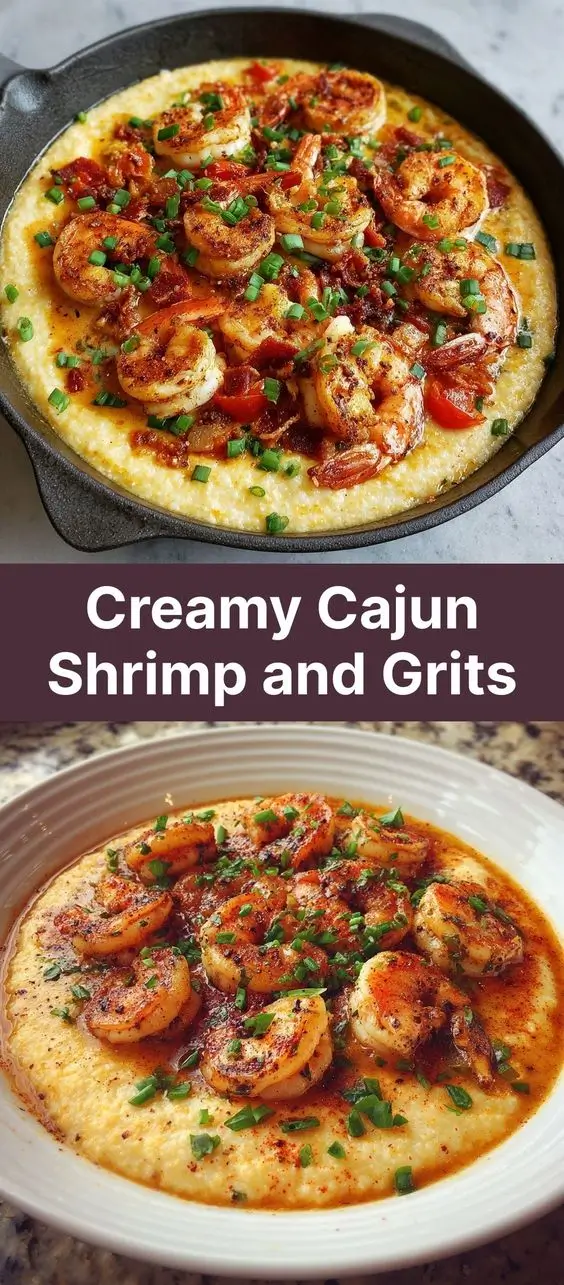
Creamy Cajun Shrimp and Grits: A Southern Comfort Classic with a Spicy Kick
The History of Shrimp and Grits
Shrimp and grits is a beloved dish that traces its roots deep into the culinary traditions of the American South, particularly along the Lowcountry regions of South Carolina and Georgia. Originally a staple among coastal fishermen, the dish began as a humble breakfast fare—simple, hearty, and resourceful. Fishermen would use freshly caught shrimp and combine them with creamy stone-ground grits, a corn-based porridge that has long been a cornerstone of Southern cuisine since pre-colonial times, introduced by Native Americans.
Over time, shrimp and grits evolved from a regional breakfast into a celebrated entrée enjoyed at any time of day. In the 1980s and 1990s, chefs in Charleston and Savannah began elevating the dish with gourmet ingredients and Creole-Cajun influences, transforming it into a sophisticated plate served in fine dining restaurants across the South and beyond. The infusion of Cajun spices brought a bold new dimension to the original recipe, giving rise to what we now know as Creamy Cajun Shrimp and Grits.
This modern version blends the rustic comfort of creamy grits with the fiery, aromatic flavors of Cajun seasoning—smoked paprika, cayenne pepper, garlic, onion, and herbs—creating a rich, complex flavor profile that dances on the palate. Today, it stands as a symbol of Southern innovation and cultural fusion, marrying African, French, Spanish, and Native American culinary traditions into one unforgettable bite.
Ingredients Breakdown: What Makes This Dish Shine
The magic of Creamy Cajun Shrimp and Grits lies not only in its bold taste but also in the harmony of its components. Each ingredient plays a vital role, contributing texture, depth, and balance to create a luxurious yet comforting meal.
Grits (Polenta Base)
Traditional Southern grits are made from coarsely ground hominy—corn treated with an alkali solution in a process called nixtamalization, which enhances nutrition and flavor. Stone-ground grits are preferred for their superior texture and nutty taste. When cooked slowly with liquid, they become luxuriously creamy without turning gummy or gluey.
Fresh Gulf Shrimp
The star of the show! Medium to large peeled and deveined shrimp (preferably wild-caught Gulf shrimp) provide sweet, succulent bites that cook quickly and absorb the bold Cajun seasoning beautifully. Their natural sweetness contrasts perfectly with the spicy, smoky sauce.
Cajun Seasoning
A blend typically featuring paprika, garlic powder, onion powder, cayenne pepper, black pepper, thyme, and oregano. This spice mix delivers heat, earthiness, and aroma. You can use store-bought or make your own homemade blend for a fresher, more vibrant flavor.
Dairy Components
- Butter: Adds richness and helps bloom the spices.
- Heavy Cream: Creates a velvety sauce base that clings to both shrimp and grits.
- Cheese (optional): Sharp cheddar or Parmesan adds umami and depth to the grits.
Aromatics
Onion, bell pepper, celery (the “Holy Trinity” of Cajun cooking), garlic, and green onions form the aromatic foundation. Sautéed until soft and fragrant, they lend sweetness and complexity to the dish.
Liquid Base
A combination of chicken broth and water ensures flavorful, well-seasoned grits. Some recipes use all broth for maximum flavor intensity.
Acidic Finish
Lemon juice or a splash of white wine vinegar brightens the final dish, cutting through the richness and balancing the heat.
Step-by-Step Recipe: How to Make Creamy Cajun Shrimp and Grits
Follow this detailed guide to prepare a restaurant-quality bowl of Creamy Cajun Shrimp and Grits right in your home kitchen.
Ingredients
- 1 cup stone-ground yellow grits (or quick-cooking if needed)
- 4 cups low-sodium chicken broth
- 1 cup water
- 1 cup heavy cream
- 1/2 cup shredded sharp cheddar cheese (optional)
- 4 tablespoons unsalted butter, divided
- 1 pound large shrimp (31–40 count), peeled and deveined
- 2 teaspoons Cajun seasoning (plus more to taste)
- 1 medium yellow onion, diced
- 1 bell pepper (red or green), diced
- 2 celery stalks, diced
- 4 cloves garlic, minced
- 1/2 cup sliced green onions (scallions)
- 1/2 teaspoon smoked paprika
- 1/4 teaspoon red pepper flakes (optional, for extra heat)
- 1/2 cup dry white wine (optional)
- 1 tablespoon tomato paste (optional, for depth)
- Juice of 1 lemon
- Salt and freshly ground black pepper, to taste
- Fresh parsley, chopped (for garnish)
Directions
- Prepare the Grits: In a medium saucepan, bring chicken broth and water to a boil over high heat. Slowly whisk in the grits to prevent clumping. Reduce heat to low and simmer, stirring frequently, for 20–25 minutes (or according to package instructions). If using quick grits, reduce time to 5–7 minutes. Stir occasionally to avoid sticking.
- Creamy Enrichment: Once the grits are tender and thickened, stir in heavy cream, 2 tablespoons of butter, and cheddar cheese (if using). Continue cooking on low for another 3–5 minutes until smooth and creamy. Cover and keep warm.
- Sauté the Holy Trinity: While grits cook, heat 2 tablespoons of butter in a large skillet over medium heat. Add onion, bell pepper, and celery. Cook for 6–8 minutes until softened and lightly caramelized.
- Add Garlic and Spices: Stir in minced garlic, smoked paprika, red pepper flakes, and 2 teaspoons of Cajun seasoning. Cook for 1 minute until fragrant. Avoid burning the garlic.
- Optional Depth Enhancer: Stir in tomato paste and cook for 1 minute to deepen the flavor. For a lighter version, skip this step.
- Wine Deglaze (Optional): Pour in white wine, scraping up any browned bits from the bottom of the pan. Simmer until reduced by half, about 3–4 minutes.
- Cook the Shrimp: Pat shrimp dry and season lightly with salt and additional Cajun seasoning. Push vegetables to one side of the skillet and add remaining 2 tablespoons of butter. Once melted, add shrimp in a single layer. Cook for 1–2 minutes per side until opaque and pink. Do not overcook.
- Combine and Finish: Gently toss shrimp with the vegetable mixture. Drizzle with lemon juice and sprinkle in green onions. Taste and adjust seasoning—add more Cajun spice, salt, or heat as desired.
- Assemble the Dish: Spoon a generous portion of warm, creamy grits into each bowl. Top with a hearty scoop of the spicy Cajun shrimp mixture. Garnish with fresh parsley and extra green onions.
- Serve Immediately: This dish is best enjoyed hot, while the grits are silky and the shrimp are juicy and flavorful.
Tips for Perfect Creamy Cajun Shrimp and Grits
- Use Stone-Ground Grits: They have more flavor and better texture than instant varieties. If unavailable, polenta can be substituted, though the taste will be slightly different.
- Stir Constantly When Adding Grits: Prevent lumps by whisking vigorously when pouring grits into boiling liquid.
- Low and Slow: Never rush the grits. Cooking them gently allows the starches to release gradually, resulting in a creamy consistency.
- Season in Layers: Don’t rely on just one moment of seasoning. Season the grits, the vegetables, and the shrimp separately for balanced flavor throughout.
- Don’t Overcook the Shrimp: They continue to cook slightly after being removed from heat. Remove them as soon as they turn pink and curl into a ‘C’ shape—overcooked shrimp become rubbery.
- Bloom the Spices: Always sauté dried spices like paprika and Cajun seasoning in fat (butter or oil) for 30 seconds to unlock their full flavor potential.
- Rest Before Serving: Let the grits sit covered off the heat for 5 minutes before serving—they’ll continue to thicken and develop texture.
- Keep It Creamy: If reheating leftovers, add a splash of milk, cream, or broth to revive the creamy texture of the grits.
Variations and Customizations
Creamy Cajun Shrimp and Grits is highly adaptable. Whether you’re catering to dietary preferences or simply want to experiment, here are some delicious variations:
Vegetarian Version
Omit the shrimp and replace with sautéed mushrooms (such as cremini or oyster), zucchini, or plant-based shrimp alternatives. Use vegetable broth instead of chicken broth and ensure your Cajun seasoning is vegan-friendly.
Spicier Kick
Add diced jalapeños or serrano peppers to the holy trinity. Increase cayenne or add a few dashes of hot sauce like Tabasco or Crystal for extra fire.
Dairy-Free Option
Replace butter with olive oil or vegan butter, heavy cream with full-fat coconut milk, and omit cheese or use dairy-free alternatives. The coconut milk adds a subtle sweetness that complements the spices.
Gluten-Free Adaptation
This recipe is naturally gluten-free as written. Just double-check that your Cajun seasoning and broth don’t contain hidden gluten additives.
Keto-Friendly Twist
Swap grits for cauliflower mash or a blend of riced cauliflower and cream cheese. Use full-fat dairy and increase healthy fats like butter and cream to stay within keto macros.
Seafood Medley
Enhance the dish by adding scallops, crawfish, or flaked white fish like cod or halibut along with the shrimp for a Lowcountry boil-inspired twist.
Smoky Flavor Boost
Add a pinch of chipotle powder or a small amount of liquid smoke to intensify the smokiness. Alternatively, use smoked cheddar in the grits.
Herb-Infused Grits
Stir in fresh thyme, rosemary, or chives into the finished grits for an aromatic lift.
Health Considerations and Nutritional Value
Creamy Cajun Shrimp and Grits can be part of a balanced diet when prepared mindfully. Here’s a breakdown of its nutritional profile and health considerations.
Nutritional Highlights (per serving, approx. 1.5 cups)
- Calories: ~450–550 kcal (varies based on ingredients and portion size)
- Protein: 25–30g (from shrimp and dairy)
- Fat: 20–30g (mostly from cream, butter, and cheese; includes saturated fat)
- Carbohydrates: 35–45g (primarily from grits)
- Fiber: 3–5g (especially if using stone-ground grits)
- Sodium: 600–900mg (can be reduced with low-sodium broth and less seasoning)
Health Benefits
- Shrimp: Low in calories and high in protein, selenium, iodine, and omega-3 fatty acids (in moderation).
- Grits: Provide sustained energy from complex carbohydrates and contain B vitamins, iron, and magnesium—especially beneficial when made with stone-ground corn.
- Spices: Cayenne and paprika offer capsaicin, which may support metabolism and have anti-inflammatory properties.
- Garlic and Onion: Rich in antioxidants and compounds linked to heart health and immune support.
Considerations
- High in Saturated Fat: Heavy cream and butter contribute to richness but should be consumed in moderation, especially for those monitoring cholesterol.
- Sodium Content: Cajun seasoning and broth can be high in salt. Opt for low-sodium versions and control added salt.
- Purine Content: Shrimp contain purines, which may be a concern for individuals with gout—moderation is key.
- Digestive Sensitivity: Creamy dairy may not suit lactose-intolerant individuals; consider lactose-free substitutes.
How to Lighten the Dish
- Use half-and-half or whole milk instead of heavy cream.
- Reduce butter or substitute with olive oil.
- Choose leaner proteins or decrease portion size.
- Increase vegetable content for volume and fiber without excess calories.
Frequently Asked Questions (FAQ)
Can I make this dish ahead of time?
Yes, but with caveats. Grits are best served fresh, but they can be made up to 2 hours in advance. Keep them warm on low heat, stirring occasionally and adding a splash of liquid as needed. Reheat gently. The shrimp should be cooked just before serving to avoid overcooking.
Can I freeze Creamy Cajun Shrimp and Grits?
Not recommended. Dairy-based sauces tend to separate when frozen and thawed. Grits may become grainy or rubbery. However, you can freeze the cooked shrimp mixture (without dairy) and reheat it later, then prepare fresh grits to serve alongside.
What can I use instead of grits?
Polenta (Italian cornmeal) is the closest substitute. Other options include mashed potatoes, rice, quinoa, or cauliflower rice for lower-carb alternatives.
Is Cajun seasoning very spicy?
It depends on the blend. Traditional Cajun seasoning varies in heat level. Many commercial brands are moderately spicy due to cayenne. You can control the heat by adjusting the amount used or making your own mild version.
Can I use frozen shrimp?
Yes, but thaw them properly in the refrigerator overnight or under cold running water. Pat dry before cooking to ensure proper searing and prevent excess moisture in the pan.
Why are my grits lumpy?
Lumps form when grits are added too quickly or without constant stirring. To fix lumpy grits, blend briefly with an immersion blender or regular blender (carefully, as hot liquids expand). Prevention is key—always whisk while slowly adding grits to boiling liquid.
Can I make this in a slow cooker?
Yes! Combine grits, broth, water, and a pinch of salt in a slow cooker. Cook on low for 6–8 hours or high for 3–4 hours. Stir in cream and cheese at the end. Prepare the shrimp separately and combine before serving.
What wine pairs well with this dish?
A crisp, acidic white wine like Sauvignon Blanc, Pinot Grigio, or unoaked Chardonnay balances the richness and spice. For beer lovers, a pale ale or wheat beer works nicely.
Summary
Creamy Cajun Shrimp and Grits is a soul-satisfying Southern classic that marries silky stone-ground grits with boldly seasoned, succulent shrimp in a rich, aromatic sauce. Rooted in Lowcountry tradition and elevated by Cajun flair, it’s comfort food at its most flavorful and indulgent.
Whether served for brunch, lunch, or dinner, this versatile dish offers endless customization options while delivering a perfect balance of heat, creaminess, and umami—making it a standout favorite for both weeknight meals and special occasions alike.