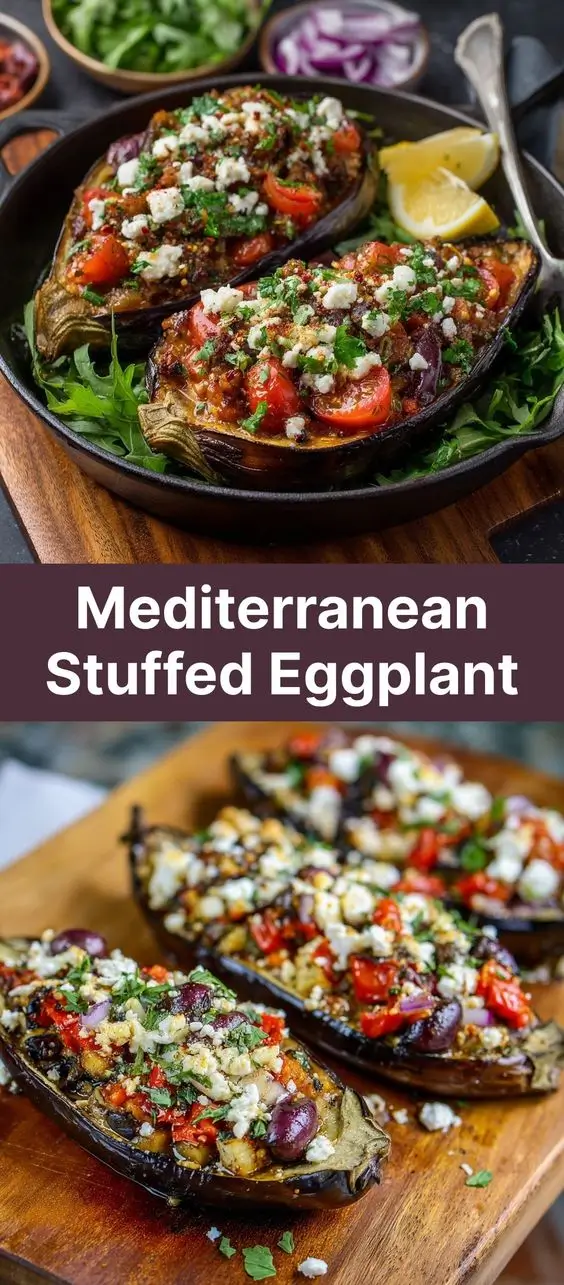
Mediterranean Stuffed Eggplant: A Flavorful Journey Through Tradition and Taste
The History of Mediterranean Stuffed Eggplant
Stuffed vegetables have long been a cornerstone of Mediterranean cuisine, with roots stretching back centuries across regions like Greece, Turkey, Lebanon, and Southern Italy. Known as “dolma” in Turkish and Greek traditions—though the term originally referred to stuffed grape leaves—the concept of filling vegetables with savory mixtures has evolved into countless regional variations. Eggplant, native to South Asia but widely cultivated throughout the Mediterranean since ancient times, became a beloved canvas for culinary creativity due to its meaty texture and ability to absorb flavors.
In countries like Greece, stuffed eggplants are called “melitzanes gemistes,” while in Lebanon they appear as part of a larger mezze spread, often accompanied by rice, tomatoes, herbs, and spices. These dishes were historically born out of necessity—using seasonal produce and pantry staples to create hearty, satisfying meals without relying on expensive meats. Over time, they gained cultural significance and are now commonly served during family gatherings, religious holidays, and summer festivals when eggplants are at their peak freshness.
The tradition emphasizes slow cooking, allowing flavors to meld beautifully in earthenware pots or clay ovens. Today’s version stays true to those ancestral methods while embracing modern kitchen conveniences, making it accessible for home cooks around the world who wish to experience the soulful essence of Mediterranean home cooking.
Ingredients Breakdown: Building Layers of Flavor
The magic of Mediterranean stuffed eggplant lies in its harmonious blend of fresh, aromatic, and wholesome ingredients. Each component plays a vital role in creating a dish that is rich in flavor, color, and nutrition.
- Eggplants: The star of the dish, chosen for their deep purple skin and tender flesh. Medium-sized eggplants work best—they’re easy to hollow out and hold their shape during baking. Salting them beforehand helps draw out excess moisture and bitterness, ensuring a firmer texture after cooking.
- Olive Oil: Extra virgin olive oil is essential—not just for sautéing, but also for drizzling over the top before baking. It adds fruitiness and depth, characteristic of authentic Mediterranean cooking.
- Onion and Garlic: Finely chopped yellow onion and minced garlic form the aromatic base, providing sweetness and pungency that build the foundation of flavor.
- Ground Lamb or Beef (optional): While traditional vegetarian versions exist, many households include ground lamb or beef for added richness. For a lighter option, omit the meat or substitute with lentils or quinoa.
- Rice: Short-grain rice such as Arborio or Egyptian rice is typically used because it absorbs liquid well and becomes creamy without disintegrating. Some recipes use bulgur wheat for a nuttier, more rustic texture.
- Tomatoes: Fresh ripe tomatoes, diced, add acidity and juiciness. Tomato paste can be added for concentrated umami flavor.
- Herbs: Fresh parsley, mint, dill, and sometimes oregano are key. Parsley brings brightness, mint offers a cool contrast, and oregano imparts earthy warmth.
- Lemon Juice: A splash enhances all other flavors and balances the richness of the oil and rice.
- Pine Nuts or Walnuts: Toasted pine nuts add crunch and luxury; walnuts offer a more affordable, earthy alternative.
- Cinnamon and Allspice (in some regions): Especially common in Levantine versions, these warm spices give the filling a subtle complexity that elevates the dish beyond simple savory notes.
- Salt, Pepper, and Red Pepper Flakes: For seasoning and a hint of heat if desired.
- Vegetable or Chicken Broth: Used to moisten the filling and allow the rice to cook properly inside the eggplant during baking.
- Feta Cheese (optional topping): Crumbled feta adds tang and saltiness, especially popular in Greek renditions.
Step-by-Step Recipe: Crafting Your Mediterranean Stuffed Eggplant
Ingredients
- 4 medium eggplants (about 8 oz each)
- 1 tsp salt (for sweating eggplants)
- ¼ cup extra virgin olive oil (plus more for drizzling)
- 1 large yellow onion, finely chopped
- 4 cloves garlic, minced
- 1 lb ground lamb or beef (or 1 cup cooked lentils for vegetarian)
- 1 cup uncooked short-grain rice (Arborio or similar)
- 2 large tomatoes, seeded and diced
- 2 tbsp tomato paste
- ½ cup fresh parsley, finely chopped
- ¼ cup fresh mint, finely chopped
- 1 tsp dried oregano
- ½ tsp ground cinnamon
- ¼ tsp ground allspice
- ½ tsp black pepper
- ¼ tsp red pepper flakes (optional)
- 1 lemon, juiced
- ⅓ cup pine nuts or walnuts, toasted
- 2 cups vegetable or chicken broth
- Crumbled feta cheese (for serving, optional)
- Additional fresh herbs for garnish
Directions
- Prepare the Eggplants: Preheat your oven to 375°F (190°C). Slice the eggplants in half lengthwise. Using a spoon, carefully scoop out the flesh, leaving about ½ inch around the edges to maintain structure. Dice the scooped-out flesh and set aside. Place the eggplant shells on a baking sheet, cut side up, and sprinkle lightly with salt. Let them sit for 30 minutes to draw out bitter juices. Afterward, pat dry with paper towels.
- Sauté Aromatics: In a large skillet, heat ¼ cup olive oil over medium heat. Add the chopped onion and sauté until translucent, about 5 minutes. Add the garlic and cook for another minute until fragrant.
- Cook the Filling Base: Add the reserved diced eggplant flesh to the skillet. Cook for 8–10 minutes, stirring occasionally, until softened and most of the liquid has evaporated.
- Add Protein (if using): If including ground meat, increase heat to medium-high and add it to the pan. Break it apart with a spoon and cook until browned and no longer pink. Drain excess fat if necessary.
- Incorporate Rice and Spices: Stir in the uncooked rice, cooking for 2 minutes to lightly toast it. Mix in tomato paste, oregano, cinnamon, allspice, black pepper, and red pepper flakes. Cook for another minute to bloom the spices.
- Add Tomatoes and Herbs: Fold in the diced tomatoes, parsley, mint, lemon juice, and toasted pine nuts. Remove from heat and taste; adjust seasoning as needed.
- Stuff the Eggplants: Arrange the prepared eggplant shells in a large baking dish just big enough to hold them snugly. Spoon the filling mixture evenly into each shell, mounding slightly. Pour the broth carefully around the eggplants—do not pour directly over the tops, so the filling doesn’t become soggy.
- Bake Until Tender: Drizzle the tops generously with olive oil. Cover the dish tightly with aluminum foil. Bake for 45 minutes. Then remove the foil and bake for an additional 15–20 minutes, or until the eggplants are fork-tender, the tops are golden, and the rice is fully cooked.
- Rest and Serve: Allow the stuffed eggplants to rest for 10 minutes before serving. This helps the flavors settle and makes them easier to handle. Garnish with crumbled feta, extra herbs, and a final drizzle of olive oil.
Tips for Perfect Mediterranean Stuffed Eggplant
- Choose Uniform Eggplants: Pick similarly sized eggplants so they cook evenly. Avoid overly large ones, which may have more seeds and tougher texture.
- Don’t Skip the Salting Step: Even though modern eggplants are less bitter, salting removes excess water, preventing mushiness and improving texture.
- Toasting Nuts Enhances Flavor: Lightly toast pine nuts or walnuts in a dry skillet over low heat until fragrant and golden. Watch closely—they burn quickly!
- Balancing Moisture: If your filling seems too wet before baking, cook it a bit longer to reduce moisture. Too much liquid can make the rice gummy.
- Use a Tight-Fitting Dish: Packing the eggplants snugly prevents them from tipping over during baking and ensures even steam distribution.
- Check Rice Doneness: If the eggplants are tender but the rice isn’t fully cooked, add a little more broth and continue baking uncovered, checking every 5–10 minutes.
- Make Ahead Option: Prepare the filling and prepped eggplants up to one day ahead. Store separately in the fridge, then stuff and bake when ready.
- Freezing Tips: Fully baked stuffed eggplants freeze well for up to 3 months. Thaw overnight in the refrigerator and reheat covered with foil at 350°F (175°C) until warmed through.
Variations and Customizations
Mediterranean stuffed eggplant is wonderfully adaptable. Here are several creative ways to tailor the recipe to your taste or dietary needs:
- Vegan Version: Omit meat and dairy entirely. Use lentils, mushrooms, or chickpeas as protein sources. Replace any animal-based broths with rich vegetable stock.
- Gluten-Free Friendly: Naturally gluten-free, this dish requires no substitutions as long as you verify that your broth is certified GF.
- Low-Carb/Keto Option: Replace rice with riced cauliflower or chopped mushrooms. Sauté thoroughly to remove moisture before mixing into the filling.
- Seafood Twist: In coastal regions, some chefs incorporate flaked cooked fish or shrimp into the stuffing for a briny twist—perfect served with tzatziki.
- Grilled Instead of Baked: For a smoky summer variation, grill the hollowed-out eggplants first, then fill and finish on indirect heat or wrap in foil to steam.
- Different Grains: Try farro, freekeh, or couscous instead of rice for varied textures and nutty profiles.
- Regional Inspirations:
- Greek Style: Include more dill and oregano, serve with thick yogurt sauce.
- Turkish Zeytinyağlı: Make it completely oil-based (no meat), using only vegetables, rice, and herbs, simmered gently in olive oil and water.
- Lebanese Kusa Mahshi: Though traditionally made with zucchini, the same technique applies—add a pinch of seven-spice blend for authenticity.
- Mini Versions: Use baby eggplants for individual appetizers or party bites. Halve them horizontally and adjust baking time accordingly.
Health Considerations and Nutritional Value
Mediterranean stuffed eggplant isn’t just delicious—it’s a nutritious meal aligned with heart-healthy eating patterns promoted by dietitians worldwide.
Nutritional Highlights (per serving, based on 4 servings with lamb):
- Calories: ~420 kcal
- Protein: 22g (supports muscle maintenance)
- Fat: 24g (mostly monounsaturated from olive oil)
- Carbohydrates: 30g
- Fiber: 8g (excellent source—aids digestion and satiety)
- Sodium: Varies (~600–800mg depending on broth and added salt)
- Vitamins & Minerals: Rich in vitamin C (tomatoes, lemon), vitamin K (parsley, eggplant), potassium (eggplant), folate (leafy greens), and antioxidants like nasunin (found in eggplant skin).
Health Benefits:
- Heart Health: Olive oil, a staple of the Mediterranean diet, supports healthy cholesterol levels and reduces inflammation.
- Antioxidant Powerhouse: Eggplant skin contains anthocyanins, which may help protect cells from oxidative stress.
- Digestive Wellness: High fiber content promotes gut health and regularity.
- Blood Sugar Balance: When paired with complex carbs like whole grains and balanced proteins, this dish provides sustained energy without sharp spikes.
- Weight Management: Fiber and healthy fats increase fullness, helping control appetite naturally.
Dietary Notes:
- This dish can be modified for various diets including vegetarian, vegan, halal, kosher, and gluten-free with careful ingredient selection.
- For lower sodium intake, use low-sodium broth and limit added salt, relying on herbs and lemon for flavor.
- Pregnant individuals should ensure meat is fully cooked and avoid unpasteurized cheeses if substituting feta.
Frequently Asked Questions (FAQ)
Can I make stuffed eggplant without meat?
Absolutely! Simply omit the ground meat and boost plant-based proteins with lentils, quinoa, mushrooms, or chickpeas. Increase the herbs and spices slightly to compensate for the missing umami from meat.
Why do my eggplants turn out mushy?
Mushiness usually comes from excess moisture. Be sure to salt and drain the eggplant halves before stuffing, and avoid overfilling with wet ingredients. Cooking the diced eggplant flesh thoroughly before assembling also helps.
Can I use brown rice instead of white?
Yes, but note that brown rice takes longer to cook—up to 50–60 minutes. You may need to add more broth and extend baking time. Consider partially precooking the rice before stuffing.
How do I store leftovers?
Cool completely and refrigerate in an airtight container for up to 4 days. Reheat gently in the oven or microwave, adding a splash of water or broth to refresh moisture.
Is this dish suitable for freezing?
Yes. Freeze baked stuffed eggplants individually wrapped in foil and placed in a freezer-safe container. Thaw in the refrigerator overnight before reheating.
What can I serve with Mediterranean stuffed eggplant?
Excellent pairings include:
- Tzatziki or skordalia (garlic yogurt sauce)
- Simple green salad with lemon vinaigrette
- Warm pita bread or crusty whole grain loaf
- Roasted vegetables like bell peppers, zucchini, or carrots
- Fresh sliced tomatoes and cucumbers
Can I prepare this in a slow cooker?
Yes! Place stuffed eggplants in the slow cooker, pour broth around them (not over), cover, and cook on low for 6–7 hours or high for 3–4 hours, until tender.
Do I need to peel the eggplants?
No. The skin is edible, nutrient-rich, and helps the eggplant hold its shape during baking. Only peel if using very large, tough-skinned varieties.
Summary
Mediterranean stuffed eggplant is a vibrant, aromatic dish rooted in centuries-old culinary traditions, combining tender roasted eggplant with a fragrant filling of rice, herbs, tomatoes, and optional protein, all baked to perfection in a savory broth. Packed with flavor, nutrition, and cultural heritage, it stands as a testament to the elegance of simple, wholesome ingredients coming together in harmony.