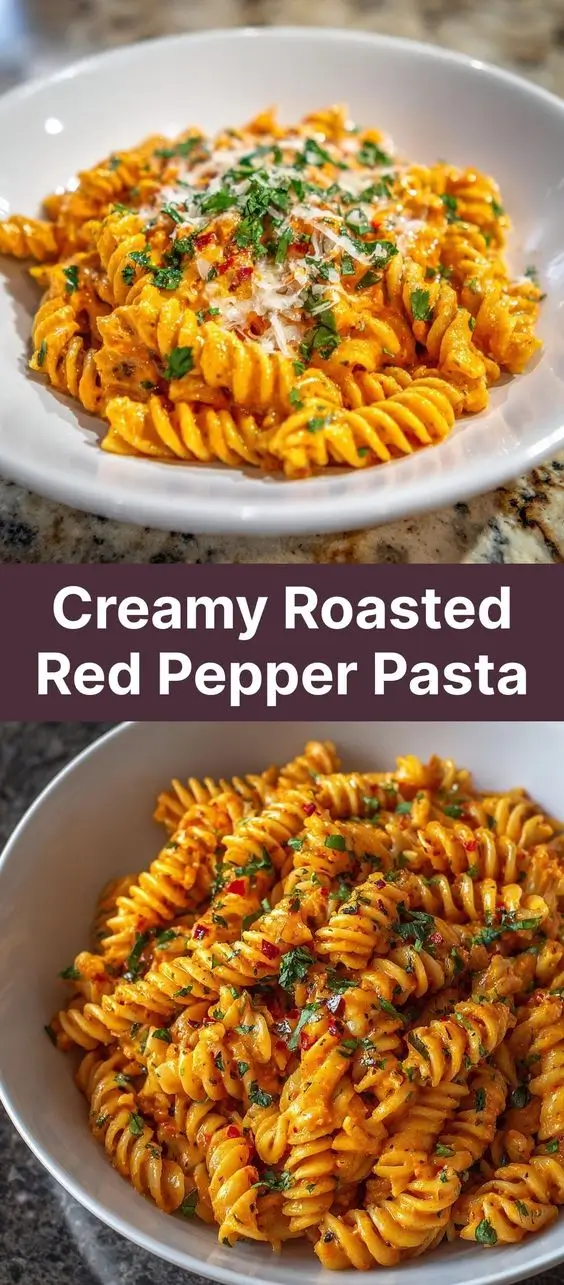
Creamy Roasted Red Pepper Pasta
The History
Creamy roasted red pepper pasta is a modern culinary creation that blends the rich traditions of Italian pasta-making with contemporary flavor innovations. While classic Italian dishes often feature simple, fresh ingredients like tomatoes, garlic, and olive oil, the infusion of roasted red peppers into creamy sauces reflects a fusion trend popularized in the late 20th and early 21st centuries. This dish likely originated in North American or European kitchens where chefs began experimenting with roasted vegetables to deepen flavor profiles without relying heavily on dairy or meat.
Roasting red peppers has long been a technique used across Mediterranean cuisines—particularly in Spain, Italy, and Hungary—to enhance sweetness and add smokiness. The practice of blending these roasted peppers into sauces can be traced back to Spanish romesco and Italian peperonata. However, transforming them into a velvety, pasta-coating cream sauce is a relatively recent evolution, made possible by advances in blending technology and the growing popularity of plant-based and lighter comfort foods. Today, this dish is celebrated in restaurants and home kitchens alike for its vibrant color, luxurious texture, and balanced taste.
Ingredients Breakdown
The magic of creamy roasted red pepper pasta lies in the harmony of its components. Each ingredient plays a vital role in building layers of flavor, texture, and nutrition:
- Roasted Red Peppers: The star of the show. Whether jarred or homemade, they provide natural sweetness, deep color, and a subtle smokiness. Using fire-roasted peppers intensifies the flavor even further.
- Pasta: Traditionally, fettuccine, penne, or rigatoni are used for their ability to hold creamy sauces. Whole wheat, chickpea, or gluten-free varieties offer dietary adaptations.
- Garlic: Adds aromatic depth. Sautéed gently to avoid bitterness, it forms the flavor foundation.
- Shallots or Onion: These bring mild sweetness and complexity when softened in olive oil.
- Heavy Cream or Coconut Milk: For richness and creaminess. Heavy cream delivers indulgence, while full-fat coconut milk offers a dairy-free alternative with a tropical nuance.
- Vegetable or Chicken Broth: Thins the sauce to the ideal consistency and enhances savoriness.
- Fresh Basil or Parsley: Provides brightness and balances the richness. Basil complements the sweetness of peppers particularly well.
- Lemon Juice: A splash lifts the entire dish, cutting through the cream and enhancing the pepper’s natural tang.
- Nutritional Yeast or Parmesan Cheese: Adds umami and a cheesy note. Nutritional yeast makes it vegan-friendly, while Parmesan adds a salty, nutty depth.
- Olive Oil: Used for sautéing, it contributes heart-healthy fats and a fruity undertone.
- Red Pepper Flakes (optional): Introduces a gentle heat that contrasts beautifully with the sweet peppers.
- Salt and Black Pepper: Essential for seasoning and balancing all elements.
Optional additions include sun-dried tomatoes, spinach, grilled chicken, shrimp, or white beans for added texture and protein.
Step-by-Step Recipe
- Prepare the Roasted Red Peppers: If using raw bell peppers, preheat your oven to 425°F (220°C). Cut red bell peppers in half, remove seeds and membranes. Place skin-side up on a baking sheet, drizzle with olive oil, and roast for 25–30 minutes until skins are blistered and charred. Transfer to a bowl, cover with plastic wrap, and let steam for 10 minutes. Peel off the skins and set aside. (Skip if using jarred roasted peppers—just drain and rinse lightly.)
- Cook the Pasta: Bring a large pot of salted water to a boil. Add your choice of pasta and cook according to package instructions until al dente. Reserve 1 cup of pasta water before draining. Set aside.
- Sauté Aromatics: In a large skillet, heat 2 tablespoons of olive oil over medium heat. Add finely chopped shallot (or onion) and sauté for 3–4 minutes until translucent. Add minced garlic and red pepper flakes (if using), cooking for another 30 seconds until fragrant—do not brown.
- Blend the Sauce: In a high-speed blender, combine the roasted red peppers, sautéed shallot-garlic mixture, ½ cup vegetable broth, ½ cup heavy cream (or coconut milk), juice of half a lemon, 2 tablespoons nutritional yeast (or grated Parmesan), and a pinch of salt and black pepper. Blend until completely smooth and velvety, about 1–2 minutes. Scrape down sides as needed.
- Simmer the Sauce: Pour the blended mixture into the same skillet (or a clean one) over medium-low heat. Warm gently for 5–7 minutes, stirring frequently. If the sauce is too thick, add more broth or reserved pasta water, a quarter cup at a time, until it reaches a silky, pourable consistency.
- Combine Pasta and Sauce: Add the drained pasta to the skillet and toss thoroughly to coat every strand or tube. Cook together for 2–3 minutes to allow flavors to meld. If desired, stir in fresh spinach or baby kale and let it wilt into the dish.
- Finish and Serve: Remove from heat. Stir in torn fresh basil leaves and an extra drizzle of olive oil for gloss. Taste and adjust seasoning—more salt, lemon juice, or red pepper flakes as needed.
- Garnish and Plate: Serve hot, topped with additional Parmesan or nutritional yeast, cracked black pepper, a sprinkle of paprika, and a few whole basil leaves for presentation.
Tips
- Use High-Quality Jarred Peppers: Not all jarred roasted red peppers are created equal. Look for those packed in water (not brine) with minimal additives. Brands labeled “fire-roasted” or “grilled” deliver superior flavor.
- Don’t Skip the Lemon Juice: Acid is crucial in balancing the sweetness of the peppers and richness of the cream. Always taste and adjust before serving.
- Reserve Pasta Water: The starchy liquid helps bind the sauce to the pasta and allows for easy thinning without diluting flavor.
- Blend While Warm: For the smoothest texture, blend the sauce while ingredients are still warm—this prevents separation and ensures emulsification.
- Avoid Overcooking the Garlic: Burnt garlic turns bitter. Sauté just until fragrant—about 30 seconds is enough.
- Let the Sauce Rest: Allowing the sauce to sit for 5–10 minutes after blending lets flavors marry and the texture settle.
- Use Fresh Herbs: Dried basil doesn’t compare to the bright pop of fresh. Add herbs at the end to preserve their aroma and color.
- Double the Batch: This sauce freezes well. Store in an airtight container for up to 3 months—perfect for quick weeknight meals.
Variations and Customizations
This versatile recipe welcomes endless creativity. Here are some delicious twists:
- Vegan Version: Use coconut milk instead of cream, nutritional yeast instead of Parmesan, and ensure the pasta is egg-free. Add cashew cream for extra richness.
- Protein-Packed: Stir in grilled chicken strips, sautéed shrimp, pan-seared tofu, or canned white beans for a heartier meal.
- Spicy Kick: Add a diced jalapeño while sautéing aromatics, or increase red pepper flakes. Harissa paste (½ tsp) also adds North African flair.
- Creamy Avocado Twist: Blend in half a ripe avocado for extra creaminess and healthy fats—adds a subtle earthiness.
- Mushroom Umami Boost: Sauté sliced cremini or shiitake mushrooms and fold into the finished dish for a deeper, savory profile.
- Pesto Swirl: Swirl in a spoonful of basil pesto at the end for a herby contrast.
- Dairy-Free Alfredo Style: Replace cream with blended silken tofu or soaked raw cashews for a truly plant-based luxurious texture.
- Gluten-Free Option: Use certified gluten-free pasta such as brown rice, quinoa, or corn-based noodles.
- Low-Carb/Keto: Serve over spiralized zucchini (zoodles) or spaghetti squash. Use heavy cream and omit any starchy thickeners.
- Smoky Paprika or Chipotle: Add ¼ tsp smoked paprika or a small piece of chipotle in adobo for a campfire-like depth.
Health Considerations and Nutritional Value
Creamy roasted red pepper pasta can be both indulgent and nutritious, depending on ingredient choices. Here’s a breakdown of its health aspects:
- Rich in Vitamin C: Red bell peppers are one of the best sources of vitamin C—higher even than oranges. One cup provides over 200% of the daily recommended intake, supporting immune function and skin health.
- Antioxidant Powerhouse: Roasting enhances the bioavailability of antioxidants like capsanthin and carotenoids, which help combat oxidative stress and inflammation.
- Fiber Content: When made with whole grain or legume-based pasta, the dish becomes a good source of dietary fiber, promoting digestive health and satiety.
- Healthy Fats: Olive oil and optional additions like avocado or nuts contribute monounsaturated fats, beneficial for heart health.
- Lower Sodium Options: To reduce sodium, use low-sodium broth, limit added salt, and rinse jarred peppers thoroughly. Opt for no-salt-added versions when possible.
- Dairy Sensitivity: Those avoiding lactose can easily substitute with plant-based creams and cheeses. Coconut milk contains medium-chain triglycerides (MCTs), which may support metabolism.
- Balancing Richness: While heavy cream adds decadence, it also increases saturated fat. Moderation is key, especially for those managing cholesterol. Lighter versions using Greek yogurt or blended cauliflower maintain creaminess with fewer calories.
- Gluten and Allergens: Ensure gluten-free pasta for celiac disease. For nut allergies, avoid cashew cream; sunflower seed butter can be a safe alternative.
On average, a serving (approx. 1.5 cups) with regular pasta, heavy cream, and Parmesan contains around 450–550 calories, 18–25g fat, 50–60g carbohydrates, and 12–15g protein. Vegan and whole grain versions can reduce calories and boost fiber and protein.
Ingredients
- 2 cups roasted red peppers (about 4 large), drained and patted dry
- 12 oz (340g) pasta (fettuccine, penne, or rigatoni)
- 2 tbsp olive oil
- 1 medium shallot or ½ small onion, finely chopped
- 3 cloves garlic, minced
- ½ cup heavy cream (or full-fat coconut milk for vegan)
- ½ cup vegetable or chicken broth
- 2 tbsp nutritional yeast (or ¼ cup grated Parmesan)
- Juice of ½ lemon (about 1–2 tbsp)
- ¼ tsp red pepper flakes (optional)
- Salt and freshly ground black pepper, to taste
- ½ cup fresh basil, loosely packed and torn
- Extra olive oil or Parmesan, for garnish
Directions
- If roasting peppers from scratch, preheat oven to 425°F. Halve and deseed red bell peppers, place cut-side down on a baking sheet, drizzle with oil, and roast 25–30 minutes. Steam, peel, and set aside.
- Bring a large pot of salted water to a boil. Cook pasta until al dente. Reserve 1 cup of pasta water, then drain.
- In a skillet over medium heat, warm olive oil. Add shallot and cook until soft, 3–4 minutes. Stir in garlic and red pepper flakes; cook 30 seconds.
- In a blender, combine roasted peppers, shallot mixture, cream, broth, nutritional yeast (or Parmesan), lemon juice, salt, and pepper. Blend until ultra-smooth.
- Pour sauce into the skillet and simmer over medium-low heat for 5–7 minutes, stirring often. Thin with broth or pasta water as needed.
- Add cooked pasta to the sauce. Toss to coat and heat through for 2–3 minutes.
- Remove from heat. Stir in fresh basil. Adjust seasoning with more salt, pepper, or lemon juice.
- Divide into bowls. Drizzle with olive oil, sprinkle with extra cheese or herbs, and serve immediately.
FAQ
Can I make this ahead of time?
Yes! Prepare the sauce up to 3 days in advance and store in an airtight container in the refrigerator. Reheat gently on the stove, adding broth or water to loosen. Cook pasta fresh when ready to serve.
Can I freeze creamy roasted red pepper sauce?
Absolutely. Freeze the sauce (without pasta) for up to 3 months. Thaw overnight in the fridge and reheat slowly, stirring in liquid as needed.
Why is my sauce grainy?
This usually happens if the peppers weren’t blended long enough or if low-fat liquids were used. Always use a high-speed blender and full-fat cream or coconut milk for best results.
Can I use raw bell peppers?
Raw peppers will make the sauce bitter and lack depth. Roasting is essential to develop sweetness and soften the flesh for blending.
Is this sauce spicy?
Not unless you add red pepper flakes or spicy ingredients. The roasted red peppers themselves are sweet and mild.
What can I substitute for cream?
Options include full-fat coconut milk, cashew cream, Greek yogurt, silken tofu, or evaporated milk. Each alters the flavor slightly but maintains creaminess.
Can I make this in a food processor?
You can, but a high-speed blender yields a silkier texture. If using a food processor, blend longer and strain through a fine-mesh sieve if needed.
Summary
Creamy roasted red pepper pasta is a luscious, vibrant dish that combines the natural sweetness of roasted peppers with a velvety sauce, creating a comforting yet nutritious meal perfect for any occasion. Easy to customize for vegan, gluten-free, or high-protein diets, it’s a modern classic that delights the eyes and the palate alike.