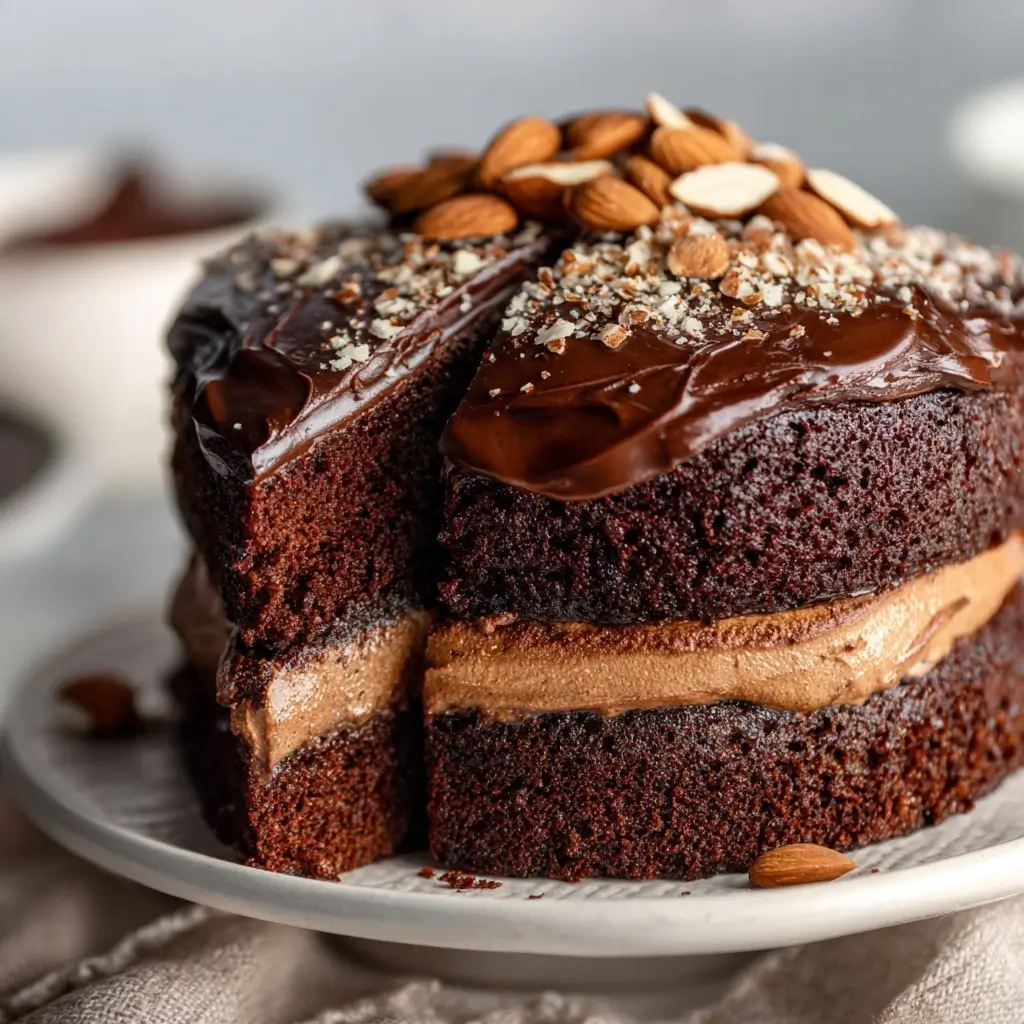
Almond Flour Chocolate Cake: A Decadent, Gluten-Free Delight
The History of Almond Flour and Chocolate Cakes
The origins of almond flour chocolate cake are rooted in both the rich culinary traditions of Mediterranean baking and the modern gluten-free movement. Almonds have been cultivated for thousands of years, with historical records tracing their use back to ancient Persia (modern-day Iran) and the Middle East. Ground almonds were often used as a wheat flour substitute in medieval European baking, especially among Jewish communities observing Passover, when leavened grains were forbidden. This gave rise to dense, moist almond-based cakes that were naturally gluten-free.
Chocolate, on the other hand, was first consumed by the ancient Mesoamerican civilizations such as the Maya and Aztecs, who drank it as a bitter beverage. When Spanish explorers brought cacao back to Europe in the 16th century, it was gradually sweetened and adapted into desserts. The fusion of chocolate and almond flour gained popularity in Southern Europe—particularly in Spain and Italy—where torta de almendras (Spanish almond cake) and torta caprese (Italian almond-chocolate cake) became staples.
In recent decades, the health-conscious and low-carb movements—such as Paleo, ketogenic, and gluten-free diets—revived interest in almond flour as a nutritious alternative to refined flours. As bakers sought richer, healthier desserts, almond flour chocolate cake emerged as a star recipe: fudgy, moist, high in protein and healthy fats, and free from gluten and refined carbohydrates. Today, this cake is celebrated not only by those with dietary restrictions but also by dessert lovers seeking a more wholesome indulgence.
Ingredients Breakdown: Why Each One Matters
Creating the perfect almond flour chocolate cake requires understanding the role of each ingredient. Unlike traditional cakes that rely on all-purpose flour and sugar for structure and sweetness, this version uses nutrient-dense components that contribute both flavor and texture.
- Almond Flour: The star of the show, almond flour provides a tender crumb, nutty flavor, and high content of healthy monounsaturated fats, fiber, and protein. It’s essential to use blanched almond flour (with skins removed) for a fine, light texture. Avoid almond meal, which includes the skins and results in a denser, grainier cake.
- Unsweetened Cocoa Powder: This gives the cake its deep chocolate flavor without added sugar. Opt for Dutch-processed cocoa for a smoother, less acidic taste, or natural cocoa powder for a brighter, more intense chocolate kick.
- Eggs: They act as a binder and leavening agent, helping the cake rise and maintain structure. Eggs also add moisture and richness. For a fluffier texture, some recipes call for separating the eggs and whipping the whites before folding them in.
- Granulated Sweetener: Since this is a low-carb or keto-friendly cake, traditional sugar is replaced with alternatives like erythritol, monk fruit, allulose, or a blend. These sweeteners don’t spike blood sugar and mimic the granular texture of sugar. You can also use coconut sugar for a less refined option, though it’s higher in carbs.
- Baking Soda and Baking Powder: These leavening agents help the cake rise slightly and create a soft, airy texture. Almond flour is heavier than wheat flour, so proper leavening is key.
- Salt: Enhances all the flavors and balances the sweetness. A pinch goes a long way.
- Pure Vanilla Extract: Adds warmth and depth to the chocolate flavor, rounding out the overall taste profile.
- Oil or Melted Butter: Moisture is critical in almond flour baking because it tends to absorb liquid. Adding oil (like avocado or coconut) or butter keeps the cake from drying out and adds richness.
- Unsweetened Almond Milk or Other Liquid: Helps achieve the right batter consistency. Too thick, and the cake will be dry; too thin, and it won’t hold together.
- Dark Chocolate Chips (Optional): For extra decadence, fold in sugar-free chocolate chips or chunks. They melt during baking, creating gooey pockets throughout the cake.
Step-by-Step Recipe: How to Make Almond Flour Chocolate Cake
Follow this detailed guide to bake a moist, fudgy, and intensely chocolatey almond flour cake that even non-keto eaters will love.
Ingredients
- 2 cups (200g) blanched almond flour
- ½ cup (50g) unsweetened cocoa powder (sifted)
- 1 tsp baking soda
- ½ tsp baking powder
- ¼ tsp sea salt
- ¾ cup (150g) granulated low-carb sweetener (e.g., erythritol-monk fruit blend)
- 4 large eggs, at room temperature
- ½ cup (120ml) melted butter or avocado oil
- 2 tsp pure vanilla extract
- ⅓ cup (80ml) unsweetened almond milk (or dairy milk if not dairy-free)
- ½ cup (90g) sugar-free dark chocolate chips (optional)
Directions
- Preheat and Prepare: Preheat your oven to 350°F (175°C). Grease an 8-inch round or square cake pan and line it with parchment paper for easy removal.
- Mix Dry Ingredients: In a large bowl, sift together the almond flour, cocoa powder, baking soda, baking powder, salt, and sweetener. Whisk thoroughly to eliminate lumps and ensure even distribution.
- Combine Wet Ingredients: In a separate bowl, whisk the eggs until smooth. Add the melted butter (cooled slightly), vanilla extract, and almond milk. Mix well.
- Create the Batter: Gradually pour the wet ingredients into the dry mixture. Stir with a spatula or hand mixer on low speed until just combined. Do not overmix, as this can lead to a tough texture. Fold in chocolate chips if using.
- Pour and Smooth: Transfer the batter into the prepared pan. Use a spatula to smooth the top evenly.
- Bake: Place in the center of the preheated oven and bake for 28–35 minutes. The cake is done when a toothpick inserted into the center comes out with moist crumbs (not wet batter). Note: Almond flour cakes continue to set as they cool.
- Cool Completely: Allow the cake to cool in the pan for at least 20 minutes before transferring to a wire rack. This prevents crumbling.
- Serve or Decorate: Once cooled, dust with powdered erythritol, drizzle with sugar-free chocolate ganache, or top with whipped cream or fresh berries.
Tips for the Perfect Almond Flour Chocolate Cake
- Use Room Temperature Ingredients: Cold eggs or butter can cause the batter to seize or become uneven. Let all refrigerated ingredients sit out for 30 minutes before mixing.
- Sift the Cocoa Powder: Cocoa tends to clump, so sifting ensures a smooth, lump-free batter.
- Don’t Overbake: Almond flour cakes go from perfectly moist to dry quickly. Start checking at 25 minutes and use the toothpick test conservatively.
- Let It Cool: Cutting into a warm cake may cause it to crumble. Cooling allows the structure to firm up.
- Store Properly: Keep leftovers in an airtight container at room temperature for 2 days, in the fridge for up to 5 days, or freeze slices for up to 3 months.
- Boost Flavor: Add a pinch of espresso powder to enhance the chocolate flavor, or a dash of cinnamon for warmth.
- Double the Recipe for Layers: Bake two cakes and stack them with sugar-free chocolate buttercream for a special occasion dessert.
Variations and Customizations
This almond flour chocolate cake is incredibly versatile. Here are some creative ways to customize it:
- Keto Peanut Butter Swirl: Drop spoonfuls of sugar-free peanut butter onto the batter and swirl with a knife before baking.
- Orange Chocolate: Add 1 tbsp orange zest and ½ tsp orange extract for a bright citrus twist.
- Mocha Cake: Dissolve 1–2 tsp instant coffee or espresso powder into the warm melted butter before adding to the batter.
- Gluten-Free & Vegan Option: Replace eggs with flax eggs (1 tbsp ground flaxseed + 3 tbsp water per egg) and use coconut oil and plant-based milk. Note: Texture will be denser.
- Red Velvet Version: Reduce cocoa to ¼ cup, add 1–2 tbsp beetroot powder or red food coloring, and a splash of apple cider vinegar for tang.
- Mini Muffins: Pour batter into a greased or lined muffin tin and bake for 18–22 minutes for portable treats.
- Frosted Chocolate Cake: Top with a keto chocolate frosting made from powdered erythritol, cocoa, butter, and heavy cream.
- Nut-Free Version: Substitute almond flour with sunflower seed flour (grind seeds finely and sift) or a gluten-free all-purpose flour blend (though texture will differ).
Health Considerations and Nutritional Value
One of the biggest advantages of almond flour chocolate cake is its superior nutritional profile compared to traditional cakes.
Nutritional Benefits:
- High in Healthy Fats: Almond flour is rich in heart-healthy monounsaturated fats, which support cholesterol balance and satiety.
- Low in Carbohydrates: With only about 4–6g net carbs per slice (depending on sweetener), this cake fits well within keto and low-carb diets.
- Rich in Protein: Almond flour contains about 6g of protein per ¼ cup, making this cake more filling than its wheat-based counterpart.
- Good Source of Vitamin E and Magnesium: Almonds are packed with antioxidants and essential minerals.
- No Refined Sugar: Using low-glycemic sweeteners helps prevent blood sugar spikes, making it suitable for diabetics when consumed in moderation.
Considerations:
- Calorie-Dense: Because of the nuts and fat content, this cake is more calorie-rich than regular cake. Portion control is advised for weight management.
- Allergies: Not suitable for those with tree nut allergies. Always check labels if buying pre-made almond flour.
- Digestive Sensitivity: Some people may experience bloating from sugar alcohols like erythritol. Allulose or monk fruit blends may be better tolerated.
- Not a Health Food: While healthier than conventional cake, this is still a treat. Enjoy as part of a balanced diet.
Frequently Asked Questions (FAQ)
Can I make this cake without eggs?
Yes, but the texture will change. Try using 4 flax eggs (4 tbsp ground flaxseed + 12 tbsp water, let sit 10 minutes) or chia eggs. The cake may be denser and more crumbly.
Why did my cake sink in the middle?
Common causes include underbaking, too much leavening, opening the oven too early, or overmixing. Ensure your baking powder is fresh and avoid sudden temperature changes.
Can I use honey or maple syrup instead of granulated sweetener?
Liquid sweeteners alter the batter consistency significantly. If you must, reduce the almond milk and expect a denser, moister cake. Not recommended for keto versions.
How do I store leftover cake?
Store in an airtight container at room temperature for 1–2 days, in the refrigerator for up to 5 days, or freeze individual slices wrapped in foil for 3 months. Thaw at room temperature or gently microwave.
Can I use coconut flour instead?
No—coconut flour absorbs much more liquid and cannot be substituted cup-for-cup. It requires more eggs and liquid. Stick to almond flour or a blend specifically designed for substitution.
Is this cake truly gluten-free?
Yes, provided your almond flour is certified gluten-free. Cross-contamination can occur in facilities that process wheat, so check packaging if you have celiac disease.
Can I make it ahead of time?
Absolutely! Bake it a day in advance and store covered at room temperature. It often tastes better the next day as flavors meld.
Summary
The almond flour chocolate cake is a luxurious, gluten-free dessert that combines rich chocolate flavor with the nutritional benefits of almond flour, making it ideal for keto, paleo, and health-conscious eaters. Moist, fudgy, and simple to prepare, it’s a modern classic that satisfies sweet cravings without the guilt.