Introduction
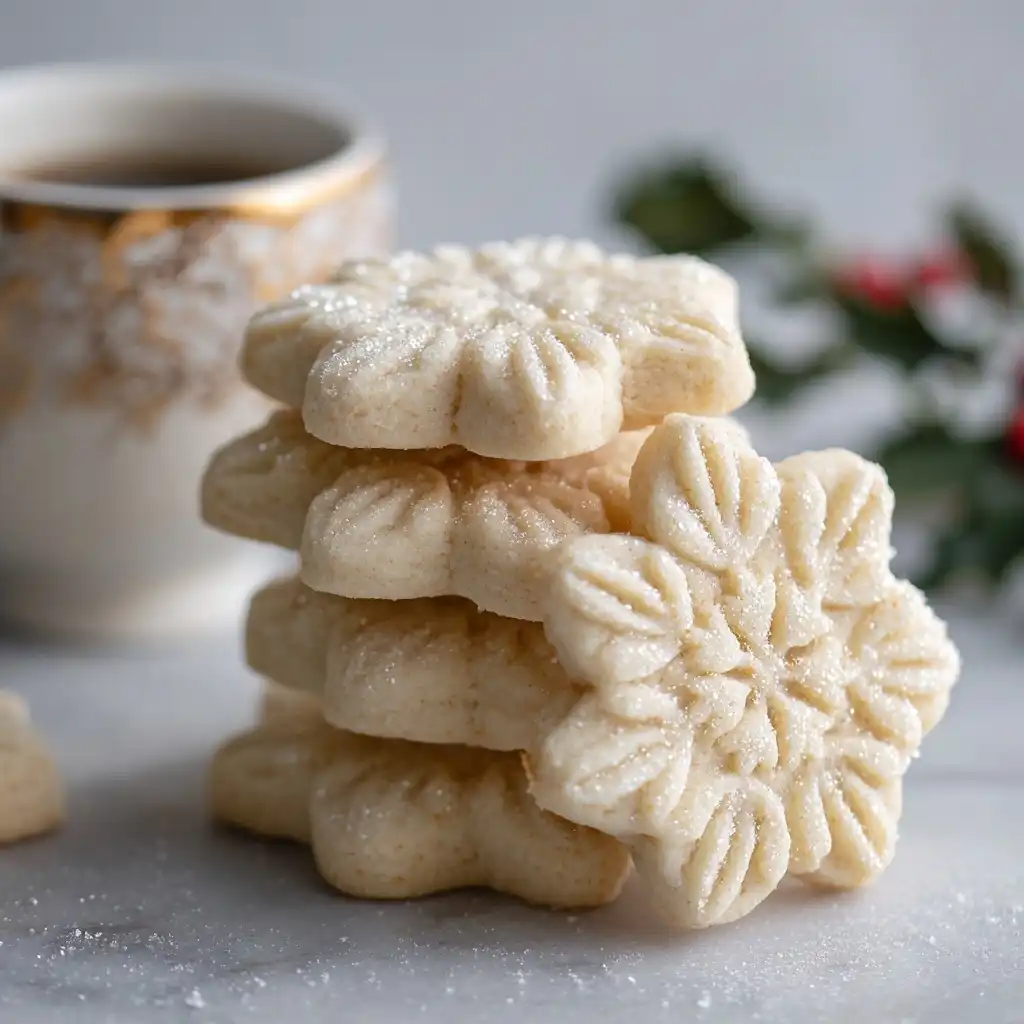
Almond sugar cookies are a timeless classic—elegant in simplicity yet rich in flavor, with a delicate balance of buttery tenderness, subtle nuttiness, and sweet floral warmth. These cookies stand apart from standard sugar cookies not just by the inclusion of almond extract (a hallmark of their signature aroma), but often through the thoughtful incorporation of finely ground almonds or almond flour, lending them a uniquely tender crumb, sophisticated depth, and a hint of marzipan-like sophistication. Whether served at holiday gatherings, bridal showers, afternoon tea, or as an everyday indulgence, almond sugar cookies evoke nostalgia while remaining refreshingly versatile. Their smooth, pale golden surface—often lightly crackled or delicately decorated with pearl sugar, sliced almonds, or a whisper of vanilla glaze—makes them as beautiful to behold as they are delightful to savor.
The History
The origins of almond sugar cookies trace back centuries through the confluence of European baking traditions and ingredient availability. Almonds have been cherished in Mediterranean and Middle Eastern cuisines since antiquity—not only for their flavor and texture but also for their symbolic associations with prosperity, fertility, and celebration. In medieval Europe, almond paste and marzipan were luxury items reserved for royal feasts and religious festivals, particularly during Christmas and Easter. As sugar became more accessible in the 17th and 18th centuries—shifting from medicinal use to culinary indulgence—bakers began incorporating it into simple butter-and-flour doughs. The marriage of sugar, butter, eggs, and almond essence emerged organically: early American colonists adapted English “jumbles” and Dutch “gevulde koekjes,” infusing them with locally available nuts and imported almond extract (first commercially distilled in the U.S. in the mid-1800s). By the late 19th century, recipes for “almond wafers” and “sugar-almond cookies” appeared in community cookbooks and women’s magazines like Ladies’ Home Journal. The iconic soft-yet-crisp texture we associate with modern almond sugar cookies was refined in the mid-20th century with the rise of standardized all-purpose flour, reliable refrigeration for dough chilling, and the popularization of electric mixers—all contributing to consistent spread control and even browning. Today, these cookies honor tradition while inviting innovation—from gluten-free adaptations using blanched almond flour as the base, to vegan versions leveraging aquafaba and cold-pressed almond milk—proving that their legacy is both deeply rooted and beautifully evolving.
Ingredients Breakdown
Understanding each ingredient’s role ensures success, texture integrity, and nuanced flavor development:
- All-Purpose Flour (or Gluten-Free Blend): Provides structure and gluten network; too little yields spreading and collapse, too much creates toughness. For gluten-free versions, a 1:1 blend with xanthan gum (or ¼ tsp added per cup) mimics elasticity.
- Finely Ground Blanched Almonds (Almond Meal/Flour): Adds moisture retention, nutty richness, and tenderizing fat—reducing gluten formation. Toasting before grinding deepens flavor and removes raw bitterness. Note: Almond flour (super-fine, blanched, low-moisture) is ideal; almond meal (coarser, sometimes with skins) yields a heartier, slightly grainier cookie.
- Unsalted Butter (at cool room temperature, ~65°F/18°C): Critical for creaming—trapping air for lift and tenderness. Too warm = greasy, flat cookies; too cold = poor aeration and uneven mixing. European-style butter (82–84% fat) enhances richness and browning.
- Granulated Sugar: Sweetness, crunch on edges, and aids in caramelization. A portion can be replaced with turbinado or demerara for rustic sparkle and subtle molasses notes.
- Brown Sugar (light or dark): Adds moisture, chewiness, and complex caramel/molasses undertones. Dark brown sugar intensifies color and flavor; omit for a purer almond profile if preferred.
- Egg Yolk (plus optional whole egg): Yolks contribute fat, emulsification, and richness—yielding a denser, more tender crumb. A whole egg adds slight lift and binding; extra yolk alone maximizes tenderness.
- Pure Almond Extract (NOT imitation): The soul of the cookie. Derived from bitter almond oil (benzaldehyde), it delivers an intense, aromatic, slightly cherry-like nuance. Imitation extract lacks complexity and can taste chemical or artificial. Use sparingly—½ to 1 tsp is typically ideal; exceeding 1¼ tsp may overwhelm or impart bitterness.
- Pure Vanilla Extract: Complements and rounds out almond’s sharpness; Madagascar Bourbon vanilla offers creamy, woody warmth that harmonizes beautifully.
- Leavening Agents (Baking Soda + Baking Powder combo): Baking soda (sodium bicarbonate) neutralizes acidity (from brown sugar, yogurt, or buttermilk if used) and encourages browning; baking powder (double-acting) provides secondary lift during baking. Omitting either risks dense, pale, or overly spread cookies.
- Fine Sea Salt: Not just for seasoning—enhances sweetness perception, balances fat, and strengthens gluten (in moderation). Kosher salt is less dense; adjust volume accordingly.
- Optional Additions: Lemon or orange zest (brightens richness), a pinch of cardamom or cinnamon (warm spice contrast), or a tablespoon of amaretto (adds depth and alcohol-evaporated complexity).
Step-by-Step Recipe
- Toast & Grind Almonds: Preheat oven to 325°F (165°C). Spread ½ cup raw blanched almonds on a parchment-lined baking sheet. Toast 8–10 minutes until fragrant and pale golden—stir halfway. Cool completely, then pulse in a food processor until fine and powdery (not oily). Measure ¾ cup finely ground almond flour—set aside.
- Cream Butter & Sugars: In a large bowl using a stand mixer fitted with paddle attachment (or hand mixer), beat 1 cup (2 sticks / 227g) unsalted butter, ¾ cup (150g) granulated sugar, and ¼ cup (55g) light brown sugar on medium-high for 3–4 minutes until very light, fluffy, and nearly white. Scrape bowl thoroughly.
- Incorporate Eggs & Extracts: Add 1 large egg yolk (cold) and 1 tsp pure almond extract + 1 tsp pure vanilla extract. Beat on medium 1 minute until fully emulsified and glossy. Avoid overbeating—prevents excess air pockets.
- Whisk Dry Ingredients: In a separate bowl, whisk together 2¼ cups (280g) all-purpose flour, ¾ cup (75g) toasted almond flour, ½ tsp baking soda, ½ tsp baking powder, and ¾ tsp fine sea salt. Ensure no lumps remain.
- Combine Gradually: Reduce mixer speed to low. Add dry ingredients in three equal parts, mixing just until incorporated after each addition—do not overmix. Dough will be soft, slightly sticky, and cohesive. Fold in ¼ cup sliced almonds (optional garnish) by hand.
- Chill Thoroughly: Divide dough in half. Shape each into a 1½-inch-thick log, wrap tightly in parchment paper, then plastic wrap. Refrigerate minimum 2 hours—or ideally overnight (up to 5 days). Chilling solidifies butter, prevents overspreading, hydrates flour, and develops flavor.
- Preheat & Prep: Position racks in upper and lower thirds. Preheat oven to 350°F (175°C). Line two baking sheets with parchment or silicone mats. Have a small bowl of granulated sugar ready for rolling.
- Portion & Roll: Unwrap one log. Slice into ¼-inch thick rounds (about 12–14 per log). Gently roll each disc between palms into smooth balls, then lightly press to ½-inch thickness. Roll edges in granulated sugar for sparkle and crunch.
- Bake Strategically: Place cookies 2 inches apart on sheets. Bake 10–12 minutes—rotating pans top-to-bottom and front-to-back at 6 minutes—until edges are set and faintly golden, centers still appear soft and slightly puffed. Do not overbake—they firm up as they cool.
- Cool Completely: Let cookies rest on baking sheets 4 minutes to set structure, then transfer to wire racks. Cool fully (15–20 min) before storing or decorating. They’ll be tender at first but develop ideal chew-tenderness upon cooling.
Tips
- Temperature Is Non-Negotiable: Butter must be cool room temperature—not melted, not chilled. Test by pressing fingertip: should yield slightly with clean imprint, no greasy residue. Cold eggs prevent shocking butter temperature during mixing.
- Measure Flour Accurately: Spoon flour into measuring cup and level with straight edge—never scoop directly from bag (compacts flour, adding up to 25% excess). Better yet, weigh: 1 cup AP flour = 120–125g.
- Extract Quality Matters: Purchase pure almond extract from reputable brands (e.g., Nielsen-Massey, Olive Nation, or Frontier Co-op). Store in cool, dark place; replace every 12–18 months for peak potency.
- Chill Logs, Not Just Dough: Rolling logs before chilling gives uniform shape, easier slicing, and minimizes handling-induced warmth. If logs soften while slicing, return to fridge 10 minutes.
- Rotate Pans Mid-Bake: Oven hot spots vary dramatically. Rotating ensures even browning—especially critical for pale cookies where color cues are subtle.
- Underbake Slightly: Remove when centers look soft and just beginning to lose shine—they’ll carryover-cook on the hot sheet. Overbaked almond cookies become dry and crumbly, losing their signature melt-in-the-mouth quality.
- Cool on Racks, Not Countertops: Trapped steam beneath cookies causes sogginess. Wire racks allow full air circulation for crisp edges and tender centers.
- Freeze for Freshness: Unbaked dough logs freeze up to 3 months. Slice frozen (no thawing needed) and bake 1–2 minutes longer. Baked cookies freeze well for 2 months in airtight container with parchment layers.
- Revive Stale Cookies: Place in preheated 300°F (150°C) oven for 3–5 minutes—moisture redistributes, restoring tenderness and aroma.
- Scale With Confidence: This recipe doubles flawlessly—just ensure your mixer bowl and paddle can handle volume. Triple? Mix in batches for best aeration.
Variations and Customizations
Almond sugar cookies serve as a luminous canvas for creative expression—whether honoring tradition or reimagining boundaries:
- Gluten-Free Almond Crinkles: Replace all-purpose flour with 1¾ cups super-fine blanched almond flour + ¼ cup tapioca starch + ¼ tsp xanthan gum. Add 1 tbsp psyllium husk powder for binding. Chill dough 4+ hours—GF dough spreads more readily.
- Vegan Marzipan Delights: Substitute butter with 1 cup cold vegan butter (Miyoko’s or Earth Balance); replace egg yolk with 1 tbsp ground flaxseed + 2½ tbsp water (rest 5 min); use maple syrup (¼ cup) instead of brown sugar for moisture and depth. Boost almond extract to 1¼ tsp.
- Lemon-Almond Shortbread Bars: Press dough into 8×8″ pan lined with parchment. Bake at 325°F (165°C) for 30–35 minutes until golden at edges. Cool completely, then cut into squares. Drizzle with lemon glaze (powdered sugar + lemon juice + zest).
- Chocolate-Dipped Almond Crescents: After cooling, dip half of each cookie in tempered dark chocolate (64–70% cacao). Sprinkle with crushed roasted almonds or flaky sea salt before chocolate sets.
- Spiced Amaretto Cookies: Add ¼ tsp ground cardamom + ⅛ tsp freshly grated nutmeg to dry ingredients. Replace 1 tsp almond extract with 1 tbsp amaretto liqueur (reduce other liquids by ½ tsp if needed).
- Stuffed Date & Almond: Flatten dough balls, place ½ pitted Medjool date (stuffed with 1 whole almond) in center, and seal completely. Roll gently into ball and bake—creates a luxurious, chewy surprise center.
- Matcha-Almond Cloud Cookies: Whisk 1 tbsp ceremonial-grade matcha into dry ingredients. Reduce almond extract to ½ tsp to avoid clashing. Yields ethereal green hue and earthy-sweet balance.
- Everything Bagel Almond Savory-Sweet: For adventurous palates: omit sugar, add 1 tbsp everything bagel seasoning + 2 tbsp grated Parmesan + 1 tsp garlic powder to dough. Bake as usual—unexpectedly addictive with coffee or cheese pairings.
Health Considerations and Nutritional Value
While inherently indulgent, almond sugar cookies offer notable nutritional advantages over many conventional cookies—especially when thoughtfully prepared. A standard 2.5-inch cookie (approx. 28g) contains roughly:
- Calories: 120–145 kcal (depending on butter/sugar ratios and add-ins)
- Fat: 7–9g total (4–5g saturated), primarily heart-healthy monounsaturated fats from almonds and butter
- Carbohydrates: 14–17g (10–12g sugars), with 0.8–1.2g dietary fiber—significantly higher than traditional sugar cookies due to almond flour’s natural fiber content
- Protein: 2–3g per cookie—nearly double typical sugar cookies, thanks to almond flour’s plant-based protein (6g per ¼ cup)
- Vitamins & Minerals: Rich in vitamin E (antioxidant), magnesium (muscle/nerve function), calcium (bone health), and B vitamins (energy metabolism)—all naturally present in almonds
Considerations for Dietary Needs:
- Gluten Sensitivity: Easily adapted using certified gluten-free flour blends or 100% almond flour base (requires binder adjustment). Always verify extract and chocolate labels for hidden gluten.
- Diabetes-Friendly Options: Replace granulated sugar with erythritol or allulose (1:1 swaps), reduce total sweetener by 25%, and increase almond flour to maintain texture. Monitor blood glucose individually—as almond fat slows sugar absorption but doesn’t eliminate impact.
- Dairy-Free: High-quality vegan butter works exceptionally well; coconut oil is NOT recommended (solidifies too hard, imparts strong flavor).
- Nut Allergies: Almond extract is safe for most tree-nut-allergic individuals (it’s benzaldehyde, not almond protein)—but always consult an allergist. For strict avoidance, substitute with 1 tsp pure vanilla + ¼ tsp tonka bean extract (if permitted) or omit entirely.
- Lower-Calorie Tweaks: Reduce butter by 2 tbsp (replace with 2 tbsp unsweetened applesauce), use ½ cup sugar total, and add 2 tbsp oat fiber or inulin for bulk and prebiotic benefits—texture remains remarkably close.
Remember: Enjoyment is part of wellness. Pairing a couple of cookies with herbal tea, fresh fruit, or a small handful of walnuts transforms them into a balanced, mindful treat—not just dessert, but nourishment with intention.
Ingredients
- 1 cup (2 sticks / 227g) unsalted butter, cool room temperature
- ¾ cup (150g) granulated sugar
- ¼ cup (55g) light brown sugar, packed
- 1 large egg yolk, cold
- 1 teaspoon pure almond extract (Nielsen-Massey recommended)
- 1 teaspoon pure vanilla extract
- 2¼ cups (280g) all-purpose flour, spooned & leveled
- ¾ cup (75g) finely ground blanched almond flour (toasted, see Step 1)
- ½ teaspoon baking soda
- ½ teaspoon baking powder
- ¾ teaspoon fine sea salt
- ¼ cup sliced almonds, for garnish (optional)
- Additional granulated sugar, for rolling
Directions
- Preheat oven to 325°F (165°C). Spread ½ cup raw blanched almonds on parchment-lined baking sheet. Toast 8–10 minutes until fragrant and pale golden. Cool completely, then pulse in food processor until fine and powdery. Measure exactly ¾ cup—set aside.
- In large bowl of stand mixer, beat butter, granulated sugar, and brown sugar on medium-high 3–4 minutes until pale, fluffy, and voluminous. Scrape bowl.
- Add egg yolk, almond extract, and vanilla extract. Beat on medium 1 minute until smooth and emulsified.
- In separate bowl, whisk flour, almond flour, baking soda, baking powder, and salt.
- Reduce mixer to low. Add dry ingredients in three parts, mixing just until no streaks remain. Do not overmix. Fold in sliced almonds if using.
- Divide dough in half. Shape each into 1½-inch-thick log. Wrap tightly in parchment, then plastic wrap. Refrigerate minimum 2 hours (overnight preferred).
- Preheat oven to 350°F (175°C). Line baking sheets with parchment.
- Unwrap one log. Slice into ¼-inch rounds (~12–14). Roll each into ball, then gently flatten to ½-inch thickness. Roll edges in granulated sugar.
- Place 2 inches apart on sheets. Bake 10–12 minutes, rotating pans at 6 minutes, until edges are set and faintly golden.
- Cool on sheets 4 minutes, then transfer to wire racks. Cool completely before storing.
FAQ
- Can I use almond meal instead of almond flour?
- Yes—but expect a slightly coarser, more rustic texture and marginally less tender crumb. For best results, process almond meal in food processor until superfine, then sift to remove larger particles.
- Why did my cookies spread too much?
- Most common causes: butter too warm, insufficient chilling (logs or dough), too much sugar relative to flour, expired leavening, or under-measured flour. Always chill logs minimum 2 hours—and verify oven temperature with an oven thermometer.
- Can I make these ahead for holidays?
- Absolutely! Baked cookies stay fresh in airtight container at room temperature 1 week, refrigerated 2 weeks, or frozen 2 months. Unbaked dough logs freeze beautifully up to 3 months—slice and bake straight from freezer (+1–2 min bake time).
- What’s the difference between almond extract and almond flavoring?
- Pure almond extract is distilled from bitter almond oil (benzaldehyde) and contains alcohol as solvent—offering complex, true-to-nut aroma. “Almond flavoring” is often synthetic benzaldehyde without alcohol, lacking depth and longevity. Always choose “pure almond extract” for authentic results.
- My cookies tasted bitter—what happened?
- Bitterness usually stems from excessive almond extract (beyond 1¼ tsp per batch), using rancid almond flour (check for paint-like or sour odor), or burnt toasted almonds. Always toast almonds just until fragrant—not dark brown—and store almond flour refrigerated or frozen.
- Can I add chocolate chips?
- Yes—but reduce granulated sugar by 2 tbsp to offset added sweetness, and fold in ½ cup mini semi-sweet chips at the end. White chocolate chips pair exquisitely with almond’s floral notes.
- Why do some recipes use cornstarch?
- Cornstarch (1–2 tbsp) further inhibits gluten development, yielding ultra-tender, meltaway cookies. It’s optional but highly effective—add with dry ingredients if desired.
- Can I use honey or maple syrup instead of sugar?
- Not directly—liquid sweeteners alter moisture balance and spread dramatically. For liquid-sweetener versions, seek tested vegan or low-sugar recipes specifically formulated for those substitutions.
- How do I get perfectly smooth, crackle-free tops?
- Avoid overmixing after adding flour, chill dough thoroughly, and gently flatten cookies with bottom of glass dipped in sugar—not hands. Also, let dough rest at room temp 5 minutes before rolling if too firm.
- Are these suitable for mailing?
- Yes—if fully cooled and layered with parchment in rigid tin or box. Include a silica gel packet to prevent moisture absorption. Avoid delicate decorations that may smudge.
Summary
Almond sugar cookies are a masterclass in restrained elegance—where premium almond extract, toasted almond flour, and precise creaming converge to create cookies that are simultaneously crisp-edged and tender-centered, deeply aromatic and subtly nuanced. Their versatility spans centuries of tradition and countless modern adaptations, making them as fitting for heirloom recipe boxes as they are for innovative, dietary-inclusive baking.
With meticulous attention to ingredient temperature, extract quality, and strategic chilling, these cookies reward patience with unforgettable texture, fragrance, and flavor—transforming simple pantry staples into moments of quiet, buttery joy.