Introduction
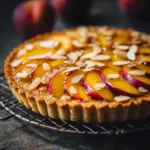
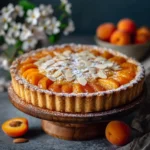
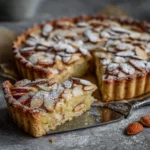
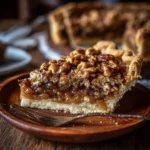
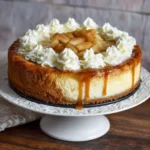
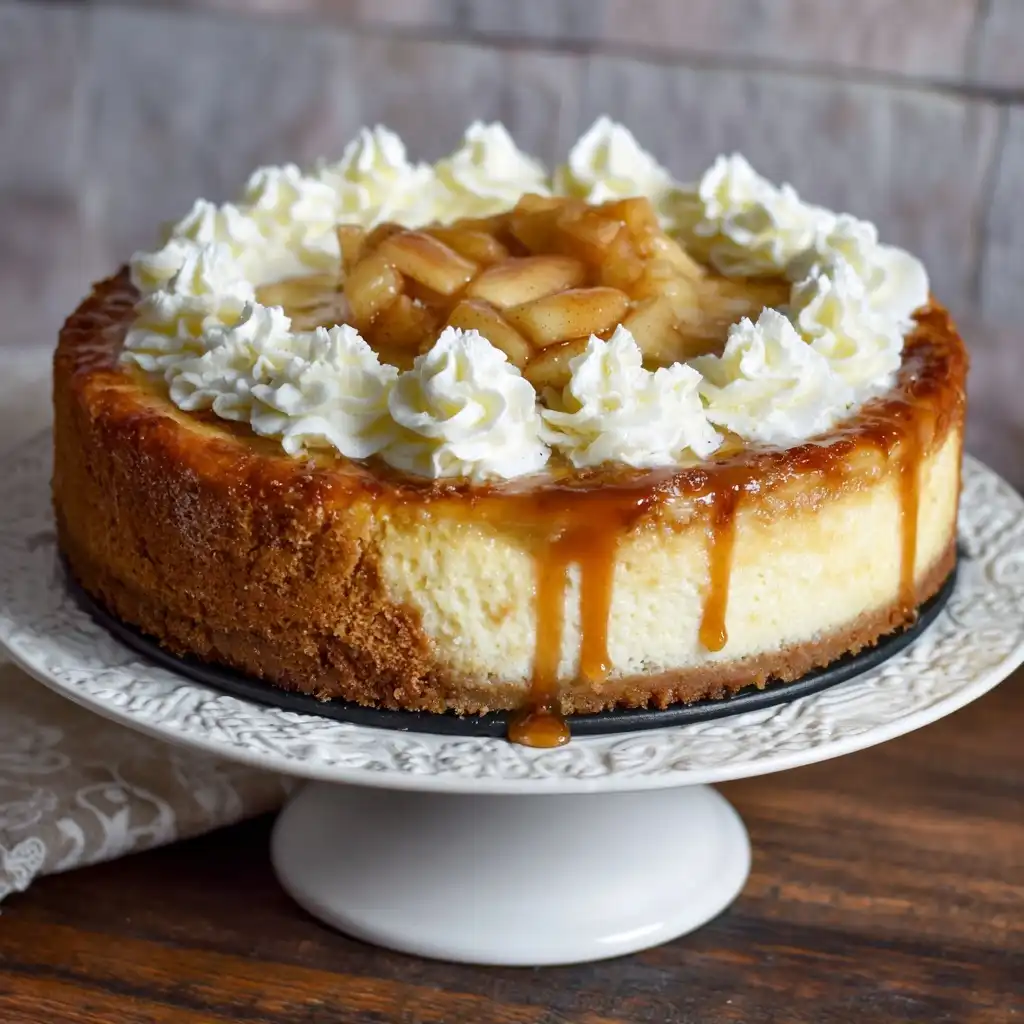
Apple Pie Cheesecake is the ultimate fusion dessert—a rich, velvety New York–style cheesecake seamlessly layered with the warm, spiced nostalgia of a classic American apple pie. It’s not merely a mashup of two beloved treats; it’s a harmonious marriage of textures and flavors where creamy tang meets buttery sweetness, crisp cinnamon apples nestle into dense yet airy filling, and a flaky, golden-brown crust anchors every bite. Whether served at Thanksgiving dinner, a cozy Sunday brunch, or as an elegant finale to a gourmet dinner party, this dessert commands attention—not just for its stunning visual layers (think caramelized apple ribbons peeking through smooth cream cheese), but for its deeply satisfying balance of richness, acidity, warmth, and comfort. More than a seasonal indulgence, Apple Pie Cheesecake represents culinary innovation rooted in tradition: a celebration of autumnal abundance reimagined through the lens of modern baking science and time-honored technique.
The History
The origins of Apple Pie Cheesecake lie at the fascinating intersection of two ancient dessert lineages. Apple pie traces its roots to medieval Europe—early versions appeared in 14th-century England as “pyes” filled with apples, spices, and sometimes even saffron, baked in rudimentary pastry coffins without modern leavening. By the 17th century, Dutch and English settlers brought apple cultivation and pie-making traditions to North America, where the dish evolved into the iconic symbol of Americana we recognize today. Meanwhile, cheesecake boasts an even older lineage: ancient Greeks crafted simple versions using honey-sweetened cheese and flour on sacred islands like Samos over 2,000 years ago—later adopted and refined by Romans, then carried across medieval Europe through monastic kitchens and Renaissance banquets. The modern American baked cheesecake emerged in the late 19th century with the advent of cream cheese (first commercially produced by William Lawrence in Chester, NY, in 1872) and was popularized by Arnold Reuben and later perfected by New York City bakers like Leo Stettner and the legendary Lindy’s Restaurant in the 1920s. The deliberate fusion into Apple Pie Cheesecake likely gained traction in the 1980s and ’90s amid the rise of “deconstructed desserts” and bakery chains experimenting with hybrid pastries—think The Cheesecake Factory’s seasonal menu innovations and regional bakeries in Michigan (the nation’s top apple-producing state) seeking to celebrate local harvests in inventive ways. Today, it stands as a testament to American baking ingenuity: a dessert that honors heritage while embracing creative reinterpretation.
Ingredients Breakdown
Every exceptional Apple Pie Cheesecake begins with intentional, high-quality ingredients—each selected not only for flavor but for functional performance in this complex, multi-layered structure. Below is a meticulous breakdown of purpose, sourcing notes, and science-backed rationale:
- Graham Cracker Crust Base: Whole-grain graham crackers (not honey-flavored variants, which add excess moisture) provide structural integrity and subtle molasses depth. Finely ground texture ensures uniform compaction; too-coarse crumbs lead to crumbling, while over-processing creates paste-like density. Melted unsalted butter binds the crumbs via fat-coating—critical for water resistance during the long bake—and brown sugar contributes caramel notes and hygroscopic properties that help retain crust tenderness.
- Cream Cheese: Full-fat, brick-style Philadelphia or similar domestic brand (8 oz blocks, not spreadable tubs) is non-negotiable. Spreadable versions contain stabilizers and added whey that destabilize the emulsion, causing cracking and graininess. Room-temperature cream cheese (68–72°F) is essential for smooth incorporation—cold cheese resists emulsification, creating lumps that persist even after prolonged mixing.
- Sour Cream & Heavy Cream: Sour cream adds acidity to balance sweetness and contributes lactic tang plus moisture retention, yielding a tender crumb. Heavy cream (36–40% milkfat) enriches mouthfeel and improves heat stability—its high fat content buffers against overcoagulation of proteins during baking, preventing rubberiness.
- Eggs: Large, cage-free eggs at room temperature ensure optimal emulsification and aeration. Cold eggs lower batter temperature, risking uneven setting and increasing crack risk. Eggs provide structure via coagulated proteins but must be added one at a time to avoid breaking the emulsion.
- Granulated Sugar: Not merely sweetener—sugar interferes with protein coagulation, delaying set point and allowing gentle, even baking. It also contributes to browning (Maillard reaction) and moisture retention (hygroscopicity).
- Vanilla Extract: Pure Madagascar bourbon vanilla—not imitation—adds floral, woody complexity that complements both apple and cream cheese. Alcohol content aids in flavor dispersion throughout the batter.
- Fine Sea Salt: Enhances all other flavors and counteracts cloying sweetness. Salt also strengthens gluten networks in the crust and subtly tightens protein structures in the filling for cleaner texture.
- Apples: A strategic blend is key: 60% firm-tart varieties (Granny Smith, Braeburn, or Northern Spy) for structure and bright acidity, and 40% aromatic-sweet types (Honeycrisp, Fuji, or Pink Lady) for fragrance and natural sugars. Avoid Red Delicious (mealy) or Golden Delicious (overly soft). Peel thinly (retain some pectin-rich skin if desired for jammy texture) and slice uniformly (¼-inch thick) for even cooking.
- Apple Filling Spices: Freshly grated nutmeg (not pre-ground) delivers volatile oils for brightness; ground cinnamon (Ceylon preferred for subtlety over Cassia’s heat); allspice (a single berry, not blend) for clove–pepper–cinnamon nuance; and a whisper of cardamom (ground from pods) for citrusy lift. Pre-mixing spices ensures even distribution and prevents bitter pockets.
- Lemon Juice & Zest: Fresh-squeezed lemon juice provides critical acidity to prevent browning *and* brighten the entire profile—cutting through fat without sourness. Zest introduces aromatic citrus oils that volatilize during baking, adding top-note complexity.
- Unsalted Butter (for Apples): Clarified or European-style (82–85% fat) butter prevents burning during sautéing and contributes rich, nutty depth versus standard butter’s water content, which causes steaming instead of caramelization.
- Cornstarch: Acts as a controlled thickener—too little yields runny layers; too much creates gummy, opaque fillings. Mixed with sugar before adding to apples to prevent clumping and ensure even gelatinization.
Step-by-Step Recipe
- Prepare the Crust (Day Before Recommended): Preheat oven to 350°F (177°C). Pulse 1 ½ cups finely crushed graham crackers, ⅓ cup light brown sugar, and ¼ tsp fine sea salt in a food processor until powdery. Add 6 tbsp melted unsalted butter; pulse until mixture resembles wet sand. Press firmly into bottom and 1 inch up sides of a 9-inch springform pan lined with parchment (bottom only). Bake 10 minutes until fragrant and set. Cool completely on wire rack—chill uncovered 30 minutes to firm before filling.
- Make the Apple Filling (Can Be Made 2 Days Ahead): In large nonstick skillet, melt 3 tbsp unsalted butter over medium heat. Add 4 cups peeled, cored, ¼-inch-thick apple slices (tossed with 1 tbsp lemon juice). Sauté 4 minutes until slightly softened but still holding shape. Stir in ½ cup granulated sugar, 1 tbsp cornstarch, 1 tsp ground cinnamon, ¼ tsp freshly grated nutmeg, ⅛ tsp ground allspice, ⅛ tsp ground cardamom, and ¼ tsp fine sea salt. Cook 5–6 minutes, stirring constantly, until syrup thickens, coats apples, and bubbles gently. Remove from heat; stir in 1 tsp lemon zest and 1 tbsp Calvados or apple cider vinegar (optional, for brightness). Spread onto parchment-lined baking sheet; cool 20 minutes, then refrigerate uncovered until cold (1 hour minimum) to prevent moisture transfer to cheesecake layer.
- Prepare Cheesecake Batter: Using stand mixer with paddle attachment, beat 24 oz full-fat cream cheese (room temp) on medium-low 2 minutes until completely smooth and glossy—scrape bowl thoroughly. Add 1 cup granulated sugar; beat 2 minutes until fluffy and pale. Scrape bowl. Add 1 cup sour cream and ½ cup heavy cream; mix 1 minute until homogenous. Add 1 tbsp pure vanilla extract and 1 tsp fine sea salt; mix 30 seconds. Add 4 large room-temp eggs one at a time, beating 30 seconds after each addition—do NOT overmix. Batter should be silky, lump-free, and pourable (like heavy cream). Refrigerate batter 30 minutes to de-aerate and chill—this minimizes air bubbles and thermal shock during baking.
- Assemble & Bake: Preheat oven to 325°F (163°C) with rack in lower third. Wrap exterior of springform pan tightly in double layers of heavy-duty aluminum foil (prevents water seepage). Place pan in large roasting dish. Pour chilled cheesecake batter over cooled crust. Smooth top with offset spatula. Arrange chilled apple filling in concentric circles or rustic swirls over batter—press gently to embed ⅛ inch deep (do not submerge). Carefully pour hot (just-boiled) water into roasting dish until it reaches halfway up springform pan (≈1.5 inches deep)—this creates steam bath for even, crack-free baking.
- Bake with Precision: Bake 1 hour 20 minutes. Rotate pan front-to-back at 1 hour. At 1 hour 20 minutes, edges should be set with 3-inch center wobble (like Jell-O). Turn OFF oven. Crack oven door open 1 inch with wooden spoon; let cake cool inside oven 1 hour. Remove from water bath; cool on wire rack 1 hour. Refrigerate uncovered 12 hours (minimum)—ideally 24–48 hours for full flavor melding and clean slicing.
- Final Touches Before Serving: Run thin knife under hot water, dry, and carefully loosen cake from pan sides. Release springform. Chill 15 minutes. Whip 1 cup cold heavy cream with 2 tbsp powdered sugar and ½ tsp vanilla to soft peaks. Pipe or dollop generously. Garnish with extra apple slices, candied walnuts, a drizzle of salted caramel, or micro mint.
Tips
- Temperature Discipline Is Non-Negotiable: All dairy and eggs must be truly room temperature (68–72°F)—leave out for 2 hours, not 30 minutes. Cold ingredients cause lumps, curdling, and poor emulsion. Use an instant-read thermometer to verify.
- Scrape Religiously: Scrape bowl and paddle after every mixing stage—especially after adding sugar and eggs—to eliminate undissolved sugar crystals and unincorporated cream cheese, which become visible specks post-bake.
- Water Bath Mastery: Use boiling water—not warm—to ensure consistent thermal mass. If water level drops below halfway during baking, carefully add more boiling water with a kettle. Never skip foil wrapping—even one pinhole leak ruins texture.
- Crack Prevention Protocol: Beyond water bath: avoid opening oven early; cool gradually (oven-off method); chill fully before unmolding; and never overmix after eggs are added. If cracks appear, embrace them—top with caramel apples and no one will notice.
- Apple Texture Control: Sauté apples until syrupy but still toothsome—overcooking makes them mushy and releases excess water. Cool completely before layering; warm apples create steam pockets in batter.
- Pan Prep Perfection: Line only the bottom with parchment (not sides)—it prevents sticking without interfering with crust adhesion. Grease sides lightly with butter for easy release.
- Patience Pays Off: Rushing the chill time leads to sloppy slices and muted flavor. Overnight chilling allows starches in apples to fully set and cheesecake proteins to relax, yielding clean cuts and balanced taste.
- Room-Temp Rest Before Serving: Remove from fridge 20 minutes before slicing—cold cake is dense and dulls flavor perception. This slight tempering unlocks aroma and creaminess.
- Knife Technique: Dip a long, thin-bladed knife in hot water, wipe dry, and slice in one confident motion—wipe between cuts. For flawless presentation, use dental floss: loop under cake, cross ends, and pull upward smoothly.
- Storage Wisdom: Store covered in fridge up to 5 days. Freeze unfrosted cake (wrap tightly in plastic + foil) up to 3 months—thaw overnight in fridge before serving. Never freeze with whipped cream topping.
Variations and Customizations
This recipe is a canvas—adaptable for dietary needs, seasonal produce, global flavors, and creative expression:
- Gluten-Free: Substitute gluten-free graham crackers (like Schär or Pamela’s) or a blend of almond flour (½ cup), oat flour (½ cup), and coconut sugar (⅓ cup) for crust. Ensure cornstarch is GF-certified.
- Vegan: Use cashew-based “cream cheese” (soaked raw cashews blended with lemon, coconut oil, and probiotic powder), coconut cream instead of sour cream/heavy cream, flax eggs, and vegan butter. Requires precise pH balancing—add ½ tsp apple cider vinegar to batter.
- Low-Sugar/Keto: Replace granulated sugar with erythritol-monk fruit blend (1:1 ratio); use Swerve Brown for crust. Increase vanilla and cinnamon to compensate for reduced Maillard browning. Note: texture may be slightly drier.
- Spiced Chai Variation: Infuse heavy cream with 2 chai tea bags (or 1 tbsp loose-leaf) for 20 minutes off-heat, then strain. Add ¼ tsp ground ginger and ⅛ tsp white pepper to apple spice blend.
- Bourbon Caramel Apple: Simmer ½ cup apple cider down to ¼ cup; whisk in ¼ cup bourbon and ⅓ cup dark brown sugar until glossy. Drizzle over finished cake and garnish with toasted pecans.
- Maple Pecan Swirl: Fold ⅓ cup pure maple syrup and ½ cup toasted chopped pecans into chilled cheesecake batter before pouring—create marbled effect with chopstick.
- Blackberry-Apple Hybrid: Replace 1 cup apples with fresh blackberries tossed in 1 tsp cornstarch. Layer berries beneath apple ribbon for tart contrast and jewel-toned flecks.
- Cheddar-Apple Crumble Top: Mix ½ cup sharp white cheddar, ¼ cup oats, 2 tbsp brown sugar, 2 tbsp cold butter. Sprinkle over apples pre-bake for savory-sweet crunch.
- Mini Mason Jar Version: Scale down for individual servings—use 4-oz jars, reduce bake time to 35–40 minutes in water bath. Perfect for gifts or portion control.
- Deconstructed “Pie à la Mode” Style: Serve chilled cheesecake squares topped with warm spiced apples, a quenelle of bourbon-vanilla ice cream, and crumbled graham cracker dust.
Health Considerations and Nutritional Value
While Apple Pie Cheesecake is inherently indulgent, mindful preparation can enhance its nutritional profile without sacrificing pleasure. A standard slice (1/12 of 9-inch cake, approx. 280g) contains approximately 520–580 calories, 32–38g total fat (18–22g saturated), 65–72g carbohydrates (42–48g sugars), 7–9g protein, and 220–280mg sodium. Key considerations include:
- Macronutrient Balance: The combination of complex carbs (from apples and graham), healthy fats (from cream cheese and butter), and moderate protein creates sustained satiety—unlike high-sugar, low-fiber desserts that spike blood glucose. Apples contribute 4–5g fiber per serving (pectin), supporting gut health and slowing sugar absorption.
- Natural Antioxidants: Apples (especially with skin) deliver quercetin, catechin, and chlorogenic acid—anti-inflammatory flavonoids linked to cardiovascular and cognitive benefits. Cinnamon offers cinnamaldehyde, shown in studies to improve insulin sensitivity.
- Dairy Nuances: Full-fat dairy in moderation is associated in recent research with neutral or even positive metabolic outcomes compared to low-fat, high-sugar alternatives. Fermented components in sour cream provide probiotics (though heat during baking reduces viability).
- Sodium Awareness: Most sodium comes from cream cheese and butter—not added salt. Opt for low-sodium cream cheese (if available) and reduce crust salt to ⅛ tsp without compromising flavor.
- Sugar Reduction Strategies: Cutting granulated sugar by 25% (to ¾ cup in batter) is imperceptible to most palates due to apple’s natural sweetness and vanilla’s flavor-enhancing effect. Brown sugar in crust can be reduced by 1 tbsp without textural loss.
- Allergen Notes: Contains dairy, eggs, wheat (unless GF crust used), and tree nuts (if garnished). Easily adapted for nut-free, soy-free, and corn-free diets (substitute arrowroot for cornstarch).
- Mindful Enjoyment: Portion control remains vital—serving size matters more than ingredient tweaks. Pair with herbal tea (cinnamon or ginger) to aid digestion and savor slowly to enhance satisfaction signals.
Ingredients
For the Graham Cracker Crust:
- 1 ½ cups (150g) finely crushed plain graham crackers (about 12 full sheets)
- ⅓ cup (67g) light brown sugar, packed
- ¼ teaspoon fine sea salt
- 6 tablespoons (85g) unsalted butter, melted
For the Spiced Apple Filling:
- 4 medium apples (about 1 lb / 450g), peeled, cored, and sliced ¼-inch thick (Granny Smith + Honeycrisp recommended)
- 1 tablespoon fresh lemon juice
- 3 tablespoons (42g) unsalted butter
- ½ cup (100g) granulated sugar
- 1 tablespoon cornstarch
- 1 teaspoon ground cinnamon
- ¼ teaspoon freshly grated nutmeg
- ⅛ teaspoon ground allspice
- ⅛ teaspoon ground cardamom
- ¼ teaspoon fine sea salt
- 1 teaspoon lemon zest
- 1 tablespoon Calvados, apple brandy, or apple cider vinegar (optional but recommended)
For the Cream Cheese Layer:
- 24 ounces (680g) full-fat brick-style cream cheese, room temperature
- 1 cup (200g) granulated sugar
- 1 cup (240g) full-fat sour cream, room temperature
- ½ cup (120ml) heavy cream (36–40% fat), room temperature
- 1 tablespoon pure vanilla extract
- 1 teaspoon fine sea salt
- 4 large eggs, room temperature
For Garnish (Optional):
- 1 cup (240ml) heavy cream, chilled
- 2 tablespoons powdered sugar
- ½ teaspoon pure vanilla extract
- Additional thin apple slices, toasted walnuts, salted caramel drizzle, or edible flowers
Directions
- Preheat oven to 350°F (177°C). Lightly grease the bottom and sides of a 9-inch springform pan. Line the bottom with a round of parchment paper.
- Make the crust: In a medium bowl, combine graham cracker crumbs, brown sugar, and salt. Pour in melted butter and stir with a fork until all crumbs are evenly moistened and the mixture holds together when pinched. Press firmly and evenly into the bottom and 1 inch up the sides of the prepared pan. Bake for 10 minutes, or until fragrant and set. Cool completely on a wire rack—about 30 minutes. Reduce oven temperature to 325°F (163°C) once crust is baked.
- Prepare the apple filling: In a large nonstick skillet over medium heat, melt butter. Add apple slices and lemon juice; sauté for 4 minutes, stirring occasionally, until apples begin to soften but retain shape. Stir in sugar, cornstarch, cinnamon, nutmeg, allspice, cardamom, and salt. Cook 5–6 minutes longer, stirring constantly, until syrup thickens and coats apples. Remove from heat; stir in lemon zest and Calvados (if using). Transfer to a parchment-lined baking sheet and spread into an even layer. Cool completely at room temperature, then refrigerate uncovered for at least 1 hour (or up to 2 days).
- Make the cheesecake batter: In the bowl of a stand mixer fitted with the paddle attachment, beat cream cheese on medium-low speed for 2 minutes, scraping bowl thoroughly, until completely smooth and creamy. Add sugar and beat for 2 more minutes until light and fluffy. Scrape bowl. Add sour cream and heavy cream; mix on medium for 1 minute until fully combined. Add vanilla and salt; mix 30 seconds. Add eggs one at a time, beating for 30 seconds after each addition—do not overmix. Batter should be silky, lump-free, and pourable. Cover and refrigerate for 30 minutes.
- Assemble: Place springform pan on a large piece of heavy-duty aluminum foil. Wrap foil tightly around the outside of the pan, going up the sides at least twice to ensure watertight sealing. Place pan inside a large roasting pan. Pour chilled cheesecake batter into the cooled crust. Smooth top with an offset spatula. Gently arrange chilled apple filling in decorative pattern over batter—press lightly to embed.
- Bake in water bath: Carefully pour boiling water into the roasting pan until water reaches halfway up the sides of the springform pan (≈1.5 inches). Place roasting pan in preheated 325°F oven. Bake for 1 hour 20 minutes—center should jiggle slightly like Jell-O when gently shaken. After baking, turn OFF oven, crack door open 1 inch with a wooden spoon, and let cake cool inside for 1 hour. Carefully remove roasting pan from oven; lift springform pan out of water. Cool on wire rack for 1 hour.
- Chill thoroughly: Refrigerate uncovered for a minimum of 12 hours—but ideally 24–48 hours—for optimal texture, flavor development, and clean slicing.
- Unmold and serve: Run a thin, flexible knife around inner edge of pan. Release springform clamp. Carefully lift off outer ring. Slide thin metal spatula under parchment to lift cake onto serving platter. Whip cream garnish ingredients until soft peaks form. Pipe or dollop generously. Slice with hot, wiped knife. Serve chilled.
FAQ
- Can I make this without a water bath?
- No—water bath is essential for even, gentle heat transfer that prevents cracking, curdling, and rubbery texture. Skipping it significantly increases failure risk. Foil-wrapping and careful water handling make it manageable.
- Why do my apples sink to the bottom?
- Apples were likely too warm or too juicy when layered. Always cool filling completely and pat dry with paper towels if excess syrup pools. Also ensure batter is well-chilled before layering—it’s denser and better supports fruit.
- Can I use canned apple pie filling?
- Not recommended. Canned fillings contain excess water, preservatives, and artificial thickeners that destabilize the cheesecake layer and mute fresh apple flavor. Homemade ensures control over texture and taste.
- What if my cheesecake cracks?
- Minor cracks are normal and easily disguised. To minimize: avoid overmixing, use water bath, cool gradually, and don’t open oven early. If cracks occur, top generously with caramel apples or whipped cream—no one will know!
- Can I freeze Apple Pie Cheesecake?
- Yes! Unfrosted, fully chilled cake freezes beautifully for up to 3 months. Wrap tightly in plastic wrap, then heavy-duty foil. Thaw overnight in refrigerator before serving. Do not freeze with whipped cream or fresh fruit topping.
- Is there a way to make it lighter?
- You can substitute half the cream cheese with Neufchâtel (⅓ less fat), use Greek yogurt instead of sour cream, and reduce sugar by 25%. However, texture and richness will change—test first in a mini version.
- How do I prevent a soggy crust?
- Pre-baking (blind baking) is critical. Ensure crust is fully cooled before filling. Also, pressing crumbs very firmly and using brown sugar (which absorbs less moisture than white) helps maintain integrity.
- Can I prepare components ahead?
- Absolutely. Crust can be baked 3 days ahead and stored airtight