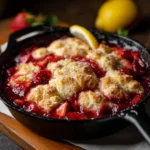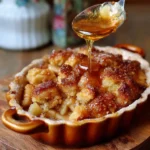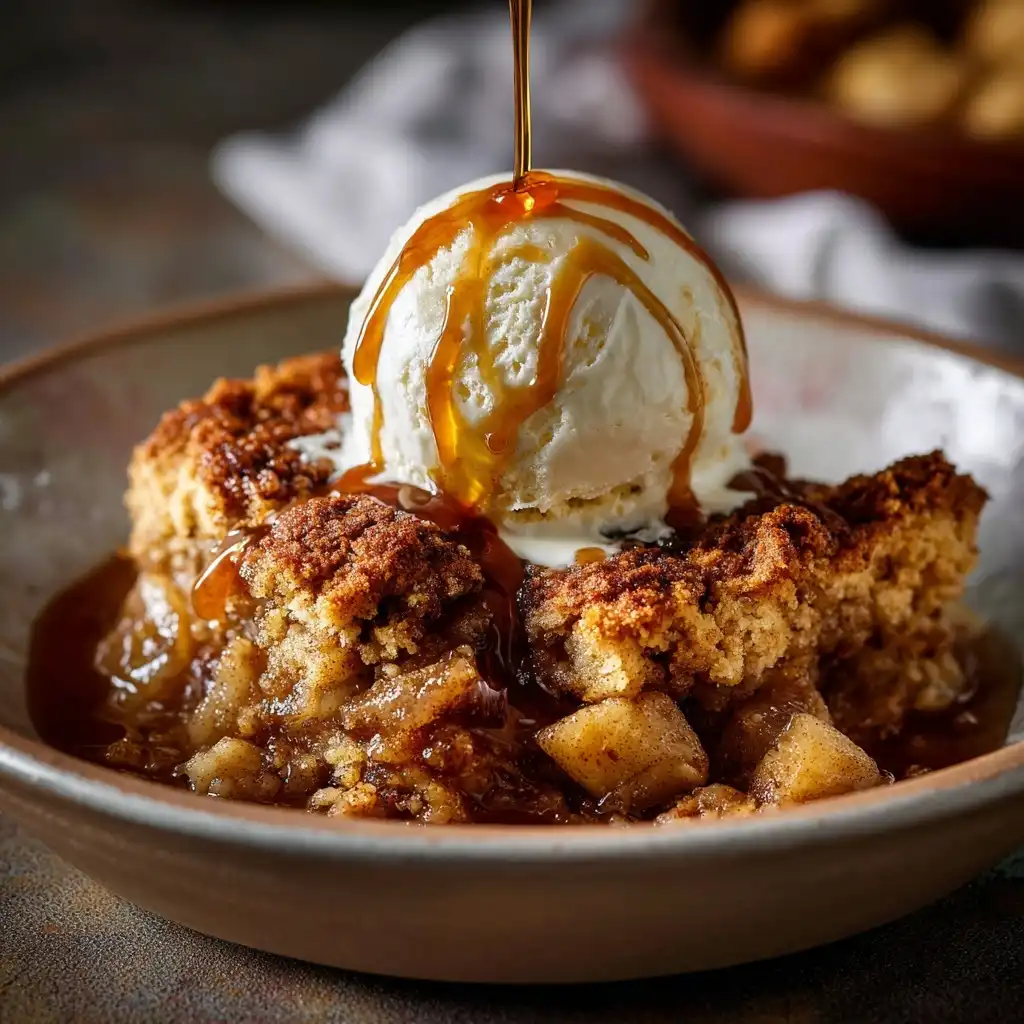
Introduction
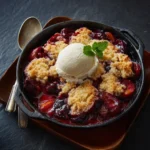
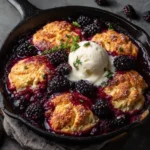
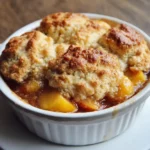
Apple Spice Cobbler is a timeless American dessert that embodies the warmth, comfort, and seasonal richness of autumn. More than just a simple baked treat, it’s a soul-soothing symphony of tender spiced apples nestled beneath a golden, biscuit-like topping—crisp at the edges, soft and fluffy within, with caramelized sugar glaze pooling delicately around the fruit. Unlike crisps (which feature an oat-based streusel) or crumbles (with buttery flour-sugar-nut clusters), a cobbler is defined by its drop-biscuit or rolled-dough topping that “cobble” over the filling—rising gently as it bakes, creating pockets of steam, flavor, and textural contrast. This version elevates tradition with a thoughtfully layered spice profile, slow-cooked apple tenderness, and optional enhancements—from bourbon-infused glazes to brown butter–toasted pecans—making it equally at home at a rustic farmhouse dinner, a holiday potluck, or a quiet Sunday evening treat shared with loved ones.
The History
The origins of the cobbler trace back to 17th-century England, where early versions were more akin to “cobbled” pies—rough-cut pastry patches laid over stewed fruit. When English settlers arrived in colonial America, they adapted the dish out of necessity: lacking pie tins, precise rolling pins, or consistent oven temperatures, they turned to skillet baking and simplified doughs made from pantry staples like flour, lard or butter, milk, and baking powder. By the mid-1800s, cobblers had become deeply embedded in Southern and Appalachian foodways—often baked in cast iron over open hearths or wood-burning stoves. Apples, abundant across North America—from wild crabapples to cultivated varieties like Winesap and Baldwin—were natural stars of the filling. The addition of warm spices—cinnamon, nutmeg, allspice, and clove—reflected both colonial trade routes and frontier ingenuity, as dried spices were shelf-stable, potent, and transformative. The term “spice cobbler” gained traction in regional cookbooks by the early 1900s, notably in *The Settlement Cook Book* (1901) and *Southern Cooking* by Henrietta Stanley Dull (1928), where recipes emphasized local apples, molasses or sorghum syrups, and sometimes even ginger beer or cider vinegar for brightness. Today, Apple Spice Cobbler stands not only as a nostalgic heirloom but also as a canvas for modern interpretation—gluten-free flours, vegan dairy swaps, heritage apple varietals, and global spice inflections—all while honoring its humble, resilient roots.
Ingredients Breakdown
Every element in Apple Spice Cobbler serves a distinct functional and sensory purpose—understanding their roles empowers confident customization and troubleshooting:
- Apples (4–5 medium, ~2¼ lbs): A blend is ideal—tart and firm (e.g., Granny Smith, Braeburn, or Northern Spy) for structure and acidity, balanced with sweet and aromatic (e.g., Honeycrisp, Fuji, or Pink Lady) for depth and caramelization. Avoid Red Delicious (mealy when baked) or Golden Delicious (can turn mushy). Peeling is optional but recommended for refined texture; cores must always be removed.
- Granulated Sugar (¾ cup): Provides sweetness, aids in caramelization, and helps draw out apple juices to create the signature syrupy bottom layer. Adjust down to ½ cup if using very sweet apples or adding maple syrup.
- Brown Sugar (¼ cup, light or dark): Adds molasses notes, moisture retention, and rich color. Dark brown sugar intensifies toffee-like depth; light yields milder warmth.
- Lemon Juice (1 tbsp fresh): Brightens flavor, prevents browning pre-bake, and balances sweetness without perceptible tartness. Bottled juice lacks volatile citrus oils and can introduce off-notes.
- Spice Blend (2 tsp ground cinnamon, ½ tsp ground nutmeg, ¼ tsp ground allspice, ⅛ tsp ground cloves, pinch of ground ginger): Cinnamon anchors the profile; nutmeg adds floral warmth; allspice contributes peppery complexity; cloves lend intensity (use sparingly); ginger offers subtle zing. For superior aroma, toast whole spices and freshly grind—though high-quality pre-ground works beautifully when stored properly.
- Salted Butter (2 tbsp, cold and cubed): Enriches the filling with luxurious mouthfeel and promotes gentle thickening as it emulsifies with released pectin. Unsalted butter is fine—just adjust added salt accordingly.
- All-Purpose Flour (1 tbsp): Acts as a gentle thickener—enough to prevent runniness but not so much as to mute fruit clarity. Cornstarch (1½ tsp) or tapioca starch (1 tsp) are excellent gluten-free alternatives with higher thickening power and glossier sheen.
- Vanilla Extract (1 tsp pure): Enhances fruit sweetness and rounds out spice sharpness. Bourbon-vanilla or Madagascar-grade extract delivers exceptional nuance.
- For the Topping – All-Purpose Flour (1¾ cups): Provides structure and lift. For tenderness, substitute up to ¼ cup with cake flour or finely ground almond flour.
- Baking Powder (2 tsp) & Baking Soda (¼ tsp): Dual leavening ensures reliable rise and airy crumb—even with acidic ingredients like lemon or brown sugar.
- Granulated Sugar (¼ cup) & Brown Sugar (2 tbsp): Sweetens the biscuit and encourages browning. Turbinado or demerara sugar sprinkled on top before baking adds delightful crunch.
- Salt (¾ tsp fine sea salt): Critical for flavor balance—not just in the topping, but also subtly enhancing the filling’s complexity.
- Cold Unsalted Butter (½ cup, 1 stick, cubed): Creates flaky, tender layers when cut into flour. Keep refrigerated until the moment of use; frozen butter grated on a box grater works exceptionally well for even distribution.
- Heavy Cream (¾ cup, very cold) & Whole Milk (¼ cup): Cream lends richness and browning; milk adds hydration and tenderness. Buttermilk (¾ cup) may replace both for tang and extra lift—reduce baking soda to ⅛ tsp if using.
- Optional Enhancements: 1 tbsp bourbon or apple brandy (added to filling), ¼ cup toasted walnuts or pecans (folded into topping), 1 tsp orange zest (with lemon juice), or a drizzle of reduced apple cider (½ cup simmered to 2 tbsp) brushed over warm cobbler.
Step-by-Step Recipe
- Preheat & Prep: Position oven rack in the lower third. Preheat oven to 375°F (190°C). Generously butter a 9×13-inch ceramic or glass baking dish (or a deep 12-inch cast-iron skillet). Line a large plate with parchment paper.
- Prepare the Filling: Peel, core, and slice apples into ¼-inch-thick wedges (about 6–7 cups). In a large nonreactive bowl, combine apples, granulated sugar, brown sugar, lemon juice, vanilla, spices, and salt. Gently toss with hands or a silicone spatula until evenly coated. Let macerate 15 minutes—this draws out juices and begins softening the fruit.
- Thicken & Enrich: Sprinkle flour (or starch) over macerated apples and toss again. Add cold cubed butter. Using fingertips or a pastry cutter, work butter into the mixture until coated and slightly glossy—do not overmix. Transfer filling to prepared baking dish, spreading evenly. If using bourbon or cider reduction, pour over now. Bake filling alone for 20 minutes—this jumpstarts caramelization and reduces excess liquid before topping is added.
- Make the Biscuit Dough: In a food processor fitted with a steel blade (or large mixing bowl), pulse or whisk together flour, sugars, baking powder, baking soda, and salt. Add cold cubed butter. Pulse in 1-second bursts (or cut in with a pastry blender) until mixture resembles coarse crumbs with some pea-sized butter pieces remaining. Do not overwork—visible butter = flakiness.
- Hydrate the Dough: Pour in cold heavy cream and milk. Pulse (or stir with a fork) just until a shaggy, slightly sticky dough forms—about 8–10 pulses. It should hold together when pinched but not be wet or smooth. If too dry, add 1 tsp cold milk; if too wet, sprinkle in 1 tsp flour. Avoid overmixing—gluten development leads to toughness.
- Portion & Top: Turn dough onto floured parchment. Lightly flour hands and gently pat into a ¾-inch-thick rectangle. Cut into 8–10 equal squares or use a ¼-cup ice cream scoop to portion rounded mounds. Arrange evenly over hot apple filling, leaving small gaps between pieces for steam escape and edge browning. Press edges lightly to seal where needed.
- Finish & Bake: Brush tops generously with remaining heavy cream or milk. Sprinkle with turbinado sugar and a tiny pinch of flaky sea salt. Place dish on a foil-lined baking sheet (to catch potential bubbling overflow). Bake at 375°F for 40–48 minutes—until topping is deep golden brown, crisp at the edges, and springy to the touch, and filling is bubbling vigorously around the sides.
- Cool & Set: Remove from oven and place on a wire rack. Let rest undisturbed for at least 35–45 minutes. This crucial step allows the filling to thicken fully and prevents scalding bites or collapsed topping. Serve warm—not hot—and never straight from the oven.
Tips
- Apple Selection Matters Most: Use 3–4 varieties for multidimensional flavor and texture—e.g., 2 Granny Smith + 1 Honeycrisp + 1 Braeburn. Test ripeness by gently pressing near the stem; slight give indicates peak juiciness without mushiness.
- Chill Everything: Cold butter, cold dairy, and even briefly chilled flour (10 min in freezer) dramatically improve biscuit tenderness and rise. Warm ingredients cause premature fat melting and dense results.
- Don’t Skip the Par-Bake: Baking the filling alone for 20 minutes eliminates sogginess, concentrates flavor, and ensures the topping cooks through without burning. Skipping this step often yields undercooked fruit and pale, gummy topping.
- Measure Flour Correctly: Spoon flour into measuring cup and level with a knife—don’t scoop directly from the bag (causes 25%+ over-measurement). Too much flour = tough, dry biscuits.
- Resist Overmixing: Once liquid hits flour, mix only until *just combined*. Lumps are welcome; smooth batter guarantees chewiness.
- Watch the Oven, Not Just the Timer: Ovens vary wildly. Start checking at 38 minutes: topping should be deeply bronzed, not pale gold. If browning too fast, tent loosely with foil—but remove last 8 minutes for crispness.
- Cooling Is Non-Negotiable: Cutting too soon releases steam and thin syrup, breaking the delicate balance. The filling thickens via pectin and starch gelatinization as it cools—patience rewards you with perfect consistency.
- Reheating Right: To revive leftovers, cover loosely with foil and warm at 325°F for 15–20 minutes. Microwaving makes topping rubbery and filling watery. For à la mode service, warm cobbler first, then add cold ice cream.
- Cast Iron Bonus: If using cast iron, preheat the empty skillet in the oven for 5 minutes before adding filling—it enhances crust formation and even baking.
- Batch Scaling: To double, use two 9×13 dishes (not one larger pan)—baking time increases only 5–7 minutes. Tripling requires separate oven racks and rotating pans halfway.
Variations and Customizations
Apple Spice Cobbler joyfully welcomes creativity—here are inspired, tested adaptations for every palate and pantry:
- Gluten-Free: Replace all-purpose flour with a 1:1 GF blend containing xanthan gum (e.g., King Arthur or Bob’s Red Mill). Add ½ tsp additional xanthan gum to topping flour mix for elasticity. Use GF certified oats in a streusel variation if preferred over biscuit.
- Vegan: Fillings: swap butter for cold coconut oil or vegan butter; use maple syrup instead of brown sugar. Topping: replace cream/milk with full-fat coconut milk + unsweetened almond milk; use vegan butter; ensure baking powder is aluminum-free and vegan-certified. Flax “egg” (1 tbsp ground flax + 2.5 tbsp water) can bind if dough feels too crumbly.
- Overnight Make-Ahead: Assemble filling and refrigerate up to 24 hours. Prepare biscuit dough, shape into discs, wrap tightly, and chill. On baking day, place cold dough over cold filling and bake—add 5–7 minutes to total time.
- Deep-Dish & Individual: For dramatic presentation, bake in a 4-qt Dutch oven (covered first 25 min, uncovered last 20). For personal servings, divide filling among six 10-oz ramekins; top with 2–3 biscuit rounds each; bake 28–32 minutes.
- Spice Twists: “Chai Cobbler”: replace standard spices with 1½ tsp chai spice blend + ¼ tsp cardamom. “Mexican-Inspired”: add ½ tsp ancho chili powder + 1 tsp orange zest + 1 tbsp piloncillo. “Maple-Ginger”: swap brown sugar for dark maple syrup + 1 tbsp minced candied ginger.
- Fruit Swaps & Blends: Add 1 cup peeled, diced pear or quince for floral nuance; fold in ½ cup fresh or frozen cranberries (toss with 1 tsp sugar first) for bright tartness; replace 1 cup apples with roasted sweet potato purée for earthy sweetness and velvety texture.
- Topping Alternatives: Drop Biscuit: Scoop heaping tablespoons directly onto hot filling—no rolling needed. Oat-Streusel: Mix 1 cup oats, ½ cup flour, ⅓ cup brown sugar, 6 tbsp cold butter, 1 tsp cinnamon—crumble over filling. Buttermilk Skillet Cornbread: Whisk 1 cup cornmeal, ½ cup flour, ¼ cup sugar, 1 tbsp baking powder, ½ tsp salt, 1 cup buttermilk, 2 eggs, ¼ cup melted butter—pour over apples and bake.
- Alcoholic Infusions: Stir 2 tbsp Calvados, bourbon, or spiced rum into warm filling before topping. Or brush baked cobbler with warm reduction: simmer ½ cup apple cider + 2 tbsp bourbon + 1 tbsp brown sugar until syrupy (5–7 min).
- Herbal & Floral Notes: Infuse cream with 1 tsp fresh thyme or rosemary (steep 10 min, strain, chill) for topping. Stir 1 tsp dried lavender (culinary grade) into spice blend—or garnish finished dish with candied violets.
- Breakfast Cobbler: Reduce sugar by half, omit spices, add ½ cup chopped toasted almonds and 2 tbsp flaxseed to topping, and serve with Greek yogurt instead of ice cream.
Health Considerations and Nutritional Value
While Apple Spice Cobbler is inherently a celebratory dessert, thoughtful ingredient choices and portion awareness allow for mindful enjoyment—especially given apples’ well-documented phytonutrient benefits. A standard serving (1/12th of a 9×13 recipe, approx. 1 cup with ½ scoop ice cream) contains roughly 320–380 calories, 48–55g carbohydrates (including 32–38g sugars), 4–6g protein, 12–15g fat (7–9g saturated), and 3–4g dietary fiber. Key nutritional highlights include:
- Apples: Rich in soluble fiber (pectin), which supports gut health and may help moderate blood cholesterol and glucose response. Also contain quercetin (anti-inflammatory flavonoid), vitamin C, and potassium.
- Spices: Cinnamon has been studied for potential insulin-sensitizing effects; nutmeg contains myristicin (antioxidant); cloves rank among the highest ORAC-value foods for free-radical scavenging.
- Whole Grain Option: Substituting ½ cup of the topping flour with white whole wheat or oat flour boosts fiber (+2g/serving) and B vitamins without compromising texture.
- Sugar Reduction Strategies: Cut total sugar by 25% (to ¾ cup combined) with no noticeable loss in perceived sweetness—enhance with vanilla, citrus zest, and spice depth. Replace half the sugar with monk fruit–erythritol blend (1:1 ratio) for keto-friendly versions (note: may affect browning).
- Fat Quality: Using grass-fed butter or cultured ghee adds CLA (conjugated linoleic acid) and vitamin K2. For heart-health focus, substitute 2 tbsp of the butter in the topping with cold-pressed walnut or avocado oil.
- Dairy Alternatives: Unsweetened oat or cashew milk maintain creaminess with fewer saturated fats. Coconut cream (canned, full-fat) adds lauric acid and richness—ideal for vegan prep.
- Glycemic Considerations: Pairing cobbler with protein-rich accompaniments (Greek yogurt, cottage cheese, or a side of roasted turkey sausage) slows carbohydrate absorption and sustains satiety.
- Allergen Notes: Naturally nut-free and egg-free (in classic version). For soy-free, verify baking powder and vanilla extract. Always label clearly when serving guests with dietary restrictions.
- Mindful Serving: A ⅔-cup portion satisfies cravings without excess. Serve in shallow bowls to visually enhance portion size. Encourage savoring—eating slowly improves digestion and satisfaction signals.
It’s worth emphasizing that nutrition science increasingly affirms the value of joyful, culturally meaningful eating. Apple Spice Cobbler, enjoyed intentionally and occasionally, contributes to emotional nourishment, intergenerational connection, and culinary resilience—dimensions no calorie count can quantify.
Ingredients
Makes 12 servings
For the Apple Filling:
- 4–5 medium apples (about 2¼ lbs), such as Granny Smith, Honeycrisp, and Braeburn—peeled, cored, and sliced ¼-inch thick (6–7 cups)
- ¾ cup granulated sugar
- ¼ cup packed light or dark brown sugar
- 1 tablespoon fresh lemon juice
- 1 teaspoon pure vanilla extract
- 2 teaspoons ground cinnamon
- ½ teaspoon ground nutmeg
- ¼ teaspoon ground allspice
- ⅛ teaspoon ground cloves
- Pinch of ground ginger
- ½ teaspoon fine sea salt
- 2 tablespoons cold unsalted butter, cubed
- 1 tablespoon all-purpose flour (or 1½ tsp cornstarch for gluten-free)
For the Spiced Biscuit Topping:
- 1¾ cups all-purpose flour (or 1½ cups AP + ¼ cup cake flour for extra tenderness)
- ¼ cup granulated sugar
- 2 tablespoons packed light brown sugar
- 2 teaspoons baking powder
- ¼ teaspoon baking soda
- ¾ teaspoon fine sea salt
- ½ cup (1 stick) cold unsalted butter, cubed
- ¾ cup very cold heavy cream
- ¼ cup cold whole milk (or buttermilk—see Tips)
For Finishing:
- 1 tablespoon heavy cream or milk (for brushing)
- 1–2 tablespoons turbinado or demerara sugar
- Flaky sea salt, for sprinkling
Directions
- Preheat oven to 375°F (190°C). Position rack in lower third. Generously butter a 9×13-inch baking dish (or 12-inch cast-iron skillet). Line a plate with parchment.
- In a large bowl, combine sliced apples, granulated sugar, brown sugar, lemon juice, vanilla, cinnamon, nutmeg, allspice, cloves, ginger, and salt. Toss gently until apples are evenly coated. Let sit 15 minutes.
- Sprinkle flour (or cornstarch) over apples and toss again. Add cold cubed butter and gently work in with fingertips until butter is coated and mixture looks slightly glossy. Transfer to prepared dish, spreading evenly.
- Place dish on center oven rack and bake filling alone for 20 minutes.
- Meanwhile, make topping: In food processor (or large bowl), whisk together flour, sugars, baking powder, baking soda, and salt. Add cold cubed butter. Pulse (or cut in) until mixture resembles coarse crumbs with visible pea-sized butter bits.
- Pour in cold heavy cream and milk. Pulse (or stir with fork) just until dough begins to clump and holds together when squeezed—about 8–10 pulses. Do not overmix.
- Turn dough onto floured parchment. Lightly flour hands and gently pat into ¾-inch-thick rectangle. Cut into 8–10 squares—or scoop with ¼-cup measure. Arrange evenly over hot filling, leaving small gaps.
- Brush tops with remaining cream or milk. Sprinkle generously with turbinado sugar and a pinch of flaky salt. Place dish on foil-lined baking sheet.
- Bake 40–48 minutes, until topping is deep golden brown, crisp at edges, springy to touch, and filling bubbles vigorously around sides.
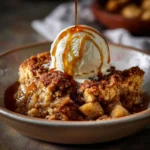
- Remove from oven. Cool on wire rack for 45 minutes minimum before serving. Serve warm with vanilla ice cream, spiced whipped cream, or crème fraîche.
FAQ
- Can I make this cobbler ahead of time?
- Yes! Fully assemble (filling + uncooked topping) and refrigerate covered for up to 24 hours. Add 5–7 minutes to baking time. Baked cobbler keeps refrigerated for 4 days—reheat covered at 325°F for 15–20 minutes.
- Why did my topping sink or become gummy?
- Most often due to underbaking the filling first (excess liquid), overmixing the dough (gluten development), or using warm ingredients (butter melted prematurely). Ensure filling bubbles vigorously before topping, and keep all dairy/butter ice-cold.
- Can I freeze Apple Spice Cobbler?
- Unbaked assembled cobbler freezes well for up to 3 months—wrap tightly in plastic + foil. Thaw overnight in fridge, then bake as directed (add 10–12 minutes). Baked cobbler freezes less ideally (topping softens), but slices can be wrapped individually and reheated from frozen.
- What’s the best way to reheat leftovers?
- Individual portions: microwave 45–60 sec (cover with damp paper towel to retain moisture). Full dish: cover with foil, bake at 325°F for 15–20 minutes. Never reheat uncovered—the topping dries out.
- My filling is too runny after baking. What went wrong?
- Under-thickening (too little flour/starch), underripe apples (low pectin), skipping the par-bake step, or cutting into cobbler too soon. Next time, increase flour to 1½ tbsp, use a blend of underripe and ripe apples, and wait the full 45 minutes before serving.
- Can I use canned or pre-sliced apples?
- Fresh apples are strongly recommended—canned apples are too soft and sugary; pre-sliced often contain preservatives and lack textural integrity. If absolutely necessary, drain canned apples thoroughly and reduce added sugar by ¼ cup.
- Is there a low-sugar version?
- Absolutely. Reduce total sugar to ½ cup (¼ cup granulated + ¼ cup brown), boost spice by 25%, add 1 tsp orange zest and 1 tsp apple cider vinegar to filling, and serve with unsweetened yogurt. Fiber-rich topping (whole grain flour + oats) further moderates glycemic impact.
- What ice cream pairs best?
- Classic vanilla bean is perfect. For elevated pairings: bourbon vanilla, salted caramel, cinnamon snickerdoodle, or maple walnut. Vegan? Try coconut milk–based cinnamon or spiced chai ice cream.
- Can I make this in a slow cooker?
- Yes—with adaptation. Layer filling in greased slow cooker. Prepare biscuit dough, drop by spoonfuls over top (do not stir). Cook on LOW 3–4 hours—until topping is set and filling bubbly. Note: texture differs (softer topping, less caramelization), but convenient and delicious