Introduction
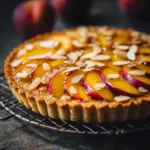
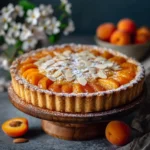
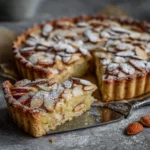
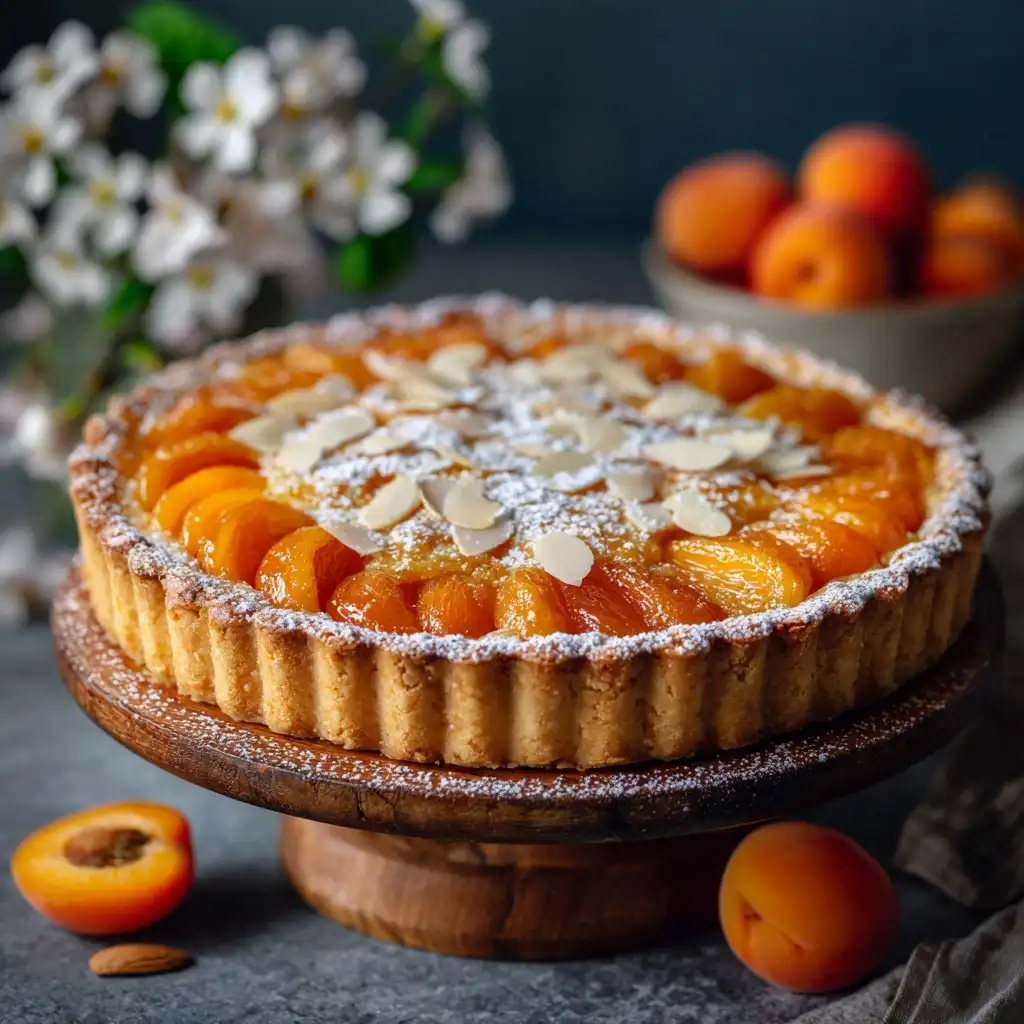
The Apricot Almond Tart is a timeless, elegant dessert that marries the sun-kissed sweetness of ripe apricots with the rich, nutty depth of almond cream—often known as frangipane. With its golden-brown, buttery shortcrust base, luscious layer of velvety almond filling, and artfully arranged jewel-toned apricot halves or slices, this tart embodies rustic sophistication. It’s equally at home on a spring brunch table, a summer garden party spread, or an intimate winter dessert course—especially when served warm with a dollop of crème fraîche or vanilla bean ice cream. More than just visually arresting, it offers a harmonious balance of textures: crisp yet tender crust, creamy yet slightly chewy frangipane, and tender-yet-firm fruit that retains its delicate floral acidity. Whether you’re a seasoned baker or a curious beginner, this tart rewards patience with profound flavor—and invites endless creative expression.
The History
The origins of the Apricot Almond Tart trace back centuries through the intertwined culinary traditions of France, Central Europe, and the Mediterranean. Its foundation—the almond-based frangipane filling—is named after the 16th-century Italian nobleman Marquis Muzio Frangipani, whose family created a fragrant almond-scented perfume used to scent gloves. French bakers of the Renaissance era adapted the concept into a delicately spiced almond custard, eventually evolving into the smooth, buttery, egg-enriched frangipane we know today. By the 18th century, frangipane had become a staple in French patisserie, commonly encased in puff pastry or pâte sucrée for tarts like the Tarte aux Abricots. Meanwhile, apricots—native to ancient China and introduced to Europe via Armenia (hence their Latin name Prunus armeniaca)—flourished across Provence and the Rhône Valley, where ideal microclimates produced intensely aromatic, low-acid fruit perfect for baking. The marriage of local apricots and regional frangipane was inevitable—and by the late 19th century, recipes for “Tarte Frangipane aux Abricots” appeared regularly in French household cookbooks such as those by Madame Saint-Ange and later, Curnonsky. In America, the tart gained popularity mid-20th century through food writers like M.F.K. Fisher and Julia Child, who championed its simplicity and seasonal integrity. Today, it stands as a global symbol of mindful, ingredient-driven baking—honoring terroir, tradition, and technique alike.
Ingredients Breakdown
Every element of the Apricot Almond Tart serves a precise functional and sensory role—understanding each one deepens both mastery and appreciation:
- Pâte Sucrée (Sweet Shortcrust Pastry): A classic French tart dough made with all-purpose flour (for structure), confectioners’ sugar (for tenderness and subtle sweetness without graininess), unsalted butter (for flakiness, richness, and laminated texture), egg yolk (for binding, moisture control, and golden hue), and a pinch of salt (to balance and elevate all flavors). Cold ingredients and minimal handling prevent gluten overdevelopment—ensuring a crumbly-yet-sturdy base that holds up to moist fillings.
- Frangipane (Almond Cream): Not merely ground almonds and butter—but a carefully emulsified custard. Blanched almond flour provides pure nuttiness and fine texture; granulated sugar adds sweetness and aids in aeration; softened unsalted butter contributes mouthfeel and stability; eggs bind and lend gentle lift; a touch of all-purpose flour or cornstarch prevents splitting during baking; pure almond extract (not imitation) delivers authentic aromatic depth; and a whisper of lemon zest brightens the richness. Some traditional versions include a spoonful of rum or kirsch for complexity—though this remains optional.
- Fresh Apricots: Ripe but firm, with vibrant orange-gold skin and slight give near the stem. Underripe apricots lack sweetness and release too little juice; overripe ones turn mushy and bleed excess liquid into the frangipane. Look for varieties like ‘Blenheim’, ‘Moorpark’, or ‘Tilton’ for superior flavor and baking integrity. Organic fruit is preferred—especially since apricot skins are left on for visual appeal and added fiber/phenolics.
- Finishing Glaze: A warm apricot jam–water mixture (often strained) brushed over baked fruit imparts glossy sheen, seals in moisture, enhances natural color, and adds a subtle fruity tang. Alternatives include neutral apple jelly or a light honey-water syrup for vegan adaptations.
- Optional Enhancements: Flaked or sliced toasted almonds scattered before baking add crunch and visual contrast; a dusting of powdered sugar post-baking lends elegance; a sprinkle of crushed amaretti cookies folded into frangipane introduces bittersweet depth and textural intrigue; edible flowers (like pansies or violets) offer stunning presentation for special occasions.
Step-by-Step Recipe
- Prepare the Pâte Sucrée (at least 1 hour ahead—or overnight): In a food processor, pulse 1 ¼ cups (160g) chilled all-purpose flour, ¼ cup (30g) confectioners’ sugar, and ¼ tsp fine sea salt until combined. Add ½ cup (115g) very cold unsalted butter, cut into small cubes, and pulse until the mixture resembles coarse meal with some pea-sized butter pieces remaining. Add 1 large cold egg yolk and 1–2 tsp ice water; pulse just until the dough begins to clump. Turn onto parchment, gather into a disk, wrap tightly, and refrigerate for minimum 1 hour (up to 3 days) or freeze for up to 1 month.
- Roll & Blind-Bake the Crust: Preheat oven to 375°F (190°C). On a lightly floured surface, roll chilled dough into a 12-inch (30cm) circle ~⅛-inch thick. Carefully transfer to a 10-inch (25cm) fluted tart pan with removable bottom. Gently press into edges and trim excess. Prick base all over with a fork. Line with parchment and fill with pie weights or dried beans. Bake for 18–20 minutes, until edges are pale gold. Remove weights and parchment; bake 5–7 more minutes until base looks dry and lightly golden. Cool completely on a wire rack—this prevents soggy bottoms.
- Make the Frangipane: In a stand mixer fitted with paddle attachment, beat ¾ cup (170g) softened unsalted butter on medium until creamy (~1 min). Gradually add ¾ cup (75g) granulated sugar; beat 2–3 minutes until pale and fluffy. Scrape bowl. Add 1 large room-temp egg + 1 yolk (reserve white for glaze); beat 1 minute until incorporated. Reduce speed to low; add 1 cup (95g) blanched almond flour, 2 tbsp (15g) all-purpose flour, 1 tsp pure almond extract, ½ tsp finely grated lemon zest, and a pinch of salt. Mix just until uniform—do not overbeat. Transfer to a bowl, cover, and refrigerate 15 minutes to firm slightly (eases spreading).
- Prep the Apricots: Wash and dry 12–14 medium apricots. Cut in half and remove pits. For classic presentation: arrange halves cut-side-up in concentric circles. For refined elegance: slice halves thinly (~¼-inch) and fan overlapping layers. Optional: toss lightly with 1 tsp lemon juice to prevent browning.
- Assemble & Bake: Spoon chilled frangipane into cooled crust and spread evenly with an offset spatula, leaving a ½-inch border. Arrange apricots decoratively over filling. Optional: scatter 2 tbsp toasted sliced almonds over fruit. Bake at 375°F (190°C) for 40–48 minutes—rotating halfway—until frangipane is deeply golden, puffed, and set (a toothpick inserted near center should come out clean), and apricots are tender with caramelized edges. Cool on rack at least 45 minutes before removing rim.
- Glaze & Finish: While tart cools, warm ⅓ cup (80g) apricot jam with 1 tsp water in a small saucepan over low heat; strain through fine-mesh sieve to remove solids. Brush gently over warm apricots using a pastry brush. Let set 10 minutes. Dust with powdered sugar or finish with fresh mint just before serving.
Tips
- Chill Religiously: Butter must be cold for pastry and softened (not melted) for frangipane. Room temperature ≠ warm—ideally 62–65°F (17–18°C). Use an instant-read thermometer if uncertain.
- Prevent Soggy Bottoms: Always fully cool prebaked crust before filling. If humidity is high, place cooled shell in freezer for 5 minutes before adding frangipane.
- Almond Flour Quality Matters: Use ultra-fine, blanched almond flour—not almond meal (which is coarser and oilier) nor roasted almond flour (which can taste bitter when baked long). Bob’s Red Mill or Honeyville are reliable brands.
- Apricot Ripeness Test: Gently squeeze near stem end—it should yield slightly, like a ripe peach, but not feel squishy. Avoid any with green shoulders or bruising.
- Even Baking Trick: Place tart on lowest oven rack for first 25 minutes to ensure bottom cooks through, then move to middle rack to finish.
- Frangipane Consistency Check: If too soft to spread, chill longer. If too stiff, let sit at room temp 2 minutes—never microwave. Overmixing causes separation; stop as soon as uniform.
- Cooling Is Non-Negotiable: Cutting too soon releases steam and causes filling collapse. Minimum 45-minute cooling ensures structural integrity and optimal slice definition.
- Storage Wisdom: Keep uncovered at cool room temperature up to 2 days (frangipane firms beautifully). Refrigerate beyond that—but bring to room temp 30 minutes before serving for best texture and flavor release.
Variations and Customizations
This tart is a canvas for seasonal, cultural, and dietary creativity—without compromising its soul:
- Stone Fruit Swaps: Substitute equal weight of ripe plums (purple or yellow), nectarines, or peaches. For plums, reduce sugar in frangipane by 1 tbsp—they’re more tart. For peaches, blanch and peel first to avoid fibrous texture.
- Nut Variations: Replace up to half the almond flour with finely ground hazelnuts (skin-on for earthiness) or pistachios (shelled, unsalted) for vibrant green hue and sweet-herbal notes. Toast nuts first for deeper flavor.
- Gluten-Free Adaptation: Use 1:1 gluten-free flour blend (like King Arthur Measure-for-Measure or Bob’s Red Mill) in both crust and frangipane. Add ½ tsp xanthan gum to crust if blend doesn’t include it. Ensure almond flour is certified GF.
- Vegan Version: Crust: replace egg yolk with 1 tbsp cold plant milk + ½ tsp apple cider vinegar; use vegan butter (Miyoko’s or Naturli’). Frangipane: substitute butter with cultured vegan butter, egg with 2 tbsp aquafaba + 1 tsp cornstarch (whisked until frothy), and add 1 tsp psyllium husk powder for binding. Use maple syrup–reduced apricot compote for glaze.
- Spiced & Herbal Twists: Add ¼ tsp ground cardamom or star anise to frangipane. Infuse glaze with 1 small strip of lemon verbena or 2 fresh thyme sprigs (steep 5 minutes, then strain). Top with crystallized ginger slivers.
- Decadent Upgrades: Layer 2 tbsp raspberry or blackberry coulis beneath frangipane before adding fruit. Or, pipe a ring of dark chocolate ganache around inner edge before arranging apricots for a dramatic “frame.”
- Mini-Tartlet Format: Press dough into 12 standard muffin tin cups (greased + lined with parchment rounds). Fill with 1 tbsp frangipane + 1 apricot half per cup. Bake at 375°F for 22–26 minutes. Perfect for parties or portion control.
- Savory-Sweet Brunch Version: Omit almond extract; add 1 tsp fresh rosemary and 2 tbsp grated Manchego or aged Gouda to frangipane. Top with halved fresh figs and prosciutto crisps baked alongside.
Health Considerations and Nutritional Value
A single generous slice (1/10th of a 10-inch tart) contains approximately 320–360 calories, with nuanced nutritional benefits and mindful considerations:
- Almonds & Almond Flour: Rich in monounsaturated fats (heart-healthy), vitamin E (potent antioxidant), magnesium (supports muscle and nerve function), and plant-based protein (~6g per ¼ cup). Their fiber content promotes satiety and gut health.
- Apricots: Packed with beta-carotene (converted to vitamin A for vision and immunity), potassium (electrolyte balance), and polyphenols like chlorogenic acid (anti-inflammatory). One medium apricot provides ~9% DV vitamin A and 2g fiber—especially concentrated in the skin.
- Butter vs. Alternatives: Traditional butter contributes saturated fat (~12g/slice), but also butyrate—a short-chain fatty acid linked to gut barrier integrity. Grass-fed butter adds conjugated linoleic acid (CLA) and higher vitamin K2. For reduced saturated fat, substitute up to half the butter with extra-virgin olive oil in frangipane (adds peppery nuance).
- Sugar Awareness: Total added sugars average 22–26g per slice—mainly from granulated sugar (frangipane) and confectioners’ sugar (crust). Reduce by 1–2 tbsp total without sacrificing texture; rely on apricot’s natural sweetness. Consider coconut sugar for lower glycemic impact (though flavor shifts subtly).
- Dietary Accommodations: Naturally egg-free variations exist (see Vegan section). Nut-free versions are challenging due to frangipane’s identity—but sunflower seed butter + oat flour blends can mimic texture (with adjusted baking time). Low-FODMAP? Use lactose-free butter and limit apricots to 2 halves per serving (Monash-certified moderate serve).
- Balanced Enjoyment: This tart is not “health food,” but a nutrient-dense celebration dessert. Pair with Greek yogurt (protein/fat balance) or a small green salad with lemon vinaigrette to round the meal. Mindful portioning—savoring slowly—enhances satisfaction and reduces overconsumption.
Ingredients
For the Pâte Sucrée (Sweet Shortcrust Pastry):
- 1 ¼ cups (160g) all-purpose flour, plus extra for dusting
- ¼ cup (30g) confectioners’ sugar
- ¼ teaspoon fine sea salt
- ½ cup (115g) unsalted butter, very cold, cubed
- 1 large egg yolk, cold
- 1–2 teaspoons ice water
For the Frangipane (Almond Cream):
- ¾ cup (170g) unsalted butter, softened to 62–65°F (17–18°C)
- ¾ cup (75g) granulated sugar
- 1 large egg + 1 egg yolk, room temperature
- 1 cup (95g) blanched almond flour (super-fine)
- 2 tablespoons (15g) all-purpose flour
- 1 teaspoon pure almond extract
- ½ teaspoon finely grated lemon zest
- Pinch of fine sea salt
For the Apricot Topping & Finish:
- 12–14 medium ripe but firm apricots (about 1 lb / 450g)
- ⅓ cup (80g) apricot jam (preferably seedless and no added pectin)
- 1 teaspoon water
- Optional: 2 tablespoons sliced or slivered almonds, toasted
- Optional: Powdered sugar, for dusting
- Optional: Fresh mint leaves, for garnish
Directions
- Make the pastry dough: In a food processor, combine flour, confectioners’ sugar, and salt. Pulse 3 times to mix. Add cold butter cubes; pulse 10–12 times until mixture resembles coarse crumbs with visible pea-sized butter bits. Add cold egg yolk and 1 tsp ice water; pulse 4–5 times until dough begins to clump. If too dry, add second tsp water. Turn dough onto parchment paper, gather into a cohesive disk, flatten slightly, wrap tightly, and refrigerate for at least 1 hour (or up to 3 days).
- Preheat oven & prepare tart pan: Position oven rack in lower third. Preheat oven to 375°F (190°C). Lightly grease a 10-inch (25cm) fluted tart pan with removable bottom; line bottom with parchment if desired (not required).
- Roll and line the tart pan: On a lightly floured surface, roll chilled dough into a 12-inch (30cm) circle, ~⅛-inch thick. Carefully drape over tart pan. Gently press into fluted sides and bottom without stretching. Trim excess dough flush with rim using a rolling pin or knife. Prick base all over with a fork. Freeze for 15 minutes (or refrigerate 30 minutes) to relax gluten and solidify butter.
- Blind-bake the crust: Line chilled crust with parchment paper or silicone baking mat. Fill with ceramic pie weights or dried beans, ensuring even coverage to edges. Bake 18–20 minutes, until edges are pale golden. Carefully remove weights and parchment. Return crust to oven and bake 5–7 minutes more, until base appears dry and very lightly golden. Transfer to wire rack; cool completely—minimum 45 minutes.
- Prepare frangipane: Using stand mixer with paddle attachment, beat softened butter on medium speed 1 minute until creamy. Add granulated sugar gradually; beat 2–3 minutes until pale, fluffy, and doubled in volume. Scrape bowl thoroughly. Add egg and yolk one at a time, beating 30 seconds after each addition until fully incorporated. Reduce speed to low; add almond flour, all-purpose flour, almond extract, lemon zest, and salt. Mix just until homogenous—no more than 30 seconds. Scrape into bowl, cover, and refrigerate 15 minutes.
- Prepare apricots: Wash, dry, and halve apricots. Remove pits. For classic look: place halves cut-side up. For fanned presentation: slice each half into 4–5 thin wedges and gently separate.
- Assemble: Spread chilled frangipane evenly into cooled crust, leaving ½-inch border exposed. Arrange apricot halves (or fanned slices) decoratively over filling—overlapping slightly in concentric rings. Optional: sprinkle toasted almonds over fruit.
- Bake: Place tart on lowest oven rack. Bake at 375°F (190°C) for 40–48 minutes—rotating halfway—until frangipane is deeply golden brown, puffed, and set (center should not jiggle; toothpick inserted near center comes out clean), and apricot edges are caramelized and tender when pierced with tip of knife.
- Cool & glaze: Cool tart in pan on wire rack for 45 minutes. Meanwhile, warm apricot jam and water in small saucepan over low heat 2–3 minutes, stirring, until fluid. Strain through fine-mesh sieve into bowl. While tart is still warm (but not hot), gently brush glaze over apricots using pastry brush. Let set 10 minutes.
- Serve: Run thin knife around inner edge to loosen. Carefully remove outer ring. Slice with sharp chef’s knife dipped in hot water and wiped dry between cuts. Serve at room temperature, optionally with crème fraîche, vanilla ice cream, or unsweetened whipped cream.
FAQ
- Can I make the dough ahead?
- Absolutely. Pâte sucrée keeps beautifully refrigerated for up to 3 days or frozen for 1 month. Thaw overnight in fridge before rolling.
- Why did my frangipane sink or crack?
- Sinking usually means underbaking or opening oven too early. Cracking often results from overbeating frangipane (incorporating too much air) or extreme oven temperature fluctuations. Ensure proper cooling of crust and steady oven heat.
- Can I use canned apricots?
- Fresh is strongly recommended for texture, flavor, and appearance. If essential, use high-quality, packed-in-juice (not syrup) apricot halves—drain *thoroughly*, pat dry, and reduce baking time by 5–8 minutes. Expect softer fruit and less caramelization.
- My crust shrank while baking—what went wrong?
- Overworking dough, insufficient chilling, or stretching dough while transferring to pan causes shrinkage. Always chill dough before rolling *and* after lining pan. Never stretch—lift and settle gently.
- How do I store leftovers?
- Uncovered at cool room temperature up to 2 days. Refrigerate up to 5 days—bring to room temperature 30 minutes before serving. Do not freeze fully assembled tart (frangipane separates).
- Can I substitute almond extract with something else?
- Yes—though flavor profile changes. Try ½ tsp pure vanilla extract + ¼ tsp amaretto (almond liqueur) for similar depth. Avoid imitation almond extract—it contains benzaldehyde (bitter chemical) and lacks complexity.
- Is this tart suitable for Passover?
- Not traditionally—due to flour and leavening agents. However, a certified kosher-for-Passover version exists using potato starch, matzo cake meal, and almond flour-based crust (consult rabbinic authority for specific guidelines).
- Can I add other fruits to the frangipane?
- Not recommended—frangipane is a precise emulsion. Adding wet ingredients (like mashed fruit) destabilizes it. Instead, layer cooked fruit compote *beneath* frangipane or nestle whole berries *on top* before baking.
- What’s the best way to achieve a glossy glaze?
- Straining is key—any pulp creates cloudiness. Warm jam gently (don’t boil); apply in thin, even strokes while tart is warm (not hot) for maximum adhesion and shine.
- Can I make mini tarts in a muffin tin?
- Yes! Grease standard 12-cup muffin tin. Press 1½ tbsp dough into each cup, pressing up sides. Prebake at 375°F for 12–14 minutes. Fill with 1 tsp frangipane + 1 apricot half. Bake 22–26 minutes. Cool 10 minutes before removing.
Summary
The Apricot Almond Tart is a masterclass in seasonal elegance—where buttery pâte sucrée, luxuriously nutty frangipane, and jewel-toned ripe apricots unite in golden harmony. Rooted in centuries of European patisserie tradition, it rewards careful technique with profound flavor, textural contrast, and timeless visual grace.
Whether baked for a quiet Sunday ritual or a celebratory gathering, this tart invites reverence for simple, exceptional ingredients—and reminds us that the most memorable desserts are those made with patience, presence, and a generous heart.