Introduction
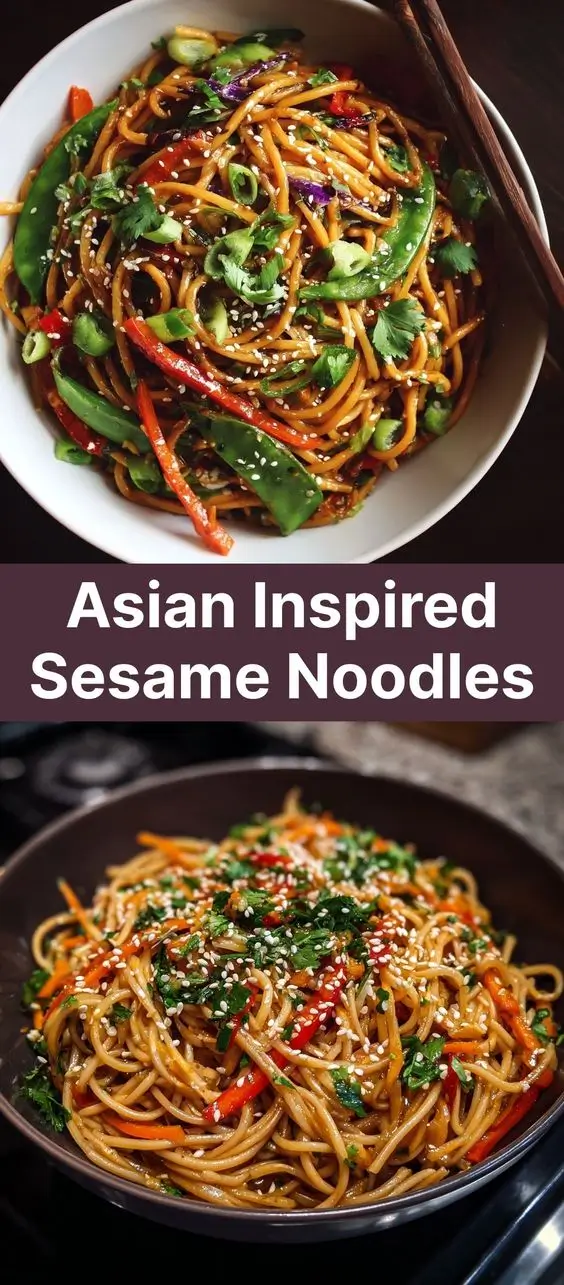
Asian Inspired Sesame Noodles are a delightful fusion of rich, nutty flavors, aromatic spices, and savory umami notes that transport your taste buds straight to the bustling street food markets of East Asia. This beloved dish combines the creaminess of sesame paste or tahini with soy sauce, rice vinegar, garlic, and chili oil to create a deeply satisfying flavor profile that’s both bold and balanced. Whether served warm or cold, these noodles are perfect for quick weeknight dinners, meal prep, or as a standout side at gatherings. Their versatility makes them a favorite among home cooks and food enthusiasts alike, offering endless opportunities for customization based on dietary preferences and available ingredients.
The History
Sesame-based noodle dishes have deep roots in Chinese culinary traditions, particularly in regions like Sichuan, Beijing, and Shanghai, where sesame paste has long been used as a key ingredient in cold noodle salads and dipping sauces. The use of sesame seeds in Chinese cooking dates back over 2,000 years, with historical records indicating their value not only for flavor but also for medicinal properties in traditional Chinese medicine. Over time, variations of sesame noodles spread across East and Southeast Asia, adapting to local tastes—incorporating elements like Thai chili pastes, Japanese miso, or Korean gochujang. As Asian cuisine gained global popularity in the 20th century, especially in North America and Europe, chefs and home cooks began crafting “Asian-inspired” versions that blended authentic techniques with accessible ingredients. Today’s version of Asian Inspired Sesame Noodles reflects this evolution—a harmonious blend of tradition and modern innovation that celebrates cultural exchange through food.
Ingredients Breakdown
The magic of Asian Inspired Sesame Noodles lies in its carefully balanced ingredients, each contributing texture, depth, and complexity:
- Sesame Paste or Tahini: The star ingredient, providing a rich, creamy base with a distinct nutty aroma. Authentic Chinese sesame paste (zhīma jiàng) is darker and more intensely roasted than Western tahini, but high-quality tahini works well as a substitute.
- Noodles: Traditionally, wheat-based noodles such as lo mein, udon, or ramen are used. For gluten-free options, rice noodles or soba (buckwheat) noodles can be excellent alternatives.
- Soy Sauce: Adds saltiness and umami. Use reduced-sodium soy sauce if desired, or tamari for a gluten-free option.
- Rice Vinegar: Offers a mild tanginess that brightens the dish without overpowering other flavors.
- Garlic: Freshly minced garlic adds pungency and depth—essential for building flavor layers.
- Ginger: Grated fresh ginger brings warmth and subtle spiciness, enhancing the overall aroma.
- Chili Oil or Sriracha: Introduces heat and complexity; homemade chili oil with infused spices like Sichuan peppercorns elevates the experience.
- Honey or Maple Syrup: A touch of sweetness balances the salty and sour components, rounding out the sauce.
- Sesame Oil: Used both in the sauce and for finishing, it enhances the nutty profile with its deep, toasted fragrance.
- Green Onions and Cilantro: Fresh herbs add color, crunch, and a refreshing contrast.
- Toppings: Optional additions include crushed peanuts, toasted sesame seeds, shredded carrots, cucumber ribbons, edamame, or even protein like grilled chicken, tofu, or shrimp.
Step-by-Step Recipe
- Cook the Noodles: Bring a large pot of salted water to a boil. Add your choice of noodles (8–12 oz depending on servings) and cook according to package instructions until al dente. Reserve ½ cup of starchy pasta water before draining. Rinse under cold water if serving chilled, or toss immediately with a bit of sesame oil to prevent sticking.
- Prepare the Sauce: In a medium bowl, whisk together ½ cup tahini or sesame paste, 3 tablespoons soy sauce, 2 tablespoons rice vinegar, 1 tablespoon sesame oil, 1 tablespoon honey or maple syrup, 2 cloves minced garlic, 1 tablespoon grated fresh ginger, and 1–2 teaspoons chili oil (adjust to taste). If the mixture is too thick, gradually add warm water or reserved noodle water, one tablespoon at a time, until smooth and pourable.
- Combine Noodles and Sauce: Transfer the cooked noodles to a large mixing bowl. Pour the prepared sauce over them and toss thoroughly using tongs or two forks, ensuring every strand is coated. Add additional reserved pasta water as needed to loosen the sauce.
- Add Aromatics and Veggies: Fold in thinly sliced green onions, chopped cilantro, and any raw vegetables you’re using—such as julienned carrots, bell peppers, or cucumber.
- Rest and Marinate (Optional): Let the dressed noodles sit for 5–10 minutes to absorb the flavors, especially if serving cold.
- Adjust Seasoning: Taste and adjust seasoning—add more soy sauce for saltiness, vinegar for acidity, honey for sweetness, or chili oil for heat.
- Serve: Divide into bowls and top generously with crushed roasted peanuts, extra green onions, sesame seeds, and a drizzle of chili oil or sesame oil for aroma.
Tips
- Don’t Skip the Noodle Water: The starchy liquid helps emulsify the sauce, making it cling better to the noodles.
- Bloom the Garlic and Ginger: For deeper flavor, lightly sauté minced garlic and ginger in sesame oil before adding to the sauce—just don’t let them burn.
- Use Warm Tahini: Cold tahini tends to seize up when mixed with acidic liquids. Let it come to room temperature or warm it slightly before whisking.
- Toast Your Own Sesame Seeds: Lightly toast sesame seeds in a dry pan until golden for enhanced flavor before sprinkling on top.
- Balancing Flavors Is Key: Always taste and adjust—great sesame noodles should balance salty, sweet, sour, spicy, and nutty elements.
- Make Ahead Friendly: This dish keeps well in the fridge for up to 3 days. Store sauce separately if prepping in advance, then combine just before serving.
- Double the Sauce: Extra sauce can be stored in a sealed jar in the refrigerator for up to 2 weeks—perfect for dressings or stir-fry enhancements.
Variations and Customizations
One of the greatest strengths of Asian Inspired Sesame Noodles is their adaptability. Here are some creative ways to personalize the dish:
- Protein Boost: Add grilled teriyaki chicken, sesame-crusted tuna, marinated tofu, tempeh, shrimp, or even soft-boiled eggs for added nutrition.
- Vegetable-Packed: Toss in sautéed mushrooms, bok choy, snap peas, broccoli, zucchini noodles (zoodles), or pickled daikon radish for extra texture and nutrients.
- Spice It Up: Incorporate gochujang (Korean chili paste), doubanjiang (spicy bean paste), or fresh bird’s eye chilies for an intense heat kick.
- Umami Upgrade: Stir in a teaspoon of miso paste or a splash of fish sauce for deeper savory notes.
- Nut-Free Version: Replace tahini with sunflower seed butter or omit entirely and increase sesame oil with a creamy base like coconut milk or Greek yogurt.
- Low-Carb Option: Use spiralized vegetables like zucchini, sweet potato, or kelp noodles instead of grain-based pasta.
- Fusion Twists: Add Mediterranean flair with chopped olives and feta, or go tropical with mango, pineapple, and cashews.
- Peanut-Free Crunch: Swap peanuts with sunflower seeds, pumpkin seeds, or crispy fried shallots for allergy-safe crunch.
Health Considerations and Nutritional Value
While undeniably delicious, Asian Inspired Sesame Noodles can vary significantly in nutritional content based on ingredients and portion size. Here’s a general breakdown per serving (approx. 1.5 cups, moderate toppings):
- Calories: 450–600 kcal (depending on noodle type, oil, and additions)
- Fat: 20–30g (mostly healthy fats from sesame and oils)
- Carbohydrates: 60–75g (primarily from noodles)
- Protein: 10–18g (higher with added tofu, chicken, or edamame)
- Sodium: Can range from 600–1200mg; control by using low-sodium soy sauce and limiting added salt.
- Fiber: 4–7g (especially when loaded with vegetables and whole grain or buckwheat noodles).
Health Benefits:
- Sesame seeds and tahini are rich in heart-healthy monounsaturated fats, calcium, magnesium, iron, and antioxidants like sesamin and sesamolin.
- Fresh garlic and ginger offer anti-inflammatory and immune-supportive properties.
- Using whole grain or legume-based noodles increases fiber and protein intake.
- Plant-based versions are naturally cholesterol-free and can support cardiovascular health when consumed in moderation.
Considerations:
- High-fat content means portion control is important for weight management.
- Those with nut or sesame allergies should avoid or substitute cautiously.
- Individuals managing blood pressure should monitor sodium levels by choosing reduced-sodium condiments.
- Diabetics may opt for lower-glycemic noodles like soba or shirataki and reduce sweeteners.
Ingredients
- 8 oz (225g) noodles (udon, lo mein, ramen, or soba)
- ½ cup tahini or Chinese sesame paste
- 3 tbsp soy sauce (or tamari for gluten-free)
- 2 tbsp rice vinegar (unseasoned)
- 1 tbsp toasted sesame oil
- 1 tbsp honey or maple syrup
- 2 cloves garlic, finely minced
- 1 tbsp fresh ginger, grated
- 1–2 tsp chili oil (store-bought or homemade)
- ¼ cup warm water or reserved noodle water (as needed)
- 3 green onions, thinly sliced
- ¼ cup fresh cilantro, chopped
- ½ cup shredded carrots (optional)
- ½ cup cucumber, julienned (optional)
- ⅓ cup crushed roasted peanuts
- 1 tbsp toasted sesame seeds
- Extra chili oil and sesame oil for drizzling
Directions
- Fill a large pot with water and bring to a rolling boil. Add a pinch of salt and the noodles. Cook according to package directions until tender yet firm (al dente). Once done, drain and reserve ½ cup of the cooking water. Rinse the noodles under cold water if making a cold version, then shake off excess moisture. Alternatively, toss warm noodles with a little sesame oil to prevent sticking.
- In a medium mixing bowl, combine tahini, soy sauce, rice vinegar, sesame oil, honey, minced garlic, grated ginger, and chili oil. Whisk vigorously until smooth. The mixture may thicken initially—gradually add warm water or reserved noodle water, one tablespoon at a time, until the sauce reaches a creamy, pourable consistency.
- Pour the sauce over the cooked noodles in a large bowl. Using tongs or two forks, toss gently but thoroughly until all noodles are evenly coated. If the sauce clings too heavily, add another splash of reserved water to loosen.
- Add sliced green onions, chopped cilantro, shredded carrots, and cucumber. Toss again to incorporate.
- Let the mixture rest for 5–10 minutes to allow the flavors to meld, especially if serving at room temperature or chilled.
- Taste and adjust: Add more soy sauce for saltiness, vinegar for brightness, honey for sweetness, or chili oil for heat.
- Divide into serving bowls. Top with crushed peanuts, extra green onions, toasted sesame seeds, and a final drizzle of chili oil and sesame oil for maximum aroma and visual appeal.
- Serve immediately as a main course or side dish. Great alongside spring rolls, dumplings, or grilled meats.
FAQ
Can I make this recipe vegan?
Yes! Simply ensure your sweetener is plant-based (like maple syrup instead of honey) and verify that your noodles don’t contain egg (check labels on ramen or lo mein varieties).
Is this dish supposed to be served hot or cold?
It can be enjoyed either way! Traditionally, sesame noodles are served cold or at room temperature, especially in summer. However, warming the sauce slightly and tossing with hot noodles creates a comforting warm version.
Why is my sauce too thick or clumpy?
Tahini often seizes when mixed with acidic ingredients. To prevent this, always use room-temperature tahini and thin it gradually with warm liquid while whisking continuously.
Can I use peanut butter instead of tahini?
You can, but the flavor will shift toward a more peanut-forward profile. Peanut butter is sweeter and less bitter than tahini, so you may need to reduce sweetener and increase acidity slightly.
How long do leftovers last?
Stored in an airtight container in the refrigerator, sesame noodles will keep for 3–4 days. They may dry out slightly upon refrigeration—revive with a splash of water or extra sauce when reheating.
Are there gluten-free options?
Absolutely. Use tamari instead of soy sauce and choose gluten-free noodles such as rice noodles, mung bean noodles (glass noodles), or certified gluten-free soba.
Can I freeze this dish?
Freezing is not recommended due to the dairy-free creamy sauce, which may separate upon thawing. However, the sauce alone can be frozen for up to 2 months and thawed before use.
What can I do if I don’t have rice vinegar?
Apple cider vinegar or white wine vinegar can work in a pinch, though they’ll alter the flavor slightly. Avoid distilled white vinegar, which is too harsh.
Summary
Asian Inspired Sesame Noodles are a flavorful, versatile dish that blends creamy tahini, savory soy sauce, aromatic garlic, and spicy chili oil over tender noodles for a satisfying meal any time of year.
Easily customized for dietary needs and packed with bold umami notes, this recipe bridges tradition and modern taste—perfect for busy nights, meal prep, or impressing guests with minimal effort.