Introduction
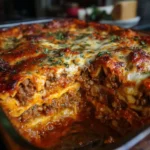
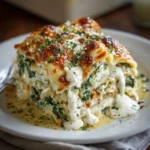
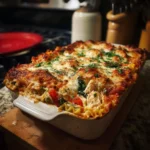
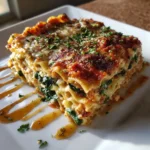
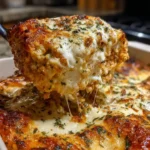
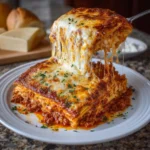
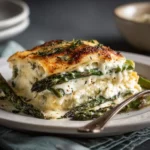
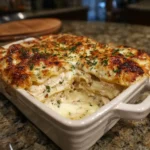
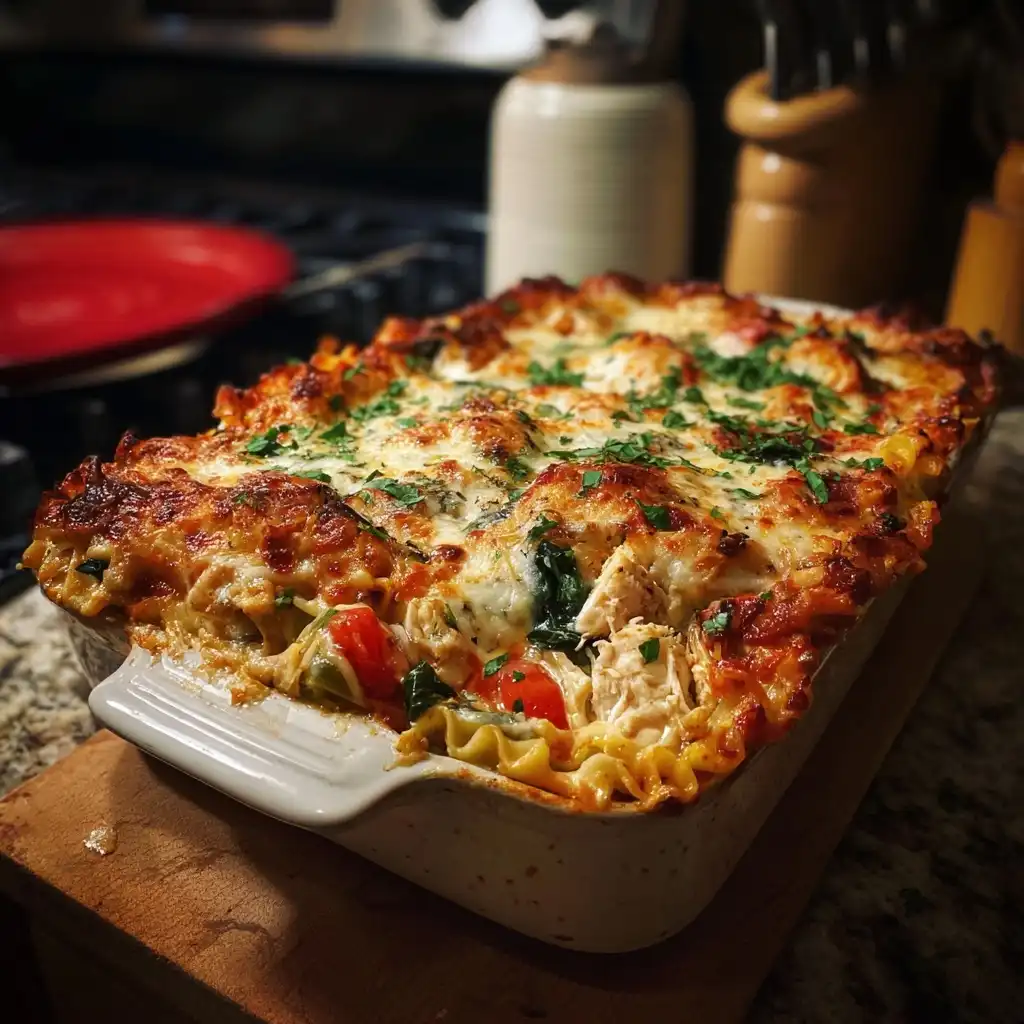
Baked Chicken Primavera Lasagna is a vibrant, nutrient-dense fusion dish that reimagines the classic Italian lasagna through the lens of fresh, seasonal vegetables and lean protein. Unlike traditional versions loaded with heavy cheeses and rich meat sauces, this modern interpretation celebrates spring and summer produce—zucchini, yellow squash, bell peppers, asparagus, cherry tomatoes, and spinach—harmoniously layered with tender roasted chicken breast, light ricotta-herb filling, and a delicate lemon-infused marinara. It’s comfort food redefined: hearty enough to satisfy, yet bright, colorful, and balanced—perfect for weeknight family dinners, potlucks, holiday side-dishes, or meal-prep favorites that hold beautifully for up to five days in the refrigerator or three months frozen. With its golden-brown crust, aromatic herb notes, and layers that hold their shape without mushiness, this lasagna delivers restaurant-quality elegance with accessible home-kitchen techniques.
The History
The origins of Baked Chicken Primavera Lasagna lie at the intersection of three culinary traditions: Italian pasta craftsmanship, American-Italian “primavera” innovation, and contemporary wellness-conscious cooking. Traditional lasagna dates back to 13th-century Emilia-Romagna, where layered sheets of pasta were baked with ragù, béchamel, and Parmigiano. The term primavera—Italian for “spring”—entered mainstream American cuisine in the late 1970s via New York’s famed Le Cirque restaurant, where chef Sirio Maccioni introduced “Pasta Primavera”: a groundbreaking dish showcasing sautéed seasonal vegetables in a light butter-and-cream sauce. By the 1990s, health-focused chefs and home cooks began adapting primavera concepts into layered casseroles, substituting ground beef with grilled chicken and enriching tomato sauces with roasted vegetable purees. The rise of no-boil lasagna noodles in the early 2000s further enabled streamlined preparation, while the farm-to-table movement and increased availability of organic, locally grown produce cemented the dish’s seasonal identity. Today, Baked Chicken Primavera Lasagna reflects a broader cultural shift toward mindful indulgence—honoring tradition while prioritizing freshness, texture contrast, and nutritional integrity.
Ingredients Breakdown
Every component in this lasagna serves both functional and sensory purposes—no ingredient is arbitrary. Let’s explore each category in depth:
- No-Boil Lasagna Noodles (12–15 sheets): Made from durum wheat semolina, these noodles soften during baking by absorbing moisture from the sauce and fillings. Opt for oven-ready whole-grain or legume-based varieties (e.g., lentil or chickpea) for added fiber and protein. Avoid gluten-free versions unless certified, as many lack the structural integrity needed for multi-layered baking.
- Chicken Breast (2 large, ~1.5 lbs total): Skinless, boneless breasts are brined briefly (15–30 minutes in ¼ cup kosher salt + 2 cups cold water) to guarantee juiciness. Roasted at 400°F until internal temp reaches 165°F, then shredded finely—not chopped—to integrate seamlessly into layers without chewy chunks.
- Primavera Vegetable Medley (8–9 cups total, tightly packed): A deliberate ratio ensures optimal texture and flavor balance:
- Zucchini & Yellow Squash (2 medium, ~2.5 cups diced ½”) — provide mild sweetness and moisture control; salted and drained 10 minutes pre-sauté to prevent sogginess.
- Red & Yellow Bell Peppers (2 large, ~2 cups thin strips) — add crunch, vitamin C, and natural sugars that caramelize when roasted.
- Asparagus (1 bunch, ~1.5 cups 1″ pieces, woody ends snapped off) — contributes grassy depth and structural bite; blanched 90 seconds to preserve vibrant green hue.
- Cherry Tomatoes (1 pint, halved) — burst with acidity and umami; roasted separately at 425°F for 12 minutes to concentrate flavor and reduce excess juice.
- Fresh Baby Spinach (5 oz, ~5 loosely packed cups) — stirred in raw at assembly to wilt gently and lend iron-rich earthiness without overcooking bitterness.
- Shallots (3 large, minced) & Garlic (6 cloves, smashed then finely chopped) — the aromatic foundation, sautéed low-and-slow in olive oil until golden (not browned) to build savory-sweet complexity.
- Ricotta-Herb Filling (3 cups): Full-fat whole-milk ricotta is non-negotiable for creaminess and binding power. Blended with:
- 1 large egg (for structure and lift)
- ½ cup freshly grated Parmigiano-Reggiano (adds salty umami and helps set layers)
- ¼ cup chopped fresh basil + 2 tbsp chopped oregano + 1 tbsp lemon zest (bright, herbal lift)
- ¼ tsp freshly grated nutmeg (warmth and depth)
- ½ tsp fine sea salt + ¼ tsp white pepper (enhances all other flavors)
- Lemon-Infused Marinara Sauce (4.5 cups): Not store-bought—but deeply flavorful homemade or high-quality artisanal sauce enhanced with:
- Zest and juice of 1 large organic lemon (brightens acidity and cuts richness)
- 2 tbsp extra-virgin olive oil (swirled in at the end for gloss and fruitiness)
- 1 tsp dried red pepper flakes (optional heat)
- 2 tbsp chopped fresh parsley (added just before layering)
- Layering & Topping Elements:
- Mozzarella (2 cups shredded low-moisture, whole-milk — melts evenly without greasiness)
- Freshly grated Parmigiano-Reggiano (¾ cup — adds nutty, salty finish)
- Extra-virgin olive oil (2 tbsp — brushed on top before baking for golden crust)
- Fresh basil leaves (for garnish post-bake)
Step-by-Step Recipe
- Prep & Brine the Chicken (Day-Before or Morning-of): In a bowl, combine 2 cups cold water + ¼ cup kosher salt. Submerge chicken breasts fully. Refrigerate 15–30 minutes (no longer—over-brining yields rubbery texture). Rinse thoroughly, pat *extremely* dry with paper towels.
- Roast the Chicken (400°F, 22–25 min): Place chicken on parchment-lined sheet pan. Rub with 1 tbsp olive oil, 1 tsp dried oregano, ½ tsp garlic powder, ½ tsp black pepper, and pinch of salt. Roast until center reads 165°F on instant-read thermometer. Rest 10 minutes, then shred with two forks into long, thin strands. Set aside.
- Prep Vegetables (Concurrently):
- Salt zucchini/squash, let drain in colander 10 min, then squeeze *firmly* in clean kitchen towel to extract water.
- Blanch asparagus in boiling salted water 90 sec; shock in ice bath; drain & pat dry.
- Roast cherry tomatoes on separate tray at 425°F for 12 min until blistered and slightly collapsed; cool, drain any liquid.
- Finely mince shallots and garlic.
- Sauté Aromatics & Primavera Base (Stovetop, Medium-Low Heat): In large Dutch oven or deep skillet, heat 3 tbsp EVOO. Add shallots; cook 4 min until translucent. Add garlic; stir 60 sec until fragrant (do not brown). Add zucchini/squash and bell peppers; cook 8–10 min, stirring every 90 sec, until edges begin caramelizing but veggies retain slight bite. Stir in blanched asparagus and roasted tomatoes; cook 2 more minutes. Remove from heat; cool 15 minutes. Fold in raw spinach until just wilted. Cool completely (critical—warm filling = soggy noodles).
- Prepare Ricotta Filling: In food processor or large bowl, combine ricotta, egg, Parmigiano, herbs, lemon zest, nutmeg, salt, and pepper. Pulse or whisk until *completely smooth*—no lumps. Chill 20 minutes to thicken.
- Warm Marinara & Finish: Gently warm marinara in saucepan over low heat (do not boil). Stir in lemon juice, zest, olive oil, red pepper flakes, and parsley. Keep warm but not hot.
- Assemble Lasagna (9×13-inch Deep-Dish Pan):
- Preheat oven to 375°F. Grease pan generously with olive oil or line with parchment.
- Spread ¾ cup warm marinara evenly across bottom.
- Layer 1: 4 no-boil noodles (slightly overlapping if needed).
- Layer 2: ⅓ ricotta mixture (smooth dollops, then spread gently with offset spatula).
- Layer 3: ⅓ primavera veggie mix (press lightly to level).
- Layer 4: ⅓ shredded chicken (distribute evenly—don’t clump).
- Layer 5: 1 cup marinara (drizzle, don’t pour—prevents sliding).
- Repeat Layers 1–5 two more times (noodles → ricotta → veggies → chicken → sauce).
- Final Noodle Layer: 3–4 noodles to cover top completely.
- Top Dressing: Spread remaining 1 cup marinara over noodles. Sprinkle mozzarella evenly, then Parmigiano. Drizzle with 2 tbsp olive oil.
- Bake Covered (First Phase): Cover tightly with double-layer aluminum foil (sealed edges prevent steam escape). Bake at 375°F for 45 minutes.
- Bake Uncovered (Second Phase): Remove foil. Rotate pan. Continue baking 20–25 minutes until top is deeply golden, edges bubble vigorously, and center registers 185°F on thermometer inserted 2″ deep.
- Rest Imperative: Remove from oven. Let stand *undisturbed* for full 35 minutes. This allows starches to set, layers to cohere, and residual heat to finish cooking noodles. Cutting too soon guarantees soupy, separated results.
- Serve: Cut with sharp chef’s knife dipped in hot water between slices. Garnish each portion with fresh basil, extra Parmigiano, and lemon wedge.
Tips
- Noodle Selection Matters: Use only reputable no-boil brands (Barilla, De Cecco, or Ronzoni). Test one noodle in hot water for 30 seconds—if it curls or disintegrates, skip it. Whole-wheat versions require 2–3 extra minutes covered baking time.
- Moisture Is the Enemy: Excess water = mush. Always salt & drain watery veggies (zucchini, eggplant, tomatoes), blanch greens, and cool fillings completely before assembly.
- Temperature Control: Never assemble with warm components. Ricotta should be chilled, veggies cooled to room temp, sauce warmed—not hot. Thermal shock causes uneven absorption.
- Layering Logic: Ricotta goes *under* veggies—not over—to prevent sliding. Chicken sits directly atop veggies to anchor layers and infuse flavor downward.
- Resting Isn’t Optional: That 35-minute rest transforms texture. Use this time to prepare salad, warm garlic bread, or pour wine—it’s essential for clean slices.
- Golden Crust Secret: Brushing the final cheese layer with olive oil creates Maillard-reaction browning far superior to butter or spray.
- Make-Ahead Mastery: Assemble up to 24 hours ahead; refrigerate covered. Add 10–15 minutes to covered bake time. For freezer prep: assemble, freeze *unbaked*, then bake from frozen—add 60–75 minutes total, keeping covered for first 60 minutes.
- Cutting Technique: Use a serrated knife for clean edges. Wipe blade with hot, damp cloth after each cut. Serve immediately—reheating softens crust.
Variations and Customizations
This recipe is a canvas—adaptable to dietary needs, seasonal abundance, pantry constraints, and global flavor profiles:
- Dietary Adaptations:
- Gluten-Free: Substitute certified GF no-boil noodles (Tinkyada or Jovial). Ensure marinara and ricotta are GF-certified (some contain modified food starch).
- Dairy-Free: Replace ricotta with blended silken tofu + 2 tbsp nutritional yeast + 1 tsp lemon juice. Swap mozzarella for Miyoko’s Liquid Mozzarella or Violife Slices, and use vegan Parmesan (Go Veggie or Follow Your Heart).
- Keto/Low-Carb: Replace noodles with thinly sliced zucchini or eggplant “sheets” (salted, pressed, baked 10 min at 400°F to dehydrate). Reduce marinara by half; boost herbs, lemon, and roasted garlic.
- Paleo/Whole30: Omit noodles and cheese entirely. Build “lasagna” in layers of roasted sweet potato ribbons, chicken, primavera veggies, and compliant marinara (no sugar, dairy, or soy). Top with avocado slices.
- Protein Swaps:
- Shrimp Primavera Lasagna: Sauté 1 lb peeled, deveined shrimp in olive oil + garlic until pink (2–3 min); fold in at assembly instead of chicken.
- Plant-Powered: Replace chicken with 2 cups cooked lentils (French or black) + 1 tbsp tamari + 1 tsp smoked paprika for umami depth.
- Ground Turkey Version: Brown 1 lb lean ground turkey with fennel seed and onion; drain fat well before mixing into veggie layer.
- Seasonal Twists:
- Fall Harvest: Swap zucchini/asparagus for roasted butternut squash, caramelized onions, sautéed kale, and applewood-smoked chicken.
- Winter Citrus: Add segmented blood oranges and roasted fennel; replace basil with thyme and orange zest.
- Summer Garden: Incorporate fresh corn kernels, heirloom tomatoes (roasted), and basil blossoms.
- Global Flavor Infusions:
- Mediterranean: Add kalamata olives, crumbled feta, and oregano; swap marinara for tomato-oregano sauce with capers.
- Thai-Inspired: Use coconut-lemongrass marinara, lime zest in ricotta, and top with crushed peanuts and cilantro.
- Mexican Fiesta: Layer black beans, roasted corn, jalapeños, cotija cheese, and chipotle-tomato sauce; garnish with avocado crema.
- Time-Saving Hacks:
- Use rotisserie chicken (skip brining/roasting step; shred and toss with 1 tsp lemon juice to refresh).
- Substitute high-quality jarred marinara (look for “no sugar added” and “simmered 4+ hours” on label).
- Buy pre-chopped mirepoix or “medley” frozen veggies (thaw & drain thoroughly).
Health Considerations and Nutritional Value
A single 1-cup serving (approx. 1/12th of full recipe) delivers exceptional macro- and micronutrient density without compromising satisfaction:
- Calories & Macros: ~325 kcal | 28g protein | 22g complex carbs (6g fiber) | 14g healthy fats (mostly monounsaturated from olive oil and cheese). Net carbs: ~16g.
- Protein Powerhouse: Chicken breast provides complete amino acid profile; ricotta and Parmigiano add casein for sustained satiety. Total protein supports muscle maintenance, metabolic function, and appetite regulation.
- Fiber & Gut Health: 6g fiber per serving—primarily soluble (from tomatoes, zucchini, spinach) and insoluble (from whole-grain noodles, peppers). Promotes regularity, feeds beneficial gut microbiota, and stabilizes blood sugar.
- Vitamin & Mineral Symphony:
- Vitamin A (210% DV): From spinach, bell peppers, and squash—supports vision, immunity, and skin health.
- Vitamin C (135% DV): From peppers, tomatoes, lemon—potent antioxidant aiding collagen synthesis and iron absorption.
- Folate (45% DV): Critical for DNA repair and red blood cell formation (abundant in spinach and asparagus).
- Potassium (28% DV): Regulates fluid balance and blood pressure (zucchini, tomatoes, chicken).
- Calcium (22% DV) & Vitamin K (38% DV): From ricotta, Parmigiano, and leafy greens—essential for bone density and blood clotting.
- Heart-Healthy Profile: Naturally low in sodium (<420mg/serving when using low-salt cheese and unsalted broth), zero trans fats, and rich in oleic acid (heart-protective MUFA from olive oil). Lycopene from cooked tomatoes is highly bioavailable and linked to reduced cardiovascular risk.
- Anti-Inflammatory Benefits: Lemon zest (limonene), garlic (allicin), spinach (lutein), and extra-virgin olive oil (oleocanthal) collectively combat systemic inflammation—a root driver of chronic disease.
- Considerations:
- Lactose Sensitivity: Ricotta contains minimal lactose (most removed during whey drainage); aged Parmigiano is virtually lactose-free. For strict intolerance, use lactose-free ricotta.
- Sodium Management: Reduce added salt by 50%; rely on herbs, lemon, roasted garlic, and nutritional yeast for savoriness.
- Weight Management: High-volume, low-energy-density ingredients (vegetables) promote fullness with fewer calories. Portion control remains key—stick to 1-cup servings.
Ingredients
- 2 large boneless, skinless chicken breasts (about 1.5 lbs)
- ¼ cup kosher salt (for brining)
- 2 tbsp extra-virgin olive oil (plus more for brushing)
- 1 tsp dried oregano
- ½ tsp garlic powder
- ½ tsp freshly ground black pepper
- 2 medium zucchini, diced ½”
- 2 medium yellow squash, diced ½”
- 2 large red bell peppers, thinly sliced
- 2 large yellow bell peppers, thinly sliced
- 1 bunch asparagus (about 1 lb), trimmed and cut into 1″ pieces
- 1 pint cherry tomatoes, halved
- 5 oz fresh baby spinach (about 5 loosely packed cups)
- 3 large shallots, finely minced
- 6 cloves garlic, smashed then finely chopped
- 12–15 no-boil lasagna noodles (standard or whole-grain)
- 3 cups whole-milk ricotta cheese
- 1 large egg
- ½ cup freshly grated Parmigiano-Reggiano (plus ¾ cup more for topping)
- ¼ cup fresh basil leaves, chopped (plus more for garnish)
- 2 tbsp fresh oregano leaves, chopped
- 1 tbsp lemon zest (from 1 large organic lemon)
- ¼ tsp freshly grated nutmeg
- ½ tsp fine sea salt
- ¼ tsp white pepper
- 4.5 cups high-quality marinara sauce (homemade or low-sugar, no-added-sugar variety)
- 2 tbsp fresh lemon juice
- 1 tsp dried red pepper flakes (optional)
- 2 tbsp fresh parsley, chopped
- 2 cups low-moisture mozzarella cheese, shredded
Directions
- Brine chicken: Dissolve ¼ cup kosher salt in 2 cups cold water. Submerge chicken breasts. Refrigerate 15–30 minutes. Rinse and pat *very* dry.
- Preheat oven to 400°F. Rub chicken with 1 tbsp olive oil, oregano, garlic powder, black pepper, and pinch of salt. Roast on parchment-lined sheet 22–25 minutes until internal temp reaches 165°F. Rest 10 minutes; shred finely. Set aside.
- Prep veggies: Salt zucchini/squash; drain 10 min in colander. Squeeze dry in towel. Blanch asparagus 90 sec; shock in ice bath; drain/pat dry. Roast cherry tomatoes at 425°F for 12 min; cool/drain. Mince shallots/garlic.
- Sauté base: Heat 3 tbsp olive oil in Dutch oven over medium-low. Cook shallots 4 min. Add garlic; stir 60 sec. Add zucchini/squash & peppers; cook 8–10 min until edges caramelize. Stir in asparagus & tomatoes; cook 2 min. Off heat, fold in spinach until wilted. Cool completely (15–20 min).
- Make ricotta filling: In bowl, whisk ricotta, egg, ½ cup Parmigiano, basil, oregano, lemon zest, nutmeg, salt, and pepper until perfectly smooth. Chill 20 min.
- Warm marinara: Gently heat sauce. Stir in lemon juice, remaining zest, 2 tbsp olive oil, red pepper flakes, and parsley. Keep warm.
- Assemble: Preheat oven to 375°F. Grease 9×13″ pan. Spread ¾ cup marinara. Layer: 4 noodles → ⅓ ricotta → ⅓ veggies → ⅓ chicken → 1 cup marinara. Repeat twice. Top with 3–4 noodles, remaining marinara, mozzarella, ¾ cup Parmigiano, and 2 tbsp olive oil.
- Bake covered: 45 min at 375°F.
- Bake uncovered: Remove foil. Bake 20–25 min until golden and bubbling; center temp 185°F.
- Rest 35 minutes before cutting. Garnish with basil and lemon wedges.
FAQ
- Can I make this vegetarian?
- Absolutely. Omit chicken and add 1.5 cups cooked lentils or 12 oz crumbled firm tofu (pressed, marinated in tamari + garlic + lemon, then pan-seared). Boost umami with 1 tbsp nutritional yeast in ricotta.
- Why do my noodles stay hard?
- Three likely causes: 1) Using “oven-ready” noodles past expiration (they lose absorbency), 2) Insufficient liquid—ensure marinara is warm (not cold) and veggies are fully cooled (warm fillings evaporate moisture), or 3) Under-baking—verify internal temp hits 185°F and edges bubble vigorously.
- Can I freeze this before baking?
- Yes—and it freezes exceptionally well. Assemble fully, cover tightly with plastic wrap + foil, freeze up to 3 months. Bake from frozen: cover 60 min at 375°F, uncover, bake 30–40 min more until golden and 185°F internally.
- What’s the best way to reheat leftovers?
- Individual slices: Microwave 90 seconds covered with damp paper towel. For best texture: Place slice on parchment-lined baking sheet, cover loosely with foil, bake at 350°F for 15–18 minutes until heated through. Avoid over-reheating—cheese dries out.
- My lasagna is watery. How do I fix it?
- Drain *every* vegetable component aggressively. Salt zucchini/squash and squeeze; roast tomatoes to concentrate; blanch greens to remove surface water. Also, never skip the 35-minute rest—this is when starches fully set.
- Can I use cottage cheese instead of ricotta?
- You can—but texture suffers. Cottage cheese is looser and grainier. For best results, blend 3 cups small-curd cottage cheese with ¼ cup Greek yogurt and 1 tbsp lemon juice until silky. Strain through fine mesh if needed.
- How do I get clean, neat slices?
- Rest 35 minutes minimum. Use a sharp, long-bladed chef’s knife. Dip knife in hot water and wipe dry between *every* cut. Saw gently—don’t press down.
- Is there a low-FODMAP version?
- Yes. Omit shallots, garlic, and asparagus