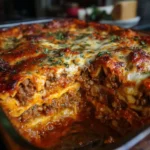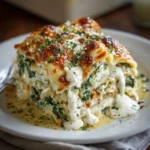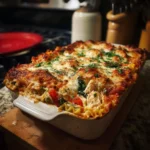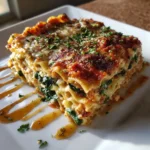
Baked Feta Pasta with Tomatoes: A Creamy, Comforting Delight
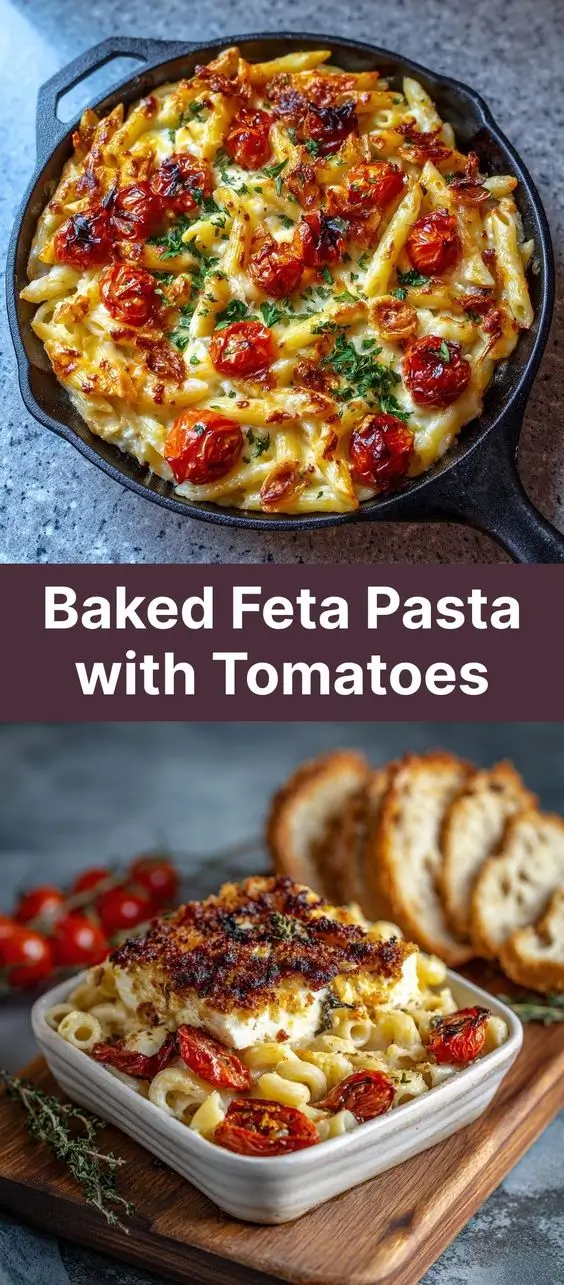
Baked Feta Pasta with Tomatoes has taken the culinary world by storm, becoming a viral sensation on social media platforms like TikTok and Instagram. This simple yet decadent dish combines juicy tomatoes, creamy feta cheese, fragrant garlic, and al dente pasta into a luscious one-pan meal that is as visually stunning as it is delicious. With its vibrant red hues, soft bubbling cheese, and aromatic herbs, this recipe embodies modern comfort food at its finest—effortless to prepare, incredibly satisfying, and perfect for weeknight dinners or entertaining guests.
The History of Baked Feta Pasta
While baked pasta dishes have existed in Mediterranean cuisine for centuries, the specific concept of “Baked Feta Pasta” gained global popularity around early 2021 thanks to Finnish food blogger Jenni Häyrinen. She originally shared her version of the dish—called “uunifetapasta” in Finnish (which translates directly to “oven-baked feta pasta”)—on social media, where it quickly went viral after being picked up by TikTok creators. The trend exploded when users filmed themselves pulling apart the melted feta and mixing it into the rich tomato sauce, creating mesmerizing videos that captivated millions.
Though not traditionally part of Italian or Greek cuisine, the dish draws inspiration from both culinary traditions—using ingredients common throughout the Mediterranean such as ripe tomatoes, olive oil, fresh basil, and high-quality feta cheese. Its simplicity, minimal ingredient list, and dramatic presentation made it ideal for sharing online, turning an otherwise humble recipe into a worldwide phenomenon. Today, countless variations exist across blogs, cookbooks, and restaurant menus, but the core essence remains unchanged: tender pasta swirled into a velvety, cheesy tomato sauce born from roasting.
Ingredients Breakdown: What Makes This Dish Shine
The magic of Baked Feta Pasta lies in its simplicity and the quality of just a few key ingredients. Each component plays a vital role in building flavor, texture, and visual appeal:
- Feta Cheese: The star of the show. Traditionally made from sheep’s milk or a blend of sheep and goat milk, feta brings a salty, tangy richness that softens beautifully in the oven. When baked, it partially melts and blends seamlessly into the sauce, creating a creamy consistency without needing heavy cream or butter.
- Cherry or Grape Tomatoes: These small tomatoes are bursting with sweetness and acidity. Roasting them concentrates their natural juices, releasing a jammy, flavorful liquid that forms the base of the sauce. Their bright color also adds vibrancy to the final dish.
- Olive Oil: High-quality extra virgin olive oil acts as both a cooking medium and flavor enhancer. It helps caramelize the tomatoes, prevents sticking, and carries the aromatics through every bite.
- Garlic: Fresh garlic cloves add depth and pungency. As they roast, their sharpness mellows into a sweet, nutty aroma that infuses the entire dish.
- Pasta: Short tubular shapes like penne, rigatoni, or fusilli work best because they hold onto the thick, chunky sauce. Using freshly cooked al dente pasta ensures the right texture when mixed in.
- Herbs: Fresh basil is essential for finishing the dish with a pop of freshness. Dried oregano or thyme can be added during roasting for additional earthiness.
- Salt & Pepper: Simple seasonings enhance all components without overpowering the natural flavors.
- Optional Add-ins: Red pepper flakes for heat, onion or shallot for sweetness, spinach or arugula for greens, lemon zest for brightness, or even sun-dried tomatoes for deeper umami notes.
Step-by-Step Recipe: How to Make Baked Feta Pasta with Tomatoes
Ingredients
- 1 block (8 oz / 225g) feta cheese, preferably brined and made from sheep’s milk
- 2 pints (about 3 cups / 450g) cherry or grape tomatoes, halved
- ½ cup (120ml) extra virgin olive oil
- 4–5 garlic cloves, peeled and lightly smashed
- 1 tsp dried oregano (optional)
- ¼ tsp red pepper flakes (optional, for heat)
- Salt and freshly ground black pepper, to taste
- 12 oz (340g) dried pasta (penne, rigatoni, or fusilli recommended)
- ½ cup reserved pasta water (approximately)
- ½ cup fresh basil leaves, thinly sliced (chiffonade)
- Grated Parmesan or Pecorino Romano (optional, for serving)
- Extra drizzle of olive oil or balsamic glaze (optional garnish)
Directions
- Preheat Oven: Set your oven to 400°F (200°C). Position a rack in the center and ensure there’s enough space for your baking dish.
- Prepare Baking Pan: Choose a large oven-safe baking dish or sheet pan that allows ingredients to spread in a single layer. Drizzle about ¼ cup of olive oil evenly across the bottom.
- Arrange Tomatoes: Spread the halved cherry tomatoes out in the dish, cut-side up. This maximizes surface area for caramelization.
- Add Garlic & Seasonings: Scatter the smashed garlic cloves over the tomatoes. Sprinkle with dried oregano (if using), red pepper flakes, salt, and black pepper. Drizzle another ¼ cup of olive oil over everything—this is crucial for moisture and richness.
- Place Feta Block: Pat the feta dry with a paper towel and place it directly in the center of the tomato mixture. Do not crumble it—keep it whole so it bakes intact and melts gradually.
- Bake Until Golden and Bubbly: Place the dish in the preheated oven and bake for 30–40 minutes. You’ll know it’s done when the tomatoes begin to burst and shrivel slightly, the edges turn golden brown, and the feta softens and develops a light crust on top. The garlic should be tender and aromatic.
- Cook the Pasta: While the vegetables roast, bring a large pot of salted water to a boil. Cook the pasta according to package instructions until al dente. Before draining, reserve at least ½ cup of starchy pasta water—it will help emulsify the sauce later.
- Mix Everything Together: Once the feta and tomatoes are finished roasting, remove the dish from the oven. Carefully add the drained hot pasta directly into the baking dish. Use tongs or two forks to gently toss everything together, pressing down on the feta to break it apart and combine with the roasted tomatoes and garlic. Stir in small amounts of reserved pasta water (start with ¼ cup) to loosen the sauce and create a silky, cohesive coating over each noodle.
- Finish with Fresh Herbs: Tear or chiffonade the fresh basil and fold it into the warm pasta. Taste and adjust seasoning with more salt, pepper, or a squeeze of lemon juice if desired.
- Serve Immediately: Plate the pasta while hot. Optionally top with grated Parmesan cheese, a drizzle of high-quality olive oil, or a touch of balsamic reduction for contrast. Serve alongside crusty bread, a green salad, or grilled protein for a complete meal.
Pro Tips for Perfect Baked Feta Pasta Every Time
- Use Brined Feta: Always opt for real Greek-style feta stored in brine rather than pre-crumbled dry versions. It retains moisture better and delivers superior flavor and meltability.
- Don’t Skip the Olive Oil: Generous use of olive oil isn’t optional—it’s what makes the sauce luxuriously smooth and prevents drying during baking.
- Ripe Tomatoes Matter: Choose plump, firm, deeply colored cherry tomatoes for maximum sweetness and juiciness. Avoid underripe or mealy ones.
- Roast Long Enough: Under-roasting results in watery sauce. Wait until tomatoes visibly collapse and release syrupy juices. If needed, extend baking time by 5–10 minutes.
- Reserve Pasta Water: Starchy pasta water is gold—it binds the sauce, enhances creaminess, and improves texture dramatically.
- Break Up the Feta Gently: Don’t stir too aggressively before adding pasta; you want some chunks of feta dispersed throughout for bursts of saltiness.
- Use an Oven-Safe Skillet or Deep Dish: A cast-iron skillet or ceramic gratin dish works well for even heat distribution and doubles as a serving vessel.
- Let It Rest Slightly: Allow the baked ingredients to cool for 2–3 minutes before mixing with pasta—this avoids splattering hot oil and gives flavors a moment to settle.
Variations and Customizations
One of the greatest strengths of Baked Feta Pasta is its versatility. Here are creative ways to personalize the dish based on dietary preferences, seasonal availability, or pantry staples:
Vegetarian & Vegan Options
- Vegan Feta: Substitute traditional feta with plant-based alternatives made from tofu, almonds, or coconut. Many store-bought vegan fetas mimic the tangy profile and firm texture needed for baking.
- Add Greens: Fold in baby spinach, arugula, kale, or Swiss chard during the final mix. The residual heat wilts them perfectly.
- Legume Boost: Stir in canned white beans (cannellini or chickpeas) for added protein and fiber.
Meat Lovers’ Twists
- Chicken: Top with grilled or shredded rotisserie chicken for a heartier entrée.
- Italian Sausage: Brown crumbled spicy or mild sausage before roasting and layer it beneath the tomatoes.
- Pancetta or Bacon: Crisp up diced pancetta or bacon and sprinkle over the finished dish for smoky crunch.
- Shrimp: Add raw peeled shrimp during the last 10 minutes of roasting—they’ll cook perfectly in the steamy tomato bed.
Flavor & Texture Enhancements
- Lemon Zest: Brighten the dish with grated lemon zest or a splash of lemon juice before serving.
- Sun-Dried Tomatoes: Mix in chopped oil-packed sun-dried tomatoes for intense umami and chewy texture.
- Capers or Olives: Add briny elements like Kalamata olives or capers for complexity.
- Toasted Nuts: Garnish with pine nuts, walnuts, or almonds for nutty crunch.
- Different Cheeses: Try halloumi, ricotta salata, or blue cheese crumbles for alternative profiles.
Gluten-Free Adaptation
- Replace regular pasta with gluten-free options like brown rice penne, corn-rigatoni, or quinoa fusilli. Be sure to cook al dente and reserve starch-rich water as usual.
Seasonal Variations
- Summer: Use heirloom cherry tomatoes and fresh garden herbs. Add zucchini slices or bell peppers to the roasting pan.
- Fall/Winter: Swap in roasted butternut squash or caramelized onions. Use rosemary instead of basil for warmth.
- Spring: Incorporate asparagus tips or peas for freshness.
Health Considerations and Nutritional Value
Baked Feta Pasta strikes a balance between indulgence and nutrition, especially when prepared with whole ingredients and mindful portions. Let’s explore its health aspects:
Nutritional Highlights (per serving, approx. 1/4 of recipe):
- Calories: ~600–700 kcal (varies with additions)
- Fat: 35–45g (mostly unsaturated from olive oil)
- Carbohydrates: 55–65g (from pasta and tomatoes)
- Protein: 18–22g (primarily from feta and dairy)
- Calcium: High (feta is rich in calcium)
- Sodium: Moderate to high (due to feta and added salt)
- Fiber: 4–6g (from tomatoes and optional vegetables)
- Vitamins & Antioxidants: Rich in vitamin C, lycopene (from tomatoes), vitamin E, and polyphenols (from olive oil)
Health Benefits
- Heart-Healthy Fats: Extra virgin olive oil contains monounsaturated fats linked to reduced inflammation and improved cardiovascular health.
- Antioxidant Powerhouse: Lycopene in cooked tomatoes is a potent antioxidant associated with lower risk of certain cancers and heart disease.
- Probiotic Potential: Traditional fermented feta may contribute beneficial bacteria to gut microbiota.
- Low Glycemic Impact: When paired with fiber-rich veggies and moderate pasta portions, this dish can support balanced blood sugar levels.
Considerations & Modifications for Dietary Needs
- High Sodium: Feta naturally contains sodium. To reduce salt content, choose low-sodium feta or rinse it briefly under water before baking (though this may affect texture).
- Lactose Intolerance: While feta is lower in lactose than many cheeses, those who are highly sensitive may need alternatives. Vegan feta eliminates this concern.
- Calorie Density: Due to olive oil and cheese, this dish is energy-dense. For lighter versions:
- Reduce olive oil to ⅓ cup and supplement with vegetable broth.
- Use half the amount of feta and bulk up with roasted vegetables.
- Increase the ratio of veggies to pasta.
- Gluten Sensitivity: Easily adapted with certified gluten-free pasta.
- Keto/Low-Carb Diets: Not suitable in standard form due to pasta. However, substitute with spiralized zucchini (zoodles), spaghetti squash, or shirataki noodles for a lower-carb alternative.
Frequently Asked Questions (FAQ)
Can I make Baked Feta Pasta ahead of time?
Yes, though it’s best served fresh. You can prep the tomato-feta mixture and refrigerate it unbaked for up to 24 hours. Bake just before serving and cook the pasta separately. Combine while hot for optimal texture.
Can I reheat leftovers?
Absolutely! Store cooled leftovers in an airtight container for up to 3 days. Reheat gently in a skillet over medium heat with a splash of water or broth to restore creaminess. Microwaving works but may result in uneven texture.
Why didn’t my sauce get creamy?
This usually happens if the tomatoes weren’t roasted long enough or insufficient olive oil was used. Ensure tomatoes are fully softened and collapsed, and don’t skip the starchy pasta water—it’s key to emulsification.
Can I freeze Baked Feta Pasta?
Not recommended. Freezing affects the texture of both feta (becomes grainy) and pasta (can turn mushy upon thawing). Best enjoyed fresh or refrigerated short-term.
Do I have to bake the feta?
Technically no—but baking transforms the texture and flavor. Raw feta won’t melt properly or integrate into the sauce. Baking mellows its saltiness and creates that signature creaminess.
Can I use other types of cheese?
While feta is essential for authenticity, you can experiment with halloumi, paneer, or even mozzarella for different textures. Keep in mind these won’t deliver the same tangy punch.
Is this dish authentic Mediterranean?
Not exactly. While it uses Mediterranean ingredients, the specific method of baking feta atop tomatoes in this way originated recently in Finland. It’s a modern fusion inspired by regional flavors.
What wine pairs well with Baked Feta Pasta?
A crisp white wine like Sauvignon Blanc, Pinot Grigio, or Assyrtiko complements the acidity of tomatoes and saltiness of feta. For red lovers, a light-bodied Pinot Noir works nicely.
Summary
Baked Feta Pasta with Tomatoes is a modern culinary sensation that combines minimal effort with maximum flavor, featuring roasted cherry tomatoes, garlic, and a block of feta that melts into a creamy, dreamy sauce.
Paired with al dente pasta and fresh herbs, this one-pan wonder offers endless customization options and continues to win hearts worldwide—one gooey, irresistible bite at a time.