Baked Salmon with Asparagus & Dill Sauce
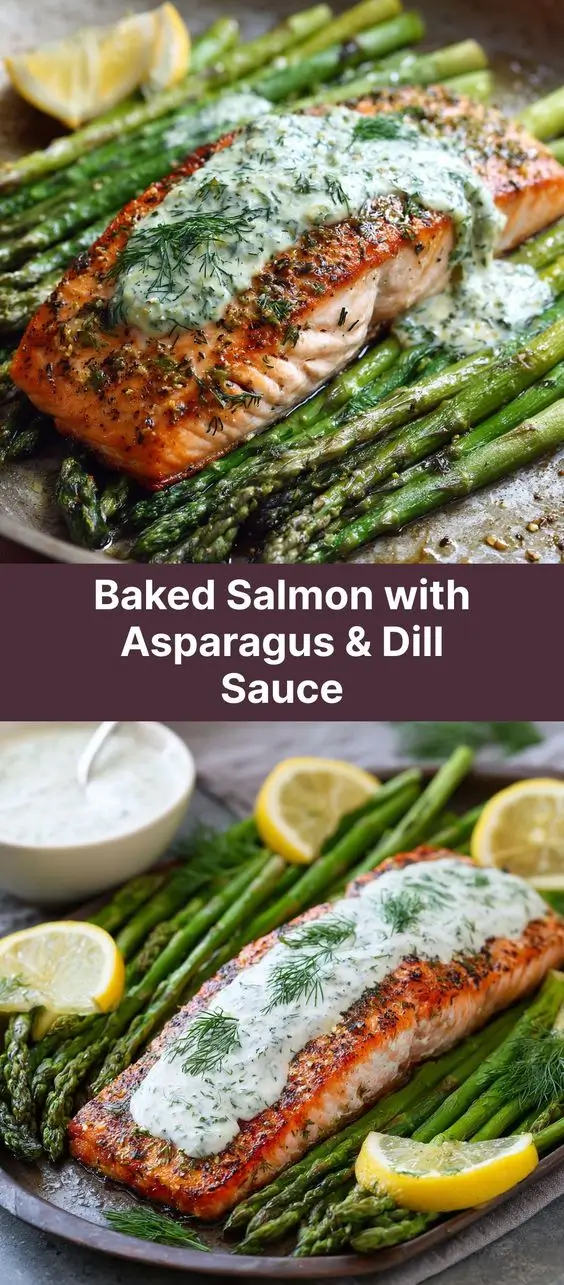
If you’re searching for a nutritious, elegant, and easy-to-prepare meal that’s perfect for both weeknight dinners and weekend entertaining, look no further than Baked Salmon with Asparagus & Dill Sauce. This dish combines the rich, buttery flavor of salmon with tender-crisp asparagus, all brought together by a creamy, herbaceous dill sauce that elevates every bite. Not only is it visually stunning with vibrant green spears and glistening salmon fillets, but it’s also packed with heart-healthy omega-3 fatty acids, fiber, and essential vitamins. Whether you’re cooking for one or feeding a family, this recipe delivers gourmet results with minimal effort.
The History of Baked Salmon and Asparagus Pairings
Salmon has long been a staple in coastal diets around the world, particularly in Northern Europe, Scandinavia, and the Pacific Northwest of North America. Indigenous peoples in these regions have traditionally consumed wild salmon for thousands of years, often grilling or smoking it over open fires. With the advent of modern ovens in the 20th century, baked preparations became increasingly popular due to their convenience and ability to preserve moisture and flavor.
Asparagus, on the other hand, traces its roots back to ancient Persia and was later cultivated throughout Greece and Rome, where it was prized for both its taste and medicinal properties. By the 18th century, asparagus had become a symbol of refined dining in France and England. The pairing of salmon and asparagus gained popularity in mid-century American and European cuisine, particularly during springtime when both ingredients were at their peak freshness. Chefs appreciated how the earthy-sweet notes of asparagus complemented the rich oiliness of salmon without overpowering it.
Dill, a fragrant herb native to the Mediterranean and Western Asia, emerged as a classic accompaniment to fish dishes—especially salmon—due to its bright, slightly anise-like flavor. In Scandinavian countries like Sweden and Norway, dill is used liberally in gravlax, smoked salmon dips, and creamy sauces. Combining dill with sour cream or yogurt created a cooling contrast to rich seafood, making dill sauce a natural fit for baked salmon recipes.
Today, Baked Salmon with Asparagus & Dill Sauce stands as a modern fusion of culinary traditions—bringing together ancient ingredients through contemporary cooking techniques. It reflects current dietary trends emphasizing whole foods, healthy fats, and vegetable-forward meals, while still honoring time-honored flavor pairings.
Ingredients Breakdown: Why Each Component Matters
Every ingredient in this recipe plays a crucial role—not just in flavor, but also in texture, nutrition, and overall harmony of the dish. Let’s take a closer look:
- Salmon Fillets: Rich in protein and omega-3 fatty acids (EPA and DHA), salmon provides anti-inflammatory benefits and supports brain and cardiovascular health. Opt for wild-caught salmon when possible, as it tends to have a superior flavor profile and lower levels of contaminants compared to farmed varieties.
- Asparagus: High in fiber, folate, vitamins A, C, E, and K, asparagus adds crunch, color, and nutrients. Its natural sweetness intensifies when roasted, creating a delightful contrast with the savory salmon.
- Olive Oil: Used to coat the asparagus and season the salmon, extra virgin olive oil contributes monounsaturated fats and antioxidants. It also helps promote even browning and prevents drying during baking.
- Lemon: Both zest and juice add brightness and acidity, which cuts through the richness of the salmon and enhances other flavors. Lemon also contains vitamin C and aids in iron absorption from plant-based foods.
- Garlic: Adds depth and umami, garlic brings warmth and complexity. When roasted lightly, it becomes mellow and sweet rather than pungent.
- Fresh Dill: The star of the sauce, fresh dill imparts a delicate, aromatic quality that pairs perfectly with fish. Unlike dried dill, fresh dill retains volatile oils that deliver a more vibrant taste.
- Sour Cream or Greek Yogurt: Forms the base of the dill sauce, providing creaminess and tang. Greek yogurt offers a lighter, higher-protein alternative with less fat.
- Mayonnaise (optional): Adds richness and body to the sauce; can be omitted for a healthier version using only yogurt.
- Dijon Mustard: Introduces subtle heat and emulsifying power, helping bind the sauce ingredients and deepen flavor.
- Salt and Pepper: Essential seasonings that enhance all components of the dish, balancing and rounding out the overall taste.
- Optional Additions: Capers, red onion, or a splash of white wine vinegar can be included in the sauce for added zing and complexity.
Step-by-Step Recipe: How to Make Baked Salmon with Asparagus & Dill Sauce
Ingredients
- 4 (6-ounce) skin-on salmon fillets, center-cut
- 1 bunch asparagus (about 1 lb), tough ends trimmed
- 3 tablespoons extra virgin olive oil
- 1 lemon (zest and 2 tablespoons juice)
- 3 cloves garlic, minced
- 1 teaspoon kosher salt (divided)
- ½ teaspoon black pepper (divided)
- ¼ cup sour cream or plain Greek yogurt (full-fat preferred)
- 2 tablespoons mayonnaise (optional)
- 1 tablespoon Dijon mustard
- 3 tablespoons fresh dill, finely chopped (plus extra for garnish)
- 1 teaspoon honey or maple syrup (optional, for balance)
- Pinch of cayenne pepper (optional, for slight heat)
Directions
- Preheat Oven: Preheat your oven to 400°F (200°C). Line a large rimmed baking sheet with parchment paper or aluminum foil for easy cleanup.
- Prepare Asparagus: Place the trimmed asparagus on the baking sheet in a single layer. Drizzle with 2 tablespoons of olive oil, sprinkle with half the minced garlic, ½ teaspoon salt, and ¼ teaspoon black pepper. Toss well to coat evenly using your hands or tongs.
- Arrange Salmon: Push the asparagus to one side of the tray (or arrange in a circular pattern around the edges) and place the salmon fillets skin-side down in the center. Space them evenly so they cook uniformly.
- Season Salmon: Pat the salmon dry with a paper towel (this helps achieve better browning). Drizzle each fillet with ½ tablespoon olive oil, then season with remaining garlic, lemon zest, ¼ teaspoon salt, and ¼ teaspoon black pepper. Squeeze ½ tablespoon lemon juice over each fillet.
- Bake: Transfer the baking sheet to the preheated oven and roast for 12–15 minutes, depending on the thickness of the fillets. The salmon is done when it flakes easily with a fork and reaches an internal temperature of 125–130°F (52–54°C). Asparagus should be tender-crisp and bright green.
- Rest Salmon: Remove from the oven and let the salmon rest for 3–5 minutes. It will continue to cook slightly from residual heat.
- Make Dill Sauce: While the salmon bakes, prepare the sauce. In a small bowl, combine sour cream (or Greek yogurt), mayonnaise (if using), Dijon mustard, lemon juice, chopped dill, honey (if using), cayenne (if desired), and a pinch of salt and pepper. Whisk until smooth. Taste and adjust seasoning—add more lemon for acidity or dill for freshness.
- Serve: Plate each salmon fillet with a generous portion of roasted asparagus alongside. Spoon a dollop of dill sauce over the salmon or serve it on the side. Garnish with additional fresh dill and lemon wedges for squeezing.
Tips for Perfect Results Every Time
- Choose Uniform Fillets: Select salmon fillets that are similar in thickness to ensure even cooking. If one is much thicker, tent it with foil halfway through baking to prevent overcooking thinner pieces.
- Don’t Overcook Salmon: Salmon continues to cook after removal from the oven. For medium doneness, remove at 125°F; for medium-well, up to 135°F. Avoid exceeding 140°F to maintain moisture.
- Trim Asparagus Properly: Snap off the woody ends by bending each spear near the base—it will naturally break where the tough part ends. Alternatively, cut about 1–2 inches from the bottom.
- Use Fresh Dill: Dried dill lacks the vibrancy needed for the sauce. Always use fresh dill for best results. Store leftover dill in a glass of water in the fridge like flowers.
- Chill the Sauce Before Serving: Allow the dill sauce to sit in the refrigerator for at least 15–20 minutes before serving. This lets the flavors meld and improves texture.
- Add Color Contrast: For visual appeal, consider adding halved cherry tomatoes or thinly sliced fennel to the roasting pan with the asparagus.
- Double the Sauce: The dill sauce is delicious enough to use beyond this meal—try it on grilled chicken, baked potatoes, or as a veggie dip.
- Check Doneness Without a Thermometer: Insert a sharp knife into the thickest part of the fillet. If it glides in easily and the flesh appears opaque but still moist, it’s ready.
Variations and Customizations
This recipe is highly adaptable to suit different tastes, dietary needs, and seasonal availability. Here are some creative variations:
- Citrus Swap: Replace lemon with lime or orange for a different citrus note. Orange pairs especially well with honey in the sauce.
- Herb Alternatives: If dill isn’t available, try tarragon or chives for a similar aromatic lift. Parsley can work in a pinch but won’t provide the same anise-like nuance.
- Cream-Free Sauce: For a dairy-free version, blend soaked cashews, coconut yogurt, or silken tofu with lemon, garlic, and dill for a rich, plant-based sauce.
- Spiced Salmon: Add smoked paprika, cumin, or curry powder to the salmon seasoning for a warm, exotic twist.
- Gluten-Free Friendly: This recipe is naturally gluten-free—just double-check labels on store-bought mayo or mustard if needed.
- Keto/Low-Carb: Already low in carbohydrates, this dish fits perfectly into ketogenic diets. Serve with cauliflower rice or sautéed spinach instead of starchy sides.
- Paleo Version: Omit dairy-based sour cream and mayo; use avocado-based crema (blended avocado, lemon, garlic, dill, and water) as the sauce base.
- Sheet Pan Upgrade: Turn this into a full sheet pan dinner by adding baby potatoes, zucchini, bell peppers, or mushrooms to the tray. Just be mindful of varying cook times—denser veggies may need a head start.
- Mediterranean Style: Top the finished dish with crumbled feta, kalamata olives, sun-dried tomatoes, and a drizzle of olive oil for a Greek-inspired flair.
- Asian Fusion: Swap dill for cilantro, use sesame oil in place of some olive oil, and mix soy sauce, rice vinegar, ginger, and a touch of sriracha into the sauce.
Health Considerations and Nutritional Value
Baked Salmon with Asparagus & Dill Sauce is not only delicious but also incredibly nutritious. Here’s a breakdown of its health benefits per serving (one fillet with asparagus and 2 tbsp sauce):
| Nutrient | Amount (Approximate) | Health Benefit |
|---|---|---|
| Calories | 380–420 kcal | Balanced energy source suitable for active adults |
| Protein | 34–38g | Supports muscle repair, satiety, and metabolic function |
| Fat | 24–28g | Rich in heart-healthy omega-3s and monounsaturated fats |
| Saturated Fat | 5–7g | Moderate intake within recommended guidelines |
| Omega-3 Fatty Acids (EPA + DHA) | 2,000–3,000mg | Reduces inflammation, supports brain and heart health |
| Carbohydrates | 6–9g | Primarily from fiber-rich asparagus |
| Dietary Fiber | 3–4g | Promotes digestive health and gut microbiome balance |
| Vitamin D | 300–600 IU | Supports immune function and bone health |
| Vitamin B12 | 8–10mcg | Essential for nerve function and red blood cell formation |
| Vitamin K | 80–100mcg | Important for blood clotting and bone metabolism |
| Vitamin C | 15–20mg | Antioxidant support and collagen synthesis |
| Folate (B9) | 100–130mcg | Crucial during pregnancy and cell division |
| Selenium | 40–50mcg | Powerful antioxidant involved in thyroid function |
Dietary Notes:
- Heart Health: The combination of omega-3s from salmon and antioxidants from vegetables supports cardiovascular wellness.
- Weight Management: High protein and healthy fats increase satiety, reducing cravings and snacking between meals.
- Anti-Inflammatory: Omega-3s, polyphenols in olive oil, and vitamin C help combat chronic inflammation.
- Pregnancy-Friendly: Salmon is safe in moderation (2–3 servings/week) and provides vital nutrients like DHA for fetal brain development.
- Mercury Concerns: Wild-caught salmon is low in mercury and considered one of the safest fish choices for regular consumption.
Frequently Asked Questions (FAQ)
Q: Can I use frozen salmon?
A: Yes, but thaw it properly in the refrigerator overnight before baking. Cooking frozen salmon directly can lead to uneven texture and excess moisture.
Q: Is it okay to bake salmon with the skin on?
A: Absolutely. The skin protects the flesh during cooking and crisps up nicely. You can eat it or easily peel it off after baking.
Q: Can I make the dill sauce ahead of time?
A: Yes! The sauce actually improves in flavor after chilling for a few hours. Store in an airtight container for up to 3 days.
Q: What can I substitute for sour cream?
A: Full-fat Greek yogurt, crème fraîche, or dairy-free alternatives like coconut yogurt or cashew cream work well.
Q: How do I know when asparagus is done?
A: It should be tender when pierced with a fork but still retain a slight crunch. Overcooked asparagus turns mushy and loses its bright green color.
Q: Can I grill instead of bake?
A: Definitely! Grill salmon over medium heat (about 375°F) for 5–7 minutes per side. Use a grilling basket for asparagus to prevent falling through the grates.
Q: Can I use dried dill?
A: While possible, dried dill is significantly less flavorful. If substituting, use 1 teaspoon dried dill for every 1 tablespoon fresh—but expect a milder result.
Q: Is this recipe kid-friendly?
A: Many children enjoy the mild flavor of salmon and the soft texture of roasted asparagus. Serve with the dill sauce on the side so they can choose how much to use.
Q: How long does leftover salmon keep?
A: Store leftovers in an airtight container in the refrigerator for up to 2 days. Reheat gently in the oven or enjoy cold in salads.
Q: Can I freeze this dish?
A: While you can freeze cooked salmon, the texture may degrade slightly upon reheating. Asparagus doesn’t freeze well after roasting. Better to freeze raw salmon and prepare fresh vegetables.
Summary
Baked Salmon with Asparagus & Dill Sauce is a wholesome, restaurant-quality meal that comes together quickly with simple ingredients and one pan. Packed with omega-3s, fiber, and fresh herbs, it satisfies both taste buds and nutritional needs.
Perfect for busy nights or special occasions, this dish balances elegance and ease—offering a flavorful journey rooted in tradition yet ideal for modern lifestyles.