Introduction
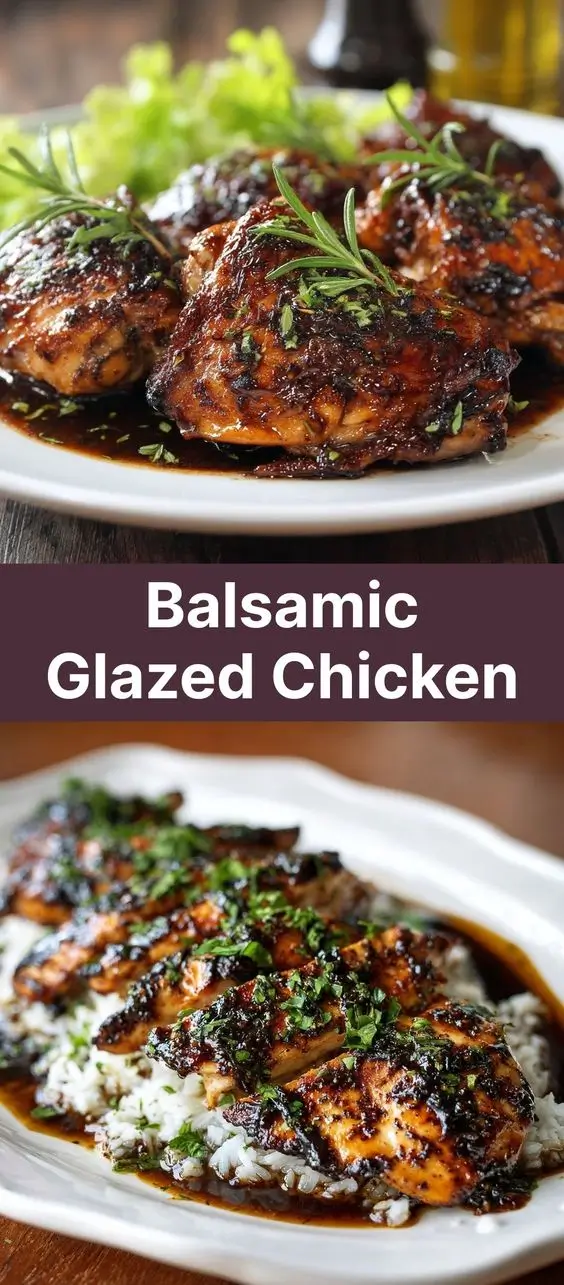
Balsamic Glazed Chicken is a culinary masterpiece that effortlessly blends elegance with simplicity, making it a favorite among home cooks and gourmet chefs alike. This dish features tender, juicy chicken breasts enveloped in a rich, tangy-sweet balsamic glaze that elevates the flavor profile to restaurant-quality standards—all achievable in the comfort of your own kitchen. With its glossy finish and bold taste, Balsamic Glazed Chicken is perfect for weeknight dinners, special occasions, or meal prepping with flair. Whether served over creamy mashed potatoes, fluffy quinoa, crisp greens, or roasted vegetables, this versatile entrée promises to satisfy even the most discerning palates.
The History
The origins of balsamic vinegar, the star ingredient in this dish, trace back to Italy—specifically the regions of Modena and Reggio Emilia—where traditional balsamic vinegar has been crafted since the Middle Ages. Originally reserved for nobility and gifted during special celebrations, authentic Aceto Balsamico Tradizionale was aged for decades in wooden barrels, resulting in a complex, syrupy condiment prized for both culinary and medicinal uses. While modern commercial balsamic vinegars are more accessible and affordable, they still carry the legacy of depth and balance that made the original so revered. The marriage of balsamic vinegar with proteins like chicken gained popularity in the late 20th century as global cuisines merged and home cooks began experimenting with gourmet ingredients. Today, Balsamic Glazed Chicken stands as a symbol of fusion cooking—honoring Italian tradition while adapting beautifully to contemporary tastes and fast-paced lifestyles.
Ingredients Breakdown
The beauty of Balsamic Glazed Chicken lies in its simple yet impactful ingredients, each contributing to the harmony of flavor, texture, and aroma:
- Chicken breasts: Boneless, skin-on or skinless—depending on preference—provide a lean, protein-rich base. Skin-on yields a crispier sear, while skinless keeps the dish lighter.
- Balsamic vinegar: High-quality balsamic vinegar offers a balanced blend of tartness and natural sweetness. Opt for aged varieties without added sugars or thickeners for the best results.
- Maple syrup or honey: Adds natural sweetness to counteract the acidity of the vinegar, helping create a smooth, sticky glaze. Maple syrup brings a subtle earthiness, while honey imparts floral notes.
- Olive oil: Extra virgin olive oil is used for searing the chicken and enriching the sauce, adding heart-healthy fats and a fruity undertone.
- Garlic: Freshly minced garlic enhances the savory depth, releasing aromatic complexity when sautéed.
- Dijon mustard: Contributes tanginess and emulsifying properties, helping bind the glaze and giving it a velvety consistency.
- Fresh herbs: Rosemary and thyme are classic pairings with chicken and balsamic, offering piney, earthy accents. Parsley is often used as a garnish for freshness.
- Salt and black pepper: Essential seasonings that enhance all other flavors.
- Chicken broth or stock: Adds moisture and richness to the pan sauce, preventing burning and amplifying umami.
- Butter (optional): A small amount stirred in at the end gives the glaze a luxurious sheen and silky mouthfeel.
Optional additions include shallots for extra sweetness, red pepper flakes for heat, or a splash of red wine for deeper complexity.
Step-by-Step Recipe
- Prep the chicken: Begin with 4 boneless, skinless (or skin-on) chicken breasts, about 6–7 ounces each. Pat them dry with paper towels to ensure proper browning. Season generously on both sides with salt, freshly ground black pepper, and a light sprinkle of garlic powder if desired.
- Preheat the skillet: Place a large oven-safe skillet—preferably stainless steel or cast iron—over medium-high heat. Add 2 tablespoons of olive oil and allow it to shimmer but not smoke.
- Sear the chicken: Carefully place the chicken breasts in the hot pan, smooth side down. Sear undisturbed for 5–6 minutes until golden brown. Flip and cook for another 3–4 minutes. If using skin-on chicken, start with the skin side down and render the fat slowly for crispiness.
- Remove chicken temporarily: Transfer the seared chicken to a plate and tent loosely with foil. This prevents overcooking while you prepare the glaze.
- Build the glaze base: In the same skillet, reduce the heat to medium. Add 1 finely minced shallot (or half a small onion) and sauté for 2–3 minutes until softened. Stir in 3 cloves of minced garlic and cook for 30 seconds until fragrant—avoid burning.
- Simmer the sauce: Pour in 1 cup of balsamic vinegar, ½ cup low-sodium chicken broth, 2 tablespoons Dijon mustard, and 2 tablespoons maple syrup (or honey). Whisk together and bring to a gentle simmer. Scrape up any browned bits from the bottom of the pan—they’re packed with flavor!
- Thicken the glaze: Allow the mixture to reduce by nearly half, about 8–10 minutes, stirring occasionally. The glaze should coat the back of a spoon. For a thicker consistency, mix 1 teaspoon cornstarch with 1 tablespoon water and stir into the sauce.
- Return chicken to pan: Nestle the chicken breasts back into the skillet, spooning some sauce over the top. Add 2 sprigs of fresh thyme and rosemary for infusion.
- Finish cooking: Cover the skillet with a lid or transfer to a preheated 375°F (190°C) oven. Cook for 15–18 minutes, or until the internal temperature reaches 165°F (74°C) at the thickest part.
- Garnish and serve: Remove from heat. Optional: stir in 1 tablespoon of cold butter for a glossy finish. Spoon generous amounts of warm glaze over each chicken breast. Garnish with chopped fresh parsley and extra herbs.
Tips
- Use a meat thermometer: To avoid dry chicken, always check the internal temperature. Remove at 160°F (71°C)—residual heat will carry it to 165°F.
- Don’t rush the sear: A proper sear locks in juices and builds fond (browned bits), which enriches the sauce.
- Pound chicken evenly: If breasts vary in thickness, use a meat mallet or rolling pin to flatten them to uniform size for even cooking.
- Reduce the glaze sufficiently: A properly reduced glaze clings to the chicken instead of running off the plate.
- Rest before slicing: Let the chicken rest for 5 minutes after cooking to redistribute juices.
- Make ahead sauce: The balsamic glaze can be prepared in advance and reheated when ready to serve.
- Skillet safety: If finishing on the stovetop uncovered, lower the heat to prevent splattering and burning.
Variations and Customizations
Balsamic Glazed Chicken is highly adaptable to different diets, flavor profiles, and cultural influences:
- Grilled version: Marinate chicken in balsamic mixture for 30 minutes, then grill over medium heat. Baste with additional glaze during the last few minutes.
- Slow cooker option: Combine chicken and sauce ingredients in a slow cooker. Cook on low for 4–6 hours, then broil briefly to caramelize the surface.
- Sheet pan bake: Arrange chicken and vegetables (like Brussels sprouts, carrots, or sweet potatoes) on a sheet pan. Drizzle with balsamic mixture and roast at 400°F for 25–30 minutes.
- Gluten-free: Ensure Dijon mustard and broth are certified gluten-free. The recipe is naturally gluten-free otherwise.
- Keto-friendly: Replace honey or maple syrup with sugar-free alternatives like monk fruit syrup or erythritol-based sweeteners.
- Vegan twist: Use thick slabs of portobello mushrooms or pressed tofu as substitutes. Follow the same glazing technique.
- Mediterranean style: Top with crumbled feta, sun-dried tomatoes, and Kalamata olives after glazing.
- Asian fusion: Incorporate ginger, soy sauce, and a splash of rice vinegar for an East-meets-West variation.
- Creamy version: Stir in a splash of heavy cream or coconut milk at the end for a richer, more decadent sauce.
Health Considerations and Nutritional Value
Balsamic Glazed Chicken is not only delicious but also nutritionally balanced when prepared mindfully:
- High in protein: Chicken breast is an excellent source of lean protein, supporting muscle repair, satiety, and metabolic health.
- Low in carbs (when adjusted): Using minimal sweetener keeps carbohydrate content moderate, ideal for low-carb or diabetic diets.
- Heart-healthy fats: Olive oil contributes monounsaturated fats, known to support cardiovascular wellness.
- Antioxidant-rich: Balsamic vinegar contains polyphenols from grape must, which may help combat oxidative stress.
- Digestive benefits: Vinegar has been shown to aid digestion and potentially improve blood sugar control when consumed with meals.
- Low sodium options: Use low-sodium broth and limit added salt to accommodate blood pressure concerns.
- Calorie-conscious: One serving (chicken + sauce) ranges from 280–350 calories depending on preparation. Skinless chicken and reduced oil keep it lighter.
- Allergen notes: Naturally free of dairy (if butter is omitted), nuts, and common allergens—always verify ingredient labels, especially for mustard and vinegar additives.
Pair with fiber-rich sides like steamed broccoli, farro, or a mixed green salad to enhance nutritional completeness.
Ingredients
- 4 boneless, skinless chicken breasts (about 6 oz each)
- Salt and freshly ground black pepper (to taste)
- 2 tablespoons extra virgin olive oil
- 1 cup high-quality balsamic vinegar
- ½ cup low-sodium chicken broth
- 2 tablespoons pure maple syrup (or raw honey)
- 2 tablespoons Dijon mustard
- 3 cloves garlic, minced
- 1 small shallot, finely diced (optional)
- 2 sprigs fresh thyme
- 2 sprigs fresh rosemary
- 1 tablespoon unsalted butter (optional, for finishing)
- Fresh parsley, chopped (for garnish)
Directions
- Pat chicken breasts dry and season with salt and pepper on both sides.
- Heat olive oil in a large oven-safe skillet over medium-high heat.
- Add chicken and sear for 5–6 minutes per side until golden. Remove and set aside.
- In the same pan, sauté shallot (if using) for 2–3 minutes, then add garlic and cook for 30 seconds.
- Pour in balsamic vinegar, chicken broth, maple syrup, and Dijon mustard. Whisk and bring to a simmer.
- Reduce heat and let sauce simmer for 8–10 minutes until slightly thickened.
- Return chicken to the skillet, nestling it into the sauce. Add thyme and rosemary.
- Cover and cook on stove over low heat for 15 minutes, or transfer to a 375°F oven for the same time.
- Check doneness: chicken should reach 165°F internally.
- Remove herbs. Optional: stir in butter for a glossy finish.
- Spoon glaze over chicken, garnish with parsley, and serve immediately.
FAQ
Can I use frozen chicken?
It’s best to thaw chicken completely before cooking for even searing and food safety. Cooking from frozen may result in uneven doneness.
How do I store leftovers?
Store in an airtight container in the refrigerator for up to 4 days. Reheat gently in a skillet or microwave, adding a splash of broth to refresh the glaze.
Can I freeze Balsamic Glazed Chicken?
Yes, though the texture of the chicken may soften slightly upon thawing. Freeze for up to 3 months. Thaw overnight in the fridge before reheating.
Why is my glaze too thin?
The glaze needs sufficient reduction time. Simmer longer or use a cornstarch slurry (1 tsp cornstarch + 1 tbsp water) to thicken quickly.
Can I make this in advance?
Absolutely! Prepare the glaze ahead and reheat when ready. Or fully cook, cool, and reheat gently—ideal for meal prep.
Is balsamic vinegar healthy?
In moderation, yes. It’s low in calories, contains antioxidants, and may support blood sugar regulation. Avoid versions with caramel coloring or added sugars.
What sides go well with this dish?
Excellent pairings include garlic mashed potatoes, wild rice, quinoa, roasted asparagus, green beans, Caesar salad, or crusty bread for soaking up the sauce.
Summary
Balsamic Glazed Chicken combines succulent, perfectly cooked poultry with a luscious, tangy-sweet reduction that’s simple to make yet impressively elegant. A versatile, nutritious, and universally loved dish, it’s destined to become a staple in your culinary repertoire.