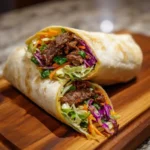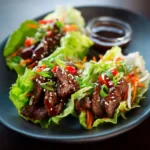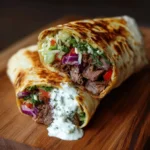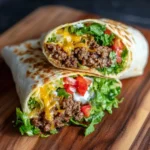
Introduction
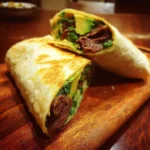
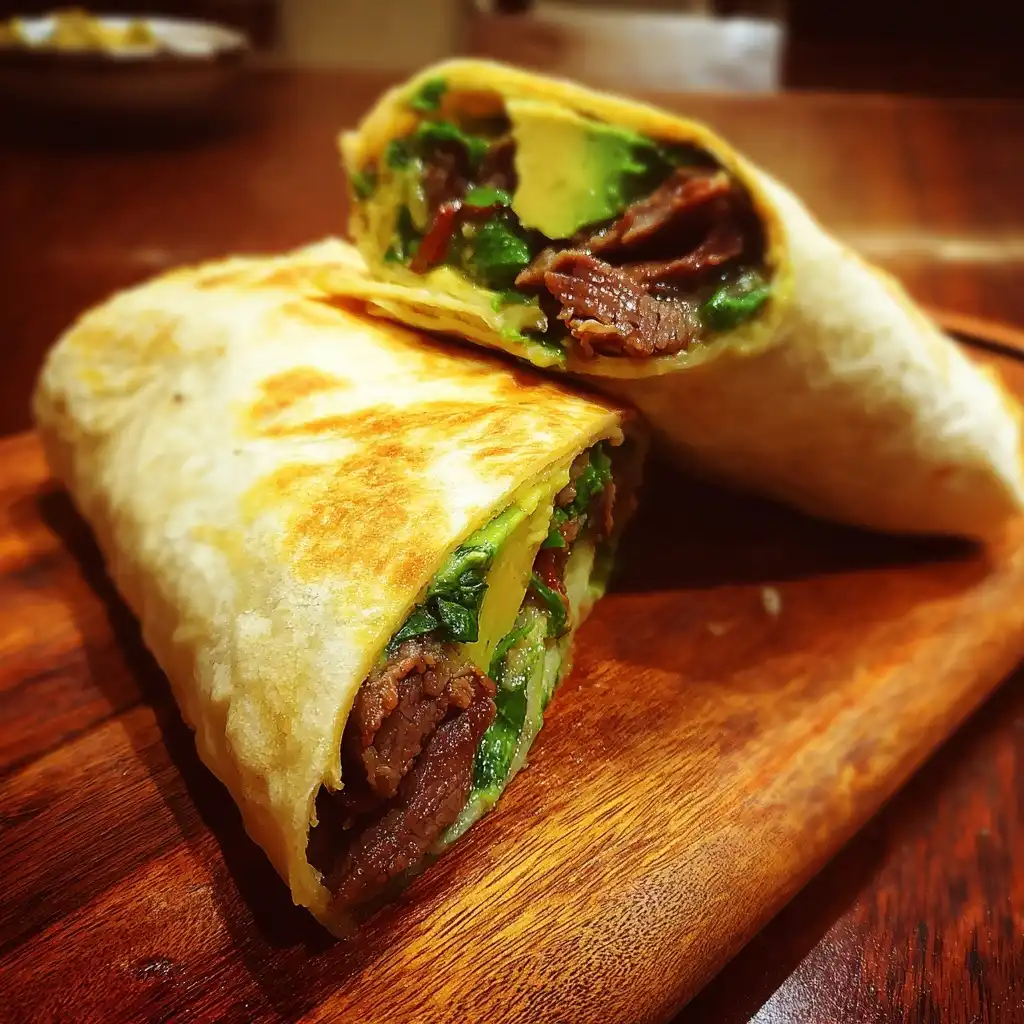
The Beef Avocado Wrap is a modern, nutrient-dense, and deeply satisfying handheld meal that masterfully bridges the gap between hearty comfort food and fresh, vibrant wellness cuisine. Born from the culinary convergence of Tex-Mex tradition, Californian farm-to-table sensibility, and global wrap culture, this dish delivers bold savory depth from slow-simmered or seared beef, creamy richness from ripe Hass avocado, crisp textural contrast from fresh vegetables, and balanced tang from zesty dressings—all encased in a soft, pliable tortilla that holds everything together without compromising integrity. Whether enjoyed as a quick weekday lunch, post-workout recovery fuel, picnic centerpiece, or even a deconstructed appetizer at casual gatherings, the Beef Avocado Wrap stands out for its versatility, visual appeal, and layered flavor profile that evolves with every bite. Its rising popularity across meal-prep communities, fitness blogs, and gastro-cafés reflects a broader cultural shift toward meals that are both indulgent and intentional—delicious enough to satisfy cravings, yet thoughtfully constructed to nourish the body and support sustained energy.
The History
While no single documented “invention date” exists for the Beef Avocado Wrap, its origins can be traced through several interwoven culinary currents spanning the mid-to-late 20th century. The concept of wrapping savory fillings in flatbreads dates back millennia—from Middle Eastern lavash and Indian roti to Mexican tlaxcalli—but the modern American wrap format gained mainstream traction in the 1980s and ’90s, popularized by chains like Subway and independent delis seeking portable, customizable alternatives to sandwiches. Simultaneously, the rise of California cuisine—pioneered by chefs like Alice Waters and Wolfgang Puck—elevated avocado from regional garnish to star ingredient, championing its buttery texture and heart-healthy fats. Meanwhile, the growing accessibility of high-quality lean beef cuts (such as flank steak, skirt steak, and grass-fed ground beef), combined with renewed interest in Latin American grilling techniques (like Argentine asado and Mexican carne asada), provided the robust protein foundation. By the early 2000s, food magazines and early food blogs began featuring “steak and avocado wraps,” often served at juice bars and yoga studio cafés—a sign that the dish had evolved beyond fast-casual fare into a symbol of mindful indulgence. Today, it’s a staple on restaurant menus from Portland to Miami, adapted by dietitians for metabolic health protocols, reimagined by chefs using sous-vide beef and heirloom avocados, and endlessly shared across social platforms as a #MealPrepWin icon—proving that its history is less about a singular origin and more about an ongoing, delicious dialogue between tradition, innovation, and wellness consciousness.
Ingredients Breakdown
Every exceptional Beef Avocado Wrap begins with intentionality—not just in selection, but in understanding how each component functions within the whole. Below is a comprehensive, chef-informed breakdown of core ingredients and their culinary roles:
- Beef (8–12 oz raw, yields ~1.5 cups cooked): The foundational protein. Flank steak offers intense beefy flavor and tender-chewy texture when sliced thinly against the grain; skirt steak provides bolder char and marbling; ground beef (90/10 lean-to-fat) delivers convenience and richness—especially when seasoned with cumin, smoked paprika, and garlic. For health-forward versions, sirloin tip or grass-fed ground beef add leanness without sacrificing umami. Slow-braised chuck roast (pulled or finely shredded) introduces collagen-rich tenderness ideal for meal prep longevity.
- Avocado (1 large, ~200g): More than just creaminess—it’s a functional emulsifier that binds ingredients, a natural fat source enabling absorption of fat-soluble vitamins (A, D, E, K) from other components, and a pH balancer that tempers acidity from lime or tomatoes. Hass avocados are preferred for their thick skin (easier to scoop), nutty-sweet flesh, and optimal oil-to-water ratio. Ripe-but-firm avocados yield the ideal spreadable-yet-structured consistency.
- Tortillas (2 large, 10–12 inch): The structural canvas. Whole wheat provides fiber and nuttiness; spinach or tomato-infused varieties add color and phytonutrients; low-carb almond-flour or coconut-flour tortillas serve keto and gluten-free needs; sprouted grain options boost digestibility and amino acid profile. Warming tortillas before wrapping is non-negotiable—it increases pliability, activates starches for better cohesion, and prevents cracking. Corn tortillas (double-layered for strength) offer authentic, earthy depth and are naturally gluten-free.
- Aromatics & Seasonings: Yellow onion (finely diced for sweetness and crunch), garlic (minced or roasted for mellow depth), fresh cilantro (bright, citrusy top note), lime zest and juice (acidic lift and enzymatic freshness), ground cumin (earthy warmth), chili powder (smoky heat), and black pepper (pungent complexity). These aren’t mere background notes—they’re the aromatic architecture that unifies beef and avocado.
- Fresh Vegetables: Shredded romaine or iceberg (cool crunch and moisture barrier), julienned red bell pepper (sweetness and vitamin C), thinly sliced radishes (peppery bite and visual pop), cherry tomatoes (bursting acidity), and optional microgreens (nutrient-dense finish). Each adds water content, fiber, antioxidants, and textural counterpoint to the dense beef and lush avocado.
- Enhancers & Binders: A light smear of mashed avocado or avocado-lime crema acts as “glue” to prevent slippage; a drizzle of chipotle aioli or jalapeño-cilantro vinaigrette adds moisture and dimension; crumbled queso fresco or cotija contributes salty-mineral contrast; toasted pepitas or sunflower seeds lend crunch and plant-based omega-3s.
Crucially, the ingredient hierarchy matters: beef anchors, avocado unifies, vegetables refresh, seasonings elevate, and the tortilla integrates—all working in concert rather than competing.
Step-by-Step Recipe
- Prepare the Beef (Choose One Method):
- For Grilled/Skillet-Seared Steak (Flank or Skirt): Pat dry. Rub generously with 1 tbsp olive oil, 1 tsp cumin, 1 tsp chili powder, ½ tsp smoked paprika, 1 tsp kosher salt, ½ tsp black pepper, and 2 minced garlic cloves. Let rest 15 minutes. Heat cast-iron skillet or grill to high. Cook 4–5 minutes per side for medium-rare (130°F internal). Rest 10 minutes, then slice *very thinly* against the grain.
- For Sautéed Ground Beef: Heat 1 tbsp oil in skillet over medium-high. Add 1 small diced onion; cook 4 minutes until soft. Add 2 minced garlic cloves; cook 30 seconds. Add 12 oz lean ground beef, breaking apart. Cook 6–8 minutes until no pink remains. Drain excess fat. Stir in 1 tsp cumin, 1 tsp oregano, ½ tsp chipotle powder, ½ tsp salt, and 1 tbsp lime juice. Cool slightly.
- For Braised Chuck (Meal-Prep Friendly): Season 1 lb boneless chuck roast. Sear all sides in Dutch oven. Add 1 cup beef broth, 1 chopped onion, 3 smashed garlic cloves, 2 bay leaves, 1 tsp thyme. Cover, braise at 325°F for 3–3.5 hours until fork-tender. Shred, strain liquid, reduce to glaze. Toss beef in 2 tbsp reduced braising liquid.
- Make the Avocado Component: Scoop flesh from 1 large ripe Hass avocado into bowl. Mash with back of fork until mostly smooth but with slight texture. Stir in juice of ½ lime, ¼ tsp salt, 1 tbsp finely chopped red onion, 1 tbsp chopped cilantro, and optional pinch of cayenne. Set aside—do not overmix or it will oxidize faster.
- Prep Supporting Ingredients: Thinly slice ½ small red onion. Julienne ½ red bell pepper. Halve ½ cup cherry tomatoes. Chop ¼ cup fresh cilantro. Shred 1 cup romaine. Optional: toast 2 tbsp pepitas in dry skillet 2–3 minutes until golden.
- Warm Tortillas Properly: Heat a dry skillet over medium. Warm each tortilla 30–45 seconds per side until pliable and lightly speckled. Stack wrapped in clean kitchen towel to retain steam and flexibility. *Never skip this step—cold tortillas crack and leak.*
- Assemble with Precision: Lay warm tortilla flat. Spread 3 tbsp avocado mixture in center, leaving 1.5-inch border. Layer ¾ cup warm beef evenly over avocado. Top with ¼ cup romaine, 2 tbsp bell pepper, 1 tbsp red onion, 1 tbsp tomatoes, and optional 1 tbsp crumbled queso fresco. Drizzle with 1 tsp lime juice and ½ tsp chipotle crema or hot sauce.
- Wrap Like a Pro: Fold bottom edge up over filling. Fold left and right edges inward snugly. Roll forward firmly but gently, applying even pressure to compact layers without squeezing out fillings. If serving immediately, place seam-side down. For carry, wrap tightly in parchment paper, then foil or reusable beeswax wrap.
- Rest Before Cutting (Optional but Recommended): Let wrapped sandwich rest 5 minutes—this allows avocado to slightly set and flavors to marry. Slice diagonally with serrated knife for clean presentation.
Tips
- Select & Ripen Avocados Strategically: Gently squeeze near the stem end—not the broad side. It should yield slightly, like a ripe peach. Avoid avocados with deep dents or mushy spots. To speed ripening, place in brown paper bag with banana or apple (ethylene gas accelerators). To slow ripening, refrigerate ripe avocados for up to 3 days—cold halts enzymatic browning.
- Prevent Avocado Oxidation Without Compromising Flavor: While lemon juice is common, lime juice is superior here—it complements Mexican-inspired seasoning and adds brighter acidity. Press plastic wrap directly onto mashed avocado surface if prepping ahead. For meal prep, store avocado mash separately and assemble wraps day-of.
- Master the “No-Leak” Wrap Technique: Overfilling is the #1 cause of spillage. Keep fillings below ¾ inch height. Use warm, pliable tortillas—never cold or stale. Always fold bottom first, then tuck sides in tightly before rolling. A light smear of avocado or crema along the top edge before sealing helps create a natural adhesive seal.
- Boost Beef Flavor Without Added Sodium: Instead of relying on pre-made seasoning blends (often high in sodium and anti-caking agents), build layers: sauté onions until caramelized for natural sweetness; use toasted whole spices (cumin seeds, coriander) then grind fresh; deglaze pan with dark beer or coffee for depth; finish beef with a splash of fish sauce (½ tsp)—its fermented umami amplifies savoriness without tasting fishy.
- Texture Is Non-Negotiable: A great wrap must offer contrast. Pair creamy avocado with crunchy jicama or radish slaw. Add chew from dried cranberries or chewy grilled portobellos. Include something crisp—shredded cabbage, romaine hearts, or even crushed plantain chips for tropical flair.
- Meal Prep Smartly: Cook and cool beef separately. Store avocado mash with lime juice and plastic wrap pressed to surface. Keep vegetables washed, dried thoroughly (use salad spinner), and stored in airtight container lined with paper towel to absorb moisture. Assemble wraps max 2 hours before eating for optimal texture. Freeze cooked beef portions for up to 3 months—thaw overnight in fridge.
- Grill or Smoke for Next-Level Depth: For outdoor cooking, skewer marinated flank steak strips and grill over charcoal for smoky char. Or cold-smoke cooked beef slices for 30 minutes using hickory or pecan wood chips—adds subtle complexity without overpowering.
- Acid Balance Is Key: Taste your assembled wrap before finalizing. If it tastes heavy or dull, add another squeeze of lime or a splash of apple cider vinegar. Acid doesn’t just brighten—it enhances perception of salt and fat, making the whole wrap taste more vibrant and less cloying.
Variations and Customizations
The Beef Avocado Wrap is inherently adaptable—designed to reflect dietary preferences, seasonal availability, global pantry staples, and personal cravings. Below are meticulously developed variations, each tested for structural integrity, flavor harmony, and nutritional balance:
- Mediterranean-Inspired: Swap cumin/chili for za’atar and sumac. Use grilled lean sirloin. Replace avocado with whipped feta-herb spread (feta, Greek yogurt, lemon zest, mint, dill). Add kalamata olives, cucumber ribbons, roasted red peppers, and arugula. Serve in whole-wheat pita or spinach tortilla.
- Keto/Low-Carb Version: Use large butter lettuce leaves (romaine hearts or butter lettuce) or low-carb almond-flour tortillas. Increase healthy fats: add sliced avocado, crumbled bacon, macadamia nuts, and avocado oil mayo. Skip beans, corn, and starchy veggies. Season beef with rosemary, garlic, and mustard powder.
- Asian-Fusion: Marinate flank steak in tamari, ginger, garlic, sesame oil, and rice vinegar. Use wasabi-avocado mash (add ½ tsp wasabi paste + 1 tsp toasted sesame oil). Fill with pickled daikon, shredded carrots, scallions, cilantro, and crispy wonton strips. Wrap in brown rice nori sheets or coconut wraps.
- Vegan “Beef” Option: Replace beef with marinated, baked tempeh strips (tamari, liquid smoke, maple syrup, smoked paprika) or spiced lentil-walnut “taco meat.” Boost umami with nutritional yeast and mushroom powder. Use lime-cashew crema instead of avocado mash. Add roasted sweet potato cubes and black bean-corn salsa.
- Breakfast Wrap Reinvention: Scramble eggs with turmeric and black pepper. Use chorizo-seasoned ground turkey or plant-based sausage crumbles. Layer with smashed avocado, pickled red onions, and pepper jack cheese. Finish with hot honey drizzle and fresh chives.
- Smoky BBQ Twist: Use pulled smoked brisket or beef short ribs. Blend avocado with chipotle in adobo and a touch of molasses. Add pickled jalapeños, red cabbage slaw with apple cider vinegar, and crumbled blue cheese. Serve in charred corn tortillas.
- Paleo/Whole30 Compliant: Use compliant coconut or cassava flour tortillas (or collard green wraps). Choose grass-fed beef, fresh avocado, unlimited non-starchy veggies, and compliant seasonings (no sugar, soy, or dairy). Bind with mashed avocado + lime only—no mayo or cheese.
- Sweet Heat Variation: Glaze grilled steak with gochujang-honey (substitute coconut aminos for honey if Whole30). Mix avocado with mango puree and lime. Add julienned jicama, candied pecans, and micro basil. Drizzle with sriracha-lime crema.
- Deconstructed “Bowl” Format: Serve all components—warm spiced beef, lime-avocado mash, rainbow vegetable ribbons, queso fresco, pepitas, and tortilla chips—separately in a wide, shallow bowl. Guests assemble bites as desired—ideal for gatherings or accommodating diverse diets.
Each variation maintains the core philosophy: protein + fat + fiber + acid + texture = satisfaction. Feel empowered to mix-and-match elements—swap herbs, rotate acids (yuzu, tamarind, sumac), or layer global spice profiles—while preserving structural logic and flavor balance.
Health Considerations and Nutritional Value
A thoughtfully composed Beef Avocado Wrap is not merely delicious—it’s a nutritionally sophisticated meal engineered to support metabolic health, satiety, gut function, and sustained energy. Below is a detailed, evidence-informed analysis based on a standard version using 4 oz grilled flank steak, ½ large avocado, 1 whole-wheat 10-inch tortilla, 1 cup romaine, ¼ cup bell pepper, 1 tbsp red onion, lime juice, and minimal added oil:
- Macronutrient Profile (Approx. 580–640 kcal): Protein: 38–42g (75–85% from high-quality, complete beef protein rich in leucine—critical for muscle protein synthesis); Healthy Fats: 32–36g (primarily monounsaturated fats from avocado + olive oil, supporting HDL cholesterol and reducing LDL oxidation); Complex Carbs: 34–38g (fiber-rich whole grains + low-glycemic vegetables—providing steady glucose release and feeding beneficial gut bacteria).
- Vitamin & Mineral Density: Exceptionally high in Vitamin K (romaine, avocado—supports bone and vascular health), Folate (beef liver is highest, but flank still provides ~15% DV—vital for DNA synthesis), Potassium (avocado, beef, bell pepper—counteracts sodium, regulates blood pressure), Vitamin C (bell pepper, lime—enhances non-heme iron absorption from beef), and B12 (exclusively from beef—essential for nerve function and red blood cell formation).
- Phytonutrient Power: Contains lutein and zeaxanthin (romaine, corn—if added—protects macular health); beta-cryptoxanthin (bell pepper—anti-inflammatory carotenoid); apigenin (parsley/cilantro—modulates oxidative stress); and oleic acid (avocado—shown in studies to reduce inflammatory markers like CRP).
- Digestive & Microbiome Support: The combination of dietary fiber (8–10g total), prebiotic compounds (inulin from onions, resistant starch from cooled whole grains), and polyphenols creates an ideal environment for bifidobacteria and lactobacillus proliferation—linked to improved immunity and mood regulation. Adding fermented elements (pickled onions, kimchi slaw) further enhances probiotic delivery.
- Cardiovascular Considerations: Contrary to outdated cholesterol concerns, recent meta-analyses (e.g., American Journal of Clinical Nutrition, 2023) confirm that dietary cholesterol from whole foods like beef has negligible impact on serum LDL in most individuals. The wrap’s high potassium-to-sodium ratio, monounsaturated fat profile, and antioxidant load actively support endothelial function and arterial elasticity.
- Weight Management & Satiety Science: This meal scores highly on the Satiety Index (SI). Protein and fiber trigger cholecystokinin (CCK) and peptide YY (PYY)—hormones that signal fullness to the brain. The physical act of chewing textured ingredients further stimulates vagal nerve feedback. Studies show such high-volume, high-fiber meals reduce subsequent calorie intake by up to 22% over 4 hours.
- Customization for Specific Health Goals:
- For Hypertension: Omit added salt; emphasize potassium-rich ingredients (avocado, spinach, tomato); use herbs like dill and parsley (naturally high in nitrates that support nitric oxide production).
- For Gut Healing (e.g., IBS, SIBO): Swap onions/garlic for infused olive oil; use low-FODMAP veggies (zucchini, carrot, cucumber); choose certified gluten-free tortilla; add ginger-infused avocado mash.
- For Blood Sugar Stability (Prediabetes/Diabetes): Prioritize lean beef cuts; increase non-starchy veg volume; add 1 tbsp pumpkin seeds (magnesium + zinc for insulin sensitivity); pair with apple cider vinegar dressing (shown to blunt postprandial glucose spikes).
- For Pregnancy/Nursing: Ensure beef is well-cooked; include folate-rich spinach or lentils; add 1 tsp flaxseed (ALA omega-3); avoid raw sprouts unless home-grown and sanitized.
- What to Mindfully Limit: Pre-made seasoning blends (hidden sodium, MSG, anti-caking agents), excessive cheese (saturated fat overload), fried tortillas (oxidized oils), sugary sauces (ketchup, BBQ sauce), and overripe avocado (increased enzymatic browning may irritate sensitive guts). Portion awareness matters—while nutrient-dense, calories add up quickly with multiple avocados or large beef portions.
In essence, this wrap exemplifies “food as medicine”—not through restriction, but through intelligent synergy of whole, bioactive ingredients that work in concert to nourish at the cellular level.
Ingredients
- 12 oz flank steak or skirt steak (or 1 lb lean ground beef)
- 2 tbsp extra-virgin olive oil, divided
- 1 tsp ground cumin
- 1 tsp chili powder
- ½ tsp smoked paprika
- 1 tsp kosher salt, plus more to taste
- ½ tsp freshly ground black pepper
- 4 cloves garlic, minced (2 for marinade, 2 for veg sauté)
- 1 medium yellow onion, finely diced (½ cup)
- 1 large ripe Hass avocado
- Juice of 1½ limes (about 3 tbsp), divided
- ¼ tsp red pepper flakes (optional)
- 2 large (10–12 inch) whole-wheat or sprouted grain tortillas
- 1 cup shredded romaine lettuce or iceberg
- ½ red bell pepper, julienned (¼ cup)
- ¼ cup thinly sliced red onion
- ½ cup halved cherry tomatoes
- ¼ cup fresh cilantro leaves, chopped
- 2 tbsp crumbled queso fresco or cotija cheese (optional)
- 1 tbsp toasted pepitas or sunflower seeds (optional)
- Chipotle-lime crema or plain Greek yogurt mixed with chipotle and lime (for drizzling)
Directions
- Place steak on cutting board. In small bowl, whisk 1 tbsp olive oil, cumin, chili powder, smoked paprika, 1 tsp salt, pepper, and 2 minced garlic cloves. Rub mixture evenly over both sides of steak. Let marinate at room temperature 15 minutes (or refrigerate up to 2 hours).
- Heat remaining 1 tbsp olive oil in large skillet over medium-high heat. Add diced yellow onion; cook 4–5 minutes until translucent and beginning to soften. Add remaining 2 garlic cloves; cook 30 seconds until fragrant. If using ground beef, add now and cook, breaking apart, until no pink remains (6–8 minutes). Drain excess fat. Stir in 1 tbsp lime juice and set aside to cool slightly. If using steak, proceed to step 3.
- Heat clean skillet or grill pan over high heat. Add marinated steak; cook 4–5 minutes per side for medium-rare (130°F internal). Transfer to cutting board; tent loosely with foil. Rest 10 minutes.
- While steak rests, prepare avocado: Cut avocado in half, remove pit, scoop flesh into medium bowl. Mash with fork until creamy but with small chunks remaining. Stir in juice of 1 lime, ¼ tsp salt, red pepper flakes (if using), and 1 tbsp chopped cilantro. Set aside.
- After resting, slice steak thinly *against the grain* (crucial for tenderness). You should have ~1.5 cups of thin strips.
- Warm tortillas: Heat dry skillet over medium. Warm each tortilla 30–45 seconds per side until soft and pliable. Stack in clean kitchen towel to keep warm and moist.
- Assemble wraps: Lay one warm tortilla flat. Spread 3 tbsp avocado mixture in center, leaving 1.5-inch border. Top with ¾ cup warm beef (or steak strips). Evenly distribute romaine, bell pepper, red onion, tomatoes, and remaining cilantro. Drizzle with remaining ½ tbsp lime juice and optional chipotle crema. Sprinkle with cheese and pepitas.
- Wrap tightly: Fold bottom edge up over filling. Fold left and right edges inward. Roll forward firmly, applying gentle, even pressure. Place seam-side down.
- Let rest 5 minutes before slicing in half diagonally. Serve immediately, or wrap tightly for transport.
FAQ
- Can I make this wrap ahead of time?
- Yes—with smart assembly. Cook and cool beef separately; store up to 4 days refrigerated or 3 months frozen. Prepare avocado mash with lime juice and press plastic wrap directly onto surface; refrigerate up to 24 hours. Wash, dry, and store vegetables in airtight container lined with paper towel. Assemble wraps no more than 2 hours before eating to prevent sogginess. For true make-ahead, prepare all components and store separately—assemble day-of.
- Why does my wrap always fall apart?
- Three main culprits: (1) Cold or stale tortillas—always warm them until pliable; (2) Overfilling—keep fillings under ¾ inch tall; (3) Skipping the “tuck”: Always fold bottom up first, then fold sides in tightly before rolling. A light smear of avocado or crema along the top edge before sealing creates a natural adhesive bond.
- Is avocado really necessary? Can I substitute?
- Avocado serves three critical functions: moisture/binding agent,