Introduction
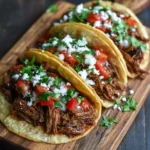
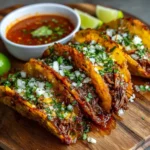
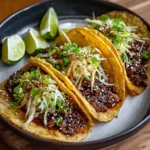
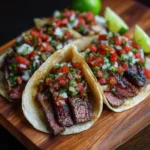
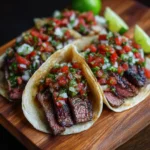
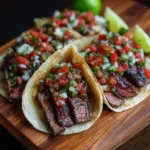
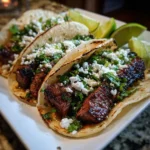
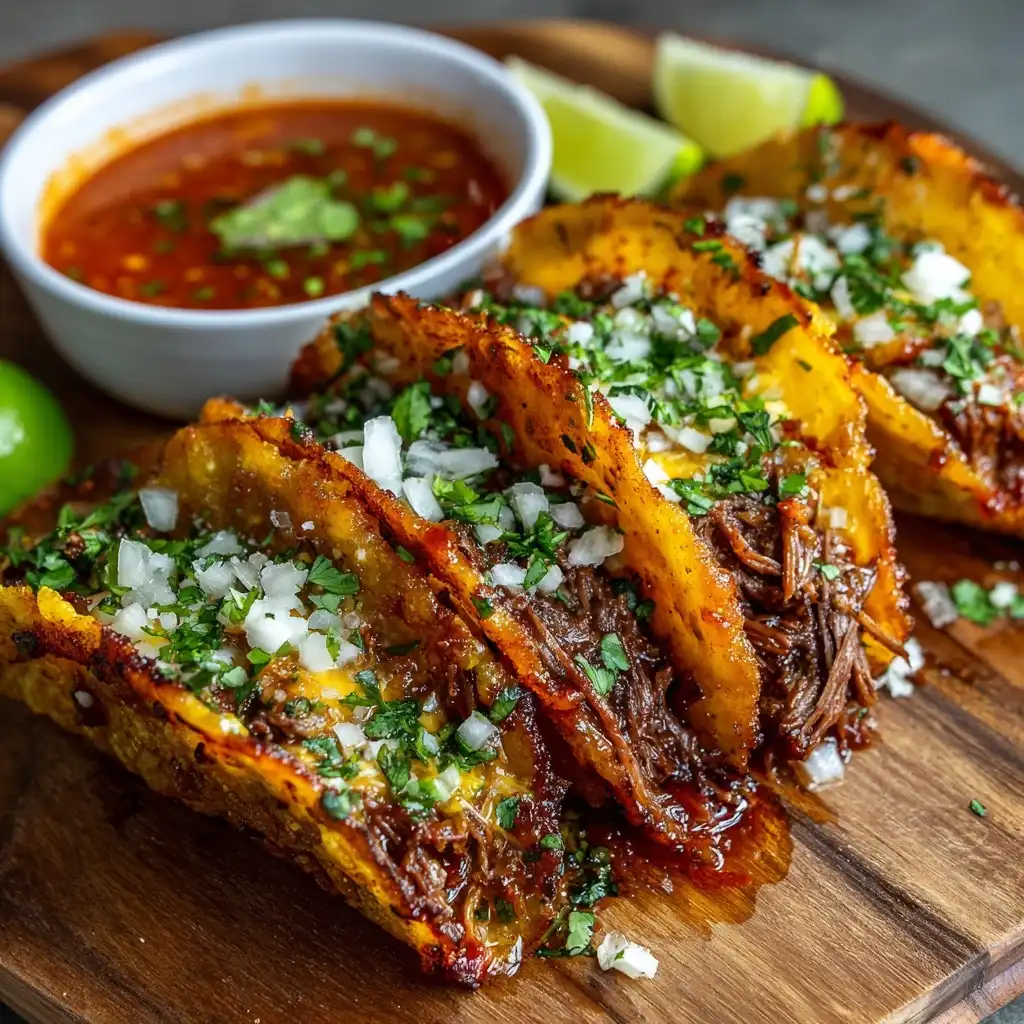
Birria-style beef tacos represent a bold, soul-warming evolution of a centuries-old Mexican culinary tradition—transformed for modern palates while honoring its deep cultural roots. Unlike traditional birria, which is traditionally served as a rich, consommé-based stew (often with goat or lamb), birria-style beef tacos have surged in popularity across the United States and beyond as a vibrant, handheld fusion dish: tender, slow-braised beef enveloped in a deeply aromatic, chile-infused adobo, then folded into warm, double-layered corn tortillas that have been lightly dipped in the strained, glossy birria broth and griddled until pliable and slightly crisp at the edges. Served with a side of steaming birria consommé for dipping, fresh lime wedges, chopped white onion, cilantro, and often crumbled queso fresco or pickled red onions, these tacos deliver an unforgettable symphony of umami, heat, smoke, acidity, and richness in every bite. More than just street food, birria-style beef tacos embody resilience, reinvention, and communal joy—equally at home at a late-night taco truck, a family Sunday supper, or an elevated dinner party where guests assemble their own tacos tableside.
The History
The origins of birria trace back to colonial-era Jalisco, Mexico—specifically the town of Cocula—where it emerged in the 16th or 17th century as a resourceful way for Indigenous and mestizo communities to transform tough, less-desirable cuts of meat (particularly goat, known locally as *chivo*) using slow-cooking techniques inherited from pre-Hispanic traditions and enhanced by Spanish-introduced spices and livestock. The word “birria” itself may derive from the Spanish word *birria*, historically meaning “worthless” or “inferior”—a humble nod to the off-cuts and tougher meats initially used. Over time, birria evolved into a celebratory dish reserved for weddings, baptisms, and religious festivals like Las Posadas, where entire families would gather around earthen pits or large copper *cazuelas* to tend simmering pots for up to 24 hours. Its regional identity remained firmly anchored in western Mexico—Jalisco, Nayarit, and Colima—until the late 20th century, when migration brought birria northward into California, Texas, and Arizona. The true birria “revolution,” however, began in the early 2010s in Southern California, particularly in Los Angeles’ taco scene, when visionary taqueros—including legends like Roberto Santibañez and the team behind *Tacos El Birrierito* and *Birria de Mulegé*—began experimenting with serving birria not only as a stew but *as tacos*: shredding the braised meat, dipping freshly pressed corn tortillas into the reduced, collagen-rich broth (*acitronado*), and griddling them to create a textural marvel—crisp-edged yet supple, saturated with flavor. Social media, especially Instagram and TikTok, catapulted “birria tacos” into global stardom circa 2019–2020, turning the dripping, cheese-laden, consommé-dipped taco into a viral sensation and inspiring countless copycats, gourmet reinterpretations, and even breakfast birria burritos and birria ramen. Today, birria-style beef tacos stand as a powerful testament to culinary adaptation—respecting ancestral methods while boldly embracing innovation, accessibility, and cross-cultural dialogue.
Ingredients Breakdown
Every exceptional batch of birria-style beef tacos begins with intentionality—not just in sourcing, but in understanding the functional role each ingredient plays in building layers of flavor, texture, and depth:
- Beef Chuck Roast (3–4 lbs): The cornerstone cut—well-marbled, collagen-rich, and ideal for low-and-slow braising. Chuck’s intramuscular fat renders into silkiness, while connective tissue breaks down into gelatin, giving the broth body and mouthfeel. Avoid lean cuts like sirloin or round; they dry out and lack structural integrity for shredding.
- Dried Guajillo Chiles (6–8): Mild heat (2,500–5,000 SHU), tangy berry-like fruitiness, and leathery earthiness. Provide foundational color (deep brick-red) and balanced acidity. Always deseed and devein to reduce bitterness.
- Dried Ancho Chiles (4–5): Dried poblano peppers offering raisin-like sweetness, mild smokiness, and subtle chocolate notes. Anchor the flavor profile with warmth and complexity—never spicy, always comforting.
- Dried Chipotle Morita Chiles (2–3): Smoked, ripe jalapeños delivering moderate heat (2,500–8,000 SHU), pronounced campfire smoke, and tangy plum depth. Responsible for the signature “birria aroma” and backbone of savory intensity.
- Dried Pasilla Negro Chiles (2): Prune-and-tobacco richness, dark fruit notes, and gentle tannic structure. Adds dimension and subtle bitterness that balances sweetness—often underutilized but critical for authenticity.
- Tomatillos (¼ lb, husked & rinsed): Bright, vegetal tartness and natural pectin that help emulsify the sauce. Green tomatillos (not purple or yellow varieties) are essential—they lend a clean, herbal acidity that lifts the chile base.
- White Onion (1 large, quartered): Raw pungency mellows during roasting, contributing sweet allium depth and aromatic sulfur compounds crucial for umami development.
- Garlic (1 whole head, unpeeled): Roasting transforms garlic into creamy, nutty, almost balsamic sweetness—infusing the adobo with mellow, rounded savoriness.
- Fresh Oregano (2 tbsp, Mexican variety preferred): Earthy, minty, slightly medicinal—distinct from Mediterranean oregano. Adds herbal brightness and traditional terroir.
- Ground Cumin (1½ tsp): Warm, toasted, nutty, and faintly citrusy—enhances meatiness without overpowering. Always toast whole cumin seeds and grind fresh for maximum volatility.
- Dried Cinnamon (1 small stick, Ceylon preferred): Delicate, floral, and nuanced—not harsh or woody like cassia. Imparts subtle warmth and bridges sweet and savory notes.
- Whole Cloves (4–5): Intense, sweet-heat and eugenol-rich aroma. Used sparingly—they’re potent! Contribute to the “spiced stew” character without dominating.
- Black Peppercorns (1 tsp, freshly cracked): Pungent, floral heat and volatile oils that activate other spices. Fresh cracking ensures maximum aromatic release.
- Apple Cider Vinegar (2 tbsp): Brightens the adobo, cuts through fat, and helps extract soluble flavors from chiles and aromatics. A non-negotiable acid component.
- Beef Broth (4 cups, low-sodium): Provides liquid medium and foundational savory depth. Homemade bone broth is ideal—but high-quality store-bought works if fortified with roasted beef bones.
- Bay Leaves (3): Eucalyptus-tinged bitterness and tea-like astringency—essential for balancing richness and adding structural lift.
- Salt (to taste, approx. 2–3 tsp kosher): Not merely for seasoning—it’s a flavor amplifier, protein modulator (helping retain moisture in meat), and extraction catalyst for chile capsaicinoids.
- Neutral Oil (2 tbsp): For roasting aromatics and chiles—avocado, grapeseed, or light olive oil preferred for high smoke point and clean flavor.
- Homemade Corn Tortillas (24–30, 6-inch): Freshly made, nixtamalized masa is non-negotiable for authentic texture—pliable, slightly chewy, with inherent sweetness and minerality. Store-bought “street taco” style works in a pinch, but avoid stiff, preservative-laden brands.
- Queso Fresco or Cotija (½ cup, crumbled): Salty, milky, crumbly—adds contrast and cooling richness. Queso fresco melts gently; cotija offers sharper saltiness.
- Accompaniments: Finely diced white onion, fresh cilantro leaves, lime wedges, radish slices, pickled red onions, avocado crema, and *consommé* (the strained, clarified, and reduced birria broth) served piping hot in a small bowl for dipping.
Step-by-Step Recipe
- Prep the Chiles: Wipe dried chiles clean with a damp cloth. Remove stems and shake out most seeds (deveining optional but recommended for smoother texture). Toast chiles *one type at a time* in a dry comal or skillet over medium-low heat for 20–30 seconds per side—just until fragrant and slightly puffed (do NOT burn). Transfer immediately to a heatproof bowl, cover with 4 cups of just-boiled water, and soak for 20 minutes until fully rehydrated and plump.
- Roast the Aromatics: Preheat oven to 400°F (200°C). Place quartered onion, unpeeled garlic head, and tomatillos on a parchment-lined baking sheet. Drizzle lightly with oil and roast for 25–30 minutes, flipping halfway, until onion is caramelized, tomatillos are blistered and softened, and garlic is golden and yielding. Let cool slightly, then squeeze roasted garlic cloves from skins.
- Build the Adobo Base: In a high-powered blender, combine soaked chiles (with ~1 cup soaking liquid), roasted onion/tomatillos/garlic, oregano, cumin, cinnamon stick, cloves, peppercorns, vinegar, and 1 tsp salt. Blend on high for 2–3 minutes, stopping to scrape sides, until completely smooth and velvety—no flecks or grit. If too thick, add reserved chile water 1 tbsp at a time. Strain through a fine-mesh sieve into a large bowl, pressing solids with a spatula to extract every drop. Discard fibrous solids.
- Prepare the Beef: Pat chuck roast *extremely dry* with paper towels. Season generously on all sides with remaining salt (1–2 tsp). Heat 1 tbsp oil in a heavy-bottomed Dutch oven or braiser over medium-high heat until shimmering. Sear roast on all sides until deeply browned (4–5 minutes per side)—this Maillard reaction builds irreplaceable flavor. Remove and set aside.
- Braise Low & Slow: Reduce heat to medium. Pour adobo into the pot and simmer 3–4 minutes to cook off raw flavors. Return seared beef to pot, nestling it into the sauce. Add beef broth and bay leaves. Liquid should come halfway up the roast—if not, add more broth or water. Bring to a gentle simmer, then cover tightly with lid or heavy foil. Transfer to preheated 325°F (165°C) oven and braise for 3½–4 hours, rotating pan halfway, until meat is fork-tender and pulls apart effortlessly with minimal pressure. Alternatively, use an electric pressure cooker: high pressure for 90 minutes + natural release.
- Rest & Shred: Carefully remove roast from pot and place on a rimmed cutting board or sheet pan. Tent loosely with foil and rest for 30 minutes—this allows juices to redistribute, preventing dryness. Skim excess fat from surface of braising liquid using a ladle or fat separator. Strain broth through a fine-mesh sieve lined with cheesecloth into a clean saucepan. Reserve both shredded meat and strained consommé separately.
- Reduce the Consommé: Simmer strained broth over medium-low heat for 20–30 minutes, stirring occasionally, until reduced by ~⅓ (to ~6 cups) and thickened slightly—should coat the back of a spoon. Season to taste with additional salt if needed. Keep warm.
- Assemble the Tacos: Heat a cast-iron skillet or flat-top griddle over medium heat. Warm corn tortillas individually for ~15 seconds per side until pliable. Dip each tortilla *quickly* into warm consommé (1–2 seconds per side—do not oversaturate), then lay flat on griddle. Immediately top half of tortilla with ~¼ cup shredded beef, a sprinkle of queso fresco, and optional onions/crema. Fold in half and press gently with a spatula. Cook 1–2 minutes per side until tortilla is golden, slightly crisp at edges, and interior is steamy-hot. Repeat.
- Plate & Serve: Serve tacos immediately on warmed plates with small bowls of hot consommé for dipping, lime wedges, fresh garnishes, and extra queso on the side. For authenticity, offer a small spoon for sipping consommé between bites.
Tips
- Chile Quality Matters: Source dried chiles from Mexican markets or reputable online purveyors (e.g., The Chile Shop, Santa Cruz Organic). Stale or oxidized chiles taste flat and dusty—always smell them: they should be fragrant, fruity, and slightly smoky—not musty or rancid.
- Toast with Discipline: Toasting chiles unlocks volatile oils—but 5 seconds too long turns nuance into acrid bitterness. Use a timer, keep heat low, and listen for the “pop” sound as moisture escapes.
- Strain Religiously: Skipping the straining step yields gritty, uneven tacos. A second pass through a finer mesh or cheesecloth ensures restaurant-grade silkiness.
- Rest the Meat—No Exceptions: Cutting into hot, braised beef releases precious juices. Resting for 30 minutes improves tenderness by up to 40% and makes shredding effortless.
- Consommé Clarity = Technique: For crystal-clear, jewel-toned consommé, chill strained broth overnight, then skim solidified fat from the top. Reheat gently—never boil—to preserve clarity and delicate aroma.
- Tortilla Temperature Is Key: Cold tortillas crack; overheated ones become brittle. Warm them just enough to be pliable—test with a gentle fold before dipping.
- Dip, Don’t Drown: A split-second dip hydrates the tortilla and seasons it—but lingering causes disintegration. Use tongs for precision.
- Griddle Heat Control: Too hot = burnt edges and raw centers; too low = soggy, greasy tacos. Aim for medium heat where a drop of water sizzles and evaporates in 2 seconds.
- Double-Tortilla Hack: For ultimate structural integrity and richness, layer two dipped tortillas before filling—creates a luxurious, laminated effect reminiscent of quesabirria.
- Make-Ahead Mastery: Braise the beef and reduce the consommé up to 3 days ahead. Store separately in airtight containers refrigerated. Reheat consommé gently; shred beef cold for cleaner handling.
- Freeze Like a Pro: Portion shredded beef and consommé separately in freezer bags (remove air). Freeze up to 6 months. Thaw overnight in fridge—never microwave thaw, as it toughens beef fibers.
- Respect the Maillard: Never skip searing—even if short on time. That crust dissolves into the braising liquid, becoming the foundation of your consommé’s depth.
- Acid Balance Test: Before serving, taste consommé: if flat, add a splash of vinegar or fresh lime juice. If too sharp, a pinch of piloncillo or brown sugar rounds it beautifully.
- Leftover Magic: Repurpose leftover consommé as a base for birria ramen, birria chili, braised black beans, or even a rich pan sauce for grilled steak.
Variations and Customizations
Birria-style beef tacos are inherently adaptable—a canvas for creativity rooted in respect for tradition:
- Protein Swaps: Try grass-fed lamb shoulder for authentic Jaliscan fidelity; pasture-raised goat for historical accuracy; oxtail for ultra-gelatinous richness; or jackfruit (for vegan birria) simmered in adobo and smoked paprika for meaty texture.
- Regional Chile Profiles: Oaxacan-style swaps pasilla for chilhuacle negro and adds hoja santa; Sinaloan version incorporates dried chiltepin for fiery finish; Sonoran birria leans into guajillo-ancho-chipotle with roasted green chiles.
- Smoked Birria: After searing, transfer beef and adobo to a pellet smoker at 275°F for 4 hours using oak or mesquite—adds profound woodsy complexity. Finish in oven if needed.
- Beer-Braised Birria: Replace 1 cup broth with dark Mexican lager (Negra Modelo, Dos Equis Amber) for malty sweetness and effervescence that tenderizes further.
- Breakfast Birria: Fill dipped tortillas with shredded beef, scrambled eggs, crispy potatoes, and chipotle crema—top with salsa verde and pickled jalapeños.
- Seafood Birria: Poach shrimp, scallops, or firm white fish in reduced consommé infused with epazote and dried seaweed—serve with avocado and cucumber relish.
- Gourmet Twists: Add black garlic paste to adobo; finish consommé with truffle oil; garnish with micro-cilantro and edible flowers; serve with birria-glazed carrots or roasted cactus paddles.
- Dietary Adaptations: Gluten-free (naturally compliant); keto-friendly (skip tortillas, serve meat and consommé in lettuce cups or as “birria soup”); Whole30-approved (omit dairy, use coconut aminos instead of vinegar).
- Sweet-Savory Fusion: Stir 1 tbsp piloncillo and ½ tsp ground clove into adobo for deeper molasses warmth—ideal for holiday menus.
- Heat-Level Tuning: Mild: omit chipotle, add 1 rehydrated dried mulato. Medium: keep recipe as written. Hot: add 1 chopped fresh habanero to blender or ½ tsp arbol powder. Extreme: infuse consommé with ghost pepper oil (use extreme caution!).
- Vegetable-Forward Birria: Add roasted sweet potato, caramelized plantains, or charred cauliflower florets to shredded beef for added texture and nutrition.
- Cheese Variations: Substitute panela for mild melt, asadero for stretchy pull, or aged manchego for nutty complexity. For vegan, use cashew-based queso with nutritional yeast and chipotle.
Health Considerations and Nutritional Value
A single serving (3 birria-style beef tacos with ¼ cup consommé and standard garnishes) provides approximately 580–650 calories, with a robust macro and micronutrient profile rooted in whole-food ingredients:
- Protein Powerhouse: ~42g high-biological-value protein from grass-fed beef supports muscle synthesis, satiety, and metabolic health. Contains all nine essential amino acids, plus creatine and carnosine—natural antioxidants linked to cognitive and muscular function.
- Healthy Fats: ~32g total fat, predominantly monounsaturated (from olive oil, avocado oil, and beef marbling) and saturated (from grass-fed sources). These fats support hormone production, vitamin absorption (A, D, E, K), and cellular integrity—especially when sourced from pasture-raised animals with favorable omega-3:omega-6 ratios (~2:1 vs. grain-fed 10:1).
- Chile-Derived Phytonutrients: Capsaicin in chipotles boosts metabolism and exhibits anti-inflammatory properties; lycopene in guajillos and anthocyanins in anchos act as potent free-radical scavengers; vitamin C from tomatillos enhances iron absorption from beef.
- Gut-Friendly Collagen: Slow-braising converts collagen into bioavailable gelatin—supports joint health, skin elasticity, and gut lining repair. Consommé is essentially a homemade bone broth, rich in glycine and proline.
- Fiber & Fermentation Benefits: Fresh corn tortillas (especially heirloom blue or red masa) provide resistant starch and prebiotic fiber. Pairing with fermented garnishes—pickled red onions, curtido, or probiotic-rich crema—enhances microbiome diversity.
- Low-Additive & Minimal Processing: When made from scratch, this recipe avoids industrial preservatives, artificial colors, refined sugars, and MSG—unlike many commercial birria products.
- Mindful Modifications: To reduce sodium, use no-salt-added broth and limit added salt to 1 tsp; for lower saturated fat, trim visible fat before braising and chill consommé to remove solidified fat; increase vegetable volume by adding sautéed kale or zucchini to fillings.
- Considerations: Naturally high in sodium (approx. 950mg/serving)—monitor if managing hypertension. Moderate purine content (from organ meats sometimes added) may concern gout sufferers—stick to muscle meat only. Lactose-intolerant? Opt for lactose-free queso fresco or omit dairy entirely.
- Nutritionist Tip: Pair with a side of jicama-studded slaw or roasted nopales for added fiber, vitamin K, and magnesium—balancing the meal’s nutrient density and glycemic load.
Ingredients
- 3–4 lbs boneless beef chuck roast, well-marbled
- 6–8 dried guajillo chiles, stemmed, seeded, and wiped
- 4–5 dried ancho chiles, stemmed, seeded, and wiped
- 2–3 dried chipotle morita chiles, stemmed and seeded
- 2 dried pasilla negro chiles, stemmed and seeded
- ¼ lb tomatillos, husked and rinsed
- 1 large white onion, quartered
- 1 whole head garlic, unpeeled
- 2 tbsp dried Mexican oregano (not Mediterranean)
- 1½ tsp ground cumin, preferably toasted and freshly ground
- 1 small stick Ceylon cinnamon (about 2 inches)
- 4–5 whole cloves
- 1 tsp freshly cracked black peppercorns
- 2 tbsp apple cider vinegar
- 4 cups low-sodium beef broth (or homemade bone broth)
- 3 large bay leaves
- 2–3 tsp kosher salt (divided)
- 2 tbsp neutral oil (avocado, grapeseed, or light olive)
- 24–30 (6-inch) fresh corn tortillas, preferably nixtamalized
- ½ cup crumbled queso fresco or cotija
- Accompaniments: finely diced white onion, fresh cilantro leaves, lime wedges, radish slices, pickled red onions, avocado crema
Directions
- Soak dried chiles in just-boiled water for 20 minutes until plump. Drain, reserving 1 cup soaking liquid.
- Roast onion, tomatillos, and garlic at 400°F for 25–30 minutes until caramelized and soft. Cool slightly, then squeeze garlic from skins.
- In a high-speed blender, combine soaked chiles, roasted vegetables, oregano, cumin, cinnamon, cloves, peppercorns, vinegar, 1 tsp salt, and reserved chile water. Blend until perfectly smooth. Strain through a fine-mesh sieve.
- Pat beef dry. Season generously with salt. Heat oil in Dutch oven over medium-high heat. Sear beef on all sides until deeply browned (4–5 min/side). Remove and set aside.
- Reduce heat to medium. Pour adobo into pot and simmer 3–4 minutes. Return beef, add broth and bay leaves. Liquid should reach halfway up roast. Cover and braise at 325°F for 3½–4 hours until fork-tender.
- Remove beef; rest 30 minutes. Skim fat from braising liquid. Strain broth through cheesecloth-lined sieve into saucepan.
- Simmer strained broth 20–30 minutes until reduced by ⅓ and slightly thickened. Season to taste.
- Warm tortillas until pliable. Dip each quickly in warm consommé, then fold over shredded beef, cheese, and garnishes on a hot griddle. Press gently and cook 1–2 min per side until golden.
- Serve immediately with hot consommé for dipping, lime, onions, cilantro, and extra cheese.
FAQ
- Can I make birria-style tacos without a Dutch oven?
- Absolutely. Use a heavy-bottomed stockpot with tight-fitting lid, or an electric pressure cooker (90 minutes high pressure + natural release). Slow cookers also work—cook on LOW for 8–10 hours, though flavor development is less intense.
- Why does my consommé taste bitter?
- Likely from over-toasting chiles, using oxidized chiles, or leaving chile stems/seeds intact. Also possible if vinegar was omitted—acid balances bitterness. Next time, toast more gently and strain thoroughly.
- My