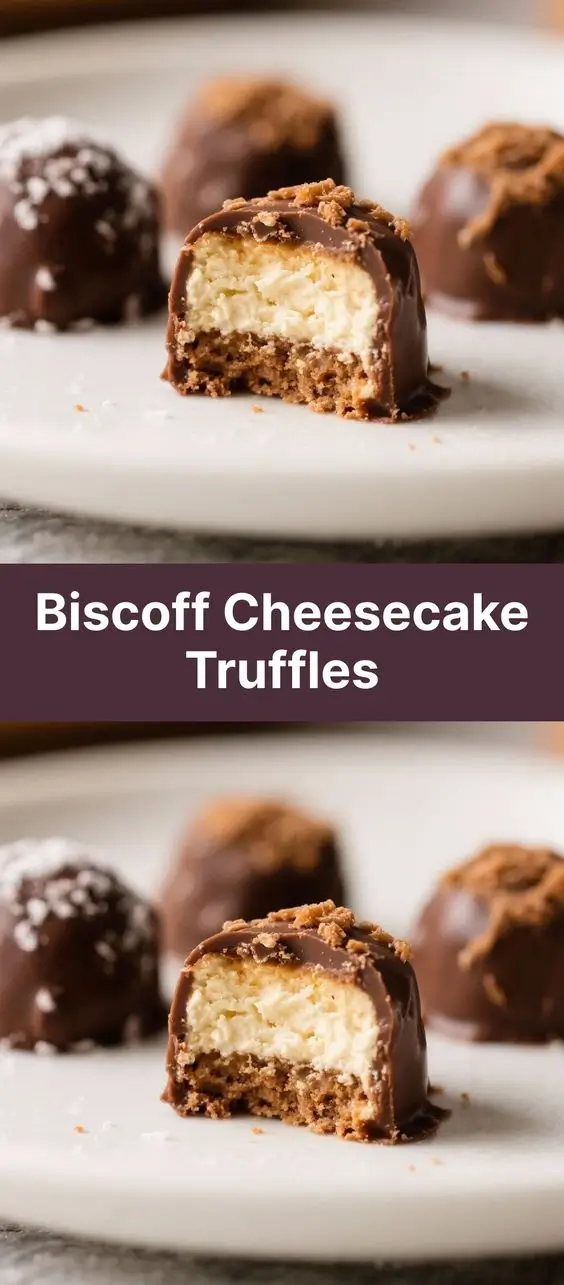
Biscoff Cheesecake Truffles: A Decadent Delight
Introduction
If you’re a fan of creamy desserts with a hint of caramelized sweetness, then Biscoff Cheesecake Truffles are about to become your new favorite treat. These bite-sized morsels combine the rich, velvety texture of cheesecake with the distinctive spiced flavor of Biscoff spread (also known as speculoos), creating an irresistible confection perfect for parties, gifts, or indulgent snacking. Easy to make and even easier to devour, these truffles are no-bake, requiring minimal effort for maximum flavor impact. Whether you’re hosting a holiday gathering, looking for a sweet surprise for a loved one, or simply treating yourself, Biscoff Cheesecake Truffles deliver gourmet taste in every single bite.
The History
The journey of Biscoff Cheesecake Truffles begins with two beloved ingredients: Biscoff cookies and cream cheese. Biscoff, short for “Biscuit Speculoos,” originated in Belgium and was traditionally served on airplanes by the airline Brussels Airlines. Its popularity soared due to its unique blend of cinnamon, brown sugar, and warm spices, offering a caramelized flavor that’s both nostalgic and exotic. Over time, fans began experimenting with Biscoff spread — the creamy version of the cookie — using it in everything from frostings to fillings.
Cheesecake, on the other hand, dates back to ancient Greece and has evolved into countless modern variations across cultures. The American version, typically made with cream cheese, graham cracker crust, and fruit toppings, became a staple dessert in the 20th century. Combining these two iconic elements — the creamy richness of cheesecake and the spiced warmth of Biscoff — was only a matter of time. Biscoff Cheesecake Truffles emerged from the fusion dessert trend of the early 2010s, when food bloggers and home bakers began crafting no-bake treats using popular spreads and confections. Today, they’re a celebrated part of dessert boards, gift trays, and social media-worthy sweets.
Ingredients Breakdown
The magic of Biscoff Cheesecake Truffles lies in their simple yet luxurious ingredients. Each component plays a vital role in creating the perfect balance of flavor, texture, and melt-in-your-mouth indulgence.
- Cream Cheese (Full-Fat): Acts as the base, providing a smooth, tangy richness essential to any cheesecake-inspired treat. Using full-fat cream cheese ensures a creamy consistency without crumbling.
- Biscoff Spread (Cookie Butter): The star ingredient! This smooth, spiced spread adds deep caramelized notes of cinnamon, ginger, nutmeg, and brown sugar. Opt for the creamy version for easier mixing.
- Powdered Sugar: Adds sweetness and helps firm up the mixture slightly, making it easier to roll into balls. Sift it first to avoid lumps.
- Vanilla Extract: Enhances the overall flavor profile, adding warmth and depth that complements the spices in Biscoff.
- Biscoff Cookies (Crushed): Used both in the filling and as a coating, crushed Biscoff cookies add texture and reinforce the signature taste. You can crush them in a food processor or place them in a zip-top bag and roll with a rolling pin.
- Heavy Cream or Whipped Topping (Optional): For a lighter texture, some recipes incorporate a small amount of whipped cream or Cool Whip. This step is optional but can make the truffles fluffier.
- White Chocolate or Dark Chocolate (Melting): Used for dipping or drizzling, chocolate adds a glossy finish and contrast in flavor. White chocolate pairs especially well with Biscoff’s sweetness.
- Salted Butter (Optional): A small amount can be added to enhance creaminess and help bind the mixture if needed.
Step-by-Step Recipe
Follow this detailed guide to create perfectly smooth, rich Biscoff Cheesecake Truffles at home.
- Prepare Your Workspace: Line a large baking sheet or tray with parchment paper. Have all your ingredients measured and ready. Chill the tray in the freezer for 10–15 minutes to help firm up the mixture later.
- Mix the Base: In a large mixing bowl, beat 8 oz of softened cream cheese (one block) until smooth and creamy using a hand mixer or stand mixer. Scrape down the sides as needed.
- Add Sweetness and Flavor: Add ½ cup of Biscoff spread, 1 cup of sifted powdered sugar, 1 teaspoon of vanilla extract, and ¼ cup of finely crushed Biscoff cookies. Beat on medium speed until fully combined and smooth. Taste and adjust sweetness or spice level if desired.
- Chill the Mixture: Cover the bowl with plastic wrap and refrigerate for at least 1 hour (or up to 3 hours). Chilling is crucial — it makes the mixture firm enough to roll without sticking.
- Form the Truffles: Once chilled, use a small cookie scoop or tablespoon to portion out the mixture. Roll each portion gently between clean hands into 1-inch balls. Place them on the prepared tray as you go.
- Re-Chill for Firming: Return the tray to the refrigerator for another 20–30 minutes to firm up the truffle balls before coating.
- Prepare Coatings: While the truffles chill, prepare coatings. Crush additional Biscoff cookies into fine crumbs. Melt white or dark chocolate in a double boiler or microwave (in 20-second bursts, stirring between).
- Coat the Truffles: You have several options:
- Roll in Biscoff Crumbs: Gently roll each ball in crushed Biscoff for a rustic, textured finish.
- Dip in Chocolate: Use a fork or dipping tool to submerge each truffle in melted chocolate, then lift and tap off excess. Place on parchment.
- Drizzle: Place rolled truffles on wax paper, then drizzle with contrasting chocolate using a spoon or piping bag.
- Final Chill: Let coated truffles set in the refrigerator for 15–20 minutes until chocolate hardens or coatings adhere firmly.
- Serve or Store: Transfer to an airtight container. Serve chilled for best texture.
Tips
- Use Room Temperature Cream Cheese: Cold cream cheese won’t mix smoothly and may result in lumps. Let it sit out for 30–60 minutes before starting.
- Don’t Skip the Chill Time: Refrigerating the mixture twice ensures the truffles hold their shape and don’t melt in your hands during coating.
- Wear Food-Grade Gloves: When rolling, lightly dust gloves with powdered sugar to prevent sticking.
- Uniform Size = Even Setting: Use a small cookie scoop (about 1 tablespoon) for consistent sizing and professional look.
- Melt Chocolate Carefully: Never let water get into melted chocolate — it causes seizing. Stir frequently and use low heat.
- Freeze for Longevity: These truffles freeze well! Place uncoated balls on a tray, freeze solid, then transfer to a freezer bag. Thaw in the fridge before coating.
- Add Texture Gradually: If mixing in extra cookie crumbs, start with less and add more if needed — too many can dry out the mixture.
Variations and Customizations
Biscoff Cheesecake Truffles are incredibly versatile. Try these creative twists to suit different tastes and occasions:
- Chocolate Lover’s Version: Add mini chocolate chips to the mixture or use dark chocolate for dipping.
- Spice Boost: Add a pinch of ground cinnamon, nutmeg, or ginger to intensify the warm spice flavor.
- Peanut Butter Swirl: Mix 2 tablespoons of peanut butter into the cream cheese base or swirl into the melted chocolate before setting.
- Oreo Fusion: Replace half the Biscoff cookies with crushed Oreos for a hybrid flavor experience.
- Gluten-Free Option: Use certified gluten-free Biscoff spread and cookies (available in some regions) or substitute with another gluten-free spiced cookie.
- Vegan Adaptation: Use vegan cream cheese, dairy-free Biscoff-style spread, and coconut oil-based chocolate for a plant-based version.
- Mini Tartlets: Press the mixture into mini muffin liners instead of rolling — create bite-sized cheesecake cups.
- Seasonal Themes: Roll in colored sprinkles, crushed peppermint, toasted coconut, or edible glitter for holidays.
- Coffee Infused: Add 1 teaspoon of instant espresso powder to the mix for a mocha-Biscoff twist.
- Alcohol-Infused (Adults Only): Mix in 1 tablespoon of Baileys, Kahlua, or rum for a boozy kick (adjust consistency with extra crumbs if needed).
Health Considerations and Nutritional Value
While Biscoff Cheesecake Truffles are undeniably delicious, they are best enjoyed in moderation due to their high sugar, fat, and calorie content.
Nutritional Overview (Per Truffle, Approximate):
- Calories: 90–120
- Total Fat: 6–8g (mostly from cream cheese and Biscoff)
- Saturated Fat: 3–4g
- Carbohydrates: 10–14g
- Sugars: 8–10g
- Protein: 1–2g
- Cholesterol & Sodium: Moderate levels from dairy and processed ingredients
Considerations:
- Sugar Content: High due to Biscoff spread, powdered sugar, and chocolate. Those monitoring blood sugar should consume sparingly.
- Lactose Intolerance: Contains dairy; consider lactose-free alternatives where possible.
- Allergens: Common allergens include milk, wheat (gluten), soy (in some Biscoff products), and tree nuts (check labels).
- Portion Control: Serve on small plates or platters to encourage mindful eating.
- Balanced Indulgence: Pair with fresh fruit, herbal tea, or sparkling water to balance richness.
Ingredients
- 8 oz (1 package) full-fat cream cheese, softened
- ½ cup Biscoff spread (cookie butter), creamy version
- 1 cup powdered sugar, sifted
- 1 teaspoon pure vanilla extract
- ⅓ cup Biscoff cookies, finely crushed (plus extra for coating)
- ¾ cup white chocolate or dark chocolate chips (for melting)
- Optional: 1–2 tablespoons heavy cream or whipped topping for fluffiness
- Optional: 1 tablespoon salted butter for enhanced creaminess
Directions
- In a large bowl, beat softened cream cheese with a mixer until smooth and creamy.
- Add Biscoff spread, sifted powdered sugar, vanilla extract, and crushed Biscoff cookies. Mix on medium until fully incorporated and smooth.
- Cover and refrigerate for 1 hour, or until firm enough to roll.
- Using a small scoop or spoon, form 1-inch balls and place on a parchment-lined tray.
- Chill again for 20–30 minutes to firm up.
- Melt chocolate in a double boiler or microwave-safe bowl in 20-second intervals, stirring until smooth.
- Roll truffles in crushed Biscoff crumbs, dip in melted chocolate, or drizzle with chocolate using a spoon or piping bag.
- Return to tray and refrigerate for 15–20 minutes until set.
- Store in an airtight container in the refrigerator for up to 1 week, or freeze for up to 2 months.
FAQ
Q: Can I make Biscoff Cheesecake Truffles without Biscoff spread?
A: While the flavor won’t be the same, you can try substituting with a homemade speculoos-style spread or a mix of peanut butter and cinnamon-sugar. However, authentic Biscoff is highly recommended for best results.
Q: Why are my truffles too soft to roll?
A: The mixture likely needs more chilling time. Return it to the fridge for an additional 30 minutes. You can also add more crushed cookies to absorb moisture.
Q: Can I use light cream cheese?
A: It’s not recommended. Low-fat cream cheese contains more water and may result in a runny mixture that doesn’t hold shape well.
Q: How far in advance can I make these?
A: You can make them up to 3 days ahead and store in the fridge, or freeze for up to 2 months. Add final coatings just before serving for best appearance.
Q: Can I use crunchy Biscoff spread?
A: Yes! Crunchy Biscoff adds extra texture. Just ensure the rest of the mixture is well-blended for a smooth roll.
Q: Are these gluten-free?
A: Standard Biscoff products contain wheat. Use gluten-free speculoos cookies and spread if available, or check labels carefully.
Q: What can I use instead of chocolate for coating?
A: Try candy melts, yogurt coating, or a dusting of cocoa powder mixed with cinnamon for a lighter option.
Summary
Biscoff Cheesecake Truffles blend creamy cheesecake with spiced cookie butter into bite-sized delights that melt in your mouth. Easy to make, endlessly customizable, and perfect for sharing — they’re a must-try for any dessert lover.