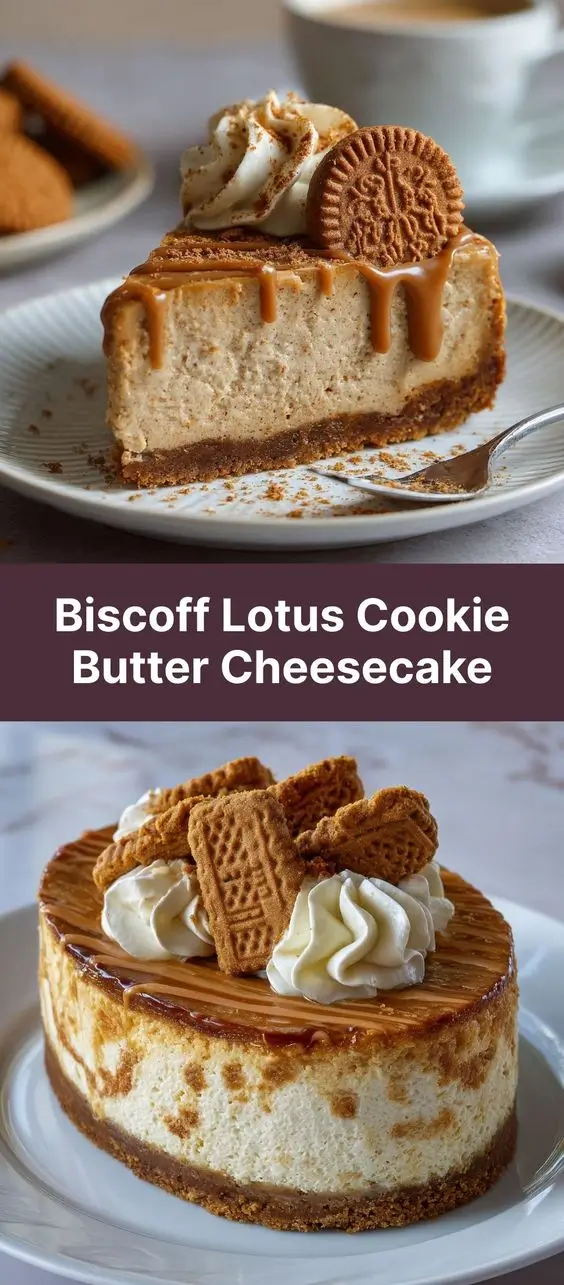
Biscoff Lotus Cookie Butter Cheesecake: A Decadent Delight for Every Occasion
If you’re a fan of creamy textures, rich flavors, and the unmistakable taste of caramelized biscuit goodness, then the Biscoff Lotus Cookie Butter Cheesecake is your ultimate dessert dream come true. This indulgent treat combines the beloved spiced cookie spread—Biscoff—with a velvety cheesecake filling, all nestled atop a buttery cookie crust. Whether you’re preparing it for a holiday gathering, birthday celebration, or simply treating yourself on a cozy night in, this cheesecake promises to deliver an unforgettable experience with every bite.
The History Behind the Biscoff Phenomenon
To truly appreciate the Biscoff Lotus Cookie Butter Cheesecake, one must first understand the origins of its star ingredient: Biscoff. Also known as speculoos, these cinnamon-spiced biscuits originated in Belgium and were traditionally served alongside coffee on European airlines—a practice that began in the 1930s by the Belgian airline Sabena. Passengers quickly fell in love with the sweet, aromatic cookies, leading to increased demand beyond airport terminals.
In the early 2000s, Lotus Bakeries revolutionized the concept by transforming the crushed biscuits into a smooth, spreadable paste now globally recognized as Biscoff Spread or Cookie Butter. Its unique blend of brown sugar, cinnamon, and warm spices captured hearts worldwide, becoming a pantry staple for toast lovers, dip enthusiasts, and creative bakers alike. The transition from simple snack to gourmet ingredient was inevitable, paving the way for innovations like the Biscoff Lotus Cookie Butter Cheesecake—a modern dessert masterpiece rooted in European tradition and elevated through American-style baking flair.
Ingredients Breakdown: What Makes This Cheesecake So Irresistible?
The magic of this cheesecake lies not just in flavor but in the careful selection and balance of ingredients. Each component plays a vital role in creating a harmonious texture and depth of taste.
- Cream Cheese: Full-fat cream cheese is essential for achieving that classic dense yet creamy cheesecake consistency. Always use brick-style blocks (not spreadable tubs) and ensure they are at room temperature before mixing to prevent lumps.
- Sour Cream: Adds tanginess and moisture, helping to keep the cheesecake from drying out during baking.
- Granulated Sugar: Provides sweetness while also aiding in aeration during beating, contributing to a smoother batter.
- Eggs: Act as binders and leavening agents. Room-temperature eggs integrate more evenly into the mixture, reducing the risk of curdling or overmixing.
- Vanilla Extract: Enhances overall flavor complexity and rounds out the sweetness.
- Biscoff Spread (Cookie Butter): The hero ingredient! Its rich, caramel-like notes infuse the entire cheesecake with warmth and spice. We’ll use it both in the filling and as a swirl on top for visual appeal and intensified flavor bursts.
- Lotus Biscoff Cookies: Used for the crust, these crisp, spiced biscuits create a firm base that complements the creamy filling without getting soggy.
- Melted Butter: Binds the crushed cookies together and adds richness to the crust.
- Heavy Cream or Whipping Cream: Often added to the filling for extra silkiness and improved mouthfeel.
- Flour or Cornstarch (optional): A small amount helps stabilize the custard structure, minimizing cracks during cooling.
Step-by-Step Recipe: How to Make Biscoff Lotus Cookie Butter Cheesecake
Preparation Overview
Before diving in, gather all your tools: a 9-inch springform pan, food processor or rolling pin, electric mixer (hand or stand), mixing bowls, rubber spatula, and ideally, a roasting pan for a water bath. Preheat your oven to 325°F (160°C).
Ingredients List
For the Crust:
- 20–25 Lotus Biscoff cookies (about 1½ cups finely crushed)
- ⅓ cup unsalted butter, melted
- 1 tablespoon granulated sugar (optional, enhances sweetness)
- ¼ teaspoon ground cinnamon (optional, for extra spice)
For the Filling:
- 4 (8 oz) packages full-fat cream cheese, room temperature
- 1 cup granulated sugar
- 1 cup Biscoff spread (smooth variety)
- 1 cup sour cream, room temperature
- 3 large eggs, room temperature
- 2 egg yolks (optional, for added richness)
- 1 teaspoon pure vanilla extract
- 2 tablespoons all-purpose flour or cornstarch
- ¼ teaspoon salt
- ¼ cup heavy cream
For the Swirl (Optional but Recommended):
- ¼ cup Biscoff spread
- 1 tablespoon heavy cream
For Garnish (Optional):
- Crushed Biscoff cookies
- Whipped cream
- Chocolate shavings
- Drizzled Biscoff sauce
Directions
- Prepare the Crust: Crush the Biscoff cookies into fine crumbs using a food processor or place them in a sealed plastic bag and roll with a rolling pin. In a bowl, mix the crumbs with melted butter, sugar, and cinnamon until combined. Press the mixture firmly into the bottom and slightly up the sides of a greased 9-inch springform pan. Use the bottom of a glass or measuring cup to compress it evenly. Bake for 10 minutes at 325°F, then remove and let cool while you prepare the filling. Reduce oven temperature if needed.
- Make the Water Bath Setup (Highly Recommended): Wrap the outside of the springform pan tightly with two layers of heavy-duty aluminum foil to prevent water leakage. Place the pan inside a larger roasting pan.
- Prepare the Filling: In a large bowl, beat the softened cream cheese with an electric mixer on medium speed until smooth and creamy (about 2 minutes). Gradually add sugar and continue beating until light and fluffy. Scrape down the sides as needed.
- Add the Biscoff spread and mix until fully incorporated. Then blend in sour cream, vanilla extract, flour, and salt. Mix just until smooth—do not overbeat.
- One at a time, add the eggs and egg yolks, mixing on low after each addition until just blended. Overmixing introduces too much air, which can cause cracking. Finally, pour in the heavy cream and mix briefly until the batter is silky and uniform.
- Pour the filling over the cooled crust. Tap the pan gently on the counter to release any air bubbles.
- Create the Biscoff Swirl (Optional): Warm the additional ¼ cup Biscoff spread with 1 tablespoon cream in the microwave for 15 seconds to make it runny. Drizzle over the surface of the cheesecake. Use a toothpick or skewer to gently swirl it into the top layer for a marbled effect.
- Bake Using a Water Bath: Carefully pour hot water into the outer roasting pan until it reaches about halfway up the sides of the springform pan. This creates steam and maintains humidity, preventing cracks and ensuring even baking. Bake for 70–85 minutes, or until the edges are set but the center still has a slight jiggle (like Jell-O when nudged).
- Cool Gradually: Turn off the oven, crack the door open slightly, and allow the cheesecake to cool inside for 1 hour. This slow cooling prevents sudden temperature changes that lead to cracks.
- Remove from water bath, run a knife around the edge (to prevent sticking), and refrigerate uncovered for at least 6 hours—preferably overnight—for optimal texture and firmness.
- Serve: Release the springform clamp, garnish with crushed cookies, whipped cream, or a drizzle of warmed Biscoff spread. Slice with a hot, clean knife for neat pieces.
Tips for Perfect Results Every Time
- Room Temperature Ingredients Are Crucial: Cold cream cheese, eggs, or sour cream can result in a lumpy batter. Take everything out of the fridge 1–2 hours before starting.
- Avoid Overmixing: Once eggs are added, mix only until ingredients are incorporated. Excess whipping traps air, which expands and collapses during baking, causing sinkholes and cracks.
- Use a Water Bath: While some skip this step, it dramatically improves texture and reduces cracking. If you don’t own a roasting pan, consider using disposable aluminum pans available at grocery stores.
- Foil Wrapping Technique: Extend the foil several inches above the pan’s rim and press it snugly around the base. Double-layering ensures no water seeps in.
- Don’t Rush Chilling: A minimum of 6 hours is required, but 8–12 hours delivers the best sliceability and flavor development.
- Wipe the Pan After Cooling: Condensation from the water bath may leave water marks; wipe the foil carefully before chilling.
- Slicing Tip: Dip a sharp knife in hot water and dry it between each cut for clean, professional-looking slices.
Variations and Customizations
The beauty of this recipe lies in its versatility. Here are some delicious twists to try:
- Mini Cheesecakes: Bake in muffin tins lined with parchment circles. Fill liners with crust mixture, then pour in batter. Bake at 325°F for 20–25 minutes. Great for parties!
- No-Bake Version: Replace gelatin or use melted white chocolate to set the filling. Combine whipped cream with dissolved gelatin, fold into sweetened cream cheese and Biscoff, then chill for 4+ hours.
- Layered Dessert Parfaits: Layer crumbled Biscoff crust, Biscoff cheesecake mousse (whipped cream + stabilized filling), and fresh berries in glasses for an elegant presentation.
- Chocolate-Biscoff Fusion: Add ½ cup melted dark chocolate to the batter or layer chocolate ganache beneath the filling for a mocha-inspired twist.
- Spice It Up: Add a pinch of nutmeg, cloves, or ginger to enhance the warmth of the Biscoff flavor.
- Gluten-Free Option: Use gluten-free speculoos-style cookies (available online or make your own) to create a safe version for those with sensitivities.
- Dairy-Free/Vegan Adaptation: Substitute cream cheese with high-quality vegan alternatives (e.g., Kite Hill or Miyoko’s), use coconut-based sour cream, and dairy-free butter. Opt for plant-based Biscoff-style spreads confirmed vegan.
- Swirled Fruit Topper: Add raspberry or salted caramel swirls along with the Biscoff for contrast.
Health Considerations and Nutritional Value
While undeniably delicious, this Biscoff Lotus Cookie Butter Cheesecake is a rich dessert best enjoyed in moderation. Let’s break down what’s in a typical serving (based on 12 servings):
| Nutrient | Amount Per Serving |
|---|---|
| Calories | Approx. 480–520 kcal |
| Total Fat | 32–36 g |
| Saturated Fat | 18–20 g |
| Cholesterol | 140–160 mg |
| Sodium | 300–380 mg |
| Total Carbohydrates | 40–45 g |
| Dietary Fiber | 1–2 g |
| Sugars | 28–32 g |
| Protein | 8–10 g |
Key Notes:
- This dessert is high in saturated fat and sugar due to cream cheese, butter, eggs, and Biscoff spread. Individuals managing cholesterol, diabetes, or weight should consume sparingly.
- Biscoff spread contains vegetable oils (often palm oil), so those avoiding palm may want to seek alternative brands or homemade versions.
- The recipe provides calcium and protein from dairy components but lacks significant fiber or micronutrients.
- For a lighter version, consider reduced-fat cream cheese (though texture may be less creamy), cutting back on sugar by ¼ cup, or serving smaller portions with fresh fruit on the side.
Frequently Asked Questions (FAQ)
Can I make this cheesecake ahead of time?
Absolutely! This cheesecake actually benefits from being made 1–2 days in advance. The flavors deepen and the texture firms up beautifully in the fridge.
Why did my cheesecake crack?
Cracking is usually caused by overbaking, rapid cooling, overmixing, or temperature shock. Using a water bath and slowly cooling in the oven greatly reduces this risk.
Can I freeze Biscoff cheesecake?
Yes! Wrap the chilled, uncut cheesecake tightly in plastic wrap and then foil. Freeze for up to 2 months. Thaw overnight in the refrigerator before serving.
Is there alcohol in Biscoff spread?
No, authentic Lotus Biscoff spread does not contain alcohol. However, always check labels if purchasing other brands or generic versions.
Can I use crunchy Biscoff spread?
Yes, especially in the crust or as a topping. For the main filling, smooth works better for consistency, but you can mix in a few tablespoons of crunchy for texture variation.
How do I store leftover cheesecake?
Cover loosely with plastic wrap or transfer slices to an airtight container. Store in the refrigerator for up to 5 days.
Can I bake this without a water bath?
You can, but results may vary. Expect a higher chance of surface cracks and a denser texture. To help, place a pan of water on the lower rack to increase oven humidity.
What can I substitute for Biscoff spread?
There isn’t a perfect substitute, but you could attempt a homemade version using crushed gingersnaps, brown sugar, cinnamon, and butter blended into a paste. However, nothing replicates the exact flavor profile quite like real Biscoff.
Can I add espresso or coffee to enhance the flavor?
Definitely! Dissolve 1–2 teaspoons of instant espresso powder into the warm heavy cream before adding it to the batter. Coffee enhances the molasses and spice notes in Biscoff.
Is this recipe safe for pregnant women?
Yes, provided all ingredients are pasteurized and the cheesecake is fully baked and properly stored. Avoid consuming raw eggs or unbaked versions unless using pasteurized products.
Summary
The Biscoff Lotus Cookie Butter Cheesecake is a luxurious fusion of spiced cookie warmth and creamy elegance, offering a symphony of flavor and texture that delights the senses. From its crunchy biscuit crust to its silky, swirled filling, this dessert stands as a testament to modern baking creativity rooted in timeless tradition.