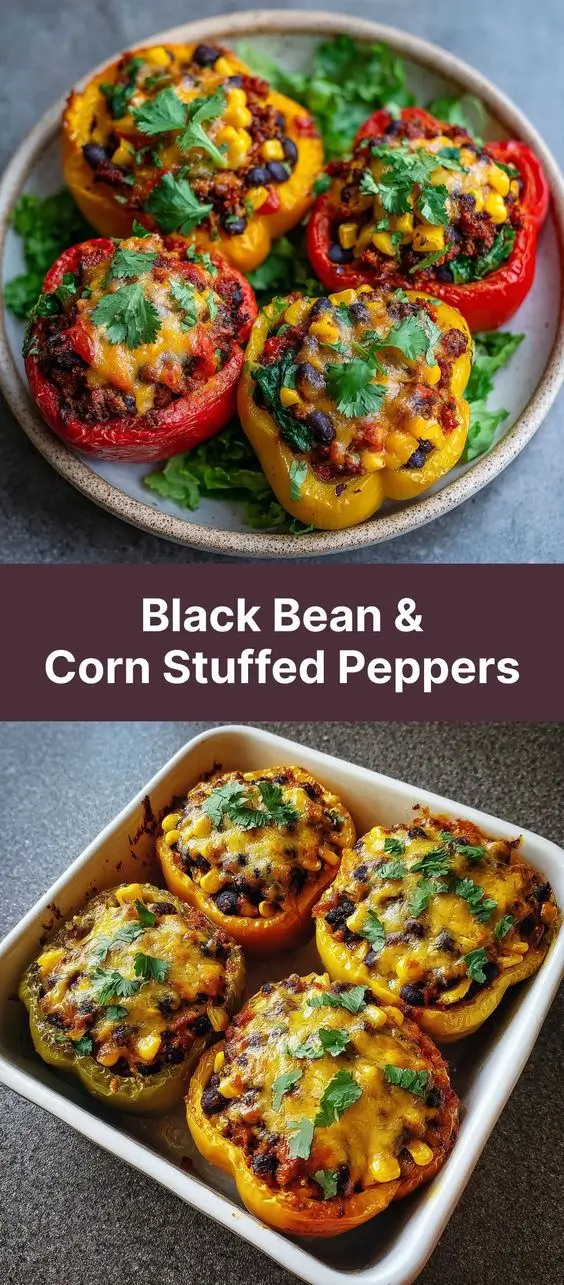
Black Bean & Corn Stuffed Peppers: A Flavorful, Nutritious Delight
Looking for a wholesome, vibrant, and satisfying meal that brings together bold flavors, colorful ingredients, and plant-powered nutrition? Look no further than Black Bean & Corn Stuffed Peppers. These beautifully roasted bell peppers are filled with a hearty mixture of protein-rich black beans, sweet corn, aromatic spices, and savory vegetables, then baked to perfection. Whether you’re serving them as a main course for a weeknight dinner or showcasing them at a weekend gathering, this dish promises to impress both vegetarians and meat-eaters alike.
The History of Stuffed Peppers
Stuffed peppers have a rich culinary history that spans continents and cultures. Originating in Eastern Europe and the Mediterranean, early versions often featured rice, ground meat, and herbs, simmered in tomato sauce. As global migration patterns evolved, so did the dish—adopting regional ingredients and cooking techniques. In Latin America, particularly in Mexico and Central America, stuffed peppers (known as *pimientos rellenos*) began incorporating native elements like black beans, corn, chili peppers, and cumin, reflecting the agricultural abundance and spice-forward palates of the region.
In the United States, stuffed peppers gained popularity in the 20th century, especially in Midwestern and Southern homes, where home cooks adapted recipes using accessible ingredients. With the rise of vegetarianism and plant-based diets in recent decades, bean-stuffed variations—like our Black Bean & Corn Stuffed Peppers—have surged in favor. This modern twist celebrates fresh produce, legumes, and whole grains, making it not only delicious but also aligned with contemporary health-conscious eating.
Ingredients Breakdown: What Makes This Dish Shine
The magic of Black Bean & Corn Stuffed Peppers lies in its harmonious blend of textures and flavors. Each ingredient plays a vital role in building depth, nutrition, and satisfaction:
- Bell Peppers: Choose large, firm bell peppers—red, yellow, or orange for their natural sweetness when roasted. They provide structure, color, and a subtle fruity flavor that complements the savory filling.
- Black Beans: Packed with plant-based protein and fiber, black beans add heartiness and earthy richness. They hold their shape well during baking and absorb surrounding flavors beautifully.
- Corn: Fresh, frozen, or canned corn brings pops of sweetness and texture. When possible, use grilled or fire-roasted corn for a smoky depth.
- Cooked Brown Rice or Quinoa: These whole grains serve as a base, adding complex carbohydrates and helping bind the filling. They also contribute nuttiness and chew.
- Onion & Garlic: Sautéed until translucent, they form the aromatic foundation of the stuffing, enhancing overall savoriness.
- Diced Tomatoes: Canned fire-roasted tomatoes or fresh Roma tomatoes add moisture, acidity, and a touch of brightness.
- Spices: Cumin, smoked paprika, chili powder, and oregano create a warm, Southwestern-inspired flavor profile without excessive heat—perfect for all palates.
- Fresh Herbs: Cilantro adds a burst of freshness and citrusy aroma, elevating the entire dish.
- Cheese (optional): Shredded Monterey Jack, cheddar, or a vegan alternative can be added for creaminess and melty goodness on top.
- Olive Oil & Lime Juice: For drizzling before serving—olive oil adds richness, while lime juice brightens every bite.
Step-by-Step Recipe: How to Make Black Bean & Corn Stuffed Peppers
Follow these detailed steps to create restaurant-quality stuffed peppers right in your kitchen:
- Preheat Oven & Prepare Peppers: Preheat your oven to 375°F (190°C). Slice the tops off 4 large bell peppers and remove seeds and membranes. Lightly coat the outside of each pepper with olive oil and place them upright in a baking dish. If they don’t stand steadily, slice a tiny bit off the bottom—but be careful not to pierce through.
- Blanch the Peppers (Optional but Recommended): To ensure tenderness, blanch the peppers in boiling water for 3–4 minutes, then drain and return them to the baking dish. This step softens them slightly and reduces final baking time.
- Sauté Aromatics: In a large skillet over medium heat, warm 1 tablespoon of olive oil. Add 1 diced onion and cook until soft and translucent (about 5 minutes). Stir in 3 minced garlic cloves and sauté for another 30 seconds until fragrant.
- Add Vegetables & Spices: Toss in 1 cup of corn and cook for 2–3 minutes. Sprinkle in 1 tsp ground cumin, ½ tsp smoked paprika, ¼ tsp chili powder, ½ tsp dried oregano, salt, and black pepper. Stir well to toast the spices for about 30 seconds.
- Build the Filling: Drain and rinse 1 can (15 oz) of black beans, then add them to the skillet. Stir in 1 cup of cooked brown rice or quinoa and ¾ cup of diced tomatoes (with juices). Mix thoroughly and let simmer for 5–7 minutes, allowing flavors to meld. Remove from heat and stir in ¼ cup chopped fresh cilantro.
- Stuff the Peppers: Using a spoon, generously fill each pepper with the bean-corn mixture, mounding it slightly at the top. Pour ½ cup of vegetable broth or water into the bottom of the baking dish to keep the peppers moist during baking.
- Add Cheese (Optional): Sprinkle ½ cup shredded cheese over the tops of each stuffed pepper for a golden, melty finish.
- Bake Until Tender: Cover the baking dish with aluminum foil and bake for 25 minutes. Then remove the foil and bake for an additional 15–20 minutes, or until peppers are tender and lightly charred at edges. If desired, broil for 2–3 minutes at the end for extra browning.
- Serve Warm: Let cool slightly, then drizzle each pepper with a squeeze of fresh lime juice and a thread of olive oil. Garnish with extra cilantro, avocado slices, or a dollop of Greek yogurt or sour cream.
Tips for Perfect Stuffed Peppers Every Time
- Choose Uniform Peppers: Pick similarly sized peppers so they cook evenly. Larger ones offer more room for filling and make a dramatic presentation.
- Don’t Overstuff: While it’s tempting to pile high, leaving a little space prevents spillage and allows steam circulation.
- Use Cooked Grains: Always use pre-cooked rice or quinoa. Leftover grains work perfectly here—this is a great way to reduce food waste!
- Enhance Flavor with Broth: Substitute water with low-sodium vegetable broth when cooking the filling or pouring into the pan for deeper taste.
- Boost Umami: Add a splash of soy sauce, Worcestershire (vegan version if needed), or a spoonful of tomato paste during sautéing for extra savoriness.
- Prevent Sogginess: Avoid over-moistening the filling. If using very juicy tomatoes, drain excess liquid before mixing.
- Make Ahead Friendly: Assemble the peppers up to one day in advance and refrigerate covered. Add 5–10 minutes to baking time if starting cold.
- Freeze for Later: Fully baked stuffed peppers freeze well for up to 3 months. Thaw overnight in the fridge and reheat in the oven at 350°F for 20–25 minutes.
Variations and Customizations
One of the greatest strengths of this recipe is its versatility. Feel free to personalize it based on dietary preferences, seasonal availability, or cultural inspiration:
- Protein Boost: Add crumbled tempeh, lentils, quinoa, or cooked ground turkey or beef for extra protein.
- Vegan Version: Skip the cheese or use a dairy-free alternative. Top with cashew cream or nutritional yeast for a cheesy flavor.
- Gluten-Free Friendly: Naturally gluten-free as written—just confirm all packaged ingredients (like broth or spices) are certified GF if needed.
- Mexican-Inspired Twist: Stir in chopped green chilies, jalapeños, or chipotle in adobo for heat. Serve with salsa, guacamole, and tortilla strips.
- Mediterranean Flair: Swap cumin and chili powder for za’atar or herbes de Provence. Add olives, feta, and sun-dried tomatoes.
- Tex-Mex Nacho Style: Top with crushed tortilla chips and extra cheese before broiling for a fun crunch.
- Low-Carb Option: Replace rice with finely chopped cauliflower rice or quinoa for fewer carbs.
- Breakfast Stuffed Peppers: Add scrambled eggs or tofu scramble and top with hot sauce for a brunch-ready version.
- Mini Stuffed Peppers: Use smaller bell peppers or even poblano peppers for appetizer-sized portions.
Health Considerations and Nutritional Value
Black Bean & Corn Stuffed Peppers are not only delicious—they’re also a powerhouse of nutrition. Here’s why this dish deserves a regular spot in your healthy eating rotation:
- High in Fiber: Thanks to black beans, corn, whole grains, and bell peppers, this meal supports digestive health and promotes satiety, helping manage weight and blood sugar levels.
- Plant-Based Protein: Black beans provide approximately 15 grams of protein per cup, making this a satisfying option for vegetarians and vegans.
- Rich in Vitamins & Antioxidants: Bell peppers are loaded with vitamin C (even more than oranges!), vitamin A, and antioxidants like lycopene and beta-carotene, which support immune function and skin health.
- Heart-Healthy Fats: Olive oil contributes monounsaturated fats, known to support cardiovascular wellness.
- Low in Saturated Fat: Especially in the vegan version, this dish avoids high saturated fat content commonly found in meat-based meals.
- Diabetes-Friendly: The combination of fiber, protein, and complex carbs helps prevent blood sugar spikes when portion-controlled.
- Nutrient-Dense, Not Calorie-Dense: One stuffed pepper typically ranges between 300–400 calories, depending on additions, offering substantial nourishment without excess calories.
- Supports Gut Health: The fiber acts as a prebiotic, feeding beneficial gut bacteria.
Note: Individuals managing kidney issues should monitor potassium intake due to beans and tomatoes. Those with nightshade sensitivities may need to substitute bell peppers with zucchini boats or portobello mushrooms.
Ingredients
- 4 large bell peppers (red, yellow, or orange)
- 1 tbsp olive oil (plus extra for drizzling)
- 1 medium yellow onion, finely diced
- 3 garlic cloves, minced
- 1 cup corn (frozen, fresh, or canned, drained)
- 1 tsp ground cumin
- ½ tsp smoked paprika
- ¼ tsp chili powder
- ½ tsp dried oregano
- Salt and freshly ground black pepper, to taste
- 1 (15 oz) can black beans, drained and rinsed
- 1 cup cooked brown rice or quinoa
- ¾ cup diced tomatoes (canned or fresh)
- ¼ cup fresh cilantro, chopped
- ½ cup shredded cheese (Monterey Jack, cheddar, or vegan alternative – optional)
- ½ cup vegetable broth or water (for baking dish)
- 1 lime, cut into wedges (for serving)
Directions
- Preheat oven to 375°F (190°C). Grease a 9×13-inch baking dish lightly with oil.
- Cut tops off bell peppers and remove seeds and white membranes. Place peppers upright in the baking dish. Optional: Blanch in boiling water for 3–4 minutes, then drain and return to dish.
- In a large skillet over medium heat, warm olive oil. Add onion and sauté until soft (5 minutes). Stir in garlic and cook 30 seconds until fragrant.
- Add corn, cumin, smoked paprika, chili powder, oregano, salt, and pepper. Stir and cook for 2 minutes.
- Stir in black beans, cooked rice/quinoa, and diced tomatoes. Simmer for 5–7 minutes, stirring occasionally. Remove from heat and mix in cilantro.
- Fully stuff each pepper with the mixture, mounding slightly. Place back in the baking dish.
- Pour vegetable broth or water into the bottom of the dish. Top each pepper with shredded cheese if using.
- Cover dish with aluminum foil and bake for 25 minutes. Remove foil and bake uncovered for 15–20 minutes more, until peppers are tender and cheese is bubbly and golden.
- Optional: Broil for 2–3 minutes for charred edges.
- Let rest for 5 minutes. Serve warm with lime wedges for squeezing over the top. Garnish with extra cilantro, avocado, or sour cream as desired.
FAQ
Can I make these ahead of time?
Yes! You can prepare the filling and stuff the peppers up to 24 hours in advance. Cover and refrigerate until ready to bake. Add 5–10 minutes to baking time if starting cold.
Can I freeze stuffed peppers?
Absolutely. Bake, cool completely, wrap individually in foil, and freeze for up to 3 months. Reheat in the oven at 350°F for 25–30 minutes (from frozen).
What can I use instead of rice?
Try quinoa, farro, bulgur, or riced cauliflower for different textures and nutritional profiles.
Are these gluten-free?
Yes, provided all ingredients used (especially broth and spices) are certified gluten-free.
How do I store leftovers?
Store in an airtight container in the refrigerator for up to 4 days. Reheat in the oven or microwave.
Can I grill these instead of baking?
Yes! Wrap stuffed peppers in foil and grill over indirect heat for 30–40 minutes, turning occasionally, until peppers are tender.
Why are my peppers falling over?
Ensure they sit flat by trimming the base slightly. Use uncooked rice or toothpicks to stabilize if needed, or place them snugly among other peppers.
Can I use canned corn and tomatoes?
Yes, just drain corn well and opt for no-salt-added varieties to control sodium.
Summary
Black Bean & Corn Stuffed Peppers are a vibrant, nutrient-packed dish that combines bold Southwestern flavors with wholesome, plant-based ingredients. Baked to tender perfection, they’re perfect for meal prep, family dinners, or entertaining.