Introduction
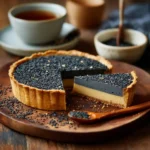
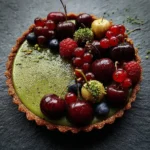
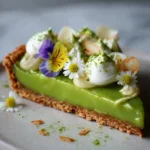
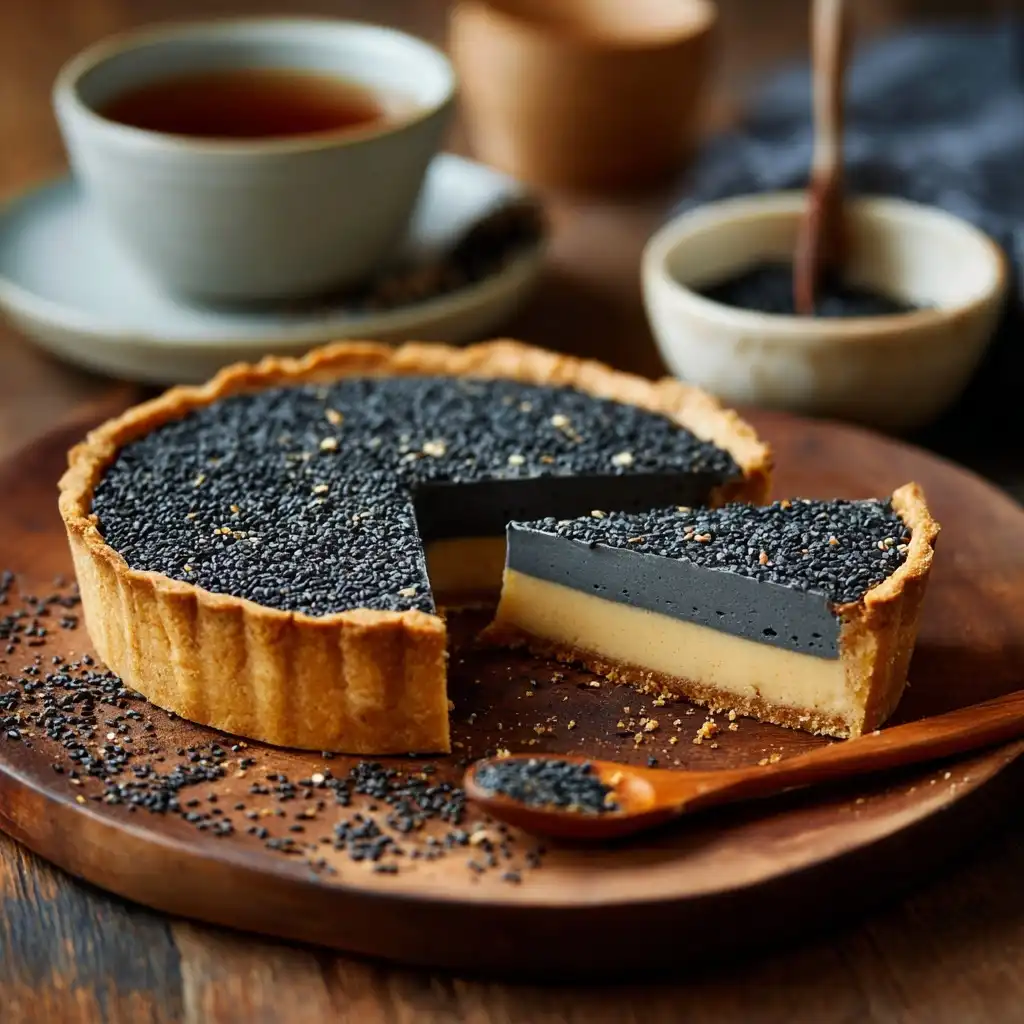
Black Sesame Custard Tart is an exquisite fusion dessert that marries the earthy, nutty depth of premium black sesame paste with the silken elegance of French-style baked custard—encased in a tender, buttery shortcrust pastry. More than just a treat, it’s a sensory journey: the glossy, jet-black filling glistens under soft light, releasing an aromatic whisper of roasted sesame and toasted grain; the crust yields with a delicate crumble; and each bite unfolds layers of umami-rich sweetness, subtle bitterness, and creamy warmth. Originating from contemporary East Asian patisseries but rapidly gaining global acclaim, this tart transcends cultural boundaries—it satisfies traditionalists with its reverence for ingredient integrity while delighting modern palates with its refined texture, sophisticated contrast, and visually arresting presentation. Whether served as a refined conclusion to a multi-course dinner or enjoyed as an afternoon indulgence with matcha or jasmine tea, the Black Sesame Custard Tart embodies balance—between tradition and innovation, simplicity and complexity, austerity and luxury.
The History
The lineage of the Black Sesame Custard Tart is both ancient and refreshingly modern—a culinary palimpsest written across centuries. Black sesame seeds (Sesamum indicum) have been cultivated in China for over 5,000 years and were revered in Traditional Chinese Medicine (TCM) for their “blood-nourishing” and kidney-strengthening properties. In Japanese wagashi, black sesame paste (kurogoma an) appeared as early as the Heian period (794–1185), often shaped into delicate manjū or rolled into yōkan. However, the integration of sesame paste into Western custard-based tarts is a comparatively recent evolution—spurred by the 2010s wave of cross-cultural pastry innovation in Tokyo’s boutique bakeries (e.g., Florilege and Le Cordon Bleu Tokyo alumni-led studios) and later amplified by Seoul’s “neo-korean” dessert movement. Chefs like Yoon Ji-hye (of Cherry Pick, Seoul) and Kenji Sato (ex-Pierre Hermé Paris, now helming KURO in Kyoto) pioneered techniques to stabilize black sesame’s natural oil separation in custard matrices using precise emulsification and low-temperature baking. The tart gained viral traction on Instagram in 2021 after being featured in Food & Wine Japan’s “10 Desserts Redefining Asia,” catalyzing its adoption by Michelin-starred pastry chefs across London, New York, and Melbourne. Its rise reflects a broader gastronomic shift: honoring heritage ingredients through globally fluent techniques—not as exotic novelty, but as foundational flavor.
Ingredients Breakdown
Every element in this tart serves a precise functional and sensory role—no ingredient is incidental:
- Black Sesame Seeds (toasted & ground): The soul of the tart. Must be authentically black (not gray-dyed white sesame), cold-pressed or stone-ground to preserve volatile aromatics. Toasting at 160°C for 8–10 minutes unlocks maillard-derived compounds (2-acetyl-1-pyrroline, guaiacol) responsible for its signature roasted-nut fragrance and bittersweet depth. Oil content (~55%) contributes to mouth-coating richness but must be balanced to prevent weeping.
- Whole Milk & Heavy Cream (36% fat): Not merely liquid carriers—their lactose caramelizes gently during baking, adding subtle sweetness and golden hue; casein proteins coagulate to create structural integrity without rubberiness. A 60:40 milk-to-cream ratio ensures silkiness without greasiness.
- Egg Yolks (pasture-raised, 4–5 large): Provide lecithin for emulsification and fat-soluble richness. Their natural yellow pigment counterbalances the black paste, yielding a deep charcoal-gray custard rather than flat black—critical for visual appeal.
- Granulated Cane Sugar (unrefined turbinado preferred): Adds not only sweetness but mineral complexity (molasses traces) that harmonizes with sesame’s earthiness. Fine granulation ensures seamless dissolution—no graininess in the final set.
- Vanilla Bean (not extract): Scraped seeds contribute vanillin and over 200 aromatic compounds that bridge sesame’s nuttiness and dairy’s creaminess. The tiny black specks enhance visual texture against the dark custard.
- Sea Salt (Maldon or Fleur de Sel): A mere ¼ tsp amplifies all flavors via sodium ion modulation—suppressing bitterness while enhancing umami perception in sesame proteins.
- Unsalted European-Style Butter (82% fat, e.g., Échiré or Plugrá): Used in both crust and custard. High fat content yields flakiness in pastry and prevents curdling in custard by stabilizing the protein network.
- All-Purpose Flour (low-protein, ~9% gluten): Ensures tender, short crust without toughness. Pastry flour is ideal, but AP works with careful handling.
- Optional Enhancers: A pinch of ground white pepper (for aromatic lift), 1 tsp roasted black sesame oil (added post-straining for perfume), or micro-shaved black truffle (gourmet variation).
Step-by-Step Recipe
Makes 12 individual 4-inch tarts or one 9-inch tart
- Prepare the Black Sesame Paste: Toast 1 cup (140g) raw black sesame seeds in a dry skillet over medium-low heat, stirring constantly, until fragrant and deep mahogany (8–10 min). Cool completely. Grind in a high-speed blender or food processor with 2 tbsp neutral oil (grapeseed or sunflower) until ultra-smooth (3–5 min), scraping sides every 60 seconds. Strain through a fine-mesh chinois lined with cheesecloth, pressing firmly to extract every drop of rich, viscous paste. Yield: ~¾ cup. Refrigerate until needed.
- Make the Pâte Sucrée (Sweet Shortcrust): In a stand mixer with paddle attachment, beat 150g cold unsalted butter (cut into ½” cubes) and 75g powdered sugar on medium until pale and fluffy (2 min). Add 1 large egg yolk and 1 tsp vanilla bean seeds; mix 1 min. Gradually add 225g all-purpose flour + ¼ tsp sea salt; mix on low just until shaggy crumbs form. Gently knead 2–3 times on parchment to consolidate. Flatten into 1″ thick disc, wrap tightly, and chill 2 hours (or freeze 30 min).
- Blind-Bake the Crusts: Preheat oven to 170°C (340°F) convection / 180°C (355°F) conventional. Roll chilled dough to ⅛” thickness between parchment. Line 12 tartlet pans (4″ diameter, removable bottoms) or one 9″ fluted tart pan. Trim edges, prick bases with fork, and freeze 15 min. Line with parchment and fill with ceramic baking beans or dried rice. Bake 18 min until edges are golden. Remove weights and parchment; bake 8–10 min more until base is dry and pale gold. Cool completely in pans.
- Prepare the Custard: Warm 300ml whole milk, 100ml heavy cream, 1 scraped vanilla bean pod + seeds, and ¼ tsp sea salt in a saucepan until steaming (do not boil). Meanwhile, whisk 5 large egg yolks and 100g turbinado sugar in a bowl until pale and ribbony (3 min). Slowly pour warm dairy into yolks while whisking vigorously. Strain mixture into a clean bowl. Whisk in 120g black sesame paste until fully homogenized—no streaks remain. For ultimate smoothness, pass through a fine-mesh sieve again.
- Bake the Custard: Place tart shells on a parchment-lined baking sheet. Pour custard to ¼” below rim. Tap sheet sharply to release air bubbles. Bake at 150°C (300°F) convection / 160°C (320°F) conventional for 22–26 min—until edges are set but center jiggles slightly like gelatin. Do not overbake; residual heat will finish cooking. Cool on wire rack 1 hour, then refrigerate uncovered 6+ hours (ideally overnight) to fully set and deepen flavor.
- Finishing Touches: Before serving, glaze with apricot jam (warmed and strained) brushed lightly over surface for sheen. Garnish with toasted black sesame seeds, edible violet petals, or a quenelle of black sesame crème fraîche (mix 100g crème fraîche + 1 tbsp black sesame paste + pinch salt).
Tips
- Toasting Precision: Black sesame burns easily—use a heavy-bottomed skillet and stir with a wooden spoon. If smoke appears, reduce heat immediately. Seeds should smell like warm toast and hazelnuts—not acrid or burnt.
- Paste Consistency is Key: If your black sesame paste is too thick (common with store-bought), thin with 1 tsp warm cream before adding to custard. If too thin, refrigerate 30 min to firm.
- Straining is Non-Negotiable: Even “smooth” commercial pastes contain microscopic grit. Double-straining ensures velvety texture—skip this and you’ll taste sand-like particles.
- Oven Thermometer Essential: Black sesame custard curdles above 85°C (185°F) internally. An oven thermometer prevents hot spots; convection ovens reduce required time by ~20%.
- Cooling Discipline: Never rush chilling. Rushed cooling causes condensation inside crust → sogginess. Refrigerate uncovered so moisture evaporates, not reabsorbs.
- Crust Protection: Brush pre-baked shells with melted white chocolate (tempered) before filling—creates a moisture barrier that preserves crispness for up to 48 hours.
- Reheating Wisdom: Never microwave. To refresh day-old tarts, place on a wire rack over simmering water (bain-marie) for 90 seconds—just enough to soften edges without melting center.
Variations and Customizations
- Matcha-Black Sesame Swirl: Reserve ¼ cup custard, fold in 1 tsp ceremonial-grade matcha (sifted), then marble into main batter before baking for an elegant green-and-charcoal ripple.
- Yuzu-Infused: Steep 2 tsp yuzu zest in warm cream for 15 min before straining into milk mixture—adds bright, floral-citrus top note that cuts richness.
- Vegan Adaptation: Replace eggs with 3 tbsp tapioca starch + 2 tbsp aquafaba (chickpea brine); use coconut cream (full-fat) and black sesame butter; crust with almond flour + coconut oil. Set requires 10 min longer baking.
- Umami Boost: Add ½ tsp white miso paste (fermented soy) to custard—deepens savory complexity without detectable soy flavor.
- Textural Contrast: Press a thin layer of crushed black sesame brittle (sesame + sugar + baking soda) onto crust base before pouring custard.
- Alcoholic Infusion: Stir 1 tbsp aged shōchū or plum wine (umeshu) into warm custard for subtle fruit-forward warmth.
- Gluten-Free Crust: Substitute 1:1 GF flour blend (with xanthan gum) + 2 tbsp ground toasted almonds for structure and nuttiness.
- Mini-Tartlettes for Events: Use 2.5″ fluted molds—bake 14–16 min. Perfect for wedding dessert tables or canapé service.
Health Considerations and Nutritional Value
Per standard 4-inch individual tart (approx. 210g):
- Calories: 420 kcal — moderate for a dessert, primarily from healthy fats and complex carbohydrates.
- Fats (28g): Predominantly monounsaturated (oleic acid from sesame) and saturated (from butter/cream). Contains zero trans fats. Omega-6:Omega-3 ratio is balanced (~3:1), supporting anti-inflammatory pathways.
- Protein (7g): High-quality complete protein from egg yolks and sesame (contains all 9 essential amino acids, especially methionine).
- Fiber (3g): From whole black sesame seeds—supports gut microbiota diversity and satiety.
- Key Micronutrients: Exceptionally rich in calcium (22% DV), iron (18% DV), magnesium (35% DV), zinc (20% DV), and vitamin E (45% DV). Black sesame contains 3x more calcium than milk per gram.
- Phytonutrients: Lignans (sesamin, sesamolin) act as potent antioxidants and may support liver detoxification enzymes (Phase II). Anthocyanins in black seed coat confer additional free-radical scavenging.
- Considerations: Naturally gluten-containing (crust); contains dairy and eggs (allergen alert). Sugar content is moderate (18g)—lower than most fruit tarts due to sesame’s inherent sweetness. For diabetics, pair with cinnamon-infused whipped cream to lower glycemic impact.
- TCM Perspective: Classified as “warming” and “yin-nourishing”—traditionally recommended for fatigue, premature graying, and dry skin. Contraindicated in acute fever or diarrhea.
Ingredients
For the Pâte Sucrée (Tart Shells):
• 150g (1¼ sticks) unsalted European-style butter, cold, cubed
• 75g powdered sugar
• 1 large egg yolk
• 1 tsp vanilla bean seeds (from ½ pod)
• 225g all-purpose flour (preferably low-protein)
• ¼ tsp fine sea salt
• Optional: 1 tbsp toasted black sesame seeds (for crust flecks)
For the Black Sesame Custard:
• 1 cup (140g) raw black sesame seeds
• 2 tbsp neutral oil (grapeseed or sunflower)
• 300ml whole milk
• 100ml heavy cream (36% fat)
• 1 vanilla bean, split and scraped
• ¼ tsp fine sea salt
• 5 large egg yolks (pasture-raised preferred)
• 100g turbinado or cane sugar
• Optional finishing: Apricot glaze, toasted black sesame seeds, edible flowers
Directions
- Toast and grind sesame: Heat black sesame seeds in dry skillet over medium-low heat, stirring constantly, until deeply aromatic and uniformly dark brown (8–10 min). Cool completely (15 min). Transfer to high-speed blender with oil; blend 3–5 min, stopping to scrape sides, until glossy and fluid. Strain through chinois lined with double-layer cheesecloth; press firmly. Refrigerate paste.
- Make crust dough: In stand mixer, beat cold butter and powdered sugar on medium 2 min until fluffy. Add egg yolk and vanilla seeds; mix 1 min. Gradually add flour and salt on low speed until crumbly. Gather into disc, wrap, chill 2 hours.
- Blind-bake shells: Preheat oven to 170°C (340°F) convection. Roll dough ⅛” thick. Fit into tart pans, trim, prick, freeze 15 min. Line with parchment + beans. Bake 18 min. Remove weights; bake 8–10 min more until golden. Cool completely.
- Prepare custard: Warm milk, cream, vanilla pod/seeds, and salt until steaming. Whisk yolks and sugar until pale. Temper yolks with warm dairy. Strain. Whisk in 120g black sesame paste until seamless. Strain again.
- Bake custard: Pour into cooled shells. Bake at 150°C (300°F) convection for 22–26 min until set at edges, wobbly center. Cool 1 hour, then refrigerate uncovered ≥6 hours.
- Finish: Glaze with warmed, strained apricot jam. Garnish. Serve chilled.
FAQ
- Can I use pre-made black sesame paste?
- Yes—but read labels carefully. Avoid pastes with hydrogenated oils, artificial colors, or >5% added sugar. Opt for Korean (keun kkae) or Japanese (kurogoma) brands with only sesame + oil. Homemade yields superior flavor and texture control.
- Why did my custard crack or weep?
- Overbaking is primary cause—custard continues cooking off-heat. Also check oven calibration; steam buildup from inadequate venting can cause surface fractures. Always cool gradually—don’t refrigerate hot tarts.
- Can I freeze the finished tarts?
- Yes! Un-glazed, unfrosted tarts freeze beautifully for up to 3 months. Thaw overnight in fridge, then glaze and garnish before serving. Texture remains intact; flavor deepens.
- Is there a nut-free version?
- Absolutely. Black sesame is a seed—not a nut—and safe for most nut allergies. Ensure your facility uses dedicated equipment if severe allergy is present.
- My crust shrank during baking. What went wrong?
- Insufficient chilling (relax gluten), overworking dough (develops elasticity), or stretching dough into pan (causes recoil). Always chill dough ≥2 hours and gently press—not roll—into pans.
- How do I achieve the perfect glossy surface?
- Gloss comes from proper emulsification (full incorporation of paste), gentle straining, and the apricot glaze. Avoid boiling dairy—scalding is sufficient. A final 2-min broil (at 220°C) before glazing adds radiant shine.
- Can I make this ahead for an event?
- Highly recommended! Crusts bake and freeze well for 1 month. Filled tarts hold 3 days refrigerated. Glaze and garnish day-of for maximum freshness and visual impact.
Summary
The Black Sesame Custard Tart is a masterclass in ingredient-driven elegance—where ancient superfood tradition meets modern pastry science through meticulously toasted black sesame, velvety slow-baked custard, and buttery shortcrust, resulting in a dessert of profound depth, striking beauty, and surprising nutritional merit. It rewards patience with transformative flavor development, offers endless creative expression, and stands as a testament to how respecting raw materials can yield both cultural resonance and universal delight.