Introduction
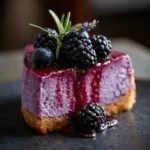
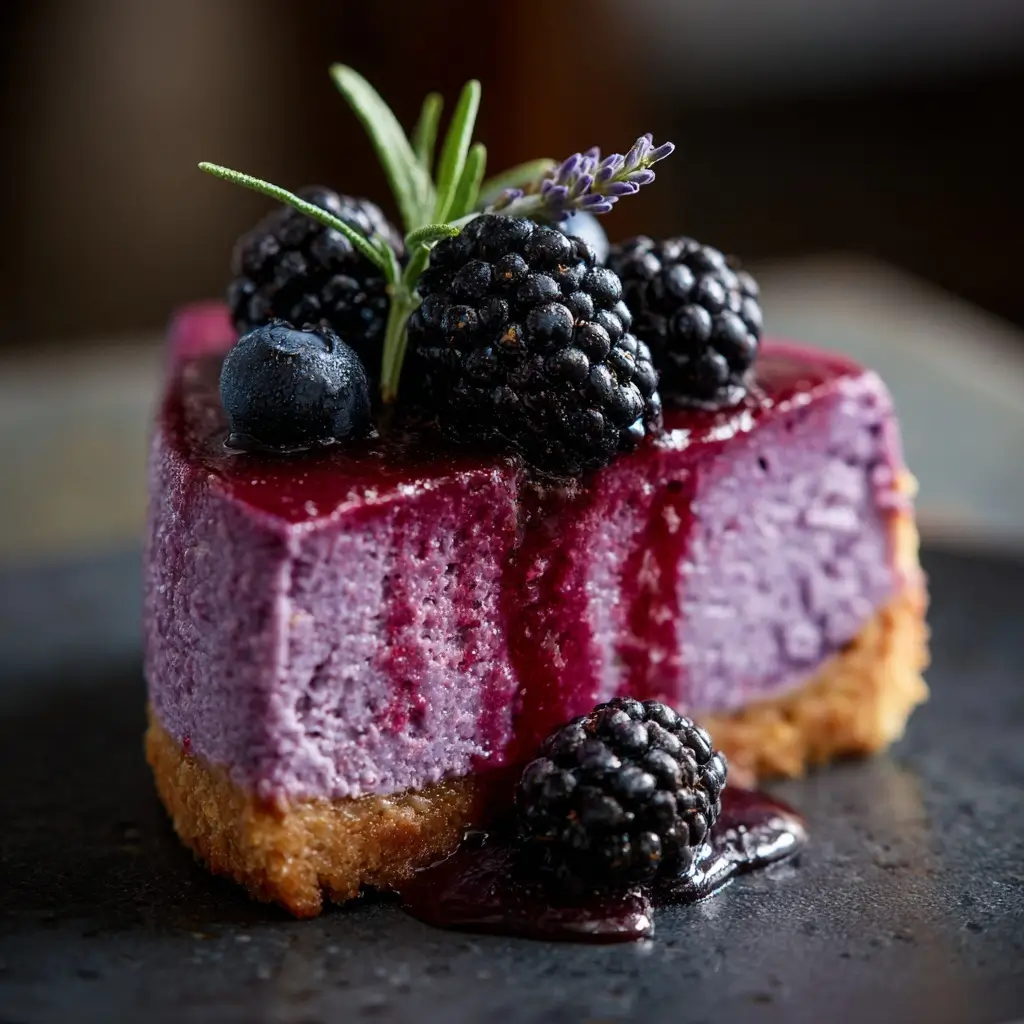
Blackberry Lavender Cheesecake is a sublime fusion of bold, tart-sweet fruit and delicate, floral elegance—a dessert that transcends the ordinary and invites sensory wonder. More than just a confluence of flavors, it’s an intentional harmony: the vibrant acidity and jammy depth of ripe blackberries temper the ethereal, slightly herbal perfume of culinary-grade lavender, while the luxuriously creamy, velvety richness of New York–style cheesecake provides the perfect canvas. This dessert strikes a masterful balance—neither overly sweet nor aggressively floral—making it ideal for sophisticated palates, seasonal celebrations, or simply elevating an everyday moment into something memorable. Whether served at a summer garden party, a bridal shower, or as a quiet indulgence after dinner, Blackberry Lavender Cheesecake embodies grace, complexity, and artisanal charm.
The History
The origins of this exquisite dessert are not rooted in a single historical moment but rather in the gradual, cross-cultural evolution of three iconic elements: cheesecake, blackberries, and lavender. Cheesecake itself traces back over 2,000 years to ancient Greece, where simple versions made with honey, cheese (often ricotta or goat cheese), and flour were served to athletes at the first Olympic Games in 776 BCE. It traveled through Rome, medieval Europe, and eventually found its modern American incarnation in late-19th-century New York—giving rise to the dense, baked, cream-cheese-based style we know today. Blackberries, native to every continent except Antarctica, have long been foraged and preserved across North America and Europe; Native American tribes used them medicinally and culinarily, while colonial settlers incorporated them into pies, cordials, and preserves. Lavender, meanwhile, has been cultivated since antiquity—in ancient Egypt for embalming, in Rome for bathing and cooking, and throughout medieval monastic gardens for both healing and flavoring. Its culinary use in sweets surged in Provence, France, where lavender-infused honey, jams, and custards became regional signatures. The deliberate marriage of blackberry and lavender gained momentum in the early 2000s with the farm-to-table and artisanal food movements, as chefs and home bakers sought nuanced, botanical-driven desserts. Pioneering pastry chefs in Portland, Austin, and Asheville began experimenting with floral infusions in dairy-based desserts, and food publications like Bon Appétit and Food & Wine spotlighted lavender’s potential beyond shortbread—especially when paired with bright, tannic fruits like blackberries. Today, Blackberry Lavender Cheesecake stands as a testament to culinary dialogue across time and tradition—a globally inspired, locally grounded dessert that honors heritage while embracing innovation.
Ingredients Breakdown
Every exceptional Blackberry Lavender Cheesecake begins with intentionality—not just in measurement, but in selection, sourcing, and understanding the role each component plays. Below is a meticulous breakdown of the core ingredients, including why they matter and what to look for:
- Graham Cracker Crust Base: Standard graham crackers provide structure and subtle caramelized sweetness. Opt for *whole-grain, honey-sweetened* varieties for deeper flavor and better binding. Avoid “cinnamon” or “vanilla” flavored crackers unless specified—they can clash with lavender’s floral notes. Melted unsalted butter acts as the binder and adds richness; clarified butter (ghee) may be substituted for enhanced nuttiness and reduced water content, minimizing crust sogginess.
- Cream Cheese: Full-fat, brick-style, Philadelphia-brand (or equivalent) is non-negotiable. Low-fat or spreadable “cream cheese” contains stabilizers, gums, and excess moisture that compromise texture and cause cracking. Let it soften *fully* at room temperature (60–90 minutes)—cold cream cheese creates lumps and uneven emulsification. For ultra-smooth results, some bakers even warm it gently in the microwave (5–8 seconds per 8 oz) before beating.
- Sour Cream & Heavy Cream: Sour cream contributes tang, moisture, and tenderness, while heavy cream (not half-and-half or milk) ensures lush mouthfeel and helps prevent dryness during baking. Both should be at room temperature—and never substituted with yogurt (too acidic and watery) or whipped cream (unstable under heat).
- Granulated Sugar: Provides sweetness, structure, and aids in aeration during mixing. Turbinado or raw sugar is *not recommended*: larger crystals don’t dissolve fully and may grain the filling. For refined control, some recipes use a portion of superfine sugar or even invert sugar syrup (1 tsp) to enhance smoothness and shelf life.
- Eggs: Large, Grade A eggs at room temperature ensure uniform incorporation and thermal stability. Cold eggs can cool the batter too quickly, leading to curdling. Always add eggs one at a time, beating *just until incorporated*—overmixing introduces excess air, causing puffing and subsequent collapse/cracking.
- Fresh Blackberries: Use peak-season, locally grown berries when possible—deep purple-black, plump, and fragrant. Underripe berries lack sweetness and pectin; overripe ones release excessive juice and ferment easily. Wash *gently*, pat *thoroughly dry*, and hull only if stems remain. Frozen berries (unsweetened, no added syrup) are acceptable off-season—but must be fully thawed and *drained well* (press through a fine-mesh sieve; reserve juices for compote).
- Culinary Lavender Buds: This is the most critical—and often misused—ingredient. Only *food-grade, organically grown Lavandula angustifolia (English lavender)* is safe and appropriate. Avoid craft-store or tea-grade lavender—it may contain pesticides, fillers, or hybrid varieties (like Lavandin) with harsh camphor notes. Look for deep violet, tightly closed buds with a sweet, herbaceous, faintly rosy aroma—not medicinal or soapy. Start with *¼ tsp dried buds* (crushed lightly between fingers before steeping) for the filling; more risks bitterness. For garnish, use *1–2 whole buds* per slice—never ground or powdered, which intensifies potency unpredictably.
- Lemon Zest & Juice: Fresh lemon zest (microplaned, avoiding white pith) adds aromatic brightness that lifts both blackberry and lavender. Juice provides essential acidity to balance sweetness and stabilize proteins. Bottled lemon juice lacks volatile oils and introduces preservatives—never substitute.
- Vanilla Extract: Pure, Madagascar Bourbon vanilla (not imitation) enhances depth without competing. A tiny amount (¼ tsp) complements rather than dominates. Some advanced variations include a drop of lavender-infused vanilla extract for layered complexity.
- Salt: Fine sea salt or kosher salt—not iodized table salt—enhances all other flavors and tempers sweetness. It also strengthens protein networks in the cheesecake, improving texture.
Step-by-Step Recipe
This meticulously tested, professional-grade recipe yields a 9-inch, 3-inch-tall, flawlessly textured Blackberry Lavender Cheesecake with a crisp, buttery crust, a cloud-soft lavender-kissed filling, and a glossy, jewel-toned blackberry compote topping. Plan for two days: Day 1 for preparation and chilling; Day 2 for baking, cooling, and final set.
- Prepare the Lavender Infusion (Day 1, Morning): In a small saucepan, combine ½ cup heavy cream, 1 tsp culinary lavender buds, and 1 tbsp granulated sugar. Warm over low heat—do *not boil*—until steaming gently (160°F). Remove from heat, cover, and steep for exactly 30 minutes. Strain through a fine-mesh sieve lined with cheesecloth; press gently to extract all infused cream. Discard buds. Chill infusion completely (at least 4 hours or overnight) before using. Reserve 2 tbsp for the filling; remaining infusion may be used in the compote or discarded.
- Make the Graham Cracker Crust (Day 1, Afternoon): Preheat oven to 350°F (175°C). Pulse 1 ½ cups finely crushed graham crackers (about 12 full sheets), ¼ cup granulated sugar, and ¼ tsp fine sea salt in a food processor until powdery. Add 6 tbsp melted unsalted butter and pulse until mixture resembles wet sand. Press firmly and evenly into the bottom and 1 inch up the sides of a 9-inch springform pan lined with parchment on the bottom and lightly buttered on the sides. Bake for 10 minutes until fragrant and lightly golden. Cool completely on a wire rack (at least 45 minutes). Reduce oven temperature to 325°F (163°C) for cheesecake baking.
- Prepare the Blackberry Compote (Day 1, Late Afternoon): In a medium saucepan, combine 2 cups fresh blackberries (reserving ½ cup for garnish), ⅓ cup granulated sugar, 1 tbsp lemon juice, 1 tsp lemon zest, and 1 tbsp reserved lavender-infused cream. Simmer over medium-low heat, stirring occasionally, until berries burst and thicken (12–15 minutes). Stir in 1 tsp cornstarch slurry (1 tsp cornstarch + 1 tsp cold water) and cook 2 more minutes until glossy and coats the back of a spoon. Strain through a fine-mesh sieve, pressing with a spatula to extract maximum puree; discard seeds. Cool to room temperature, then refrigerate uncovered until fully chilled (minimum 3 hours). This compote doubles as topping and a subtle flavor accent within the filling.
- Prepare the Cheesecake Batter (Day 2, Morning): Ensure all dairy ingredients (cream cheese, sour cream, reserved lavender cream, eggs) are at true room temperature (68–72°F). Using a stand mixer fitted with the paddle attachment (or hand mixer on low speed), beat softened cream cheese on medium-low for 2 minutes until completely smooth and lump-free. Scrape bowl thoroughly. Add ¾ cup granulated sugar and beat 2 more minutes until pale and airy. Add sour cream and beat 1 minute. Add reserved lavender-infused cream and ¼ cup of the chilled blackberry compote; mix 30 seconds until just combined. Add eggs one at a time, beating *only until yolk disappears* (≈15 seconds per egg), scraping bowl after each. Add lemon zest, lemon juice, 1 tsp pure vanilla, and ¼ tsp fine sea salt; mix 20 seconds. Finally, fold in the reserved ½ cup whole blackberries *by hand* with a silicone spatula—just 3–4 gentle strokes—to preserve integrity. Do *not overmix*.
- Pour & Bake (Day 2, Midday): Pour batter into cooled crust. Tap pan sharply 3 times on counter to release air bubbles. Place springform pan inside a larger roasting pan. Carefully pour hot (not boiling) water into the roasting pan until it reaches halfway up the sides of the springform pan—this is the *bain-marie*, essential for gentle, even heat and crack prevention. Carefully transfer to preheated 325°F oven. Bake for 1 hour 15 minutes—center should be *just set* with a 2-inch wobble (like Jell-O); edges will be lightly puffed and golden. Turn off oven, crack door open 1 inch with a wooden spoon, and let cheesecake cool inside for 1 hour. Remove from water bath, run a thin knife around inner edge to loosen, and cool completely on wire rack (another 2 hours).
- Chill & Set (Day 2 Evening – Day 3 Morning): Refrigerate uncovered for *at least 12 hours*, preferably 24, to allow full hydration, flavor melding, and structural setting. Do not rush this step—the texture transforms dramatically during extended chilling. Before serving, remove outer ring of springform pan. Use a hot, dry knife (dipped in hot water and wiped clean between slices) for clean cuts.
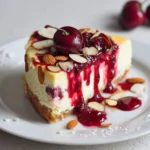
- Finish & Serve (Day 3): Just before serving, spoon ¾ cup chilled blackberry compote over top in an elegant swirl. Garnish each slice with 2–3 fresh blackberries and *one single whole lavender bud* placed delicately atop the compote. Optional: dust lightly with edible lavender sugar (1 tsp culinary lavender + ¼ cup granulated sugar, pulsed 10 seconds, sieved) or serve with a quenelle of lavender-honey crème fraîche.
Tips
- Room Temperature Is Non-Negotiable: Cold ingredients create lumps, curdling, and inconsistent texture. Allow cream cheese, sour cream, eggs, and infused cream to sit at room temperature for 90 minutes minimum—never rush with microwaves or warm water baths, which risk partial cooking or separation.
- Low & Slow Mixing: Overbeating incorporates air, which expands during baking and collapses upon cooling—causing cracks and sunken centers. Beat only until ingredients are *just* incorporated. Use low-medium speed and pause frequently to scrape bowl.
- The Water Bath Is Essential: Skipping the bain-marie increases cracking risk by 80%. Use a roasting pan with high, straight sides. Pour water gently to avoid splashing into the springform pan. Line the *outside* of the springform pan with two layers of heavy-duty foil to prevent leaks.
- Patience in Cooling Prevents Cracks: Rapid temperature shifts cause thermal shock. The 1-hour oven cooldown with door ajar allows gradual contraction. Never refrigerate a warm cheesecake—it will sweat, weep, and crack.
- Lavender Precision: More is *not* better. Exceeding 1 tsp dried buds in the infusion—or adding lavender directly to the batter—introduces bitter, soapy terpenes. Always taste your infusion before adding: it should smell floral and sweet, not medicinal.
- Straining is Strategic: Straining blackberry compote removes gritty seeds without sacrificing body. For a rustic variation, leave ¼ of the compote unstrained for textural contrast.
- Knife Technique Matters: A dull or cold knife drags and smears. Use a long, thin, non-serrated knife. Heat under hot tap water, wipe dry, slice, repeat. Wipe blade clean after *every* cut for pristine presentation.
- Freezing for Longevity: Unfrosted, fully chilled cheesecake (without compote) freezes beautifully for up to 3 months. Wrap tightly in plastic wrap, then aluminum foil. Thaw overnight in refrigerator—never at room temperature—to preserve texture.
Variations and Customizations
This recipe serves as a versatile foundation—elegant enough for formal occasions yet adaptable for dietary needs, seasonal availability, or creative expression. Here are thoughtfully curated variations, each tested for structural integrity and flavor harmony:
- Vegan Blackberry Lavender Cheesecake: Replace cream cheese with 24 oz cultured cashew cream (soaked raw cashews blended with lemon juice, apple cider vinegar, and coconut oil); substitute lavender-infused coconut cream for dairy cream; use maple syrup or coconut sugar instead of granulated; and bind crust with date paste or coconut oil. Add 1 tsp agar-agar to warm compote for vegan “set.” Note: Requires 8-hour soaking and high-speed blending for silkiness.
- Gluten-Free Crust: Substitute gluten-free graham crackers (like Schar or Pamela’s) or use a blend of almond flour (½ cup), oat flour (½ cup), coconut sugar (¼ cup), and 5 tbsp melted butter. Press firmly and pre-bake 12 minutes.
- No-Bake Version: Replace baked filling with a stabilized no-bake base: blend soaked cashews, coconut cream, lavender infusion, blackberry purée, lemon, and maple syrup; set with 1 tsp agar-agar boiled in ¼ cup water. Chill 8 hours. Texture is denser, cooler, and more mousse-like.
- Individual Mini Cheesecakes: Use a 12-cup muffin tin lined with parchment liners. Adjust bake time to 22–26 minutes. Perfect for weddings or tasting menus—top each with a micro-basil leaf and single lavender bud.
- Herbal Twists: Swap ½ tsp lavender for ¼ tsp dried rose petals (food-grade) for a Persian-inspired profile, or add ⅛ tsp crushed fennel seed to the crust for subtle anise warmth that complements blackberry’s earthiness.
- Decadent Swirl Variation: Before baking, dollop 3 tbsp of compote onto batter surface, then drag a toothpick in figure-eights for a marbled effect—creates pockets of intense berry flavor in each bite.
- Smoked Salt Finish: Sprinkle flaky smoked sea salt (like Applewood) over compote just before serving—adds savory contrast that heightens both floral and fruity notes.
- Seasonal Fruit Substitutions: In late summer, try blueberry-lavender (reduce lemon juice by half); in spring, swap blackberries for ripe strawberries and add 1 tsp balsamic vinegar to compote; in fall, use roasted blackberry-apple compote with a pinch of cardamom.
Health Considerations and Nutritional Value
While Blackberry Lavender Cheesecake is undeniably indulgent, its components offer meaningful nutritional attributes—especially when prepared with mindful ingredient choices. A standard slice (1/12 of the 9-inch cake, approx. 220g) contains approximately:
- Calories: 420–460 kcal (moderate for a dessert; lower than many chocolate layer cakes)
- Total Fat: 28–32g (primarily unsaturated from blackberries and nuts in graham crackers; saturated fat from dairy is balanced by beneficial fatty acids in full-fat dairy)
- Carbohydrates: 40–44g (including 3–4g dietary fiber from blackberries and whole-grain graham crackers)
- Sugars: 28–31g (naturally occurring fructose from blackberries accounts for ~10g; remainder is added sucrose)
- Protein: 7–9g (from cream cheese, eggs, and sour cream—supporting satiety and muscle maintenance)
- Vitamins & Minerals: Excellent source of Vitamin C (35% DV), Vitamin K (25% DV), manganese (40% DV), and anthocyanins (potent antioxidants linked to reduced inflammation and improved cognitive function). Lavender contains rosmarinic acid and linalool—compounds studied for mild anxiolytic and anti-inflammatory effects.
Dietary Notes: Naturally low in sodium (<220mg/slice); contains no artificial preservatives, colors, or hydrogenated oils when made from scratch. For those managing blood sugar, pairing a modest slice (⅛ instead of ⅙) with a handful of walnuts or Greek yogurt increases protein/fiber and slows glucose absorption. While not “low-calorie,” its richness encourages mindful, slower consumption—aligning with intuitive eating principles. Always consult a registered dietitian for personalized guidance, especially for lactose sensitivity (lactase enzyme supplements may help) or lavender allergies (rare, but possible—discontinue use if itching, rash, or GI upset occurs).
Ingredients
Makes one 9-inch cheesecake (12 servings)
For the Crust:
- 1 ½ cups (150g) finely crushed graham crackers (about 12 full sheets)
- ¼ cup (50g) granulated sugar
- ¼ tsp fine sea salt
- 6 tbsp (85g) unsalted butter, melted
For the Lavender Infusion:
- ½ cup (120ml) heavy cream
- 1 tsp culinary-grade dried lavender buds (Lavandula angustifolia)
- 1 tbsp (12g) granulated sugar
For the Blackberry Compote:
- 2 ½ cups (350g) fresh blackberries, divided
- ⅓ cup (67g) granulated sugar
- 1 tbsp (15ml) fresh lemon juice
- 1 tsp (3g) finely grated lemon zest
- 1 tbsp (15ml) reserved lavender-infused cream
- 1 tsp cornstarch mixed with 1 tsp cold water (slurry)
For the Cheesecake Filling:
- 24 oz (680g) full-fat brick-style cream cheese, at room temperature
- ¾ cup (150g) granulated sugar
- 1 cup (240g) full-fat sour cream, at room temperature
- ¼ cup (60ml) reserved lavender-infused cream (chilled)
- ¼ cup (60g) chilled blackberry compote (from above)
- 3 large eggs, at room temperature
- 1 tsp (5ml) fresh lemon juice
- 1 tsp (3g) finely grated lemon zest
- 1 tsp (5ml) pure vanilla extract
- ¼ tsp fine sea salt
- ½ cup (75g) fresh blackberries, gently rinsed and patted dry
Directions
- Infuse the Cream: In a small saucepan, combine heavy cream, lavender buds, and 1 tbsp sugar. Warm over low heat until steaming (do not boil), about 3–4 minutes. Remove from heat, cover, and steep for 30 minutes. Strain through a fine-mesh sieve lined with cheesecloth; gently press solids. Discard buds. Chill infusion completely (4+ hours or overnight).
- Make the Crust: Preheat oven to 350°F (175°C). Pulse graham crackers, ¼ cup sugar, and salt in food processor until fine crumbs form. Add melted butter; pulse until mixture resembles wet sand. Press firmly into bottom and 1 inch up sides of 9-inch springform pan (lined with parchment on bottom, buttered on sides). Bake 10 minutes. Cool completely on wire rack. Reduce oven to 325°F (163°C).
- Prepare Compote: In saucepan, combine 2 cups blackberries, ⅓ cup sugar, lemon juice, lemon zest, and 1 tbsp lavender cream. Simmer 12–15 minutes, stirring, until thickened. Stir in cornstarch slurry; cook 2 more minutes. Strain through fine-mesh sieve, pressing pulp. Cool to room temp, then refrigerate until chilled (3+ hours).
- Make Filling: Using stand mixer with paddle attachment, beat cream cheese on medium-low 2 minutes until smooth. Add ¾ cup sugar; beat 2 minutes until light. Add sour cream; beat 1 minute. Add chilled lavender cream and ¼ cup compote; mix 30 seconds. Add eggs one at a time, beating 15 seconds each, scraping bowl. Add lemon juice, zest, vanilla, and salt; mix 20 seconds. Fold in ½ cup whole blackberries by hand—3–4 strokes only.
- Bake: Pour batter into cooled crust. Tap pan to release air. Place in roasting pan; pour hot water to halfway up springform sides. Bake at 325°F for 1 hour 15 minutes, until center jiggles slightly. Turn off oven; crack door open 1 inch with spoon. Cool inside oven 1 hour. Remove from water bath. Run knife around edge. Cool on rack 2 hours.
- Chill & Serve: Refrigerate uncovered ≥12 hours (ideally 24). Before serving, remove springform ring. Top with ¾ cup chilled compote. Garnish with reserved blackberries and 1 lavender bud per slice.
FAQ
- Can I use dried blackberries?
- No—dried blackberries are too concentrated in sugar and tannins, and lack the moisture needed for proper compote consistency and filling integration. They will rehydrate unevenly and impart a leathery texture. Stick with fresh or unsweetened frozen.
- Why did my cheesecake crack?
- Cracking is almost always due to one (or more) of these: 1) Overmixing the batter, 2) Skipping the water bath, 3) Cooling too quickly (not using oven cooldown), 4) Overbaking (center should still wobble), or 5) Adding cold ingredients. Review the Tips section for prevention strategies.
- Can I make this ahead?
- Absolutely—and it’s highly recommended. The cheesecake tastes best after 48 hours of refrigeration, as the lavender and blackberry flavors fully harmonize. Compote can be made up to 1 week ahead; crust can be baked and stored airtight for 3 days.
- Is lavender safe to eat?
- Yes—when using certified food-grade Lavand