Introduction
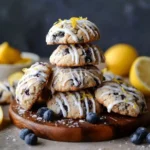
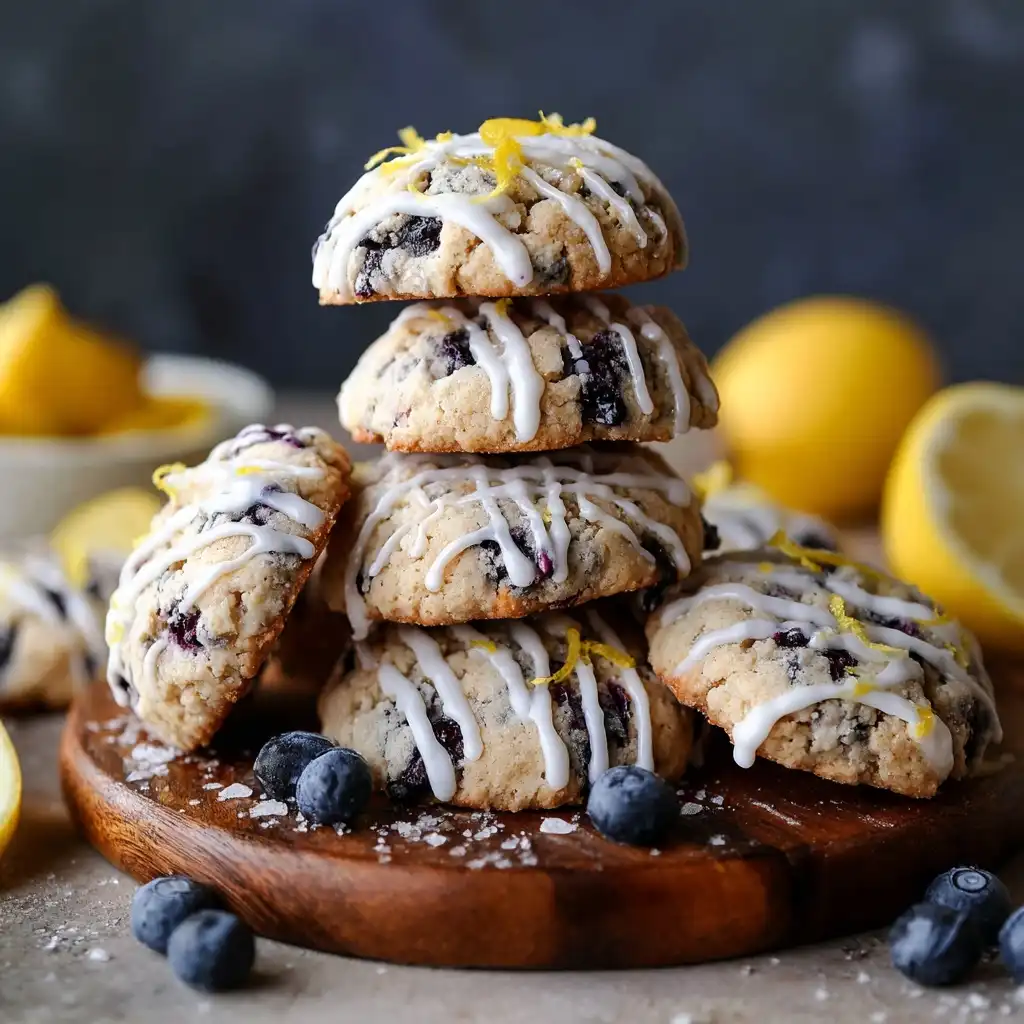
Blueberry Lemon Cookies are a vibrant, sun-kissed fusion of tart and sweet—a celebration of summer berries and zesty citrus in buttery, tender cookie form. These cookies strike the perfect balance: the bright, effervescent tang of fresh lemon zest and juice cuts through the deep, jammy sweetness of plump blueberries, while a delicate crumb—crisp at the edges, soft and chewy at the center—holds it all together with elegance and ease. Whether served as an afternoon treat with herbal tea, a festive addition to holiday cookie tins, or a thoughtful homemade gift wrapped in parchment and twine, Blueberry Lemon Cookies evoke nostalgia, freshness, and culinary joy—all in one bite.
The History
While no single documented origin story anchors Blueberry Lemon Cookies to a specific time or place, their lineage is deeply rooted in two beloved American baking traditions: the rise of citrus-forward desserts in the early-to-mid 20th century and the enduring popularity of blueberry-based baked goods in New England and the Pacific Northwest. Blueberries—native to North America and long cherished by Indigenous peoples for both sustenance and medicine—entered mainstream baking after commercial cultivation began in the 1910s, pioneered by Elizabeth White and Dr. Frederick Coville. Lemon, meanwhile, surged in dessert prominence post-WWII as refrigeration improved and imported citrus became more accessible; lemon bars, cakes, and shortbreads flourished in mid-century cookbooks like those from the Los Angeles Times Test Kitchen and Betty Crocker. The marriage of the two flavors gained momentum in the 1990s and 2000s with the farm-to-table movement, artisanal baking blogs, and the growing demand for bright, less-sweet alternatives to chocolate-heavy cookies. Today, Blueberry Lemon Cookies appear in modern baking publications—from Bon Appétit’s “Bright & Bold” series to King Arthur Baking’s seasonal recipe collections—and have become a signature offering at farmers’ markets, boutique bakeries, and wellness-focused cafés across the U.S. and Canada.
Ingredients Breakdown
Every ingredient in this Blueberry Lemon Cookie recipe serves a precise functional and flavor-driven purpose—no filler, no afterthought. Below is a detailed breakdown of why each component matters:
- All-Purpose Flour (2 ¼ cups, spooned & leveled): Provides essential gluten structure for tenderness without toughness. Spooning and leveling prevents overpacking—critical for avoiding dense, dry cookies.
- Cornstarch (2 tablespoons): A secret weapon for ultra-soft texture. It reduces gluten formation, yielding a melt-in-your-mouth crumb and subtle sheen—commonly used in professional shortbread and Chinese pastry techniques.
- Baking Soda (½ teaspoon) + Baking Powder (½ teaspoon): A dual-leavening system ensures gentle lift and spread control. Baking soda neutralizes acidity from lemon juice (enhancing browning and flavor), while baking powder provides consistent, reliable rise—especially important when using frozen or macerated berries that add moisture variability.
- Fine Sea Salt (¾ teaspoon): Enhances sweetness, balances acidity, and deepens overall flavor complexity. Coarse salt would dissolve unevenly and risk salty pockets.
- Unsalted Butter (1 cup / 2 sticks, cold but pliable, ~65°F): Cold butter creates steam pockets during baking, contributing to flakiness and lift. Using unsalted butter gives full control over sodium levels and ensures freshness (salted butter can vary widely in salt content and may contain preservatives that affect shelf life).
- Granulated Sugar (¾ cup): Adds sweetness, aids in caramelization, and contributes to crisp edges. Its fine crystals dissolve easily into the butter for smooth creaming.
- Packed Light Brown Sugar (½ cup): Introduces molasses notes, moisture retention, and subtle caramel depth—key for chewiness and rich undertones that complement both lemon and blueberries.
- Lemon Zest (from 2 large lemons, finely grated): Contains aromatic citrus oils concentrated in the yellow peel—not the bitter white pith. Zesting before juicing maximizes yield and potency. This is where 80% of the lemon’s fragrance resides.
- Fresh Lemon Juice (3 tablespoons, strained): Adds bright acidity and helps activate leaveners. Bottled juice lacks volatile top notes and often contains preservatives that mute flavor and interfere with texture.
- Pure Vanilla Extract (1 ½ teaspoons): A warm, floral counterpoint to citrus and berries. Mexican or Madagascar bourbon vanilla offers optimal depth; imitation vanilla results in flat, artificial aftertaste.
- Large Egg + 1 Large Egg Yolk (room temperature): The extra yolk adds fat, richness, and emulsification power—improving dough cohesion and yielding a velvety crumb. Room temperature ensures even incorporation and prevents butter from seizing.
- Fresh Blueberries (1 ¼ cups, chilled and lightly tossed in 1 tbsp flour): Fresh berries hold shape better than thawed frozen ones and deliver superior burst-of-juice texture. Tossing in flour coats them lightly, minimizing sinking and bleeding during baking. Wild blueberries (smaller, more intensely flavored) are exceptional here—but cultivated highbush berries work beautifully too.
- Optional Garnish – Lemon Sugar Sparkle: Made by combining ¼ cup granulated sugar + zest of 1 lemon, pulsed briefly in a spice grinder or mortar. Adds aromatic crunch and visual appeal.
Step-by-Step Recipe
- Prep & Chill (30 minutes): Line two large baking sheets with parchment paper or silicone baking mats. Place 1 ¼ cups fresh blueberries in a single layer on a small plate or shallow bowl and refrigerate uncovered—chilled berries stay firm longer in the oven and reduce juice leakage. In a small bowl, combine lemon zest and granulated sugar (for the sparkle garnish, if using); set aside.
- Whisk Dry Ingredients (2 minutes): In a medium bowl, whisk together flour, cornstarch, baking soda, baking powder, and salt until fully homogenous and aerated—about 30 seconds. Sift once for guaranteed lump-free blending. Set aside.
- Cream Butter & Sugars (4–5 minutes): Using a stand mixer fitted with the paddle attachment (or hand mixer on medium-high), beat cold-but-pliable butter, granulated sugar, and brown sugar together for 4–5 minutes—until light, fluffy, and pale in color. Scrape down the bowl halfway. Proper creaming incorporates air, which translates directly to height and tenderness. Do not rush—under-creamed butter yields dense, greasy cookies.
- Incorporate Wet Flavorings (2 minutes): Add lemon zest, lemon juice, vanilla extract, and egg + yolk. Beat on medium speed for 1 minute 30 seconds—just until combined and glossy. Overmixing at this stage develops gluten prematurely and may cause spreading.
- Gradually Add Dry Ingredients (1 minute): Reduce mixer speed to low. Add dry ingredients in three equal portions, mixing only until each is *just* incorporated—about 15 seconds per addition. Pause and scrape bowl thoroughly between additions. The dough will be thick, slightly shaggy, and tacky—but not wet or sticky.
- Fold in Blueberries (1 minute): Using a flexible silicone spatula, gently fold in the chilled, flour-dusted blueberries—just until evenly distributed. Avoid overfolding; a few streaks of flour are okay. Overmixing bruises berries and releases juice prematurely.
- Chill Dough (Minimum 2 hours, ideally overnight): Divide dough into two equal portions. Shape each into a 9-inch log (like a French bread loaf), wrap tightly in parchment paper, then in plastic wrap. Refrigerate for at least 2 hours—or up to 72 hours. Chilling solidifies butter, prevents overspreading, allows flour to fully hydrate (improving flavor and texture), and concentrates lemon and blueberry essences. Overnight chilling yields superior browning and nuanced flavor development.
- Preheat & Slice (10 minutes before baking): Position racks in upper and lower thirds of oven. Preheat to 350°F (177°C). Let dough logs sit at room temperature for 8–10 minutes—just enough to soften slightly for clean slicing (not so soft that they squish). Using a sharp, thin-bladed knife wiped clean between cuts, slice into ¼-inch thick rounds. Place 2 inches apart on prepared sheets.
- Bake (11–13 minutes): Bake sheets one at a time (or rotate halfway if baking two at once) for 11–13 minutes—until edges are delicately golden and centers look *just set* (they’ll still appear soft and slightly underdone—that’s ideal). Rotate sheet front-to-back at 7 minutes for even browning. Do not overbake—cookies continue to set on the hot sheet.
- Cool & Finish (15 minutes): Let cookies cool on baking sheets for 5 minutes—this sets their structure. Then transfer carefully to wire racks to cool completely (10+ minutes). While still warm (but no longer hot), gently press a pinch of lemon sugar sparkle onto the top of each cookie for shimmer and aroma. Store in an airtight container at room temperature.
Tips
- Flour Measurement Matters: Always use the “spoon-and-level” method—fluff flour in bag, spoon into measuring cup, level with straight edge. Scooping compacts flour and adds up to 25% more—guaranteeing dry, crumbly cookies.
- Butter Temperature Is Non-Negotiable: Too cold = poor creaming; too warm = greasy spread. Ideal temp: leaves a slight indentation when pressed with fingertip, but doesn’t smear. If butter softens too much while mixing, chill bowl for 10 minutes before continuing.
- Blueberry Prep Prevents Disaster: Never use room-temp or washed berries—they weep profusely. Always chill and flour-toss. For extra insurance against bleeding, toss berries in ½ tsp of ground chia seeds or instant tapioca—it absorbs excess juice without altering flavor.
- Don’t Skip the Chill: Skipping dough chilling leads to flat, greasy, indistinct cookies. Even a 90-minute freeze works in a pinch—but refrigeration yields superior flavor melding.
- Oven Thermometer Required: Most home ovens run hot or cold. An inexpensive oven thermometer ensures accuracy—especially critical for delicate citrus-based cookies prone to drying out.
- Rotate & Swap Sheets: Home ovens have hot spots. Rotating sheets halfway and swapping top/bottom rack positions every 3–4 minutes ensures uniform browning and doneness.
- Underbake Intentionally: Remove cookies when centers look soft and barely matte—not shiny, not puffed. They firm up significantly during cooling. Pulling them out “too soon” is the hallmark of bakery-quality texture.
- Rest Before Serving: Let cookies cool fully before stacking or storing. Trapped steam makes them soggy. For best flavor, wait at least 2 hours after cooling—citrus notes bloom as volatile compounds settle.
Variations and Customizations
These cookies are remarkably adaptable—elegant enough for special occasions, resilient enough for pantry improvisation. Explore these thoughtfully tested variations:
- Gluten-Free Version: Substitute 1:1 gluten-free all-purpose flour blend (with xanthan gum included) + add 1 tsp psyllium husk powder to replace cornstarch’s binding function. Increase chill time to 3 hours—GF dough benefits from extra hydration development.
- Vegan Adaptation: Replace butter with cultured vegan butter (Miyoko’s or Forager), egg + yolk with flax “egg” (1 tbsp ground flax + 2.5 tbsp water, rested 10 min), and brown sugar with coconut sugar. Add 1 tsp apple cider vinegar to mimic buttermilk tang. Texture will be slightly denser but deeply flavorful.
- Whole Grain Twist: Replace ½ cup all-purpose flour with white whole wheat flour. Adds nutty depth and fiber without heaviness. Increase lemon zest to 3 tsp to balance earthiness.
- Herbal Infusion: Steep 1 tsp fresh thyme or lavender buds in warm lemon juice for 10 minutes, strain, and use infused juice. Pairs exquisitely with wild blueberries.
- Maple-Lemon Swirl: After slicing logs, press ¼ tsp pure maple syrup into each round’s center before baking—creates a subtle amber core and caramelized rim.
- White Chocolate–Blueberry Lemon: Fold in ¾ cup finely chopped high-cocoa white chocolate (33%+ cocoa butter) with berries. Adds creamy sweetness and luxurious mouthfeel.
- Savory-Sweet Herb Variation: Add 1 tsp finely minced fresh rosemary (not dried) with lemon zest. Rosemary’s piney notes elevate the citrus and ground the blueberry’s sweetness—ideal for cheese pairings.
- Mini Cookie Version: Use a 1-inch cookie scoop, chill scoops on tray for 15 minutes, then bake 8–9 minutes. Perfect for parties, lunchboxes, or portion control.
- Streusel-Topped: Mix ¼ cup flour, 2 tbsp brown sugar, 2 tbsp cold butter, and ½ tsp cinnamon; crumble over unbaked cookies before baking for textural contrast.
- Freezer-Friendly Dough Logs: Wrap logs in double layers of plastic + foil, label, and freeze up to 3 months. Slice frozen—bake 1–2 minutes longer. No thawing required.
Health Considerations and Nutritional Value
Mindful indulgence is possible—even joyful—with Blueberry Lemon Cookies. While inherently a treat food, this recipe prioritizes real ingredients, balanced macros, and functional nutrition:
- Nutrient Density Boost: Fresh blueberries are among the highest antioxidant foods per calorie—rich in anthocyanins (linked to cognitive support and anti-inflammatory effects), vitamin C, manganese, and fiber. Lemon zest delivers limonene (a bioactive compound studied for digestive and metabolic benefits) and additional vitamin C—up to 5x more than juice alone.
- Reduced Refined Sugar: At just 1 ¼ cups total sugar for 36 cookies (~12g per cookie), this recipe uses 30% less sugar than traditional sugar-cookie-based versions—without sacrificing flavor, thanks to natural berry sweetness and brown sugar’s molasses depth.
- No Artificial Additives: Zero preservatives, hydrogenated oils, artificial colors, or synthetic flavors. Every ingredient is kitchen-pantry recognizable.
- Healthy Fat Profile: Unsalted butter provides butyric acid (supports gut lining integrity) and fat-soluble vitamins (A, D, E, K2). For heart-health focus, substitute up to half the butter with cold-pressed avocado oil (add 1 extra tbsp flour to compensate).
- Fiber & Satiety Support: The cornstarch + flour combo and blueberry skin contribute modest soluble and insoluble fiber—slowing glucose absorption and promoting satiety. Pairing with Greek yogurt or almond butter further enhances protein/fiber synergy.
- Allergen Notes: Naturally nut-free and soy-free (if using soy-free vanilla). Easily adapted for dairy-free/vegan as noted above. Always verify labels on extracts and sugars for hidden allergens.
- Mindful Portion Guidance: Nutrition facts per cookie (based on 36 cookies): ~145 kcal, 6g fat (3.5g saturated), 21g carbs (14g sugars, 0.8g fiber), 2g protein. Ideal as a conscious dessert—not daily snack—but perfectly aligned with Mediterranean or intuitive eating frameworks when enjoyed intentionally.
Ingredients
- 2 ¼ cups (280g) all-purpose flour, spooned & leveled
- 2 tablespoons (16g) cornstarch
- ½ teaspoon baking soda
- ½ teaspoon baking powder
- ¾ teaspoon fine sea salt
- 1 cup (227g / 2 sticks) unsalted butter, cold but pliable (~65°F)
- ¾ cup (150g) granulated sugar
- ½ cup (100g) packed light brown sugar
- Zest of 2 large lemons (about 2 tbsp finely grated)
- 3 tablespoons (45ml) fresh lemon juice, strained
- 1 ½ teaspoons pure vanilla extract
- 1 large egg + 1 large egg yolk, room temperature
- 1 ¼ cups (180g) fresh blueberries, chilled and tossed with 1 tablespoon flour
- Optional Garnish: Lemon sugar sparkle (¼ cup granulated sugar + zest of 1 lemon, pulsed until fragrant)
Directions
- Line two large baking sheets with parchment paper or silicone baking mats. Place blueberries on a small plate; refrigerate uncovered.
- In a medium bowl, whisk together flour, cornstarch, baking soda, baking powder, and salt until fully blended. Sift once; set aside.
- In the bowl of a stand mixer fitted with paddle attachment, beat butter, granulated sugar, and brown sugar on medium-high for 4–5 minutes until light, fluffy, and pale. Scrape bowl halfway.
- Add lemon zest, lemon juice, vanilla, egg, and yolk. Beat on medium for 1 minute 30 seconds until glossy and combined.
- Reduce speed to low. Add dry ingredients in three portions, mixing just until incorporated—about 15 seconds per addition. Scrape bowl thoroughly between each.
- Using a silicone spatula, gently fold in chilled, flour-dusted blueberries until evenly distributed.
- Divide dough in half. Shape each into a 9-inch log. Wrap tightly in parchment, then plastic wrap. Refrigerate at least 2 hours—or up to 72 hours.
- Preheat oven to 350°F (177°C) with racks in upper and lower thirds.
- Let dough logs sit at room temperature 8–10 minutes. Slice into ¼-inch rounds. Place 2 inches apart on prepared sheets.
- Bake one sheet at a time for 11–13 minutes—until edges are golden and centers look just set. Rotate sheet at 7 minutes.
- Cool on sheets for 5 minutes, then transfer to wire racks. While still warm, gently press lemon sugar sparkle onto tops.
- Cool completely before storing in an airtight container at room temperature for up to 5 days—or freeze baked cookies for up to 3 months.
FAQ
- Can I use frozen blueberries?
- Yes—but with crucial adjustments: do not thaw. Toss frozen berries in 1 tbsp flour + ½ tsp cornstarch, then fold in *last*, just before chilling. Add 1–2 minutes to bake time. Expect slightly more spread and muted color—but still delicious.
- Why did my cookies spread too much?
- Most common causes: butter too warm, insufficient chilling, under-measured flour, or expired leaveners. Always use an oven thermometer and weigh flour when possible. If spreading persists, add 1 extra tbsp flour to dry mix next time.
- Can I make the dough ahead?
- Absolutely. Refrigerated dough lasts 3 days; frozen logs last 3 months. Thaw frozen logs in fridge overnight before slicing—or slice frozen and bake with +2 minutes.
- My cookies turned greenish-gray! What happened?
- This harmless discoloration occurs when anthocyanins in blueberries react with alkaline baking soda—especially with prolonged chilling or high-zest ratios. It’s safe, flavorful, and fades upon cooling. To minimize: ensure lemon juice is well-incorporated (acid neutralizes soda), or reduce baking soda to ¼ tsp and increase baking powder to ¾ tsp.
- Can I omit the cornstarch?
- You can—but texture changes significantly. Without cornstarch, cookies will be firmer, less tender, and slightly drier. For gluten-free or corn-allergic bakers, substitute 1 tbsp arrowroot starch or 1 ½ tsp potato starch.
- How do I prevent blueberries from sinking?
- Chilling + flour-tossing is key. Also, avoid overmixing after adding berries, and ensure dough is properly chilled before slicing—cold, dense dough suspends berries more effectively.
- Are these cookies suitable for gifting?
- Exceptionally so. Layer cooled cookies between parchment in a decorative tin or apothecary jar. Include a sprig of dried lemon verbena or a handwritten note about the fresh, seasonal inspiration. They retain flavor and texture beautifully for 4–5 days.
- Can I double the recipe?
- Yes—but cream butter/sugars in two batches to ensure proper aeration. Mix dry ingredients in full, then divide dough. Doubling leaveners or liquids risks imbalance—stick to exact scaling.
- What’s the best way to store leftovers?
- In an airtight container at room temperature with a slice of bread (replaced daily) to maintain softness—or freeze for longer shelf life. Avoid refrigeration: it accelerates staling.
- Can I add white chocolate chips?
- Yes! Fold in ¾ cup high-quality white chocolate chips (chopped bars preferred) along with blueberries. Ensure chips are chilled first to prevent melting into dough.
Summary
Blueberry Lemon Cookies are a masterclass in balance—zesty lemon and sweet-tart blueberries harmonize within a tender, buttery crumb enriched by cornstarch and crowned with aromatic sparkle.
Thoughtfully crafted for flavor, texture, and mindful enjoyment, they’re equally at home on a rustic farmhouse table or a curated holiday dessert board—bright, memorable, and unmistakably fresh.