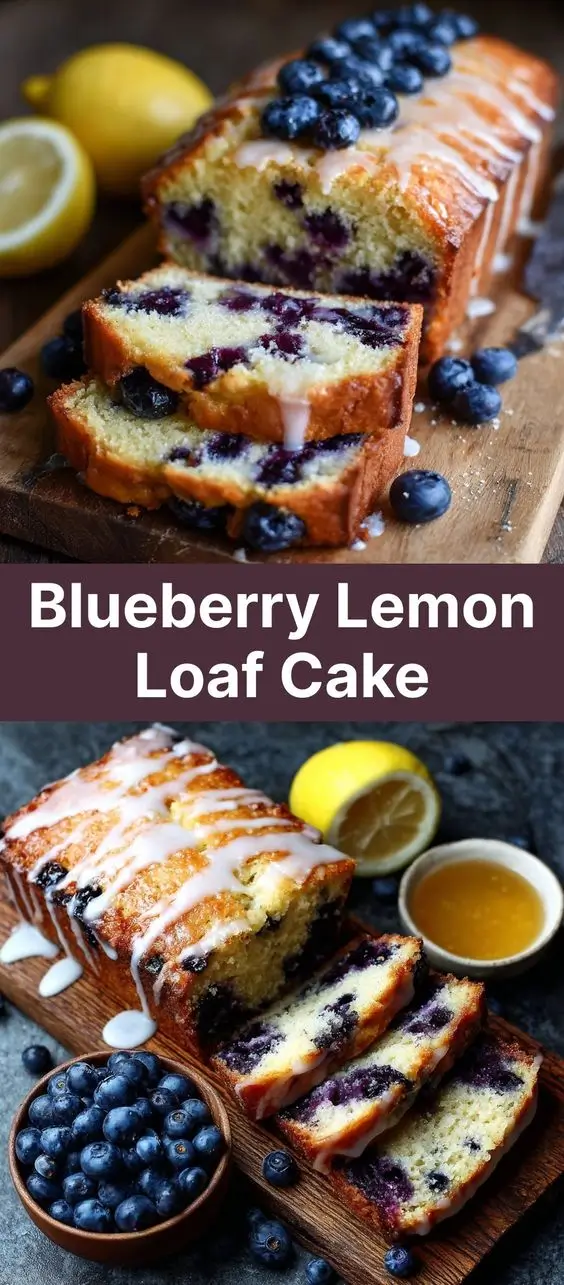
Blueberry Lemon Loaf Cake: A Zesty, Bursting Delight for Any Occasion
The History of the Blueberry Lemon Loaf Cake
The story of the blueberry lemon loaf cake is a delicious blend of culinary evolution and regional pride. While the concept of fruit-infused breads dates back centuries—think of ancient Roman honeyed loaves or medieval European spiced cakes—the modern incarnation of the blueberry lemon loaf cake emerged primarily in North America during the 20th century. Blueberries, native to North America and especially abundant in regions like Maine and British Columbia, became increasingly popular in American baking after commercial cultivation began in the early 1900s.
Lemon, with its bright acidity and floral aroma, has long been used across Mediterranean, Middle Eastern, and Southern European cuisines to enhance desserts and baked goods. It wasn’t until home bakers in the United States began experimenting with combining local fruits and citrus zest that the marriage of blueberries and lemon came into the spotlight. The post-World War II era saw a surge in home baking, aided by the availability of refined flour, sugar, and reliable ovens. Recipes circulated in community cookbooks, women’s magazines, and church gatherings, slowly refining the balance between tangy lemon and sweet-tart blueberries.
The loaf cake format itself is practical—a dense, moist cake baked in a rectangular pan, ideal for slicing and sharing. Unlike layer cakes, loaf cakes require no frosting (though glazes are common), making them perfect for breakfast, brunch, or afternoon tea. The blueberry lemon loaf gained further popularity through food blogs and social media in the 2000s, where vibrant photos showcased the jewel-like burst of blueberries against a golden crumb flecked with lemon zest. Today, it’s a staple in bakeries, farmer’s markets, and family kitchens across the globe, celebrated for its simplicity, elegance, and bold flavor profile.
Ingredients Breakdown: What Makes This Loaf Shine?
The magic of a great blueberry lemon loaf cake lies not just in its taste but in the thoughtful selection and function of each ingredient. Every component plays a role in achieving the perfect texture, moisture, rise, and flavor harmony. Let’s take a closer look:
- All-Purpose Flour: The foundation of the loaf, providing structure. It contains just the right amount of gluten to give the cake body without making it tough. For a lighter texture, some bakers opt to substitute up to 25% with cake flour.
- Granulated Sugar: Adds sweetness and aids in moisture retention. It also helps with browning and tenderizing the crumb. Some recipes use part brown sugar for a subtle caramel note, though this can mute the lemon’s brightness.
- Baking Powder & Baking Soda: Leavening agents that help the cake rise. Baking powder works in two stages—when mixed with liquid and when exposed to heat—while baking soda requires an acid (like buttermilk or lemon juice) to activate. Using both ensures a good lift and even crumb.
- Salt: A small but essential ingredient that enhances all other flavors and balances sweetness.
- Unsalted Butter: Provides richness, tenderness, and flavor. Room-temperature butter creams well with sugar, trapping air for a light texture. Using unsalted butter allows better control over salt levels.
- Eggs: Bind the ingredients together, add structure, and contribute to leavening. They also emulsify the batter, ensuring a smooth, uniform consistency.
- Buttermilk (or Sour Cream/Yogurt): Adds moisture and slight tang, which complements the lemon. The acidity activates the baking soda and tenderizes the gluten in the flour for a softer crumb. If buttermilk isn’t available, you can make a substitute by adding 1 tablespoon of vinegar or lemon juice to 1 cup of milk and letting it sit for 5–10 minutes.
- Fresh Lemon Juice and Zest: The stars of the show. Juice adds tartness and moisture, while zest delivers concentrated citrus oil and intense flavor. Always use organic lemons if possible, since you’re using the peel. Avoid bottled lemon juice—freshly squeezed is far superior in aroma and taste.
- Fresh Blueberries: Plump, juicy, and bursting with flavor. Fresh berries are preferred for their firm texture and bright taste, though frozen can be used with caution (more on that later). Tossing them in flour prevents them from sinking to the bottom of the loaf.
- Vanilla Extract: A supporting player that rounds out the flavor profile, adding warmth and depth without overpowering the citrus notes.
Step-by-Step Recipe: How to Bake the Perfect Blueberry Lemon Loaf Cake
Follow these detailed steps to create a moist, flavorful blueberry lemon loaf cake that’s golden on the outside, tender within, and bursting with every bite.
Ingredients
- 2 cups (250g) all-purpose flour
- 1 ½ teaspoons baking powder
- ½ teaspoon baking soda
- ¼ teaspoon salt
- ½ cup (113g) unsalted butter, softened to room temperature
- ¾ cup (150g) granulated sugar
- 2 large eggs, room temperature
- ⅔ cup (160ml) buttermilk, room temperature
- 2 tablespoons fresh lemon juice (about 1 medium lemon)
- 1 tablespoon lemon zest (from 1–2 lemons)
- 1 teaspoon pure vanilla extract
- 1 ½ cups (225g) fresh blueberries, rinsed, dried, and tossed in 1 tablespoon flour
- Optional: 1 tablespoon turbinado sugar for topping
Directions
- Preheat and Prepare: Preheat your oven to 350°F (175°C). Grease a 9×5-inch loaf pan thoroughly with butter or non-stick spray, then line it with parchment paper, leaving overhang on the long sides for easy removal.
- Mix Dry Ingredients: In a medium bowl, whisk together the flour, baking powder, baking soda, and salt. Set aside.
- Cream Butter and Sugar: In a large mixing bowl, beat the softened butter and granulated sugar together with a hand mixer or stand mixer on medium speed for 3–4 minutes, until light and fluffy. Scrape down the sides as needed.
- Add Eggs: Beat in the eggs one at a time, allowing each to fully incorporate before adding the next. Mix in the vanilla extract.
- Combine Wet Ingredients: In a small bowl or measuring cup, stir together the buttermilk, lemon juice, and lemon zest.
- Alternate Adding Dry and Wet Ingredients: With the mixer on low speed, add one-third of the dry ingredients to the butter mixture, mixing just until combined. Pour in half of the buttermilk mixture and mix gently. Repeat, ending with the final third of dry ingredients. Do not overmix—stop as soon as no streaks of flour remain.
- Fold in Blueberries: Using a rubber spatula, gently fold in the floured blueberries. Be careful not to crush them. Fold just until evenly distributed.
- Pour into Pan: Transfer the batter into the prepared loaf pan, smoothing the top with the spatula. Sprinkle the top with turbinado sugar (optional, for a crunchy, sparkling crust).
- Bake: Place the pan in the center of the preheated oven. Bake for 55–65 minutes, or until a wooden skewer inserted into the center comes out clean or with a few moist crumbs (no wet batter). The top should be golden brown and spring back lightly when touched.
- Cool: Let the loaf cool in the pan for 15 minutes. Then, use the parchment overhang to lift it out and transfer to a wire rack to cool completely before slicing. This prevents crumbling and allows the crumb to set.
- Optional Glaze: For extra zing and shine, prepare a simple lemon glaze: whisk 1 cup (120g) powdered sugar with 2–3 tablespoons fresh lemon juice until smooth. Drizzle over the cooled loaf.
Tips for Success: Expert Advice for the Best Loaf Ever
Baking a flawless blueberry lemon loaf cake is within reach—with a few insider tricks. Here’s how to avoid common pitfalls and elevate your bake:
- Room Temperature Ingredients: Cold eggs or butter can cause the batter to curdle or result in uneven mixing. Allow all refrigerated ingredients to sit out for at least 30–60 minutes before beginning.
- Don’t Overmix: Once you start adding flour, mix only until incorporated. Overmixing develops gluten, leading to a tough, dense loaf instead of a tender crumb.
- Flour Your Blueberries: Tossing blueberries in flour coats them and helps prevent them from sinking to the bottom during baking. Use just enough to dust them—too much can leave clumps.
- Use Fresh Lemons: Bottled lemon juice lacks the aromatic oils found in fresh zest and juice. For maximum flavor, always zest first, then juice the lemon.
- Check Oven Temperature: An inaccurate oven can ruin your bake. Use an oven thermometer to ensure it’s truly at 350°F.
- Rotate the Pan: Ovens have hot spots. Rotate the loaf pan halfway through baking for even browning.
- Test for Doneness Properly: Insert the toothpick or skewer into the center, avoiding large blueberries. If it comes out clean or with dry crumbs, it’s done. Wet batter means more time.
- Cool Gradually: Cooling in the pan for 15 minutes allows the structure to set. Removing it too soon may cause collapse; leaving it too long can trap steam and make the bottom soggy.
- Slice with a Serrated Knife: Use a gentle sawing motion to avoid squashing the loaf. Warm slices are delicious, but they hold shape better when completely cooled.
Variations and Customizations: Make It Your Own
The beauty of the blueberry lemon loaf cake lies in its versatility. Whether you’re catering to dietary needs, seasonal ingredients, or adventurous palates, here are creative ways to personalize your loaf:
- Lemon Poppy Seed Twist: Add 1–2 tablespoons of poppy seeds to the dry ingredients for a delightful crunch and bakery-style flair.
- Gluten-Free Version: Substitute the all-purpose flour with a high-quality gluten-free flour blend (with xanthan gum included). Add an extra tablespoon of buttermilk if the batter seems too thick.
- Dairy-Free Option: Replace butter with vegan butter or coconut oil (solid state), and use almond milk + 1 tbsp lemon juice instead of buttermilk.
- Vegan Adaptation: Use flax eggs (2 tbsp ground flaxseed + 5 tbsp water, let sit 10 mins), dairy-free butter, plant-based yogurt, and a vegan sugar source. Ensure baking powder is aluminum-free and vegan-certified.
- Other Berries: Try raspberries, blackberries, or a mixed berry blend. Adjust sugar slightly if berries are very tart.
- Herb Infusion: Add 1 teaspoon of finely chopped fresh thyme or basil to the batter for a surprising herbal note that pairs beautifully with lemon.
- Nutty Crunch: Fold in ½ cup of chopped toasted almonds, walnuts, or pecans for added texture and richness.
- Marbled Chocolate: Swirl in ⅓ cup of melted white or dark chocolate for a decadent twist.
- Spiced Version: Add a pinch of ground cardamom or ginger for warmth and complexity.
- Mini Loaves or Muffins: Divide the batter into muffin tins or mini loaf pans. Bake for 20–25 minutes for muffins, 35–40 minutes for mini loaves.
- Limoncello Loaf: Add 1–2 tablespoons of limoncello liqueur to the batter and reduce buttermilk slightly. Soak the cooled loaf with a limoncello syrup for an adult-friendly treat.
- Streusel Top: Before baking, sprinkle the top with a crumb topping made of flour, brown sugar, cold butter, and lemon zest for a bakery-style finish.
Health Considerations and Nutritional Value
While the blueberry lemon loaf cake is undeniably a treat, it does offer some nutritional benefits when enjoyed in moderation. Understanding its composition can help you make mindful choices.
Nutritional Breakdown (Per Slice, 1 of 10)
- Calories: ~280–320 kcal
- Total Fat: 10–12g (mostly from butter)
- Saturated Fat: 6–7g
- Carbohydrates: 45–50g
- Sugars: 25–30g (including natural sugars from fruit)
- Protein: 4–5g
- Fiber: 1–2g (can increase with whole wheat flour or added oats)
- Vitamin C: From lemon juice and blueberries—supports immunity and skin health.
- Antioxidants: Blueberries are rich in anthocyanins, powerful antioxidants linked to heart and brain health.
- Calcium & Potassium: Present in buttermilk and eggs.
Healthier Modifications
To reduce calories, fat, or sugar without sacrificing flavor:
- Replace half the butter with unsweetened applesauce or mashed banana.
- Reduce sugar to ½ cup or use coconut sugar or monk fruit blend.
- Use whole wheat pastry flour or oat flour for added fiber.
- Boost nutrition by folding in chia seeds, flaxmeal, or shredded zucchini.
- Serve smaller slices with fresh berries or Greek yogurt on the side.
Those managing diabetes, gluten sensitivity, or dairy allergies can adapt the recipe using alternative ingredients, as noted in the variations section.
Frequently Asked Questions (FAQ)
Can I use frozen blueberries?
Yes, but do not thaw them before adding to the batter. Toss frozen berries directly in flour and fold in gently. This prevents excess moisture and color bleeding. Expect a slightly longer bake time.
Why did my blueberries sink to the bottom?
This usually happens if berries aren’t floured, the batter is too thin, or they’re overmixed. Coating them in flour and folding gently helps keep them suspended.
Can I make this loaf ahead of time?
Absolutely. The loaf keeps well at room temperature for 2 days, in the fridge for up to 5 days, or frozen for 3 months. Wrap tightly in plastic wrap or store in an airtight container.
How do I store the cake?
Store at room temperature in a sealed container away from sunlight. If glazed, place parchment between slices to prevent sticking. Refrigerate if your kitchen is very warm or if the loaf contains dairy-based glaze.
Can I double the recipe?
Yes, but bake in two separate pans. Doubling changes heat distribution and may lead to undercooked centers.
Why is my loaf dense?
Possible causes: overmixing, expired leavening agents, cold ingredients, or underbaking. Always check your baking powder/soda freshness and mix just until combined.
Can I use lemon extract instead of zest?
Not recommended. Extract lacks the bright, fresh oils of zest and can taste artificial. Use real zest for authentic flavor.
What can I serve with this loaf?
Pair with clotted cream, whipped ricotta, vanilla ice cream, or a dollop of Greek yogurt. Great alongside coffee, tea, or mimosas at brunch.
Summary
The blueberry lemon loaf cake is a harmonious blend of tangy citrus and sweet summer berries, baked into a moist, tender loaf perfect for any occasion. Easy to customize and beloved by all ages, it’s a timeless classic that brings sunshine to your table with every slice.