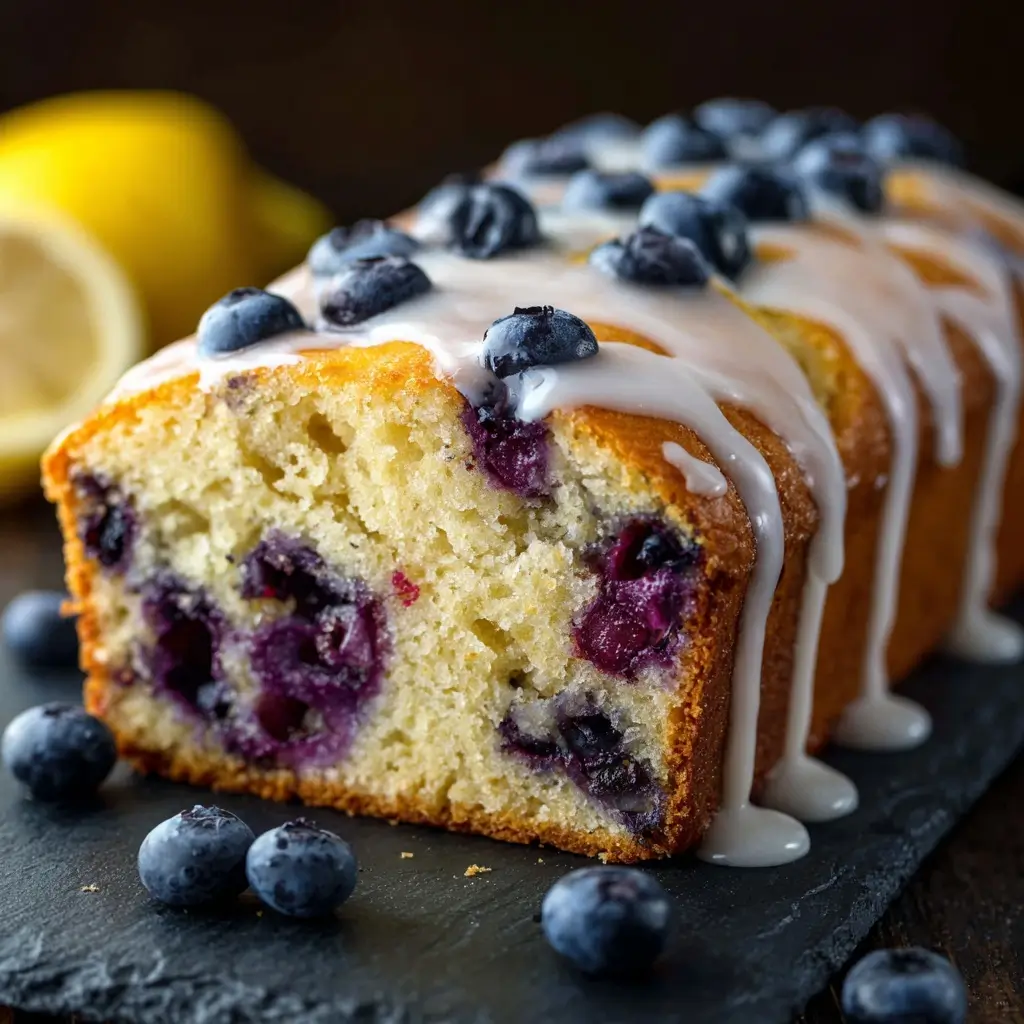
Blueberry Lemon Pound Cake: A Zesty, Moist Delight for Every Occasion
The History of Pound Cake and Its Modern Evolution
Pound cake has its roots deeply embedded in European culinary traditions, particularly originating in Northern Europe during the late 17th or early 18th century. As the name suggests, the original pound cake recipe was straightforward: one pound each of flour, sugar, butter, and eggs—hence the term “pound” cake. This simple ratio created a dense, rich, and satisfying dessert that required no chemical leavening agents, relying solely on the air beaten into the eggs for rise.
Over time, as baking techniques evolved and ingredients became more accessible, bakers began to experiment with flavor variations. The classic pound cake transformed from a plain, buttery loaf into a canvas for creativity. In the United States, especially in the South, pound cake became a staple at family gatherings, church events, and holiday tables. It was often passed down through generations, with each family adding their own twist.
The addition of citrus flavors like lemon brought brightness to the traditionally heavy cake. When combined with fresh fruits such as blueberries, the result is a modern masterpiece—a Blueberry Lemon Pound Cake that balances richness with freshness. This version retains the dense, moist crumb expected of a traditional pound cake while introducing bursts of juicy blueberries and a vibrant citrus aroma that lifts the entire experience.
Today, the Blueberry Lemon Pound Cake stands as a beloved fusion of old-world technique and contemporary taste preferences. It’s a favorite in brunch spreads, afternoon tea settings, and summer barbecues. Its popularity also stems from its versatility—it can be enjoyed plain, dusted with powdered sugar, drizzled with glaze, or paired with whipped cream or ice cream. Whether served warm from the oven or at room temperature the next day, this cake continues to win hearts across kitchens worldwide.
Ingredients Breakdown: What Makes This Cake Shine
The magic of a perfect Blueberry Lemon Pound Cake lies not only in technique but also in the quality and balance of its ingredients. Each component plays a crucial role in delivering texture, moisture, flavor, and structure. Let’s take a closer look at what goes into this delicious dessert:
- Butter (Unsalted, Room Temperature): High-fat butter is essential for creating a rich, velvety crumb. Using unsalted butter allows you to control the salt content, while bringing it to room temperature ensures smooth creaming with sugar, trapping air for a lighter texture.
- Granulated Sugar: Provides sweetness and aids in aeration during creaming. The granules help create tiny air pockets when beaten with butter, contributing to the cake’s rise and tender texture.
- Eggs (Large, Room Temperature): Act as both a binder and leavening agent. Eggs add structure and moisture, and being at room temperature prevents curdling when mixed into the batter.
- All-Purpose Flour: Offers the necessary gluten structure for a sturdy yet soft crumb. Sifted before use to prevent lumps and ensure even distribution.
- Baking Powder: A small amount adds just enough lift to keep the cake from being overly dense without compromising the signature pound cake texture.
- Salt: Enhances all other flavors in the cake, balancing sweetness and highlighting the tanginess of lemon and the natural tartness of blueberries.
- Heavy Cream or Sour Cream: Adds incredible moisture and richness. Sour cream also introduces a slight tang that complements the lemon beautifully.
- Fresh Lemons (Zest and Juice): The zest contains aromatic oils that infuse the batter with intense citrus fragrance. Freshly squeezed juice adds brightness and acidity, cutting through the richness of the butter.
- Vanilla Extract: Deepens the overall flavor profile, rounding out the sharpness of the lemon and enhancing warmth.
- Fresh Blueberries: Plump, ripe blueberries provide juicy bursts of fruity flavor and natural sweetness. Tossed in flour to prevent sinking to the bottom of the cake.
- Optional Glaze (Powdered Sugar + Lemon Juice): Drizzled on top for an extra pop of sweetness and tartness, adding visual appeal and a professional finish.
Using high-quality, fresh ingredients—especially real butter, farm-fresh eggs, and organic lemons—can elevate your Blueberry Lemon Pound Cake from good to extraordinary. Avoid frozen blueberries unless absolutely necessary; if used, do not thaw them fully to minimize color bleed and excess moisture.
Step-by-Step Recipe: How to Bake the Perfect Blueberry Lemon Pound Cake
Follow these detailed steps to create a moist, flavorful, and beautifully textured Blueberry Lemon Pound Cake that will impress everyone at your table.
- Preheat Oven & Prepare Pan: Preheat your oven to 325°F (165°C). Generously grease a 9×5-inch loaf pan with softened butter or non-stick baking spray. For best results, line the bottom with parchment paper and lightly flour the sides to ensure easy removal after baking.
- Cream Butter and Sugar: In a large mixing bowl, using a stand mixer fitted with the paddle attachment (or a hand mixer), beat 1 cup (2 sticks / 226g) of room-temperature unsalted butter with 1 ½ cups (300g) granulated sugar on medium-high speed for 4–5 minutes until light, fluffy, and pale yellow. Scrape down the sides of the bowl occasionally to ensure even mixing.
- Add Eggs One at a Time: Add 4 large room-temperature eggs, one at a time, beating well after each addition (about 30 seconds per egg). Make sure each egg is fully incorporated before adding the next. Then mix in 1 teaspoon pure vanilla extract.
- Incorporate Dry Ingredients: In a separate bowl, whisk together 2 cups (250g) all-purpose flour, 1 ½ teaspoons baking powder, and ¼ teaspoon salt. Gradually add about one-third of the dry mixture to the butter-sugar mixture on low speed, followed by half of ½ cup (120ml) heavy cream or sour cream. Alternate in three additions: dry → wet → dry → wet → dry, ending with dry ingredients. Mix only until just combined after each addition to avoid overmixing, which can lead to a tough cake.
- Add Lemon Flavor: Zest 1–2 large lemons (you’ll need about 2 tablespoons of finely grated zest) directly into the batter. Squeeze the lemons to yield approximately ¼ cup (60ml) of fresh juice. Stir in the lemon zest and juice gently by hand using a spatula.
- Coat Blueberries: Gently toss 1 ½ cups (about 200g) of fresh blueberries with 1 tablespoon of flour in a small bowl. This step helps prevent them from sinking to the bottom of the loaf during baking.
- Fold in Blueberries: Sprinkle the floured blueberries over the batter and fold in gently using a rubber spatula. Be careful not to crush the berries—fold just until evenly distributed.
- Transfer to Pan: Pour the thick batter into the prepared loaf pan and smooth the top with the back of a spoon or offset spatula. Tap the pan gently on the counter once or twice to release any trapped air bubbles.
- Bake Until Golden and Set: Place the pan in the center of the preheated oven. Bake for 60 to 75 minutes, or until a wooden skewer inserted into the center comes out clean or with just a few moist crumbs. The top should be golden brown and spring back lightly when touched.
- Cool Properly: Let the cake cool in the pan for 15 minutes on a wire rack. Then, run a knife around the edges and carefully invert it onto the rack. Remove the parchment paper and allow the cake to cool completely before slicing or glazing (at least 1 hour).
- Prepare Optional Glaze: While the cake cools, make a simple lemon glaze: whisk 1 cup (120g) powdered sugar with 2–3 tablespoons fresh lemon juice until smooth. Adjust consistency as needed—add more sugar for thickness or more juice for a runnier glaze.
- Glaze and Serve: Once the cake is completely cool, drizzle the glaze over the top. Allow it to set for 10–15 minutes before slicing. Garnish with additional lemon zest or a few fresh blueberries for presentation.
This method ensures a perfectly risen, evenly baked cake with a fine crumb, moist interior, and vibrant flavor throughout.
Tips for Baking Success: Expert Advice for Flawless Results
To achieve bakery-quality results every time, consider these tried-and-true tips:
- Use Room-Temperature Ingredients: Cold ingredients don’t emulsify properly, leading to a curdled batter. Take butter, eggs, and dairy products out of the fridge at least 1 hour before baking.
- Don’t Overmix the Batter: Once flour is added, mix only until combined. Overmixing develops gluten, resulting in a dense, chewy texture instead of a tender crumb.
- Measure Flour Accurately: Spoon flour into your measuring cup and level off with a knife. Never scoop directly from the bag, as this packs the flour and leads to dry cakes.
- Prevent Sticking: Greasing alone isn’t always enough. Lining the bottom with parchment guarantees clean release, especially important for sticky fruit-filled batters.
- Check Doneness Early: Ovens vary, so start checking the cake at 60 minutes. If the top browns too quickly, tent loosely with aluminum foil to prevent burning.
- Cool Completely Before Slicing: Cutting into a warm cake can cause crumbling and uneven slices. Cooling allows the structure to set properly.
- Enhance Lemon Flavor: For an even more intense citrus punch, add a pinch of lemon oil (food-grade) along with the extract—or brush the warm cake with a simple lemon syrup (equal parts sugar and water, simmered with lemon zest).
- Store Correctly: Keep the cake covered at room temperature for up to 3 days. For longer storage, wrap tightly in plastic wrap and refrigerate for up to 1 week, or freeze for up to 3 months.
Variations and Customizations: Make It Your Own
One of the joys of baking is personalization! Here are several creative ways to customize your Blueberry Lemon Pound Cake:
- Lemon Blueberry Almond: Add ½ teaspoon almond extract or ¼ cup finely chopped toasted almonds for a nutty complexity that pairs wonderfully with berries and citrus.
- Gluten-Free Version: Substitute all-purpose flour with a high-quality 1:1 gluten-free baking blend (like Bob’s Red Mill or King Arthur). Add ½ teaspoon xanthan gum if not already included in the mix.
- Dairy-Free Option: Replace butter with vegan butter (e.g., Earth Balance), and use coconut cream or full-fat canned coconut milk instead of heavy cream.
- Low-Sugar Adaptation: Reduce granulated sugar to 1 cup and use monk fruit sweetener or erythritol in the glaze. Note: texture may be slightly less tender due to reduced caramelization.
- Other Fruits: Swap blueberries for raspberries, blackberries, diced strawberries, or even dried cranberries soaked in lemon juice.
- Marbled Lemon-Blueberry Swirl: Reserve a portion of plain batter, layer with berry-filled batter, and swirl gently with a knife for a marbled effect.
- Mini Loaves or Muffins: Divide the batter among greased mini loaf pans (bake 35–45 min) or muffin tins (20–25 min) for adorable individual servings—perfect for gifts or parties.
- Lavender Infusion: Add ½ teaspoon culinary-grade dried lavender buds to the sugar and let it sit overnight to infuse, then proceed with the recipe for a floral twist.
- Spiced Version: Add a pinch of ground cinnamon or cardamom for warmth, especially delightful in cooler months.
- Topped Varieties: Sprinkle the top with coarse sugar before baking for a crunchy crust, or add a streusel topping made from butter, flour, sugar, and lemon zest.
Health Considerations and Nutritional Value
While the Blueberry Lemon Pound Cake is undeniably indulgent, understanding its nutritional components can help you enjoy it mindfully.
Nutritional Highlights:
- Blueberries: Packed with antioxidants, particularly anthocyanins, which support brain health and reduce inflammation. They’re also a good source of vitamin C, fiber, and manganese.
- Lemons: Rich in vitamin C and citric acid, aiding digestion and boosting immunity. Lemon zest contains beneficial plant compounds like limonene.
- Eggs and Dairy: Provide high-quality protein, choline (important for brain function), and calcium. Opting for pasture-raised eggs and grass-fed butter increases omega-3 content.
Considerations:
- High in Calories and Fat: Traditional pound cake is rich due to its high butter and sugar content. A typical slice (1/10 of the loaf) contains approximately 350–400 calories, 18–22g fat (mostly saturated), and 40–45g carbohydrates (including 25–30g sugar).
- Low in Fiber: Despite the fruit, the overall fiber content remains modest (~1–2g per slice) because of the refined flour base.
- Gluten Content: Not suitable for those with celiac disease or gluten sensitivity unless modified with gluten-free flour.
- Glycemic Impact: The high sugar content means this cake has a moderate-to-high glycemic index, so individuals managing blood sugar levels should consume it in moderation.
Ways to Lighten It Up:
- Reduce sugar by ¼ to ⅓ cup without sacrificing too much texture.
- Replace half the butter with unsweetened applesauce or mashed banana (though this alters texture slightly).
- Use whole wheat pastry flour for added fiber and nutrients.
- Top with fresh fruit instead of glaze for natural sweetness.
Enjoyed in moderation as part of a balanced diet, this cake offers both comfort and some nutritional benefits—especially from its fresh fruit and citrus components.
Ingredients
- 1 cup (2 sticks / 226g) unsalted butter, softened
- 1 ½ cups (300g) granulated sugar
- 4 large eggs, room temperature
- 1 teaspoon pure vanilla extract
- 2 cups (250g) all-purpose flour, sifted
- 1 ½ teaspoons baking powder
- ¼ teaspoon salt
- ½ cup (120ml) heavy cream or sour cream, room temperature
- Zest of 1–2 large lemons (about 2 tbsp)
- ¼ cup (60ml) fresh lemon juice (from 1–2 lemons)
- 1 ½ cups (200g) fresh blueberries, rinsed and dried
- 1 tablespoon all-purpose flour (for coating blueberries)
Optional Glaze:
- 1 cup (120g) powdered sugar
- 2–3 tablespoons fresh lemon juice
Directions
- Preheat oven to 325°F (165°C). Grease a 9×5-inch loaf pan thoroughly with butter or baking spray, line the bottom with parchment paper, and lightly flour the sides.
- In a large bowl, beat butter and sugar together on medium-high speed for 4–5 minutes until light and fluffy. Scrape down the bowl as needed.
- Add eggs one at a time, beating well after each addition. Mix in vanilla extract.
- In a separate bowl, whisk together flour, baking powder, and salt.
- Gradually add the dry ingredients to the wet mixture in three parts, alternating with the heavy cream in two parts, starting and ending with dry ingredients. Mix on low speed until just combined.
- Stir in lemon zest and lemon juice by hand using a spatula.
- Toss blueberries with 1 tablespoon of flour, then gently fold into the batter until evenly distributed.
- Pour batter into the prepared loaf pan and smooth the top. Tap gently on the counter to remove air bubbles.
- Bake for 60 to 75 minutes, or until a toothpick inserted in the center comes out clean.
- Cool in the pan for 15 minutes, then transfer to a wire rack to cool completely.
- Whisk together powdered sugar and lemon juice for the glaze. Drizzle over cooled cake.
- Slice and serve. Store leftovers in an airtight container at room temperature for up to 3 days.
FAQ
Q: Can I use frozen blueberries?
A: Yes, but do not thaw them first. Toss frozen blueberries directly in flour and fold them in gently to minimize color bleeding and excess moisture.
Q: Why did my cake sink in the middle?
A: Common causes include underbaking, overmixing the batter, opening the oven door too early, or using expired baking powder. Always test doneness with a skewer.
Q: Can I make this cake ahead of time?
A: Absolutely! Bake and cool completely, then wrap tightly in plastic wrap. It keeps well at room temperature for 2 days or in the refrigerator for up to a week.
Q: Can I freeze Blueberry Lemon Pound Cake?
A: Yes. Wrap the unglazed cake tightly in plastic and foil, then freeze for up to 3 months. Thaw overnight in the refrigerator and bring to room temperature before glazing and serving.
Q: My batter seems thick—is that normal?
A: Yes! Pound cake batter is naturally thick and dense compared to regular cake batters. This contributes to the rich, moist texture.
Q: How do I get a shiny, crackly crust?
A: Some bakers swear by brushing the top with an egg wash before baking or increasing the oven temperature slightly at the beginning. However, the classic pound cake has a matte, golden surface—this is normal.
Q: Can I double the recipe?
A: Yes, but bake in two loaf pans rather than one larger pan to ensure even cooking. You may also need to adjust baking time slightly.
Summary
The Blueberry Lemon Pound Cake combines the timeless richness of traditional pound cake with the bright, juicy freshness of lemon and blueberries, creating a dessert that’s both comforting and refreshing. Perfect for breakfast, brunch, or dessert, it’s a showstopper that’s surprisingly simple to make.