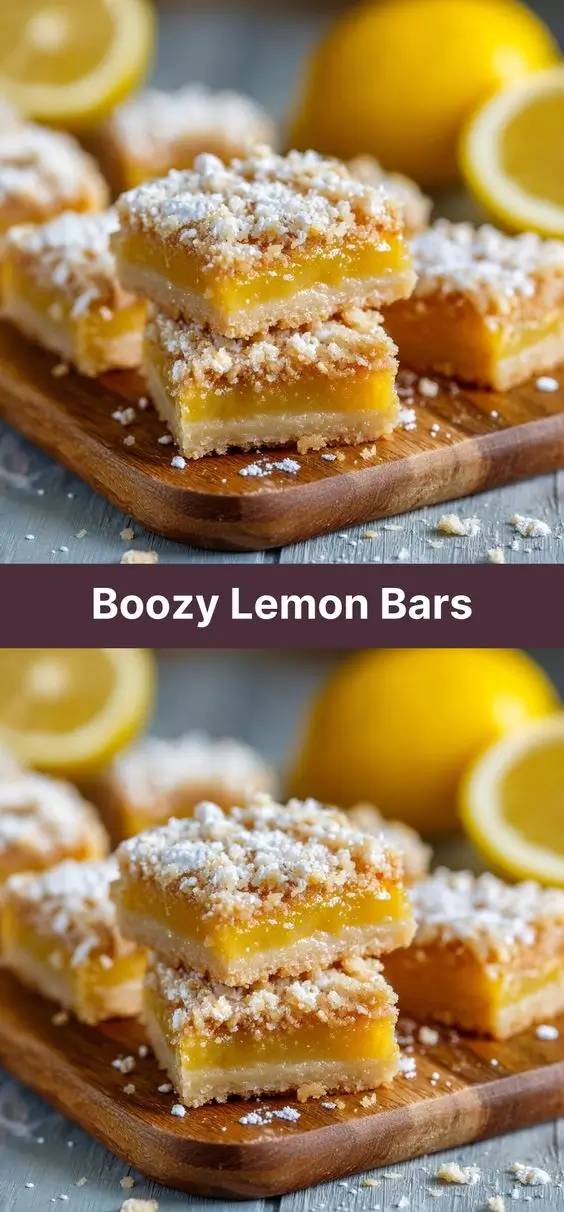
Boozy Lemon Bars: A Citrusy, Alcoholic Twist on a Classic Dessert
Boozy lemon bars are an irresistible evolution of the beloved classic lemon bar, elevated with a splash of alcohol to create a dessert that’s both tangy and sophisticated. These luscious treats combine the bright acidity of fresh lemons with the rich butteriness of shortbread and a hint of liquor—such as limoncello, vodka, or Grand Marnier—for an adult-friendly indulgence perfect for dinner parties, brunches, or anytime you want to treat yourself. With their vibrant citrus flavor, smooth custard topping, and buttery crust, boozy lemon bars offer a delightful balance of sweet, tart, and slightly intoxicating notes that dance on your palate.
The History of Boozy Lemon Bars
Lemon bars themselves have roots tracing back to mid-20th century American baking, popularized through community cookbooks and home kitchens during the 1960s and ’70s. The original version typically features a shortbread-like base topped with a simple lemon curd made from eggs, sugar, lemon juice, and zest, then baked until set and dusted with powdered sugar. Over time, bakers began experimenting with flavor enhancements, introducing liqueurs and spirits into the mix to cater to more mature palates.
The concept of “boozy” desserts gained momentum in the early 2000s as cocktail culture surged and people sought creative ways to incorporate alcohol into sweets. From rum-infused cakes to bourbon brownies, the trend found its way into citrus bars, where the addition of alcohol not only deepened the flavor profile but also subtly altered texture by reducing perceived sweetness and enhancing aroma. Today, boozy lemon bars stand as a gourmet favorite at upscale bakeries, food festivals, and craft cocktail lounges, symbolizing a fusion of patisserie tradition and modern mixology.
Ingredients Breakdown: What Makes Boozy Lemon Bars Special?
The magic of boozy lemon bars lies in the careful selection and balance of ingredients. Each component plays a crucial role in delivering the final harmony of flavors and textures.
- All-Purpose Flour: Forms the structural foundation of the shortbread crust, providing a tender yet sturdy base.
- Unsalted Butter (cold): Essential for a flaky, melt-in-your-mouth crust. Using cold butter ensures proper texture during baking.
- Powdered Sugar: Adds sweetness without adding moisture, helping maintain a delicate crumb structure.
- Salt: Enhances all other flavors and balances the intense tartness of the lemon filling.
- Eggs: Act as a binder and thickener in the custard layer. They contribute richness and help achieve a silky-smooth consistency.
- Granulated Sugar: Sweetens the lemon curd and helps it set properly during baking.
- Fresh Lemon Juice: The star ingredient—provides sharp acidity and authentic citrus flavor. Always use freshly squeezed juice for best results.
- Lemon Zest: Contains aromatic oils that intensify the lemon essence far beyond what juice alone can offer.
- Cornstarch: Helps stabilize the custard, preventing cracking and ensuring a firm yet creamy texture.
- High-Quality Alcohol (e.g., Limoncello, Vodka, Grand Marnier, or Citrus Vodka): Introduces complexity and warmth. Different spirits bring distinct characteristics:
- Limoncello: Adds extra lemony sweetness and a smooth herbal finish.
- Vodka: Neutral in flavor but enhances mouthfeel and carries aromatics effectively.
- Grand Marnier or Cointreau: Brings orange notes and subtle bitterness, complementing lemon beautifully.
- Pure Vanilla Extract (optional): Deepens flavor complexity and rounds out sharp edges in the tartness.
- Confectioners’ Sugar (for dusting): Provides visual appeal and a touch of sweetness when served.
Step-by-Step Recipe: How to Make Perfect Boozy Lemon Bars
Follow this detailed guide to create show-stopping boozy lemon bars with a crisp crust and velvety, citrus-kissed filling.
Ingredients (Makes 16 bars)
- 1 cup (2 sticks / 226g) unsalted butter, cold and cubed
- 2 cups (250g) all-purpose flour
- 1/2 cup (60g) powdered sugar
- 1/4 teaspoon salt
- 3 large eggs
- 1 1/2 cups (300g) granulated sugar
- 1/3 cup (80ml) fresh lemon juice (about 3–4 medium lemons)
- 1 tablespoon finely grated lemon zest (from about 2 lemons)
- 2 tablespoons cornstarch
- 3 tablespoons high-quality alcohol (limoncello recommended for maximum citrus impact)
- 1/2 teaspoon pure vanilla extract (optional)
- Additional confectioners’ sugar for dusting
Equipment Needed
- 9×9-inch square baking pan
- Parchment paper
- Food processor or pastry cutter
- Mixing bowls
- Whisk
- Microplane zester
- Juicer
- Cooling rack
Directions
- Preheat Oven & Prepare Pan: Preheat your oven to 350°F (175°C). Line a 9×9-inch baking pan with parchment paper, leaving overhang on two opposite sides for easy removal later. Lightly grease any exposed pan areas.
- Make the Crust: In a food processor, pulse together flour, powdered sugar, and salt. Add cold cubed butter and pulse until the mixture resembles coarse sand with some pea-sized butter pieces remaining. Alternatively, use a pastry cutter or fork to cut butter into dry ingredients by hand.
- Press Into Pan: Transfer the crumbly dough to the prepared pan. Use your fingers or a flat-bottomed glass to press evenly into the bottom, creating a firm, level layer. Bake for 20–22 minutes, or until lightly golden around the edges. Remove and let cool slightly while preparing the filling.
- Prepare Filling: In a large bowl, whisk eggs and granulated sugar until well combined. Add lemon juice, lemon zest, cornstarch, alcohol, and vanilla (if using). Whisk vigorously until smooth and slightly thickened—about 1–2 minutes.
- Pour Over Crust: Carefully pour the lemon mixture over the warm crust. Return the pan to the oven and bake for 25–28 minutes, or until the filling is just set—center should jiggle slightly when gently shaken but not be liquidy.
- Cool Completely: Allow the bars to cool at room temperature for 1 hour, then transfer to the refrigerator and chill for at least 2 hours (preferably 4) to fully set and enhance sliceability.
- Cut & Serve: Using the parchment overhang, lift the entire slab out of the pan onto a cutting board. Trim edges if desired and cut into 16 squares (4×4 grid). Dust generously with confectioners’ sugar just before serving.
Tips for Success
- Use Fresh Lemons: Bottled lemon juice lacks brightness and may contain preservatives that dull flavor. Always go fresh.
- Zest Before Juicing: It’s easier to zest whole lemons than wet, slippery ones after juicing.
- Don’t Overbake: Slight jiggle is okay—the filling will continue to set as it cools. Overbaking leads to cracks and rubberiness.
- Chill Thoroughly: Proper chilling ensures clean cuts and optimal texture. Warm bars will smear and fall apart.
- Wipe Knife Between Cuts: For clean, professional-looking slices, wipe your knife with a damp cloth after every cut.
- Add Alcohol Gradually: Start with 2 tablespoons and taste the filling (before adding raw eggs) adjusted for safety—then add more if needed. Remember, alcohol doesn’t cook off entirely, so potency remains.
- Room Temperature Eggs: Help emulsify better and reduce risk of curdling when mixed into the batter.
- Butter Quality Matters: Use European-style butter (like Kerrygold) for richer flavor and better browning in the crust.
Variations and Customizations
Boozy lemon bars are highly adaptable. Here are inspired variations to suit different tastes and occasions:
- Limoncello-Lavender Bars: Infuse 1 tablespoon culinary lavender buds into warm limoncello, strain, and use in place of plain liqueur. Adds floral elegance.
- Berry-Infused Booziness: Swirl in a few spoonfuls of raspberry or blackberry compote (with a splash of Chambord) before baking for a fruity twist.
- Coconut Rum Lemon Bars: Replace traditional alcohol with Malibu coconut rum and add shredded coconut to the crust for tropical flair.
- Gin & Tonic-Inspired Bars: Use gin instead of vodka and add a pinch of tonic powder or crushed freeze-dried lime for botanical complexity.
- Spiked Meyer Lemon Bars: Substitute Meyer lemons for regular lemons—they’re sweeter and less acidic—for a mellow, floral profile enhanced by orange liqueur.
- Gluten-Free Version: Swap all-purpose flour with a 1:1 gluten-free baking blend. Ensure cornstarch is certified GF.
- Dairy-Free Option: Use plant-based butter (like Miyoko’s or Earth Balance) for the crust. Texture may vary slightly but still delicious.
- Skinny(ish) Boozy Bars: Reduce sugar by 1/4 cup and use monk fruit sweetener blend, though texture may become softer. Not ideal for purists.
- Mini Jar Versions: Bake in mason jars or ramekins for individual servings—perfect for parties or gifting.
- Layered Parfaits: Crumble baked bars and layer with whipped cream and boozy lemon curd in glasses for deconstructed elegance.
Health Considerations and Nutritional Value
While undeniably decadent, understanding the nutritional content helps you enjoy boozy lemon bars responsibly.
Nutrition Facts (Per Serving – 1 of 16 bars)
- Calories: ~240 kcal
- Total Fat: 13g (mostly from butter)
- Saturated Fat: 8g
- Cholesterol: 55mg
- Sodium: 75mg
- Total Carbohydrates: 28g
- Sugars: 20g (natural and added)
- Protein: 2g
- Alcohol Content: ~0.5–1 oz per batch (~3–5% ABV distributed across 16 pieces)
Key Health Notes:
- Alcohol Sensitivity: Not suitable for children, pregnant individuals, or those avoiding alcohol for medical or personal reasons.
- Sugar Content: High due to dual layers of sweetness—moderation advised for diabetics or low-sugar diets.
- Lactose: Contains butter; dairy-free substitutes available.
- Egg Safety: Fully baked, so salmonella risk is minimal, but immunocompromised individuals may prefer caution.
- Portion Control: Cutting into smaller pieces allows tasting without overindulgence.
- Antioxidants from Lemons: Rich in vitamin C and flavonoids, which support immunity and have anti-inflammatory properties—but benefits don’t offset high fat/sugar content.
Frequently Asked Questions (FAQ)
Q: Can I make boozy lemon bars non-alcoholic?
A: Absolutely! Omit the alcohol and replace it with equal parts lemon juice or water with a drop of orange extract for depth. You’ll lose the warmth and complexity but retain tangy charm.
Q: How long do boozy lemon bars last?
A: Store covered in the refrigerator for up to 5 days. They freeze well—wrap tightly and freeze for up to 2 months. Thaw overnight in fridge before serving.
Q: Why did my filling crack?
A: Overbaking, sudden temperature changes, or too many egg whites can cause cracking. Always cool gradually and avoid opening the oven door early.
Q: Can I use bottled lemon juice?
A: While possible, it’s strongly discouraged. Fresh lemon juice offers superior brightness and lacks metallic or stale undertones found in preserved versions.
Q: Is there a lot of alcohol in each bar?
A: No—only about 1–2 teaspoons of alcohol per bar. Most of the volume is absorbed or evaporated slightly during baking, but traces remain.
Q: Can I double the recipe?
A: Yes, but use a 9×13-inch pan and increase baking time slightly. Watch closely to prevent overcooking.
Q: Can I bake these in a muffin tin?
A: Yes! Create mini boozy lemon tarts using liners and pre-baked crusts. Fill three-quarters full and adjust baking time to 18–22 minutes.
Q: What pairs well with boozy lemon bars?
A: Serve alongside sparkling wine, Prosecco, or a light white like Pinot Grigio. Also excellent with coffee, tea, or a scoop of vanilla bean ice cream.
Summary
Boozy lemon bars blend the zesty freshness of homemade lemon curd with a buttery shortbread crust and a refined splash of alcohol for a dessert that’s both nostalgic and luxuriously modern. Perfect for entertaining or treating yourself, these vibrant bars deliver a balanced punch of sweet, tart, and tipsy delight in every bite.