Introduction
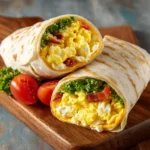
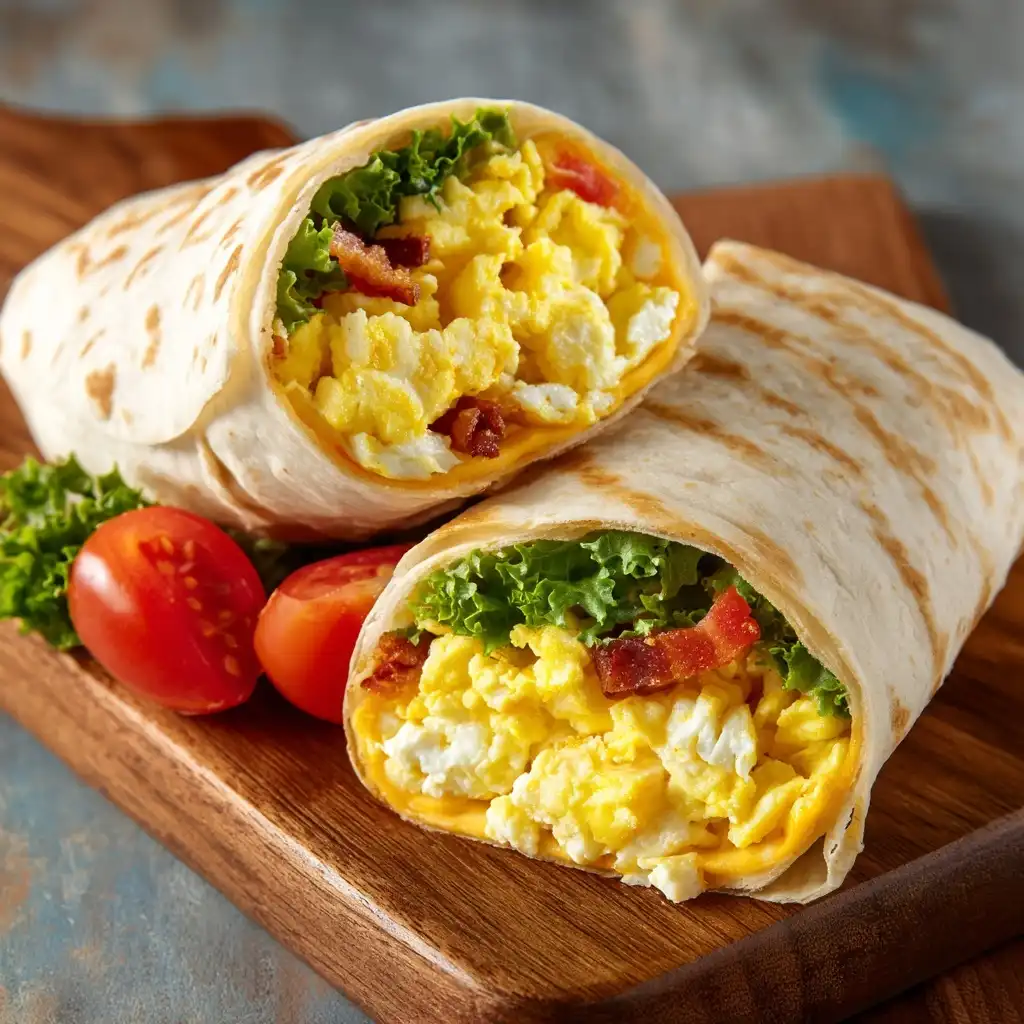
The Breakfast Egg & Cheese Wrap is a beloved, portable, and deeply satisfying morning staple that bridges convenience and comfort food in one handheld package. Whether enjoyed at home before a hectic workday, packed for a child’s school lunch, or served at a bustling diner counter, this simple yet versatile dish delivers protein-rich eggs, melty cheese, and customizable fillings wrapped snugly in a soft tortilla—making it an ideal solution for time-pressed individuals who refuse to sacrifice flavor or nutrition. Its adaptability across dietary preferences (vegetarian, keto, gluten-free with substitutions), ease of preparation, and nostalgic appeal have cemented its status as a modern breakfast classic.
The History
While the exact origin of the egg and cheese wrap remains undocumented in culinary archives, its evolution can be traced through several converging food traditions. The concept of wrapping savory fillings in flatbreads dates back millennia—from Middle Eastern manakish and Indian parathas to Mexican tortillas used for centuries in Mesoamerica. In the United States, the modern breakfast wrap emerged prominently in the 1980s and 1990s alongside the rise of fast-casual dining and the growing demand for on-the-go meals. Chains like Taco Bell introduced the “Breakfast Crunchwrap” in 2004, while regional diners and delis had long offered their own versions—often called “breakfast burritos,” “egg wraps,” or “morning quesadillas.” Unlike traditional burritos that frequently include beans and rice, the minimalist Egg & Cheese Wrap focuses squarely on the foundational duo: fluffy scrambled or folded eggs and a high-melting-point cheese—typically American, cheddar, or Monterey Jack—emphasizing richness, texture, and speed of assembly. Its popularity surged further in the 2010s with the wellness movement, as home cooks and meal-preppers embraced it as a blank canvas for adding vegetables, lean proteins, and whole-grain alternatives—transforming it from diner fare into a globally inspired, nutrition-forward breakfast essential.
Ingredients Breakdown
Understanding each ingredient’s functional role elevates both the taste and technique of your wrap:
- Eggs: The structural and nutritional backbone—providing ~6g of complete protein per large egg, emulsifying fats, and creating tender curds when cooked low-and-slow. Pasture-raised or omega-3-enriched eggs contribute nuanced flavor and added nutritional benefits.
- Cheese: Serves dual purposes—flavor enhancer and binding agent. Melting cheeses (American, cheddar, pepper jack, Colby, or even creamy goat cheese) create a cohesive, gooey layer that helps hold the wrap together. Low-moisture mozzarella offers stretch; sharp cheddar adds depth; American ensures foolproof meltability due to added emulsifiers.
- Tortilla: Acts as both vessel and textural contrast. Flour tortillas (8–10 inches) are standard for pliability and neutral flavor; whole-wheat or spinach-infused varieties add fiber and color; low-carb almond-flour or coconut wraps accommodate keto or gluten-sensitive diets. Warming the tortilla before filling prevents cracking and improves fold integrity.
- Butter or Oil: Critical for cooking eggs—butter lends richness and browning (Maillard reaction), while neutral oils (avocado, grapeseed) allow higher-heat scrambling without burning. A small amount also lightly coats the tortilla surface for subtle crispness when pan-toasted post-filling.
- Seasonings: Beyond salt and black pepper, ingredients like garlic powder, onion powder, smoked paprika, dried chives, or a splash of hot sauce (e.g., Cholula or Sriracha) build complexity. Fresh herbs (cilantro, parsley, dill) added post-cooking brighten the profile.
- Optional Enhancers: A teaspoon of milk or cream in the egg mixture yields fluffier curds; a pinch of baking powder (0.25 tsp per 3 eggs) creates ultra-light, cloud-like texture; a dash of mustard (Dijon or yellow) acts as a natural emulsifier and adds tangy depth.
Step-by-Step Recipe
- Prep Your Station: Gather all ingredients and equipment—nonstick skillet or griddle, silicone spatula, mixing bowl, whisk, plate lined with paper towels (for draining excess oil), and a clean work surface for assembling wraps.
- Whisk the Eggs: Crack 2–3 large eggs into a bowl. Add 1 tbsp dairy (milk, half-and-half, or unsweetened almond milk), a pinch of baking powder (optional), ¼ tsp salt, ⅛ tsp black pepper, and any dry seasonings. Whisk vigorously for 45–60 seconds until fully homogenized and slightly frothy—this incorporates air for maximum fluffiness.
- Heat the Pan: Place skillet over medium-low heat (300–325°F). Add 1 tsp butter or oil and swirl to coat. Let it warm but not smoke—ideal temperature allows gentle coagulation without rubberiness.
- Cook the Eggs: Pour in egg mixture. Let sit undisturbed for 10–15 seconds, then gently push cooked edges toward center with spatula while tilting pan to let uncooked egg flow underneath. Repeat every 15–20 seconds until eggs are ~85% set—still slightly glossy and moist (they’ll finish cooking off-heat). Avoid over-stirring or high heat, which causes dryness.
- Add Cheese: Immediately upon removing eggs from heat, sprinkle ¼–½ cup shredded cheese evenly over warm eggs. Let residual heat melt it for 10–15 seconds—no stirring needed. This creates a seamless cheese layer that bonds with the eggs.
- Warm the Tortilla: While eggs rest, heat a separate dry skillet over medium heat. Place tortilla in for 10–15 seconds per side until pliable and faintly speckled. Alternatively, wrap 3–4 tortillas in damp paper towels and microwave for 20–25 seconds.
- Assemble the Wrap: Lay warm tortilla flat. Spoon egg-cheese mixture onto the lower third, leaving a 1-inch border at bottom and ½-inch margins on sides. Fold bottom edge up over filling, then fold left and right sides inward, and roll tightly upward—tucking as you go—to form a secure cylinder. Press seam-side down for 10 seconds to seal.
- Toast (Optional but Recommended): Lightly brush exterior with melted butter or oil. Return seam-side down to warm skillet for 60–90 seconds per side until golden brown and lightly crisped—enhancing structure and adding nutty aroma.
- Rest & Serve: Transfer to a cutting board and let rest for 2 minutes—this allows residual heat to fully set the eggs and prevents cheese leakage. Slice diagonally for presentation or serve whole with napkins—it’s meant to be handheld!
Tips
- Temperature Control Is Everything: Eggs cook best between 140–160°F internally. Use medium-low heat—and if your stove runs hot, reduce by one notch. A thermometer isn’t necessary, but if you have one, aim for eggs that reach 155°F before removal from heat.
- Shred Your Own Cheese: Pre-shredded cheeses contain anti-caking agents (like cellulose) that inhibit smooth melting. Grating cheddar, Monterey Jack, or Swiss yourself yields creamier, more cohesive results.
- Don’t Skip the Rest: Letting the filled wrap sit for 2 minutes before slicing or eating allows steam to redistribute, firms up the interior, and prevents messy unraveling.
- Batch Cooking Hack: For meal prep, cook eggs in large batches, portion into freezer-safe bags (with cheese already layered), and freeze flat. Thaw overnight, reheat in skillet with fresh tortilla, and toast.
- Wrap Integrity Secret: Overfilling causes busting. Keep fillings below ¾ cup per 8-inch tortilla. Also, avoid wet ingredients (raw tomatoes, watery salsa) unless thoroughly drained or roasted first.
- Flavor Layering Technique: Season eggs *twice*—once in the bowl, once just after folding in cheese—to ensure balanced seasoning throughout, not just on the surface.
- Leftover Egg Hack: Repurpose yesterday’s cooked eggs by gently reheating with a splash of cream and fresh cheese—then use in wraps. They won’t be as fluffy but retain excellent flavor and texture.
- Make-Ahead Tortillas: Store warmed tortillas in a thermal container or insulated bag with a damp cloth to keep them soft and pliable for up to 2 hours.
Variations and Customizations
This recipe is infinitely adaptable—here are thoughtfully curated variations spanning global flavors, dietary needs, and seasonal inspiration:
- Southwest Style: Add 2 tbsp black beans (rinsed), 1 tbsp fire-roasted corn, 1 tsp cumin, ¼ tsp chipotle powder, and top with avocado slices and cilantro-lime crema.
- Mediterranean Twist: Swap cheddar for crumbled feta and goat cheese; stir in chopped sun-dried tomatoes, kalamata olives, spinach, and oregano. Finish with tzatziki drizzle.
- Keto/Low-Carb: Use almond-flour or coconut wraps (or lettuce cups); load up with extra cheese, avocado, sautéed mushrooms, and crispy bacon—skip starchy additions entirely.
- Vegan Version: Replace eggs with tofu scramble (firm tofu pressed, crumbled, seasoned with turmeric, nutritional yeast, black salt/kala namak for eggy sulfur notes); use cashew-based queso or Daiya shreds; add caramelized onions and roasted red peppers.
- Gourmet Brunch: Fold in truffle oil-infused scrambled eggs, wild mushroom duxelles, Gruyère, and fresh thyme—serve with arugula salad and lemon vinaigrette on the side.
- Asian-Inspired: Add ginger-scallion scrambled eggs, pickled daikon, sriracha mayo, nori strips, and sesame seeds. Use a scallion tortilla or wrap in a blanched collard green leaf.
- Smoky BBQ Breakfast: Mix in pulled pork or chorizo crumbles, sharp cheddar, caramelized onions, and a swipe of bourbon-barbecue sauce before rolling.
- Vegetable-Packed Power Wrap: Sauté zucchini ribbons, bell peppers, spinach, and cherry tomatoes in olive oil and garlic; combine with eggs and fontina cheese for a fiber- and antioxidant-rich version.
- Dessert-Style “Sweet Egg Wrap”: Use cinnamon-vanilla scrambled eggs (whisk eggs with 1 tsp maple syrup, ¼ tsp cinnamon, pinch of nutmeg), fill with ricotta, sliced bananas, toasted walnuts, and a dusting of powdered sugar—best enjoyed warm.
Health Considerations and Nutritional Value
A standard Breakfast Egg & Cheese Wrap made with 3 large eggs, ½ cup cheddar, and one 8-inch flour tortilla contains approximately:
- Calories: 480–520 kcal
- Protein: 32–36g (65–72% of Daily Value for adults)
- Fat: 28–32g (mostly unsaturated from eggs + saturated from cheese; moderate intake supports satiety and hormone health)
- Carbohydrates: 24–28g (primarily from tortilla; choose whole grain for added fiber—5–7g per wrap)
- Vitamins & Minerals: Rich in Vitamin D, B12, selenium, choline (critical for brain and liver function), lutein/zeaxanthin (eye health), and calcium (especially with fortified cheese).
Heart Health Note: Contrary to outdated cholesterol concerns, recent meta-analyses (including studies published in JAMA Internal Medicine and American Journal of Clinical Nutrition) confirm that dietary cholesterol from eggs has minimal impact on serum LDL in most healthy individuals. The wrap’s real nutritional leverage lies in ingredient quality—not avoidance. Opt for pasture-raised eggs (higher in omega-3s), grass-fed cheese (more CLA), and organic, low-sodium tortillas to maximize benefits.
Dietary Adaptations:
- Gluten-Free: Use certified GF tortillas (corn, cassava, or almond-flour blends). Verify cheese labels—some processed cheeses contain gluten-derived additives.
- Lactose Intolerance: Choose aged cheeses (cheddar, Swiss, Parmesan) naturally low in lactose—or lactose-free cheese alternatives.
- Lower Sodium: Select low-sodium cheese, skip added salt in eggs, and use herbs/spices instead. Many store-bought tortillas contain 300–450mg sodium—seek brands under 150mg per serving.
- Pregnancy-Safe: Ensure eggs are cooked to 160°F (no runny yolks), and avoid unpasteurized soft cheeses (brie, queso fresco) unless clearly labeled “pasteurized.”
Ingredients
- 3 large eggs
- 2 tablespoons whole milk or unsweetened almond milk
- ¼ teaspoon fine sea salt (plus more to taste)
- ⅛ teaspoon freshly ground black pepper
- ¼ teaspoon garlic powder (optional)
- ¼ teaspoon onion powder (optional)
- 1 tablespoon unsalted butter or avocado oil
- ½ cup shredded sharp cheddar cheese (or American, Monterey Jack, or pepper jack)
- 1 (8-inch) flour tortilla (whole wheat, spinach, or low-carb alternative as desired)
- 1 teaspoon melted butter or olive oil (for toasting, optional)
- Fresh chives or parsley, for garnish (optional)
Directions
- In a medium bowl, whisk together eggs, milk, salt, pepper, garlic powder, and onion powder until completely smooth and slightly frothy—about 60 seconds.
- Heat a nonstick skillet over medium-low heat. Add 1 tablespoon butter or oil and swirl to coat pan evenly. Once shimmering but not smoking, pour in egg mixture.
- Let eggs sit undisturbed for 10 seconds. Using a heat-resistant silicone spatula, gently push edges toward center while tilting pan to allow uncooked egg to flow underneath. Repeat every 15–20 seconds until eggs are mostly set but still glossy and slightly moist—approximately 2–2.5 minutes total.
- Remove skillet from heat. Immediately sprinkle shredded cheese evenly over warm eggs. Let sit for 10–15 seconds to melt using residual heat.
- While eggs rest, warm tortilla in a dry skillet over medium heat for 10–15 seconds per side until soft and pliable—or microwave wrapped in damp paper towel for 20–25 seconds.
- Transfer warm tortilla to a clean surface. Spoon egg-and-cheese mixture onto lower third of tortilla, leaving 1-inch border at bottom and ½-inch on each side.
- Fold bottom edge up over filling. Fold left and right sides inward over ends of filling. Roll tightly upward from the bottom, tucking filling in as you go, to form a compact, sealed wrap.
- (Optional but recommended) Lightly brush outside of wrap with melted butter or oil. Heat same skillet over medium heat. Place wrap seam-side down and cook for 60–90 seconds. Flip and cook opposite side for another 60–90 seconds until golden brown and crisp.
- Transfer to a cutting board and let rest for 2 minutes. Slice in half diagonally or serve whole. Garnish with fresh chives or parsley and serve immediately.
FAQ
- Can I make this ahead of time?
- Absolutely! Fully assembled wraps can be refrigerated (wrapped tightly in parchment + foil) for up to 3 days or frozen for up to 3 months. Reheat in a skillet over medium-low heat for 3–4 minutes per side—or wrap in parchment and bake at 350°F for 15–18 minutes until heated through (add 1–2 minutes if frozen).
- Why does my wrap fall apart?
- Common causes: tortilla too cold or dry (always warm before filling), overfilling (stick to ≤¾ cup filling), insufficient cheese binding layer, or rolling too loosely. Try warming the tortilla longer, using a larger tortilla (10-inch), or adding a thin spread of mashed avocado or cream cheese to help “glue” layers.
- What’s the best cheese for melting?
- American cheese is engineered for perfect melt—smooth, consistent, and stable. For artisanal options, try young Gouda, Havarti, Fontina, or Oaxaca cheese. Avoid hard, aged cheeses (Pecorino Romano, aged cheddar) unless grated very finely and combined with a melty base.
- Can I use egg whites only?
- Yes—but adjust technique. Egg whites need higher heat and faster cooking to avoid rubberiness. Whisk with 1 tsp water per ¼ cup whites and cook over medium heat, stirring constantly. Add cheese after removing from heat to prevent separation.
- Is there a way to make it crispy like a breakfast burrito?
- For deep crispness: After rolling, place seam-side down in an air fryer at 375°F for 6–7 minutes, flipping halfway. Or pan-fry in 2 tsp oil until deeply golden on all sides—like a grilled cheese sandwich.
- How do I prevent soggy wraps?
- Avoid wet ingredients unless well-drained or roasted (e.g., squeeze moisture from sautéed spinach, pat roasted tomatoes dry). Also, never assemble and refrigerate unfrozen—cold condensation breaks down tortilla integrity. Freeze instead, or assemble fresh daily.
- Can I cook this in the oven?
- Yes—though texture differs. Spread egg mixture in a greased 8×8 baking dish, bake at 350°F for 12–15 minutes until set, cool slightly, cut into rectangles, top with cheese, and wrap in warmed tortillas. Best for batch prep, not peak fluffiness.
- What’s the difference between a breakfast wrap and a breakfast burrito?
- Traditionally, burritos use larger flour tortillas (10–12 inch), often include beans, rice, or potatoes, and are typically foil-wrapped for portability. Wraps emphasize simplicity—eggs + cheese (+ optional extras)—and prioritize delicate texture, freshness, and lighter structure. However, terminology varies regionally and commercially.
Summary
The Breakfast Egg & Cheese Wrap is a timeless, endlessly adaptable, and nutritionally robust morning solution—celebrating the elegant simplicity of perfectly cooked eggs, richly melty cheese, and a tender, pliable tortilla rolled with intention.
Whether you’re fueling a busy weekday, meal-prepping for the week ahead, exploring global flavors, or accommodating specific dietary needs, this humble wrap proves that extraordinary satisfaction lives in thoughtful technique, quality ingredients, and the joy of eating well—right from the first bite.