Introduction
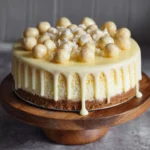
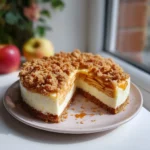
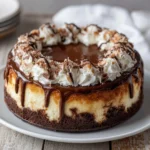
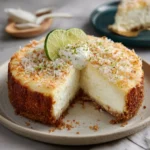
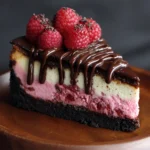
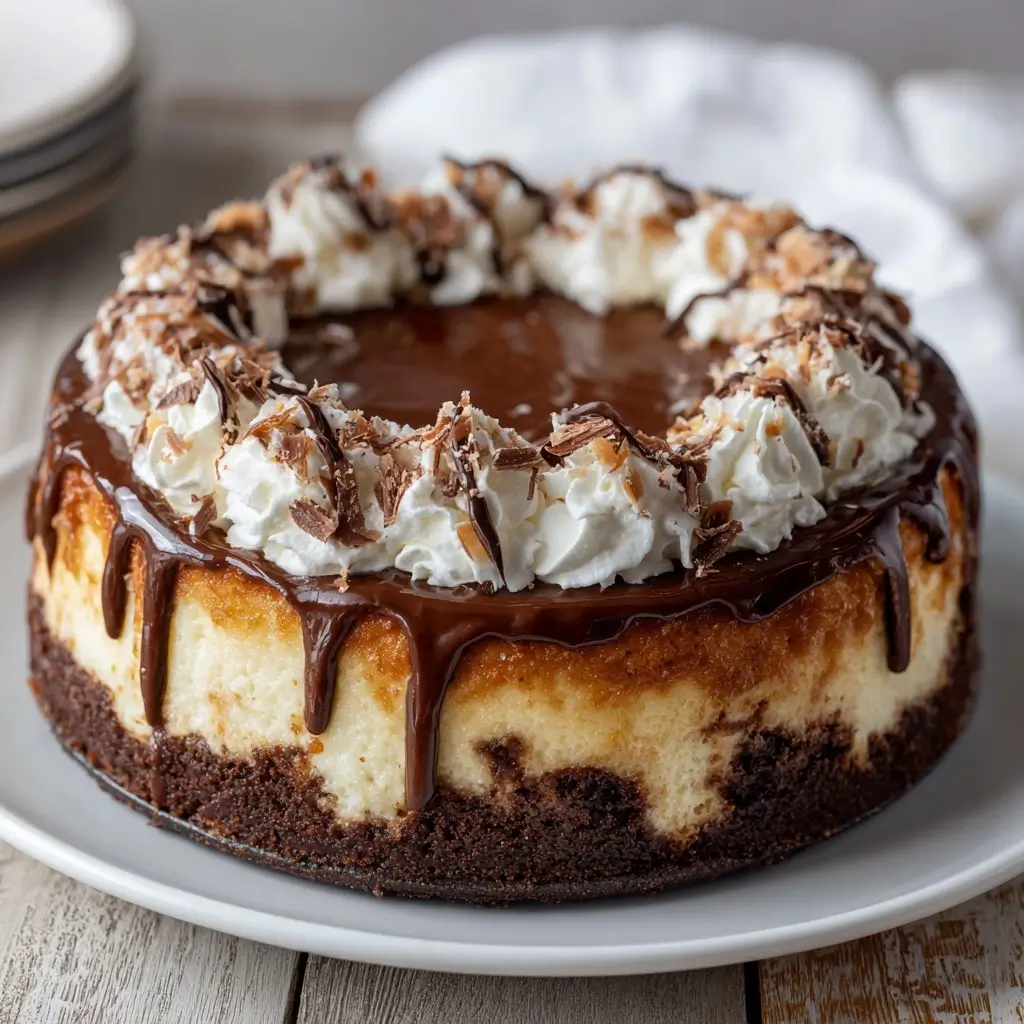
Brownie Bottom Cheesecake is a decadent, crowd-pleasing hybrid dessert that masterfully marries the dense, fudgy richness of a classic brownie with the creamy, velvety luxury of New York–style cheesecake. Unlike traditional layered desserts where components are baked separately and assembled later, this recipe integrates both elements into a single, harmonious creation—where the brownie isn’t just a base but an integral, deeply flavorful foundation that soaks up the subtle moisture from the cheesecake layer while providing textural contrast and cocoa depth. It’s the ultimate indulgence for chocolate lovers who also crave the tangy, smooth sophistication of cheesecake—offering the best of both worlds in every forkful. Whether served at holiday gatherings, birthday celebrations, or as a luxurious weeknight treat (yes, it’s worth the effort!), Brownie Bottom Cheesecake consistently delivers awe-inspiring flavor, stunning visual appeal, and unforgettable mouthfeel.
The History
The origins of Brownie Bottom Cheesecake lie at the crossroads of two iconic American desserts: the brownie and the cheesecake. The brownie, believed to have been invented in the late 19th century—most credibly attributed to Chicago’s Palmer House Hotel in 1893 for the World’s Columbian Exposition—evolved from dense, fudge-like confections into the chewy, cakey, or ultra-fudgy variations we know today. Cheesecake, by contrast, traces its ancestry back over 4,000 years to ancient Greece, but the American “New York” style—with its heavy cream cheese base, rich eggs, and slow-baked custard texture—gained national prominence in the early 20th century, particularly through Jewish bakeries in Brooklyn and Manhattan. The fusion concept likely emerged organically in home kitchens during the mid-to-late 20th century, as bakers experimented with layering, combining, and reimagining classics. Early versions appeared in regional cookbooks and women’s magazines in the 1970s and ’80s, often labeled “Chocolate Cheesecake Bars” or “Brownie-Cheesecake Squares.” However, it wasn’t until the rise of food blogging and social media in the 2010s—fueled by viral images of marbled swirls, glossy tops, and crinkled edges—that Brownie Bottom Cheesecake cemented its status as a modern baking phenomenon. Today, it’s celebrated not only for its taste but for its versatility, photogenic quality, and symbolic representation of culinary innovation—proving that tradition and reinvention can coexist deliciously.
Ingredients Breakdown
Understanding each ingredient’s role is essential to mastering this dessert—not merely for accuracy, but for troubleshooting, scaling, and customization. Below is a comprehensive functional breakdown:
- Unsweetened Cocoa Powder (Dutch-processed preferred): Provides deep, nuanced chocolate flavor without acidity; Dutch-processed cocoa has been alkalized to neutralize natural acids, yielding smoother, richer notes and better solubility in batters. It also contributes to the brownie layer’s signature dark color and fudgy density.
- Granulated Sugar (for brownie layer): Not only sweetens but aids in aeration during creaming, controls spread, and contributes to crust formation and chewiness via caramelization.
- Brown Sugar (for cheesecake layer): Adds molasses-derived complexity, moisture retention, and subtle caramel notes—enhancing the overall warmth and balancing the tang of cream cheese.
- Unsalted Butter (both layers): Delivers fat for tenderness, flavor, and emulsification. Melted butter in the brownie ensures fudginess; softened butter in the cheesecake promotes smooth incorporation without overbeating.
- Large Eggs (room temperature): Act as binders, leaveners (via trapped air), and emulsifiers. Room temperature eggs blend more evenly into the cheesecake batter, preventing lumps and curdling. Cold eggs risk shocking the warm cream cheese, causing graininess.
- Cream Cheese (full-fat, brick-style, Philadelphia brand recommended): The cornerstone of structure and richness. Must be fully softened (not melted) to ensure lump-free, silky-smooth batter. Low-fat or whipped varieties contain stabilizers and excess air that compromise texture and cause cracking.
- Sour Cream & Heavy Cream: Sour cream adds tang, moisture, and slight acidity to balance sweetness and enhance tenderness; heavy cream enriches mouthfeel and contributes to a luxuriously soft set. Together, they lower the overall protein content relative to using only cream cheese, reducing the risk of rubberiness.
- Vanilla Extract (pure, not imitation): Enhances aromatic complexity—especially important in layered desserts where subtlety can get lost. Bourbon-vanilla or Tahitian vanilla add intriguing floral or spicy undertones.
- Espresso Powder (optional but highly recommended): A tiny amount (¼ tsp) doesn’t make the dessert taste like coffee—it intensifies chocolate flavor through umami synergy, much like salt does for savory dishes.
- Salt (fine sea salt or kosher): Critical for flavor balance—suppresses bitterness, sharpens sweetness, and amplifies all other notes. Too little leads to cloying sweetness; too much overwhelms. Always measure precisely.
- Dark Chocolate (60–70% cacao, finely chopped or high-quality chips): Folded into the brownie batter for melty pockets and glossy sheen. Higher cocoa content ensures intensity without excessive sugar interference.
- Chocolate Chips or Chopped Chocolate (for topping, optional): Added just before baking for decorative melt pools and extra chocolate bursts upon slicing.
Step-by-Step Recipe
- Preheat & Prep: Position oven rack in center position. Preheat oven to 325°F (163°C). Grease a 9×13-inch metal baking pan (aluminum preferred for even heating) and line bottom and long sides with parchment paper, leaving 2-inch overhang on two opposite sides for easy removal. Lightly grease parchment.
- Make the Brownie Base: In a medium heatproof bowl, combine unsweetened cocoa powder, granulated sugar, salt, and espresso powder (if using). Pour in hot water (just boiled) and whisk vigorously until smooth and glossy—no lumps. Let cool 2 minutes. Whisk in melted butter until fully incorporated. Add eggs one at a time, whisking well after each addition until batter is thick and shiny. Gently fold in vanilla and chopped dark chocolate until evenly distributed. Batter should be thick, glossy, and slightly viscous—not runny.
- Spread & Level: Pour brownie batter into prepared pan. Use an offset spatula or the back of a spoon to spread evenly into corners. Tap pan sharply 3–4 times on counter to release air bubbles and level surface. Set aside while preparing cheesecake layer.
- Prepare Cheesecake Layer: In a large bowl, beat softened cream cheese with an electric mixer on medium speed until completely smooth and creamy (about 1½–2 minutes), scraping bowl frequently. Add brown sugar and beat until fully dissolved and fluffy (1 minute). Add sour cream and heavy cream; beat until homogeneous and slightly aerated (30 seconds). Add eggs one at a time, beating on low speed *just until yolk disappears* after each addition—overmixing incorporates too much air and invites cracking. Stir in vanilla and salt by hand with a silicone spatula until fully combined. Batter should be thick, creamy, and free of streaks.
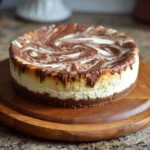
- Layer & Swirl (Optional but Recommended): Carefully spoon cheesecake batter over brownie layer. Use an offset spatula to gently spread into an even layer—do not press down or disturb brownie layer. For marbled effect: Drizzle 2–3 tbsp of remaining brownie batter (reserved before adding chocolate) over cheesecake layer, then use a thin knife or skewer to drag gentle figure-eights or S-curves through both layers—only 2–3 passes to avoid over-swirling.
- Bake with Precision: Place pan on center rack. Bake for 45–55 minutes. The cheesecake layer is done when edges are puffed and lightly golden, center jiggles *slightly* (like Jell-O) when gently nudged, and internal temperature reads 150–155°F (65–68°C) on an instant-read thermometer inserted 1 inch from edge. Do not overbake—carryover heat will continue cooking the center.
- Cool Gradually (Non-Negotiable Step): Turn off oven. Crack oven door open 1–2 inches with a wooden spoon handle. Let cheesecake cool inside oven for 1 hour—this prevents drastic temperature shifts that cause sinking or cracking. Remove from oven and cool on wire rack for another 1 hour. Then cover loosely with foil (not plastic wrap—traps condensation) and refrigerate *uncovered* for at least 8 hours—but ideally 12–24 hours—for full setting, flavor melding, and clean slicing.
- Chill & Slice: Once thoroughly chilled, lift dessert from pan using parchment overhangs. Place on cutting board. For clean slices: Dip a sharp, thin-bladed knife in hot water, wipe dry, and cut with gentle sawing motion. Reheat and wipe between each slice. Optional: Run knife under hot water and wipe *immediately before each cut* for flawless edges.
Tips
- Room Temperature Is Non-Negotiable: All dairy (cream cheese, sour cream, eggs) must be at true room temperature (68–72°F / 20–22°C)—not just “out of the fridge for 30 minutes.” Cold ingredients cause lumps, uneven mixing, and structural failure. To speed up softening: unwrap cream cheese, place on plate, and microwave at 50% power for 15-second intervals, checking flexibility.
- Measure Flour & Cocoa by Weight When Possible: Volume measurements vary wildly—especially cocoa, which compacts easily. For consistency, use a digital kitchen scale: ½ cup cocoa = ~50g; 1 cup flour = ~120g.
- Use a Water Bath? Not Required—But Here’s Why: While traditional cheesecakes benefit from a water bath to moderate heat and prevent cracking, the brownie base in this recipe acts as a natural insulator and moisture buffer—making a water bath unnecessary and logistically cumbersome for a 9×13 pan. Instead, rely on precise oven temp, gradual cooling, and avoiding overmixing.
- Prevent Cracking Like a Pro: Beyond gradual cooling: Avoid opening oven door during first 40 minutes; ensure no drafts near oven; don’t overbeat eggs; and always bake on center rack for even airflow.
- Parchment Is Your Best Friend: Never skip lining the pan. Aluminum pans conduct heat quickly, increasing risk of overbaked edges—but parchment protects and guarantees clean release. Trim parchment to fit snugly—wrinkles create weak spots and uneven baking.
- Chill Time Is Baking Time: Do not rush refrigeration. Under-chilled cheesecake oozes, lacks structure, and smears when sliced. Overnight chilling also allows the brownie layer to hydrate further from cheesecake moisture, deepening its fudginess.
- Sharp Knife + Hot Water = Perfection: A dull knife tears both layers. Use a chef’s knife or long serrated knife with fine teeth. Heat knife blade (not handle) in hot tap water, dry *completely*, then slice in one confident motion. Wipe and reheat for each cut.
- Freezing Extends Freshness: Unfrosted, fully chilled bars freeze beautifully for up to 3 months. Wrap tightly in plastic wrap, then foil, and store in airtight container. Thaw overnight in fridge—never at room temperature—to preserve texture.
Variations and Customizations
This recipe is a canvas—not a cage. Below are rigorously tested, flavor-balanced adaptations you can implement with confidence:
- Blondie Bottom Cheesecake: Replace brownie layer with brown-butter blondie batter—swap cocoa for ¾ cup all-purpose flour, add ½ cup toasted walnuts, and use dark brown sugar throughout. Pairs beautifully with white chocolate–raspberry swirl.
- Double Chocolate Swirl: Reserve ¼ cup brownie batter; mix with 2 tbsp melted white chocolate and 1 tsp freeze-dried raspberry powder. Swirl into cheesecake layer for vibrant contrast and tart-sweet balance.
- Espresso Crunch: Add 1 tbsp finely ground espresso beans to brownie batter; top baked & cooled bars with dark chocolate ganache and crushed toasted hazelnuts.
- Gluten-Free Version: Substitute 1:1 gluten-free all-purpose flour blend (with xanthan gum) for flour in brownie layer. Ensure cocoa, chocolate, and baking powder are certified GF. Texture remains remarkably close—slightly denser but equally fudgy.
- Vegan Adaptation (Advanced): Brownie layer: Use flax eggs (2 tbsp ground flax + 5 tbsp water), coconut oil instead of butter, and dairy-free dark chocolate. Cheesecake layer: Blend soaked raw cashews (1½ cups), coconut cream (¾ cup), maple syrup (⅔ cup), lemon juice (2 tbsp), apple cider vinegar (1 tsp), and vanilla. Requires high-speed blender and 6-hour chill pre-bake. Texture is softer but deeply flavorful.
- Mini Mason Jar Edition: Layer 2 tbsp brownie batter + 3 tbsp cheesecake batter into 4-oz wide-mouth mason jars. Bake at 325°F for 28–32 minutes. Cool, chill, and top with whipped cream and candied orange peel.
- Seasonal Twists: Fall: Add 1 tsp pumpkin pie spice + 2 tbsp canned pumpkin purée to cheesecake batter; top with candied pecans. Winter: Infuse brownie batter with ½ tsp orange zest + 1 tbsp Grand Marnier; finish with white chocolate curls. Spring: Fold ¼ cup fresh blueberries (tossed in 1 tsp flour) into cheesecake layer; garnish with lemon thyme. Summer: Swirl in 3 tbsp strawberry purée (strained) + basil-infused simple syrup.
- Decadent Toppings: Salted caramel drizzle, bourbon-spiked ganache, toasted coconut flakes, edible gold leaf, crumbled peppermint bark (holiday), or a glossy mirror glaze (for showstopping presentation).
Health Considerations and Nutritional Value
While Brownie Bottom Cheesecake is inherently indulgent—and meant to be savored mindfully rather than consumed daily—it’s helpful to understand its nutritional profile and how to adapt it responsibly:
- Caloric Density: A standard 2×2-inch serving contains approximately 380–420 calories, primarily from complex carbohydrates (brownie), saturated fats (butter, cream cheese, chocolate), and protein (eggs, dairy). Portion control is key—using a sharp knife and serving smaller squares enhances satisfaction without excess intake.
- Sugar Content: Total sugars range from 32–38g per serving, including naturally occurring lactose and added sugars. To reduce: Replace ¼ cup granulated sugar in brownie with coconut sugar (lower glycemic index); swap brown sugar in cheesecake for date paste (adds fiber and minerals); or use monk fruit–erythritol blend (1:1 replacement) for keto-friendly versions.
- Fat Profile: Contains saturated fats from dairy and cocoa butter, but also heart-healthy monounsaturated fats from dark chocolate (especially 70%+ cacao) and antioxidants like flavonoids. Choosing grass-fed butter and organic cream cheese may increase omega-3s and CLA (conjugated linoleic acid).
- Protein & Calcium: Each serving provides ~6–8g protein and ~80mg calcium—modest but meaningful contributions within a balanced diet. Adding Greek yogurt (in place of some sour cream) boosts protein to ~10g/serving.
- Dietary Modifications:
- Lactose-Sensitive: Use lactose-free cream cheese and sour cream—texture and flavor remain nearly identical.
- Nut-Free: Naturally compliant—just verify chocolate and extracts are nut-free.
- Low-Sodium Option: Reduce salt by half (¼ tsp) and emphasize high-quality cocoa and vanilla for flavor depth.
- Fiber Boost: Add 2 tbsp ground flaxseed or psyllium husk to brownie batter—adds ~3g fiber/serving with zero flavor impact.
- Mindful Indulgence Philosophy: Rather than labeling foods “good” or “bad,” consider context: pairing a small square with black coffee or herbal tea slows digestion; serving after a fiber-rich salad balances blood sugar; sharing with loved ones transforms dessert into connection—not just calories. Occasional enjoyment supports long-term dietary adherence far more than rigid restriction.
Ingredients
For the Brownie Bottom:
- ¾ cup (75g) unsweetened Dutch-process cocoa powder
- 1¼ cups (250g) granulated sugar
- ¼ tsp fine sea salt
- ¼ tsp instant espresso powder (optional but recommended)
- ⅔ cup (160ml) hot water (just boiled)
- ½ cup (115g) unsalted butter, melted and slightly cooled
- 2 large eggs, room temperature
- 1 tsp pure vanilla extract
- 1 cup (170g) semi-sweet or dark chocolate chips or finely chopped chocolate (60–70% cacao)
For the Cheesecake Layer:
- 24 oz (680g) full-fat brick-style cream cheese, room temperature
- ½ cup (100g) light brown sugar, firmly packed
- 1 cup (240g) full-fat sour cream, room temperature
- ½ cup (120ml) heavy cream (36–40% fat), room temperature
- 3 large eggs, room temperature
- 2 tsp pure vanilla extract
- ½ tsp fine sea salt
Optional Garnishes:
- Flaky sea salt (Maldon or Jacobsen)
- Whipped cream or crème fraîche
- Fresh berries (raspberries, strawberries)
- Chocolate shavings or curls
- Candied orange or lemon peel
Directions
- Preheat oven to 325°F (163°C). Grease a 9×13-inch aluminum baking pan. Line bottom and two long sides with parchment paper, leaving 2-inch overhang on each side for lifting. Lightly grease parchment.
- In a medium heatproof bowl, whisk together cocoa powder, granulated sugar, salt, and espresso powder. Pour in hot water and whisk vigorously until completely smooth and glossy—about 30 seconds. Let cool 2 minutes.
- Whisk in melted butter until fully absorbed and mixture is shiny. Add eggs one at a time, whisking vigorously for 30 seconds after each until thick and pale. Stir in vanilla. Gently fold in chocolate chips until evenly dispersed. Batter will be thick and glossy.
- Pour brownie batter into prepared pan. Use an offset spatula to spread evenly into corners. Tap pan firmly on counter 4 times to release air bubbles. Set aside.
- In a large bowl, beat cream cheese with electric mixer on medium until completely smooth and creamy, about 1½ minutes, scraping bowl often. Add brown sugar and beat 1 minute until fluffy and no grit remains.
- Add sour cream and heavy cream; beat on medium 30 seconds until uniform. Reduce speed to low. Add eggs one at a time, beating *just until yolk disappears* after each—about 10–15 seconds per egg. Scrape bowl thoroughly. Stir in vanilla and salt by hand until fully combined. Do not overmix.
- Reserve 3 tablespoons of brownie batter (for swirling, if desired). Spoon cheesecake batter over brownie layer. Use offset spatula to gently spread into even layer without disturbing brownie base.
- For marbled effect: Drop reserved brownie batter in 6–8 small dollops over cheesecake layer. Drag a thin knife or skewer in gentle figure-eight motions—only 2–3 passes. Do not over-swirl.
- Bake 45–55 minutes until edges are puffed and golden, center jiggles slightly when nudged, and internal temperature reaches 150–155°F (65–68°C) at 1 inch from edge.
- Turn off oven. Prop door open 1–2 inches with wooden spoon handle. Cool cheesecake in oven for 1 hour.
- Remove from oven. Cool on wire rack for 1 hour. Loosely cover with foil (not touching surface) and refrigerate uncovered for at least 12 hours—or up to 48 hours.
- To serve: Lift dessert using parchment overhangs. Place on cutting board. Dip sharp knife in hot water, wipe dry, and slice cleanly. Wipe and reheat knife between cuts. Garnish as desired.
FAQ
- Can I use a glass or ceramic pan?
- Glass and ceramic retain heat longer and bake slower—increasing risk of overbaked edges and under-set centers. Aluminum conducts heat rapidly and evenly, giving superior control. If you must use glass, reduce oven temperature to 315°F and check 5 minutes earlier.
- Why did my cheesecake crack?
- Most common causes: overmixing batter (especially eggs), rapid temperature change (opening oven too soon or skipping gradual cooling), overbaking (center should jiggle), or cold ingredients causing lumps that lead to uneven structure. Follow the cooling protocol religiously—it solves 90% of cracking issues.
- Can I make this ahead?
- Absolutely—and it’s highly recommended. It keeps beautifully refrigerated for up to 5 days (covered tightly with plastic wrap pressed directly onto surface to prevent drying) or frozen for 3 months (wrap in plastic + foil + airtight container). Flavor deepens overnight.
- What if I don’t have espresso powder?
- You can omit it, but don’t substitute instant coffee—it’s acidic and bitter. Instead, add ¼ tsp instant chicory root or simply rely on high-quality cocoa and a pinch more salt for depth.
- Can I bake this in a springform pan?
- Technically yes—but not advised. A 9-inch springform holds only ~6 cups vs. a 9×13’s ~14 cups. You’d need to double the recipe and adjust bake time significantly. The rectangular shape also yields cleaner, more generous servings and maximizes the brownie-to-cheesecake ratio.
- Is there a way to make it less sweet?
- Yes. Reduce granulated sugar in brownie to 1 cup (200g) and brown sugar in cheesecake to ⅓ cup (65g). Increase salt to ⅝ tsp and add ½ tsp lemon zest to batter for brightness that offsets perceived sweetness.
- Why does the brownie layer sometimes sink or become greasy?
- This signals underbaking or inaccurate oven temperature. Use an oven thermometer—many ovens run hot or cold. Also, ensure your butter is melted *but not hot* when added—scalding the eggs creates scrambled bits that destabilize the batter.
- Can I add mix-ins to the cheesecake layer?
- Yes—but sparingly. Fold in up to ⅓ cup finely chopped toasted nuts, crushed cookies, or dried fruit (soaked 10 min in rum or orange juice and patted dry). Avoid fresh fruit (excess moisture) or large chunks (uneven baking).
- How do I fix a sunken center?
- If it occurs post-chill, it’s usually cosmetic—not structural. Cover the depression with a generous dollop of whipped cream, glossy ganache, or a dusting of cocoa and powdered sugar. It tastes perfect regardless.
- What’s the best way to transport this dessert?
- Keep fully chilled. Place in rigid, lidded container lined with parchment. Insert toothpicks around perimeter to stabilize. Transport in cooler with ice packs. Slice just before serving.
Summary
Brownie Bottom Cheesecake is a masterclass in textural harmony and flavor layering—a fudgy, cocoa-intense brownie base seamlessly supporting a luxuriously creamy, subtly tangy cheesecake crown, all elevated by meticulous technique and thoughtful customization options.
Whether baked for celebration or quiet indulgence, it rewards patience with unparalleled richness, clean slices, and the kind of deep, resonant flavor that lingers—and invites repeat performances.