Introduction
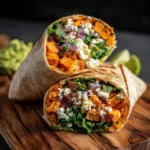
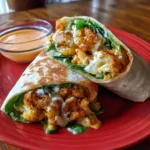
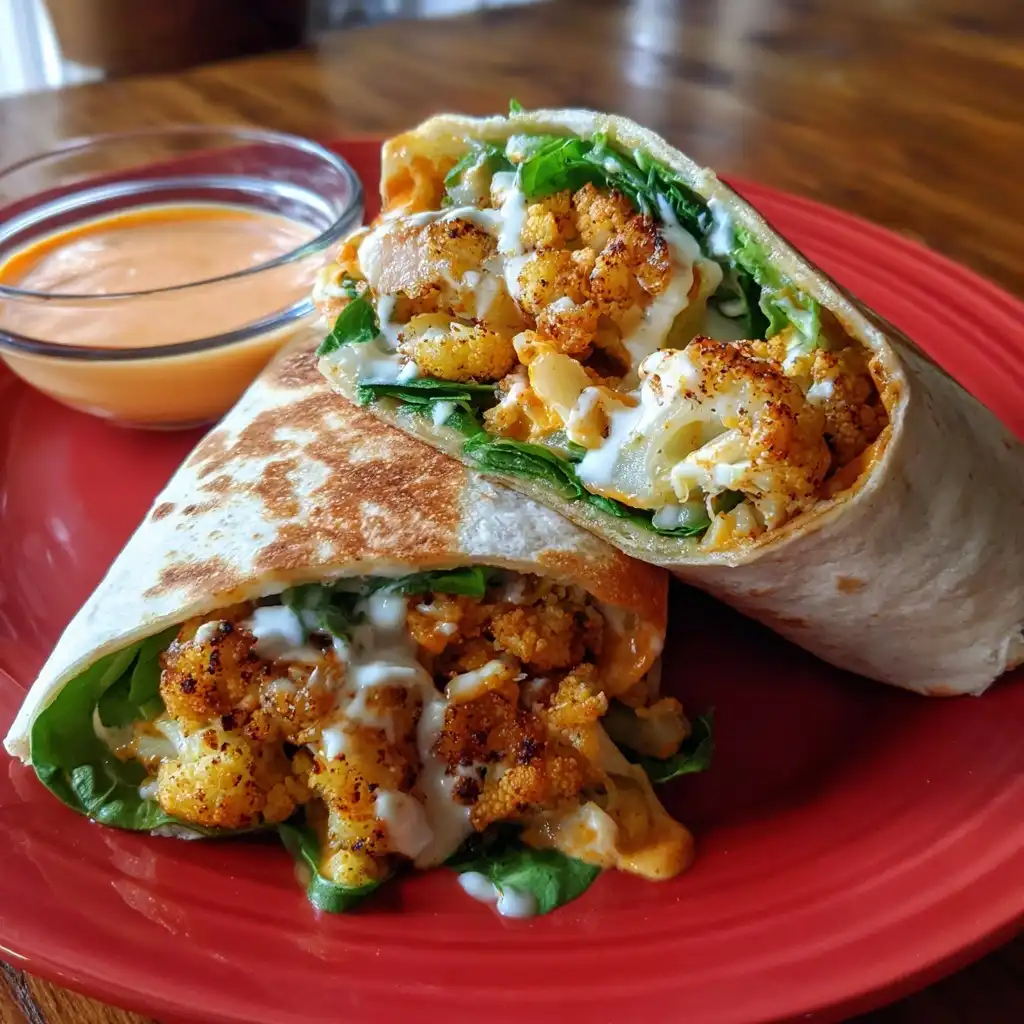
The Buffalo Cauliflower Wrap is a vibrant, plant-powered reinvention of the classic Buffalo wing experience—crafted for vegans, vegetarians, flexitarians, and health-conscious food lovers alike. It transforms humble cauliflower into a bold, spicy, tangy, and satisfying handheld meal that delivers crunch, heat, creaminess, and freshness in every bite. Unlike traditional wraps loaded with processed meats or heavy cheeses, this version celebrates whole-food ingredients, smart flavor layering, and textural contrast—making it ideal for lunchboxes, meal prep, post-workout fuel, or even game-day snacking without the guilt. Whether you’re craving that signature Buffalo kick or simply seeking a nutrient-dense, high-fiber, low-calorie wrap that doesn’t compromise on satisfaction, this recipe bridges indulgence and wellness seamlessly.
The History
The origins of the Buffalo Cauliflower Wrap trace back to the broader rise of “Buffalo-style” vegetable innovations in the early 2010s, sparked by the viral success of Buffalo Cauliflower Bites—a vegan alternative to wings pioneered by chefs and home cooks responding to growing demand for plant-based bar food. Inspired by the iconic Buffalo sauce (invented in 1964 at the Anchor Bar in Buffalo, New York), early adaptations swapped chicken for roasted or air-fried cauliflower florets, leveraging the vegetable’s porous texture to absorb bold, buttery-spicy sauces. As meal-prep culture and wrap-centric dining surged—especially in urban cafés and wellness-focused eateries—the concept evolved: instead of serving bites as appetizers, chefs began integrating them into portable, balanced compositions. The wrap format emerged as the natural next step—offering structure, portability, and the opportunity to add cooling counterpoints (like cashew ranch or avocado crema) and fresh crunch (shredded cabbage, scallions, cilantro). Today, the Buffalo Cauliflower Wrap appears on menus from Los Angeles juice bars to Brooklyn vegan delis, and has become a staple in countless clean-eating blogs, TikTok cooking channels, and registered dietitian meal plans—symbolizing the delicious convergence of comfort food tradition and modern nutritional intelligence.
Ingredients Breakdown
Every element in this wrap plays a distinct, purposeful role—from building umami depth and spice balance to enhancing satiety and micronutrient density. Let’s explore each component in detail:
- Cauliflower: The star. High in fiber, vitamin C, K, and glucosinolates (sulfur-containing compounds linked to antioxidant and anti-inflammatory activity). Its dense-yet-spongy cellular structure makes it uniquely receptive to marinades and crisping methods.
- Buffalo Sauce: Traditionally made from cayenne pepper, vinegar, garlic, and butter—but here we use a vegan version built on melted refined coconut oil (for richness and heat-carrying fat) or vegan butter, organic apple cider vinegar (for brightness and pH balance), smoked paprika (for depth), and cayenne or crushed red pepper flakes (for scalable heat). Optional additions include a splash of tamari for umami or a touch of maple syrup to round acidity.
- Coating Batter: A light, gluten-free, or all-purpose flour blend (often with chickpea or oat flour for added protein and binding) mixed with plant milk (unsweetened almond or oat works best), nutritional yeast (for cheesy, savory notes and B12), garlic powder, onion powder, and a pinch of baking powder (to encourage crispness during roasting or air-frying).
- Wrap Base: We recommend a whole-grain or sprouted grain tortilla (look for brands with minimal ingredients—ideally under 5g added sugar per serving) or a large collard green leaf for a grain-free, ultra-low-carb option. Spinach or purple cabbage leaves also work beautifully for raw, crunchy, phytonutrient-rich alternatives.
- Cooling & Creamy Element: A house-made cashew-based ranch or avocado-lime crema provides essential fat for spice modulation, mouthfeel, and absorption of fat-soluble vitamins (A, E, K) from the vegetables. Soaked raw cashews blended with lemon juice, garlic, dill, white miso paste (for fermented umami), and filtered water yield a luxuriously thick, tangy, probiotic-adjacent dressing.
- Fresh Veggies & Herbs: Shredded red cabbage adds anthocyanin-rich crunch and digestive enzymes; thinly sliced radishes contribute peppery brightness and glucoraphanin; pickled red onions lend acidity and gut-friendly prebiotics; chopped cilantro and scallions deliver volatile oils (like linalool and allicin) with antimicrobial and calming properties.
- Optional Upgrades: Toasted pumpkin seeds (for zinc and magnesium), hemp hearts (for omega-3s and complete protein), crumbled tempeh bacon (fermented soy for gut health), or microgreens (sunflower or broccoli sprouts for sulforaphane potency).
Step-by-Step Recipe
- Prep the Cauliflower: Trim and break one medium head of cauliflower (about 1.5 lbs / 680 g) into uniform 1–1.5-inch florets. Rinse thoroughly and pat *extremely* dry with clean kitchen towels or paper towels—moisture is the #1 enemy of crispiness.
- Make the Batter: In a wide bowl, whisk together ½ cup (60 g) all-purpose or gluten-free flour blend, ¼ cup (30 g) nutritional yeast, 1 tsp garlic powder, 1 tsp onion powder, ½ tsp smoked paprika, ¼ tsp baking powder, and ¼ tsp sea salt. Gradually whisk in ¾ cup (180 ml) unsweetened plain almond milk until smooth and pancake-batter consistency—no lumps. Let rest 5 minutes to hydrate flours fully.
- Coat & Crisp: Preheat oven to 450°F (230°C) with rack positioned in upper third—or preheat air fryer to 400°F (200°C). Dip each floret into batter, letting excess drip off, then place in a single layer on a parchment-lined baking sheet (or air fryer basket). Bake for 20 minutes, flip carefully with tongs, then bake 15–20 more minutes until deeply golden and crisp at edges. For air frying: cook 12 minutes, shake basket, cook 8–10 more minutes until blistered and firm. Cool 5 minutes—this prevents steam from softening the wrap later.
- Prepare the Buffalo Glaze: In a small saucepan over low heat, melt ¼ cup (60 ml) refined coconut oil or vegan butter. Whisk in ⅓ cup (80 ml) hot sauce (Frank’s RedHot or a certified vegan brand), 1 tbsp apple cider vinegar, 1 tsp tamari or coconut aminos, ½ tsp garlic powder, and optional ½ tsp maple syrup. Simmer gently 2–3 minutes—do not boil vigorously—to meld flavors and slightly thicken. Remove from heat.
- Toss & Finish: In a large bowl, gently toss warm (not piping hot) cauliflower with ¾ of the Buffalo glaze using silicone tongs or a heatproof spatula. Let sit 3–5 minutes for absorption, then add remaining glaze if desired for extra sheen and punch.
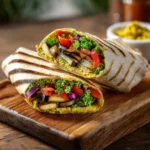
- Assemble the Wrap: Warm your chosen tortilla (10–12 inches) in a dry skillet for 20 seconds per side—or leave raw if using collard greens. Spread 3 tbsp creamy element evenly across center, leaving 1.5-inch border. Layer: ¼ cup shredded red cabbage, 2 tbsp pickled red onions, half the Buffalo cauliflower (approx. 1 cup), 4–5 thin radish slices, generous handful of fresh cilantro and scallions. Optional: sprinkle 1 tbsp toasted pepitas and 1 tsp hemp hearts.
- Wrap Like a Pro: Fold bottom edge up over filling, then fold left and right sides inward, snugly enclosing contents. Roll forward firmly but gently, tucking as you go. For carry-on stability, wrap tightly in parchment paper, then foil—or slice in half diagonally for presentation.
Tips
- Dry cauliflower = crispy cauliflower. After washing, lay florets on triple-layered paper towels and press gently with another towel. Even better: let them air-dry uncovered on a wire rack for 15 minutes before battering.
- Don’t skip the resting step after battering—flour needs time to hydrate fully; otherwise, coating sloughs off during baking.
- Baking vs. Air Frying: Oven yields deeper browning and caramelization; air fryer gives faster, more even crispness with less oil. For maximum crunch, try the “double-bake”: roast once, cool completely, then re-crisp at 425°F for 5–7 minutes before saucing.
- Sauce temperature matters: Toss cauliflower while still warm—not hot—to help glaze adhere without steaming or sogginess. If cauliflower cools too much, briefly reheat in air fryer before tossing.
- Wrap integrity hack: Lightly toast or pan-warm your tortilla—it becomes pliable and less likely to tear. If using collard greens, blanch for 10 seconds in boiling water, then shock in ice water to soften veins and increase flexibility.
- Meal prep like a pro: Roast and sauce cauliflower up to 3 days ahead; store chilled in an airtight container (glaze may soften edges slightly—revive with 3-minute air fry before assembling). Prep all fresh components separately in labeled mason jars for grab-and-go assembly.
- Spice control: Always taste your hot sauce first. Some brands vary wildly in Scoville units. Start with 2 tbsp cayenne-based sauce + 2 tbsp milder chipotle or ancho blend—and adjust to preference.
- Acidity balance: If your Buffalo sauce tastes overly sharp, stir in ¼ tsp date paste or a few drops of liquid stevia instead of refined sugar to preserve glycemic neutrality.
Variations and Customizations
This recipe is gloriously adaptable—designed to honor dietary needs, seasonal availability, pantry constraints, and personal palate preferences. Here are thoughtfully curated variations:
- Gluten-Free Version: Use certified GF oat flour or brown rice flour blend in batter; opt for GF corn tortillas or cassava flour wraps; verify hot sauce and tamari are GF-certified (many contain hidden wheat derivatives).
- Oil-Free / Whole-Food Plant-Based: Skip the coconut oil in Buffalo sauce—use ¼ cup aquafaba (chickpea brine) + 2 tbsp tomato paste + 2 tbsp apple cider vinegar + 1 tsp liquid smoke + spices. For crispiness, bake florets tossed in aquafaba + nutritional yeast mixture at 475°F for 35–40 minutes, flipping halfway.
- Low-Carb / Keto-Friendly: Serve Buffalo cauliflower over massaged kale or romaine cups instead of wraps—or use large portobello caps as “boats.” Replace ranch with a dill-herb avocado crema (avocado, lime, garlic, dill, hemp seed milk).
- Protein-Powered: Add ¼ cup crumbled baked tofu, marinated tempeh strips, or blackened chickpeas alongside the cauliflower. Or mix 2 tbsp pea protein isolate into the batter for extra satiety.
- Global Twists:
- Korean-Inspired: Swap Buffalo sauce for Gochujang-miso glaze (gochujang, white miso, rice vinegar, sesame oil, grated ginger); top with kimchi slaw and toasted sesame.
- Mexican Fiesta: Use chipotle-lime sauce; fill with black bean-corn salsa, jicama slaw, and avocado crema; garnish with pickled jalapeños and cotija-style almond feta.
- Mediterranean Fusion: Toss cauliflower in harissa-tahini glaze; layer with tabbouleh, cucumber ribbons, kalamata olives, and lemon-dill tahini drizzle.
- Kid-Friendly Mild Version: Reduce cayenne to ¼ tsp; boost flavor with roasted garlic paste and sun-dried tomato powder. Serve with mild “buff” dip (cashew yogurt + turmeric + nutritional yeast) for dipping.
- Breakfast Wrap Edition: Add crumbled tofu scramble seasoned with turmeric and black salt (kala namak), sautéed spinach, and a drizzle of sriracha-maple syrup.
- Deconstructed Bowl Option: Skip the wrap entirely—serve Buffalo cauliflower over quinoa or farro, topped with cooling elements, roasted sweet potato cubes, and a lemon-tahini drizzle. Perfect for digestion-friendly, chew-friendly eating.
Health Considerations and Nutritional Value
A single Buffalo Cauliflower Wrap (made with whole-grain tortilla, full glaze, standard toppings, and homemade cashew ranch) delivers approximately 420–480 calories, with a remarkably balanced macro profile: ~18–22g plant-based protein, 14–18g fiber (nearly 60% of daily value), 22–26g healthy fats (mostly monounsaturated and omega-3s from nuts/seeds/avocado), and only 12–16g naturally occurring sugars (zero added sugars when prepared mindfully). From a phytonutrient perspective, it’s a powerhouse: cauliflower contributes sulforaphane (linked to Nrf2 pathway activation and detox support); red cabbage supplies anthocyanins (potent antioxidants shown to support vascular health and cognitive function); garlic and onions offer allicin and quercetin (anti-inflammatory and antiviral compounds); and fermented elements like miso and pickled onions introduce beneficial microbes and prebiotic fibers.
Dietary Accommodations:
- Vegan & Vegetarian: Naturally compliant—just verify hot sauce and tortilla labels.
- Gluten-Sensitive: Easily adapted using GF grains and flours (see Variations section).
- Diabetes-Friendly: Low glycemic load (GL ≈ 12), high fiber slows glucose absorption; omit maple syrup, choose low-sugar tortillas (<5g carbs/serving).
- Heart-Healthy: Zero cholesterol, rich in potassium (cauliflower, spinach), magnesium (pumpkin seeds), and nitrate precursors (beetroot powder optional in glaze).
- Gut-Healing: Fermented miso, raw garlic, prebiotic-rich onions/cabbage, and fiber diversity promote microbiome resilience and intestinal barrier integrity.
Considerations & Modifications:
- Sodium Awareness: Store-bought hot sauces and tortillas can be high in sodium. Opt for low-sodium tamari, make-your-own hot sauce, or rinse canned beans if adding. One wrap typically contains 580–720mg sodium—well within ADA guidelines (<2,300 mg/day) but monitor if managing hypertension.
- Spice Sensitivity: Capsaicin may trigger reflux in some. Substitute smoked paprika + chipotle powder for gentler warmth, or use roasted red pepper purée for color and body without burn.
- Allergen Notes: Contains tree nuts (cashews). For nut-free versions, use sunflower seed ranch or silken tofu-based crema. Ensure tahini is sesame-only (no cross-contact warnings if allergic).
- Pregnancy & Nursing: Safe and highly encouraged—rich in folate (cauliflower), choline (nutritional yeast), and iron (cabbage + pumpkin seeds). Avoid unpasteurized fermented items unless confirmed safe.
Ingredients
Makes 2 large wraps (serves 2)
- For the Buffalo Cauliflower:
- 1 medium head cauliflower (about 1.5 lbs / 680 g), cut into 1–1.5-inch florets
- ½ cup (60 g) all-purpose or gluten-free flour blend
- ¼ cup (30 g) nutritional yeast
- 1 tsp garlic powder
- 1 tsp onion powder
- ½ tsp smoked paprika
- ¼ tsp baking powder
- ¼ tsp fine sea salt
- ¾ cup (180 ml) unsweetened plain almond milk (or oat milk)
- ¼ cup (60 ml) refined coconut oil or vegan butter, melted
- ⅓ cup (80 ml) vegan hot sauce (e.g., Frank’s RedHot, Secret Aardvark, or homemade)
- 1 tbsp raw apple cider vinegar
- 1 tsp tamari or coconut aminos
- ½ tsp pure maple syrup (optional, for balance)
- For the Cashew Ranch:
- ½ cup (75 g) raw unsalted cashews, soaked in hot water 15 min (or cold 4 hrs)
- ¼ cup (60 ml) filtered water (plus more as needed)
- 1 tbsp fresh lemon juice
- 1 small clove garlic, peeled
- 1 tsp white miso paste
- 1 tsp fresh dill (or ¼ tsp dried)
- ¼ tsp onion powder
- ¼ tsp sea salt
- Pinch of black pepper
- For Assembly:
- 2 (10–12 inch) whole-grain or sprouted tortillas — OR 2 large collard green leaves, stems trimmed
- 1 cup (70 g) finely shredded red cabbage
- ¼ cup (40 g) quick-pickled red onions (see note)
- 6–8 thin radish slices
- 2 tbsp chopped fresh cilantro
- 2 tbsp thinly sliced scallions (green parts only)
- 1 tbsp hulled pumpkin seeds (pepitas), toasted
- 1 tsp hemp hearts
Note: Quick-pickle onions — Thinly slice ½ small red onion. Submerge in ¼ cup apple cider vinegar + 1 tsp maple syrup + ½ tsp salt. Let sit 15+ minutes. Drain before using.
Directions
- Prep cauliflower: Wash florets well. Pat *thoroughly* dry with clean towels. Place in a large mixing bowl.
- Make batter: In a separate medium bowl, whisk flour, nutritional yeast, garlic powder, onion powder, smoked paprika, baking powder, and salt. Gradually whisk in almond milk until smooth and lump-free. Let sit 5 minutes.
- Batter & bake: Preheat oven to 450°F (230°C). Line a large baking sheet with parchment. Dip each floret into batter, letting excess drip off. Arrange in single layer. Bake 20 minutes. Flip carefully. Bake 15–20 more minutes until golden-brown and crisp-edged. Cool 5 minutes.
- Make Buffalo glaze: In small saucepan over low heat, melt coconut oil. Whisk in hot sauce, vinegar, tamari, and maple syrup (if using). Simmer gently 2–3 minutes. Remove from heat.
- Toss cauliflower: Gently toss warm cauliflower with ¾ of glaze in large bowl. Let sit 4 minutes. Add remaining glaze if desired for extra shine and flavor.
- Make ranch: Drain soaked cashews. Blend with water, lemon juice, garlic, miso, dill, onion powder, salt, and pepper until ultra-smooth and creamy—scrape down sides, add 1 tsp more water if needed. Chill 10 minutes to thicken.
- Warm tortillas: Heat dry skillet over medium. Warm each tortilla 20 sec per side until pliable. Or blanch collard leaves 10 sec in boiling water, then ice bath.
- Assemble: Spread 3 tbsp ranch across center of each tortilla. Layer cabbage, pickled onions, Buffalo cauliflower, radishes, cilantro, scallions, pepitas, and hemp hearts.
- Wrap & serve: Fold bottom up, fold sides in, roll tightly forward. Slice in half on diagonal. Serve immediately—or wrap in parchment + foil for later.
FAQ
- Can I make this oil-free?
- Yes! Omit coconut oil in glaze and replace with ¼ cup aquafaba + 2 tbsp tomato paste + 1 tsp liquid smoke + spices. For crispiness, toss florets in aquafaba + 2 tbsp nutritional yeast + ½ tsp xanthan gum, then bake at 475°F for 35–40 minutes, flipping halfway.
- Why does my cauliflower get soggy?
- Most commonly due to moisture (not drying florets enough), overcrowded baking sheets (steams instead of roasts), or tossing in warm—not hot—sauce. Also, using too-thick batter or under-baking. Solution: blot, space generously, bake until deep golden, and toss while warm (not scalding).
- Can I freeze Buffalo cauliflower?
- Absolutely. Cool completely, portion into freezer bags (remove air), freeze up to 3 months. Re-crisp in air fryer at 400°F for 6–8 minutes before saucing and wrapping.
- What’s the best vegan hot sauce?
- Look for certifications: Frank’s RedHot (original), Yellowbird Salsa (habanero-based), Cholula (check label—some varieties contain dairy), or homemade blends (cayenne, vinegar, garlic, spices). Avoid Worcestershire unless explicitly vegan (most contain anchovies).
- Is nutritional yeast necessary?
- It adds umami, cheesiness, B12, and helps crispness—but can be omitted. Boost savoriness with 1 tsp mushroom powder or ½ tsp soy sauce in batter.
- How do I prevent the wrap from falling apart?
- Use pliable, warmed tortillas; don’t overfill; tuck tightly; wrap in parchment + foil for carry; or serve deconstructed as a bowl.
- Can I use frozen cauliflower?
- Yes—but thaw completely and *squeeze out all water* using a clean towel. Expect slightly softer texture. Fresh is preferred for optimal crispness.
- What can I use instead of cashews?
- Sunflower seeds (soaked 2 hrs), blanched almonds, silken tofu (½ cup + 1 tbsp lemon + ½ tsp miso), or cooked white beans (cannellini) for nut-free, soy-free, or legume-friendly options.
- How spicy is this recipe?
- Moderate—equivalent to mild-to-medium wings (Scoville ~1,500–3,000). Adjust by reducing cayenne, using smoked paprika-only glaze, or adding roasted red pepper purée for zero-heat depth.
- Can I make this Top 8 Allergen-Free?
- Yes: Use sunflower seed ranch, oat milk, GF certified flours, seed-based hot sauce, and seed butter instead of coconut oil. Confirm all labels for soy, dairy, egg, fish, shellfish, tree nuts, peanuts, wheat.
Summary
The Buffalo Cauliflower Wrap is a nutritionally robust, globally inspired, and endlessly customizable plant-based masterpiece—transforming cruciferous goodness into a crave-worthy, spicy-savory, crunchy-creamy handheld experience that satisfies comfort food desires without compromising wellness goals.
With smart ingredient swaps, mindful prep techniques, and layered flavor science, it delivers exceptional fiber, phytonutrients, and plant protein—making it as functional for athletes and busy professionals as it is joyful for families, vegans, and adventurous eaters seeking bold taste and tangible health benefits in every bite.