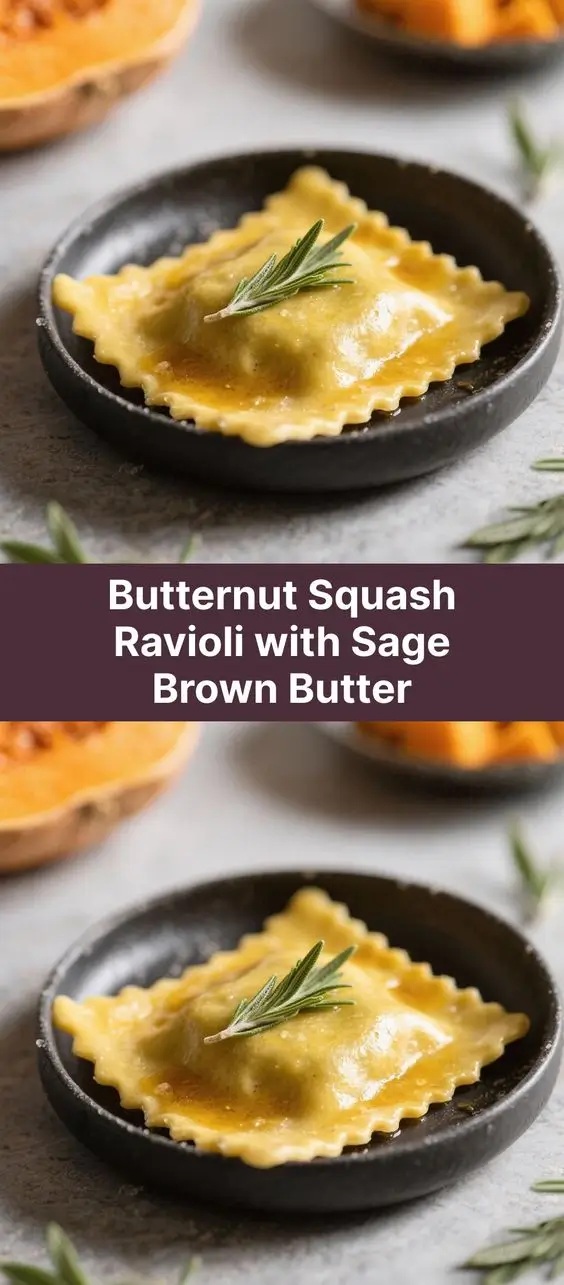
Butternut Squash Ravioli with Sage Brown Butter
Introduction
Indulge in the rich, comforting flavors of autumn with this exquisite dish: Butternut Squash Ravioli with Sage Brown Butter. A perfect marriage of sweet roasted squash and earthy sage, bathed in a nutty, golden brown butter sauce, this homemade pasta creation is more than just a meal—it’s an experience. Whether you’re preparing a romantic dinner for two or impressing guests at a fall gathering, this ravioli dish captures the essence of seasonal cooking at its finest. Silky pasta pockets filled with velvety butternut squash puree, delicately scented with nutmeg and toasted in a fragrant sage-infused butter, deliver a harmony of textures and tastes that linger on the palate. This recipe blends rustic charm with refined technique, making it ideal for both novice and experienced home cooks looking to elevate their culinary repertoire.
The History
Pasta, especially stuffed varieties like ravioli, has deep roots in Italian culinary tradition, dating back to the Middle Ages. The word “ravioli” is believed to derive from the Italian word riavvolgere, meaning “to wrap,” highlighting the concept of enclosing flavorful fillings within dough. Regional variations abound across Italy—Liguria’s delicate cheese-filled ravioli, Emilia-Romagna’s ricotta and spinach versions, and Veneto’s pumpkin-stuffed tortelli all reflect local ingredients and customs. Butternut squash, though not native to Italy, has found its way into modern Italian-American cuisine as a beloved autumnal substitute for traditional pumpkin or zucca.
Brown butter, known as burro nocciola in Italian, has long been used in northern Italian cooking, particularly in regions like Piedmont and Lombardy, where butter takes precedence over olive oil. Its deep, toasty flavor enhances delicate dishes without overpowering them. The addition of fresh sage—a herb commonly grown in Italian kitchen gardens—adds aromatic complexity. Over time, American chefs and home cooks have embraced these European techniques, adapting them with New World ingredients like butternut squash to create fusion classics. Today, Butternut Squash Ravioli with Sage Brown Butter stands as a testament to this delicious cross-cultural evolution, celebrating seasonal produce through time-honored methods.
Ingredients Breakdown
The magic of this dish lies in the quality and balance of its components. Each ingredient plays a vital role in building layers of flavor and texture:
- Butternut Squash: The star of the filling, offering natural sweetness and creamy consistency when roasted. Choose a firm, heavy squash with smooth skin for optimal flavor and moisture content.
- Fresh Pasta Dough (or store-bought): Homemade dough made from “00” flour provides superior texture—silky, tender, and pliable. Eggs add richness and help bind the dough, while a touch of olive oil improves elasticity.
- Unsalted Butter: Essential for the brown butter sauce. Using unsalted allows control over seasoning and ensures purity of flavor as it transforms into a nutty, aromatic sauce.
- Fresh Sage Leaves: These woody herbs infuse the butter with a warm, slightly peppery aroma. Fresh is crucial—dried sage lacks the vibrancy needed for this dish.
- Grated Parmesan Cheese: Adds umami depth and saltiness to the filling, enhancing the squash’s natural sugars.
- Nutmeg: Just a pinch amplifies the warmth of the squash without dominating. Always use freshly grated nutmeg for maximum potency.
- Egg Yolk (for binding): Helps hold the filling together and adds creaminess without making it wet.
- Salt and White Pepper: Seasoning agents that enhance overall flavor. White pepper is preferred for its subtle heat and lack of visible specks in light-colored dishes.
- All-Purpose or “00” Flour (for dusting): Prevents sticking during rolling and shaping.
- Water and Salt (for boiling): Heavily salted water seasons the pasta from within as it cooks.
Step-by-Step Recipe
Part 1: Roasting the Butternut Squash
- Preheat your oven to 400°F (200°C).
- Peel one medium butternut squash (about 2 pounds), cut it in half lengthwise, and scoop out the seeds.
- Cut the squash into 1-inch cubes and spread them evenly on a parchment-lined baking sheet.
- Drizzle with 1 tablespoon of olive oil, season lightly with salt, and toss to coat.
- Roast for 35–40 minutes, flipping halfway through, until deeply caramelized and fork-tender.
- Remove from the oven and let cool slightly. Transfer to a food processor and blend into a smooth puree. Set aside to cool completely.
Part 2: Making the Pasta Dough (Optional – Can Use Store-Bought)
- In a large mound on a clean work surface, place 2 cups of “00” flour and make a well in the center.
- Crack 3 large eggs into the well, add 1 teaspoon olive oil, and gently beat with a fork.
- Gradually incorporate flour from the edges until a shaggy dough forms.
- Knead by hand for 8–10 minutes until smooth, elastic, and no longer sticky. Wrap in plastic and rest at room temperature for 30 minutes.
Part 3: Preparing the Filling
- In a bowl, combine 1½ cups of cooled butternut squash puree, ½ cup freshly grated Parmesan cheese, 1 egg yolk, ¼ teaspoon ground nutmeg, ¼ teaspoon salt, and a pinch of white pepper.
- Mix thoroughly until uniform. Taste and adjust seasoning if necessary. Cover and refrigerate for at least 20 minutes to firm up.
Part 4: Rolling and Shaping the Ravioli
- Divide rested pasta dough into 4 equal portions. Keep unused pieces covered.
- Using a pasta roller or rolling pin, flatten one portion into a thin sheet (setting #6 or ~1/16 inch thick).
- Lay the sheet on a floured surface. Place teaspoon-sized mounds of filling every 2 inches along the dough.
- Brush around each mound with water to seal. Carefully lay a second sheet of pasta over the top.
- Gently press around each mound to remove air pockets and seal the edges.
- Use a ravioli cutter, knife, or pastry wheel to cut individual ravioli. Crimp edges with a fork for decoration and extra sealing.
- Place finished ravioli on a floured tray, not touching, and cover loosely with a towel until ready to cook.
Part 5: Cooking the Ravioli
- Bring a large pot of salted water (at least 2 tablespoons salt per 6 quarts) to a gentle boil.
- Working in batches, carefully lower ravioli into the water. Stir gently to prevent sticking.
- Cook for 3–4 minutes, or until they float and the pasta is al dente.
- Use a slotted spoon to transfer cooked ravioli to a plate lined with parchment to drain excess water.
Part 6: Preparing the Sage Brown Butter Sauce
- In a large skillet over medium heat, melt ½ cup (1 stick) unsalted butter.
- Swirl occasionally; after about 4–5 minutes, the butter will foam, then turn golden with a nutty aroma.
- At this stage, add 8–10 fresh sage leaves and continue cooking for another 30–60 seconds, allowing the leaves to crisp slightly and the butter to deepen in color (be careful not to burn).
- Immediately remove from heat once the butter reaches a rich amber hue.
Part 7: Assembling the Dish
- Add cooked ravioli to the warm sage brown butter and gently toss to coat—do not stir vigorously.
- Transfer to warmed serving plates.
- Drizzle with additional sauce, sprinkle with extra grated Parmesan, and garnish with crispy sage leaves and a crack of black pepper.
Tips
- Make Ahead: Prepare the squash filling and pasta dough up to 2 days in advance. Store filling in an airtight container in the fridge. Freeze uncooked ravioli on a tray before transferring to a bag—cook directly from frozen, adding 1–2 minutes to boiling time.
- Avoid Soggy Ravioli: Ensure the squash puree is fully cooled and thick. If watery, strain through cheesecloth or simmer gently to reduce moisture.
- Perfect Brown Butter: Watch closely—browning happens quickly. Remove from heat just before desired color, as residual heat continues the process.
- Uniform Size: Keep filling mounds consistent for even cooking.
- Flour Wisely: Dust hands and surfaces lightly to prevent dry, cracked edges when sealing.
- Don’t Crowd the Pot: Boil ravioli in batches to maintain water temperature and prevent sticking.
- Warm Plates: Serve immediately on pre-warmed plates to keep the dish hot.
Variations and Customizations
- Dairy-Free Option: Replace Parmesan with nutritional yeast and use vegan butter for the sauce. Ensure pasta is egg-free using a plant-based dough alternative.
- Gluten-Free Ravioli: Use a gluten-free pasta dough blend (containing xanthan gum for elasticity) or buy GF wonton wrappers for easier assembly.
- Herb Variations: Substitute or complement sage with thyme, rosemary, or marjoram in the butter or filling.
- Protein Boost: Mix crumbled goat cheese, ricotta, or mascarpone into the filling for added creaminess and richness.
- Spiced Twist: Add a pinch of cinnamon, ginger, or cardamom to the filling for a warmer profile.
- Walnut Crunch: Toast chopped walnuts and sprinkle over finished dish for textural contrast.
- Pumpkin Swap: Use roasted sugar pumpkin or acorn squash instead of butternut for subtle flavor differences.
- Meat Addition:
Health Considerations and Nutritional Value
While undeniably decadent, Butternut Squash Ravioli can be part of a balanced diet when enjoyed in moderation and prepared with mindful adjustments.
Nutritional Highlights:
- Butternut Squash: Low in calories and high in fiber, vitamin A (as beta-carotene), vitamin C, potassium, and antioxidants. Supports immune function, eye health, and digestion.
- Eggs and Cheese: Provide high-quality protein, choline, and calcium—but also saturated fat and cholesterol. Opt for moderate portions.
- Butter: While calorie-dense, contains fat-soluble vitamins (A, D, E, K) and contributes to satiety. Brown butter may have slightly reduced water content but remains high in fat.
- Pasta: A source of carbohydrates for energy. Whole grain or legume-based pasta increases fiber and protein content.
Health Tips:
- Reduce butter quantity by half and add a splash of reserved pasta water to stretch the sauce.
- Use whole wheat “00” flour or semolina blend for increased fiber in homemade pasta.
- Limit cheese in the filling or choose a stronger-flavored aged Parmesan to use less.
- Serve with a side salad of bitter greens (arugula, radicchio) dressed in lemon vinaigrette to balance richness.
- Practice portion control—one serving is typically 8–10 ravioli with a modest sauce.
Ingredients
For the Butternut Squash Filling:
- 1 medium butternut squash (about 2 lbs), peeled, seeded, and cubed
- 1 tbsp olive oil
- Salt, to taste
- ½ cup freshly grated Parmesan cheese
- 1 large egg yolk
- ¼ tsp ground nutmeg (preferably fresh)
- ¼ tsp salt
- Pinch of white pepper
For the Pasta Dough (Makes ~30 Ravioli):
- 2 cups “00” flour or all-purpose flour
- 3 large eggs
- 1 tsp olive oil
- Pinch of salt
- Additional flour for dusting
For the Sage Brown Butter Sauce:
- ½ cup (1 stick) unsalted butter
- 8–10 fresh sage leaves
For Cooking and Serving:
- 6 quarts water
- 2 tbsp salt (for pasta water)
- Extra grated Parmesan, for garnish
- Additional sage leaves, crisped
- Freshly cracked black pepper
Directions
- Roast the Squash: Preheat oven to 400°F. Toss cubed squash with olive oil and salt. Roast for 35–40 minutes until soft and caramelized. Cool, then puree until smooth. Refrigerate until firm.
- Make the Pasta Dough: Mound flour on counter, create a well, add eggs, oil, and salt. Mix gradually, knead until smooth. Rest covered for 30 minutes.
- Prepare the Filling: Combine cooled squash puree, Parmesan, egg yolk, nutmeg, salt, and pepper. Mix well, chill for 20+ minutes.
- Roll and Cut Pasta Sheets: Divide dough into 4. Roll each piece thinly using a pasta machine or rolling pin.
- Assemble Ravioli: Place filling mounds on one sheet, moisten around them, cover with second sheet, press to seal, cut into squares. Place on floured tray.
- Cook Ravioli: Bring heavily salted water to a boil. Cook ravioli in batches for 3–4 minutes until they float. Remove with slotted spoon.
- Make Sage Brown Butter: Melt butter over medium heat. Swirl until golden brown and nutty. Add sage leaves, cook 30 seconds until crisp. Remove from heat.
- Toss and Serve: Gently fold cooked ravioli into warm sage brown butter. Plate immediately. Garnish with extra Parmesan, crispy sage, and black pepper.
FAQ
Q: Can I make this ravioli ahead of time?
A: Yes! Unfilled pasta sheets can be wrapped and refrigerated for up to 24 hours. Assembled (uncooked) ravioli can be frozen on a tray, then stored in a bag for up to 3 months. Cook directly from frozen.
Q: Why did my ravioli burst while cooking?
A: This usually happens due to trapped air or insufficient sealing. Press firmly around each mound to eliminate air pockets, and ensure edges are well-moistened and sealed tightly.
Q: Can I use canned butternut squash puree?
A: While convenient, canned puree often contains added water or preservatives and may result in a soggy filling. For best results, roast fresh squash and make your own puree.
Q: How do I store leftovers?
A: Leftover cooked ravioli can be kept in an airtight container in the refrigerator for up to 2 days. Reheat gently in a pan with a little butter or broth to prevent drying.
Q: Is brown butter the same as ghee?
A: No. Brown butter (beurre noisette) is butter cooked until milk solids caramelize, giving it a nutty flavor, but it still contains milk solids and water. Ghee is clarified butter with milk solids removed, making it lactose-free and higher in smoke point.
Q: Can I bake the ravioli instead of boiling?
A: Traditionally, ravioli are boiled. However, you can assemble them in a baking dish, cover with sauce, and bake at 375°F for 20–25 minutes for a casserole-style version.
Q: What wine pairs well with this dish?
A: A medium-bodied white such as Pinot Grigio, Viognier, or oaked Chardonnay complements the richness. For red lovers, a light Pinot Noir works beautifully.
Summary
Butternut Squash Ravioli with Sage Brown Butter is a luxurious yet approachable dish that celebrates autumn’s bounty with silken pasta parcels filled with sweet, roasted squash and bathed in a fragrant, nutty butter sauce infused with crisp sage.
Perfect for special occasions or cozy nights in, this recipe combines traditional Italian craftsmanship with seasonal American flavors, resulting in a memorable meal that delights the senses and warms the soul.