Cabbage Stir-Fry with Chicken: A Flavorful and Nutritious One-Pan Wonder
Introduction
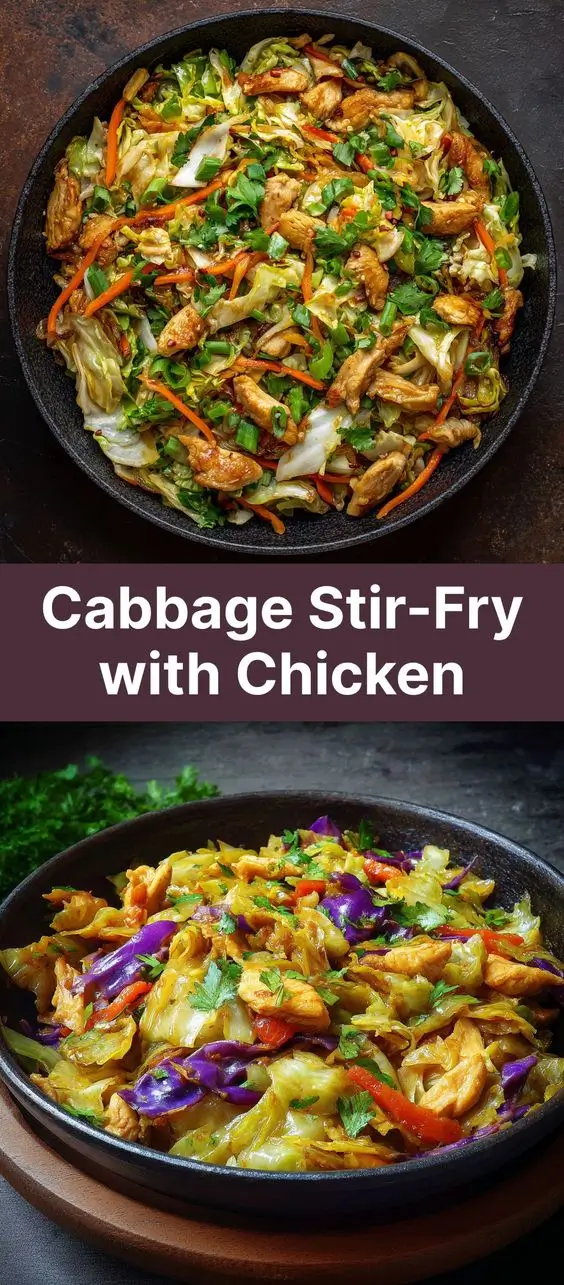
Cabbage stir-fry with chicken is a vibrant, healthy, and satisfying dish that brings together the crisp texture of fresh cabbage with tender, savory pieces of chicken. This quick-cooking recipe is perfect for busy weeknights yet elegant enough to serve guests. Whether you’re looking to increase your vegetable intake, maintain a balanced diet, or simply enjoy bold Asian-inspired flavors, this stir-fry delivers on all fronts. With its harmonious blend of garlic, ginger, soy sauce, and chili, it’s a meal that satisfies both comfort food cravings and health-conscious goals.
Originating from East and Southeast Asian culinary traditions, stir-frying has long been prized for its ability to preserve nutrients while enhancing flavor through high-heat cooking. Cabbage—whether green, Napa, or red—is a staple in many cultures due to its versatility, affordability, and nutritional benefits. Paired with lean chicken breast or thigh, this dish becomes a complete protein-rich meal that’s low in calories but high in taste. In this comprehensive guide, we’ll walk you through every aspect of making the perfect cabbage stir-fry with chicken—from ingredient selection and step-by-step instructions to customizations, health insights, and expert tips.
The History
The art of stir-frying dates back over 2,000 years to ancient China, where woks were first developed during the Han Dynasty (206 BCE–220 CE). The technique was designed to cook food quickly over intense heat using minimal oil, preserving both texture and nutritional value. Originally used by peasants and laborers who needed fast meals, stir-frying evolved into a refined culinary method embraced across Asia and eventually worldwide.
Cabbage itself has a rich history, cultivated since at least the 4th century BCE in Europe and later introduced to Asia through trade routes. In Chinese cuisine, napa cabbage became especially prominent in dishes like hot pots, pickles (such as kimchi in Korea), and stir-fries. Over time, regional variations emerged—Japanese versions might include sesame oil and mirin, Thai renditions often feature fish sauce and chili, while Cantonese-style stir-fries emphasize oyster sauce and garlic.
Chicken, being one of the most widely consumed meats globally, naturally found its way into countless stir-fry recipes. Its mild flavor makes it an ideal canvas for absorbing sauces and spices. When combined with cabbage—a cruciferous vegetable known for its durability under heat—the pairing creates a balanced dish that’s both economical and nutritious. Today, cabbage stir-fry with chicken stands as a modern fusion classic, beloved in home kitchens and restaurants alike for its simplicity and depth of flavor.
Ingredients Breakdown
To create a delicious and well-balanced cabbage stir-fry with chicken, selecting high-quality ingredients is essential. Each component plays a role in building layers of flavor, texture, and nutrition. Below is a detailed breakdown of the key ingredients and their contributions:
- Chicken Breast or Thighs (1 lb / 450g): Boneless, skinless chicken breasts are lean and tender when sliced thinly and cooked quickly. Alternatively, chicken thighs offer richer flavor and juicier texture due to higher fat content. Both work beautifully; choose based on preference.
- Cabbage (1 medium head, about 2 lbs / 900g): Green cabbage provides crunch and slight sweetness. Napa cabbage offers a more delicate, leafy texture and milder taste, while red cabbage adds color and a slightly peppery note. You can use one type or a mix for variety.
- Garlic (4 cloves): Minced fresh garlic adds pungency and depth. It’s one of the foundational aromatics in stir-fries and should be added early to infuse the oil without burning.
- Fresh Ginger (1-inch piece): Grated or finely minced, ginger contributes warmth and a citrusy zing that complements the savory elements.
- Green Onions (3–4 stalks): Sliced into rounds, these add freshness and mild onion flavor. Use both white and green parts—white for cooking, green for garnish.
- Vegetable Oil or Peanut Oil (2–3 tbsp): High smoke point oils are crucial for stir-frying. They prevent burning and help achieve that signature sear.
- Soy Sauce (3 tbsp): Regular or low-sodium soy sauce forms the base of the sauce. It provides saltiness and umami. For gluten-free options, use tamari.
- Oyster Sauce (1–2 tbsp): Adds richness and a subtle sweetness. Vegetarian oyster sauce (made from mushrooms) is available for plant-based diets.
- Sesame Oil (1 tsp): Used sparingly at the end, toasted sesame oil imparts a nutty aroma that elevates the entire dish.
- Rice Vinegar or Apple Cider Vinegar (1 tbsp): A touch of acidity brightens the flavors and cuts through richness.
- Red Pepper Flakes or Fresh Chili (optional): For heat lovers, a pinch of red pepper flakes or sliced bird’s eye chili adds a spicy kick.
- Cornstarch (1 tsp): Mixed with water or broth, it thickens the sauce slightly, helping it cling to the vegetables and chicken.
- Broth or Water (¼ cup): Used to deglaze the pan and form the sauce base. Chicken or vegetable broth enhances flavor.
- Salt and Black Pepper (to taste): Essential seasonings to balance overall flavor.
- Sesame Seeds (for garnish, optional): Toasted white or black sesame seeds add visual appeal and a pleasant crunch.
Step-by-Step Recipe
- Prepare Ingredients: Slice the chicken into thin strips, about ¼ inch thick. Cut the cabbage into thin shreds—remove the tough core first. Mince garlic and ginger. Chop green onions. Measure out all sauces and keep them nearby, as stir-frying moves quickly.
- Marinate Chicken (Optional but Recommended): In a small bowl, toss chicken with 1 tbsp soy sauce, 1 tsp cornstarch, and a dash of black pepper. Let sit for 10–15 minutes. This helps tenderize the meat and improves sauce adhesion.
- Heat the Wok or Skillet: Place a large wok or heavy-bottomed skillet over high heat. Add 1 tablespoon of oil and swirl to coat the surface evenly. Wait until the oil shimmers—this indicates proper temperature.
- Cook the Chicken: Add the marinated chicken in a single layer. Avoid overcrowding; cook in batches if necessary. Stir-fry for 3–4 minutes until golden brown and fully cooked. Remove and set aside on a plate.
- Sauté Aromatics: Add another tablespoon of oil to the same pan. Lower heat slightly if needed, then add garlic, ginger, and the white parts of green onions. Stir constantly for 30 seconds until fragrant—do not let them burn.
- Add Cabbage: Increase heat back to high. Add shredded cabbage and stir-fry for 2–3 minutes until it begins to soften but still retains some crunch.
- Create the Sauce: In a small bowl, whisk together remaining soy sauce, oyster sauce, rice vinegar, broth, and cornstarch. Pour the mixture over the cabbage.
- Combine Everything: Return the cooked chicken to the pan. Toss everything together and continue stir-frying for 2–3 more minutes until the sauce thickens and coats the ingredients evenly. The cabbage should be tender-crisp.
- Finish with Sesame Oil: Turn off the heat. Drizzle in sesame oil and give one final toss. Taste and adjust seasoning—add more soy sauce for saltiness, vinegar for tang, or red pepper flakes for heat.
- Garnish and Serve: Transfer to a serving platter. Top with sliced green onion tops and a sprinkle of sesame seeds. Serve immediately with steamed rice, noodles, or on its own.
Tips
- Use High Heat: Stir-frying relies on rapid cooking at very high temperatures. Ensure your stove and pan are hot enough before adding ingredients.
- Prep Ahead: Have all ingredients chopped, measured, and within reach. Once you start cooking, there’s no time to chop or measure.
- Don’t Overcrowd the Pan: Adding too much at once lowers the temperature and causes steaming instead of searing. Cook chicken in batches if needed.
- Keep Moving the Food: Constant stirring prevents burning and ensures even cooking.
- Control Cabbage Texture: For crisper cabbage, reduce cooking time. For softer texture, cover briefly after adding liquid to steam slightly.
- Boost Umami: Add a splash of fish sauce or a teaspoon of miso paste to deepen flavor complexity.
- Reserve Some Raw Cabbage: For extra crunch, reserve a handful of raw cabbage and mix it in just before serving—it wilts slightly from residual heat.
- Double the Sauce: If serving over rice or noodles, make extra sauce so the dish remains moist and flavorful.
- Reheat Properly: Reheat leftovers in a pan over medium heat with a splash of water or broth to revive texture. Microwaving may make cabbage soggy.
- Use a Carbon Steel Wok: Traditional carbon steel distributes heat better than non-stick pans and develops a natural non-stick patina over time.
Variations and Customizations
This cabbage stir-fry with chicken is highly adaptable. Here are numerous ways to personalize it to suit dietary needs, flavor preferences, or what you have on hand:
- Vegetarian/Vegan Version: Omit chicken and replace with tofu, tempeh, or mushrooms (shiitake or oyster mushrooms work best). Use vegetarian oyster sauce and ensure all other sauces are vegan-friendly.
- Gluten-Free Option: Substitute soy sauce with tamari or coconut aminos. Check labels on oyster sauce—some brands contain wheat.
- Keto/Low-Carb Adaptation: Reduce or omit sugar-containing sauces. Replace cornstarch with xanthan gum or arrowroot powder. Serve with cauliflower rice.
- Spicy Sichuan Style: Add Sichuan peppercorns (toasted and ground) and doubanjiang (spicy bean paste) for numbing heat and deep flavor.
- Thai-Inspired Twist: Swap soy sauce for fish sauce, add lime juice, kaffir lime leaves, and Thai basil. Top with crushed peanuts.
- Korean-Influenced: Use gochujang (Korean chili paste) in the sauce and add carrots, bell peppers, and a drizzle of sesame oil. Garnish with kimchi on the side.
- Add More Veggies: Include sliced carrots, bell peppers, broccoli, snap peas, bok choy, or mushrooms for added color, texture, and nutrients.
- Noodle Stir-Fry Fusion: Toss the finished stir-fry with cooked soba, udon, or rice noodles for a hearty one-bowl meal.
- Pineapple Addition: Add fresh pineapple chunks for a sweet-tart contrast that pairs wonderfully with chicken and cabbage.
- Nutty Crunch: Stir in cashews, almonds, or walnuts during the last minute of cooking for added protein and texture.
- Hoisin-Ginger Glaze: Replace oyster sauce with hoisin sauce for a sweeter, thicker glaze with hints of garlic and five-spice.
- Coconut Milk Creaminess: Add a splash of light coconut milk to the sauce for a creamy, mildly tropical twist.
Health Considerations and Nutritional Value
Cabbage stir-fry with chicken isn’t just delicious—it’s also packed with health-promoting properties. Here’s a closer look at why this dish deserves a regular spot in your meal rotation:
- Low in Calories, High in Volume: One serving (approx. 1.5 cups) contains roughly 280–320 calories, depending on oil and portion size. It’s filling due to fiber and water content in cabbage.
- Rich in Vitamins and Minerals: Cabbage is an excellent source of vitamin C (supports immunity), vitamin K (essential for blood clotting and bone health), and folate. It also contains smaller amounts of potassium, manganese, and vitamin B6.
- Antioxidant Powerhouse: Cruciferous vegetables like cabbage contain glucosinolates, sulfur-containing compounds that break down into bioactive substances such as sulforaphane, which have been studied for their potential cancer-preventive effects.
- Supports Digestive Health: The dietary fiber in cabbage promotes healthy digestion and gut microbiome balance. Fermented cabbage (like sauerkraut) boosts probiotics, though this recipe uses fresh.
- Lean Protein Source: Chicken provides high-quality protein (about 25–30g per serving), aiding muscle repair, satiety, and metabolic function.
- Heart-Healthy Fats: Using unsaturated oils like peanut or avocado oil supports cardiovascular health. Limiting sodium via low-sodium soy sauce helps manage blood pressure.
- Anti-Inflammatory Benefits: Ginger and garlic both possess anti-inflammatory and antimicrobial properties, contributing to overall wellness.
- Blood Sugar Friendly: With moderate carbohydrates and high fiber/protein content, this dish has a low glycemic load, making it suitable for diabetics when portion-controlled.
- Weight Management Support: High-volume, low-energy-density foods like cabbage help you feel full without excess calories—ideal for weight loss or maintenance.
- Consider Sodium Levels: Soy sauce and oyster sauce can be high in sodium. To reduce intake, opt for reduced-sodium versions, dilute with water, or use herbs and spices to enhance flavor without salt.
Ingredients
- 1 lb (450g) boneless, skinless chicken breast or thighs, thinly sliced
- 1 medium head green, Napa, or red cabbage, cored and shredded
- 4 cloves garlic, minced
- 1-inch piece fresh ginger, grated
- 3–4 green onions, sliced (whites and greens separated)
- 2–3 tablespoons vegetable or peanut oil, divided
- 3 tablespoons soy sauce (or tamari for gluten-free)
- 1–2 tablespoons oyster sauce (vegetarian version available)
- 1 tablespoon rice vinegar or apple cider vinegar
- 1 teaspoon toasted sesame oil
- ¼ cup low-sodium chicken or vegetable broth (or water)
- 1 teaspoon cornstarch
- ½ teaspoon red pepper flakes (optional)
- Salt and freshly ground black pepper, to taste
- 1 teaspoon sesame seeds, for garnish
Directions
- In a bowl, combine chicken slices with 1 tablespoon soy sauce, 1 teaspoon cornstarch, and a pinch of black pepper. Marinate for 10–15 minutes.
- Shred the cabbage into thin strips. Mince garlic, grate ginger, and slice green onions. Set aside.
- Heat 1 tablespoon oil in a wok or large skillet over high heat. Add marinated chicken in a single layer and stir-fry for 3–4 minutes until cooked through. Remove and set aside.
- Add another tablespoon of oil to the pan. Add garlic, ginger, and white parts of green onions. Stir-fry for 30 seconds until aromatic.
- Add shredded cabbage and stir-fry for 2–3 minutes until slightly wilted but still crisp.
- In a small bowl, mix remaining soy sauce, oyster sauce, rice vinegar, broth, and cornstarch. Pour into the pan with cabbage.
- Return chicken to the pan. Stir well and cook for 2–3 more minutes until sauce thickens and coats ingredients.
- Turn off heat. Stir in sesame oil and adjust seasoning with salt, pepper, or red pepper flakes.
- Transfer to a serving dish. Garnish with green onion tops and sesame seeds.
- Serve hot with steamed rice, quinoa, or noodles.
FAQ
Can I make this ahead of time?
Yes, you can prep ingredients up to a day in advance and store them separately in the fridge. However, stir-fry is best made fresh. Leftovers keep well for 3–4 days in an airtight container but may lose some crispness upon reheating.
Can I freeze cabbage stir-fry?
While technically possible, freezing can alter the texture of cabbage, making it softer and watery upon thawing. It’s recommended to enjoy this dish fresh or refrigerated.
What kind of cabbage works best?
Green cabbage offers crunch and mild sweetness. Napa cabbage is more tender and absorbs sauce well. Red cabbage adds color and a slightly spicier bite. Mix them for variety!
How do I prevent soggy cabbage?
Avoid covering the pan unless steaming intentionally. Cook over high heat with minimal liquid and don’t overcook—aim for tender-crisp.
Is this dish gluten-free?
Only if you use tamari instead of soy sauce and verify that oyster sauce is gluten-free (or use mushroom-based alternative).
Can I use frozen chicken?
It’s best to thaw chicken completely before cooking for even texture and food safety. Partially frozen chicken won’t sear properly and may release excess moisture.
What can I substitute for oyster sauce?
Hoisin sauce, teriyaki sauce, or a mix of soy sauce and molasses can mimic its sweetness and thickness. For umami, add a dash of Worcestershire (check for anchovies) or mushroom powder.
Can I make this in an electric wok or non-stick pan?
Absolutely! While traditional carbon steel gives the best results, any heavy skillet or electric wok will work. Just ensure it reaches high heat.
Why did my sauce turn out too thin/thick?
Too thin: Simmer longer or add a cornstarch slurry (1 tsp cornstarch + 1 tbsp water). Too thick: Add a splash of broth or water and stir.
Can I add eggs?
Yes! Push the stir-fry to one side, add a little oil, and scramble an egg or two in the pan. Mix into the dish before serving for extra protein.
Summary
Cabbage stir-fry with chicken is a quick, healthy, and deeply flavorful dish that combines tender chicken, crisp cabbage, and a savory-sweet sauce infused with garlic, ginger, and umami-rich seasonings. Perfect for weeknight dinners, meal prep, or impressing guests, this versatile stir-fry adapts easily to dietary needs and global flavor profiles.