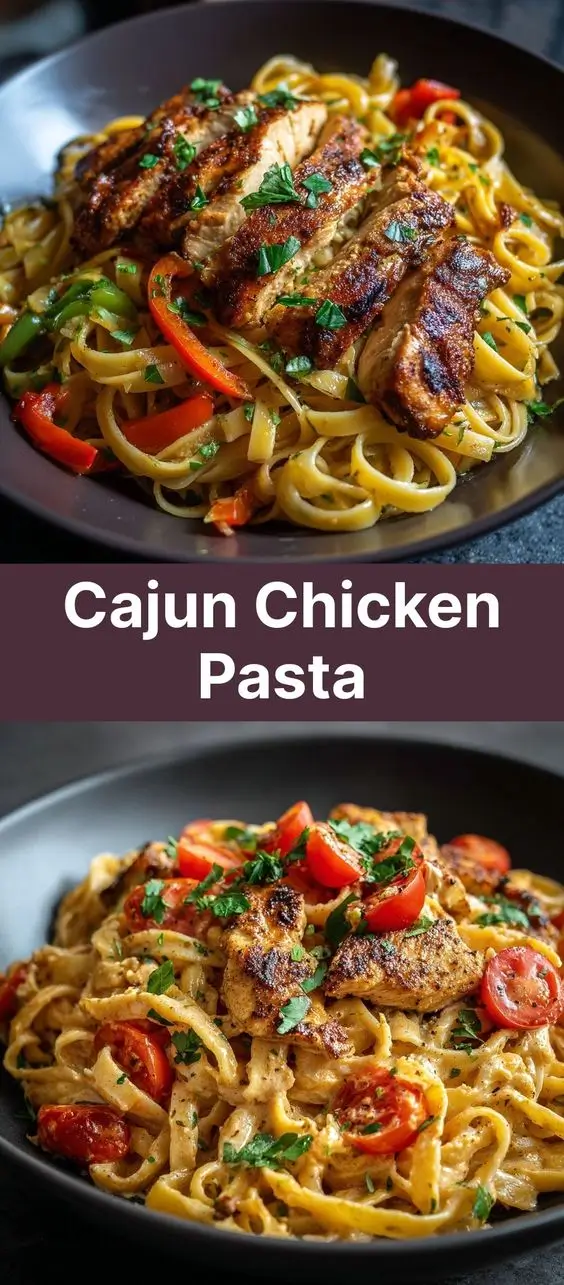
Cajun Chicken Pasta: A Flavorful Southern Delight
If you’re craving a dish that combines bold spices, tender chicken, and perfectly cooked pasta in a creamy sauce, look no further than Cajun Chicken Pasta. This modern classic brings together the vibrant flavors of Louisiana-style cooking with the comforting appeal of Italian pasta dishes. Loved by home cooks and food enthusiasts alike, it’s a go-to weeknight meal that doesn’t skimp on taste or satisfaction.
The History of Cajun Cuisine and Its Influence on This Dish
To truly appreciate Cajun Chicken Pasta, one must understand its roots in the rich culinary traditions of southern Louisiana. The term “Cajun” refers to descendants of French-speaking Acadians who were expelled from Canada’s Maritime provinces (modern-day Nova Scotia) in the 18th century and eventually settled in rural areas of Louisiana. Over time, their cuisine evolved through a blend of French cooking techniques and local ingredients such as crawfish, rice, peppers, onions, garlic, and smoked meats.
Unlike Creole cuisine—which tends to use more tomatoes and cream—traditional Cajun food is known for its “holy trinity” of onion, bell pepper, and celery, along with generous use of spices like cayenne pepper, paprika, garlic powder, and black pepper. While classic Cajun dishes include gumbo, jambalaya, and étouffée, modern interpretations have led to fusion recipes like Cajun Chicken Pasta. This dish isn’t historically authentic but represents how global palates are embracing bold regional flavors in new forms.
Cajun Chicken Pasta gained popularity in American households during the late 1990s and early 2000s, especially after being featured in various cooking magazines, blogs, and television segments. It became a favorite due to its quick preparation time, minimal ingredient list, and restaurant-quality results—all achievable in a home kitchen.
Ingredients Breakdown: What Makes This Dish Shine
The magic of Cajun Chicken Pasta lies not just in individual components, but in how they come together to create a symphony of flavor, texture, and aroma. Here’s a detailed look at each key ingredient:
- Chicken Breast: Boneless, skinless chicken breasts are ideal because they absorb seasoning well and remain juicy when cooked properly. You can substitute with thighs for a richer, more tender bite.
- Cajun Seasoning: This spice blend is the heart and soul of the dish. Most store-bought versions contain paprika, garlic powder, onion powder, cayenne pepper, oregano, thyme, salt, and black pepper. Homemade blends allow better control over heat levels and sodium content.
- Pasta: Fettuccine is commonly used for its ability to hold creamy sauces, but penne, linguine, or farfalle also work beautifully. Whole wheat or gluten-free alternatives can be substituted depending on dietary needs.
- Heavy Cream: Provides richness and smoothness to the sauce. For lighter variations, half-and-half or even coconut milk can be used, though the final texture will differ slightly.
- Butter & Olive Oil: Used together to sauté ingredients—butter adds flavor while olive oil raises the smoke point, preventing burning.
- Garlic: Fresh minced garlic enhances depth and complements the spiciness of the Cajun rub.
- Diced Tomatoes: Often fire-roasted for extra smokiness; they add acidity and balance the richness of the cream.
- Vegetables: Bell peppers (red, yellow, or green), onions, and sometimes mushrooms or spinach are added for color, nutrition, and crunch.
- Grated Parmesan Cheese: Adds umami and a slight salty tang, helping to thicken the sauce naturally.
- Fresh Herbs: Parsley or green onions are typically used as garnishes to brighten up the dish before serving.
Step-by-Step Recipe: How to Make Perfect Cajun Chicken Pasta at Home
Follow this comprehensive guide to prepare a restaurant-worthy plate of Cajun Chicken Pasta right in your own kitchen.
Ingredients
- 1 lb (450g) boneless, skinless chicken breasts, sliced into thin strips
- 2 tbsp Cajun seasoning (store-bought or homemade)
- 8 oz (225g) fettuccine or preferred pasta
- 2 tbsp olive oil
- 2 tbsp unsalted butter
- 1 medium onion, thinly sliced
- 1 red bell pepper, sliced
- 1 yellow bell pepper, sliced
- 3 cloves garlic, minced
- 1 (14.5 oz) can diced tomatoes, preferably fire-roasted
- 1 cup heavy cream
- ½ cup grated Parmesan cheese, plus extra for serving
- Salt and freshly ground black pepper, to taste
- Fresh parsley, chopped (for garnish)
Directions
- Season the Chicken: Place chicken strips in a bowl and toss generously with 1½ tablespoons of Cajun seasoning until evenly coated. Let marinate for at least 15 minutes (or up to 1 hour in the fridge for deeper flavor).
- Cook the Pasta: Bring a large pot of salted water to a boil. Add pasta and cook according to package instructions until al dente. Drain and set aside, reserving about ½ cup of pasta water for adjusting sauce consistency later.
- Sear the Chicken: Heat 1 tablespoon of olive oil in a large skillet or Dutch oven over medium-high heat. Once hot, add the seasoned chicken in a single layer and cook for 5–6 minutes per side, or until golden brown and cooked through (internal temperature should reach 165°F). Remove chicken from the pan and set aside.
- Sauté the Vegetables: In the same pan, melt butter with the remaining 1 tablespoon of olive oil. Add onions and bell peppers, cooking for 5–7 minutes until softened and slightly caramelized. Stir in minced garlic and cook for another 30 seconds until fragrant.
- Add Tomatoes and Spices: Pour in the canned diced tomatoes (with juices) and stir in the remaining ½ tablespoon of Cajun seasoning. Simmer for 3–4 minutes to allow flavors to meld.
- Create the Cream Sauce: Reduce heat to medium-low. Slowly pour in the heavy cream, stirring constantly. Allow the mixture to gently simmer for 3–4 minutes—do not boil vigorously, as this may cause the cream to separate.
- Incorporate Cheese and Chicken: Stir in the grated Parmesan cheese until melted and smooth. Return the cooked chicken (and any accumulated juices) to the pan. Mix well and let everything warm through for 2–3 minutes.
- Combine with Pasta: Add the cooked pasta to the skillet and toss thoroughly to coat every strand with the creamy Cajun sauce. If the sauce is too thick, gradually add reserved pasta water, one tablespoon at a time, until desired consistency is reached.
- Taste and Adjust: Season with additional salt, black pepper, or a pinch more Cajun spice if needed. Remember that Parmesan is salty, so adjust accordingly.
- Serve Immediately: Plate the pasta and top with extra Parmesan, a sprinkle of fresh parsley, and optional red pepper flakes for added heat. Serve hot with crusty bread or a side salad.
Pro Tips for the Best Cajun Chicken Pasta
- Don’t Overcrowd the Pan: When searing chicken, cook in batches if necessary. Crowding lowers the pan temperature and causes steaming instead of browning, which affects flavor and texture.
- Brown = Flavor: Take time to develop a good sear on the chicken—it creates fond (those browned bits at the bottom of the pan) that enriches the entire dish when deglazed during vegetable sautéing.
- Control the Heat: Cream sauces can curdle if boiled. Keep the heat low when adding dairy and stir frequently.
- Use Fresh Garlic: Avoid pre-minced jarred garlic if possible. Freshly minced garlic offers superior aroma and taste.
- Reserve Pasta Water: The starchy liquid helps bind the sauce to the noodles and improves silkiness without diluting flavor.
- Rest Before Serving: Let the dish sit for 2–3 minutes after combining. This allows the sauce to settle and cling better to the pasta.
Variations and Customizations
One of the greatest strengths of Cajun Chicken Pasta is its adaptability. Whether you’re catering to different diets, preferences, or pantry limitations, here are some delicious ways to customize it:
- Spice Level Control: Use mild Cajun seasoning for kids or sensitive palates, or amp it up with extra cayenne, chili flakes, or hot sauce like Tabasco or Crystal.
- Vegetarian Version: Replace chicken with plant-based alternatives like grilled tofu, tempeh, or meatless chicken strips. Add extra veggies like zucchini, eggplant, or artichokes.
- Seafood Twist: Swap chicken for shrimp or crawfish tails. Add them toward the end of cooking (last 2–3 minutes) to prevent overcooking.
- Dairy-Free Option: Substitute heavy cream with full-fat coconut milk and skip the Parmesan or use nutritional yeast for a cheesy flavor.
- Low-Carb/Keto Adaptation: Use spiralized zucchini (zoodles), spaghetti squash, or shirataki noodles. Increase cream and cheese content to maintain richness.
- Extra Veggies: Boost nutrition by adding baby spinach, kale, sun-dried tomatoes, or roasted red peppers near the end of cooking.
- Wine-Infused Sauce: Deglaze the pan with ¼ cup dry white wine (like Sauvignon Blanc) after sautéing vegetables for an elegant twist.
- Smoky Depth: Add a dash of liquid smoke or smoked paprika to enhance the barbecue-like essence often found in real Cajun cooking.
Health Considerations and Nutritional Value
While undeniably indulgent, Cajun Chicken Pasta can be part of a balanced diet with mindful modifications. Below is an approximate nutritional breakdown per serving (based on 4 servings):
| Nutrient | Amount per Serving |
|---|---|
| Calories | ~650 kcal |
| Protein | 35 g |
| Total Fat | 32 g |
| Saturated Fat | 14 g |
| Carbohydrates | 55 g |
| Dietary Fiber | 4 g |
| Sugars | 6 g |
| Sodium | ~800–1000 mg (varies based on seasoning and cheese) |
Health Notes:
- High Protein: Thanks to chicken and cheese, this dish supports muscle repair and satiety.
- Rich in Flavor, But High in Saturated Fat: Heavy cream and butter contribute to richness but should be consumed in moderation, especially for those managing cholesterol.
- Sodium Watch: Store-bought Cajun seasoning and Parmesan can be high in salt. Opt for low-sodium versions or make your own spice mix.
- Balancing Act: Pair with a green salad or steamed broccoli to increase fiber and micronutrient intake.
- Heart-Healthy Tweaks: Use olive oil as the primary fat, reduce cream quantity, and incorporate more vegetables to improve overall nutritional profile.
Frequently Asked Questions (FAQ)
Q: Can I make Cajun Chicken Pasta ahead of time?
A: Yes, though it’s best served fresh. You can prep ingredients (chop veggies, season chicken) up to a day in advance. Cooked leftovers keep well in the refrigerator for 3–4 days. Reheat gently on the stove with a splash of milk or broth to loosen the sauce.
Q: Why is my sauce separating?
A: High heat is the most common culprit. Always simmer cream-based sauces gently. Adding cheese too quickly or using cold cream straight from the fridge can also cause separation. Grate cheese finely and let it warm slightly before stirring in.
Q: Can I freeze Cajun Chicken Pasta?
A: Freezing is not recommended due to the dairy content—cream and cheese tend to separate upon thawing, resulting in a grainy texture. However, you can freeze the sauce base (without pasta) for up to 2 months and reconstitute with fresh pasta later.
Q: Is Cajun seasoning spicy?
A: It depends on the brand or recipe. Traditional blends range from mildly aromatic to quite hot. Always check the label or adjust your homemade version to suit your tolerance.
Q: What can I serve with Cajun Chicken Pasta?
A: Great pairings include garlic bread, a crisp garden salad with vinaigrette, coleslaw, cornbread, or a chilled cucumber salad. For drinks, try iced tea, lemonade, or a light beer like pilsner.
Q: Can I use pre-cooked chicken?
A: Absolutely! Rotisserie chicken works well. Simply shred it and add it back into the sauce at the same step as fresh chicken. Just ensure it’s heated through before serving.
Summary
Cajun Chicken Pasta is a bold, creamy, and satisfying dish that brings the fiery spirit of Louisiana cooking into your kitchen with ease. Packed with protein, flavor, and customizable options, it’s perfect for busy weeknights or impressing guests.