Introduction
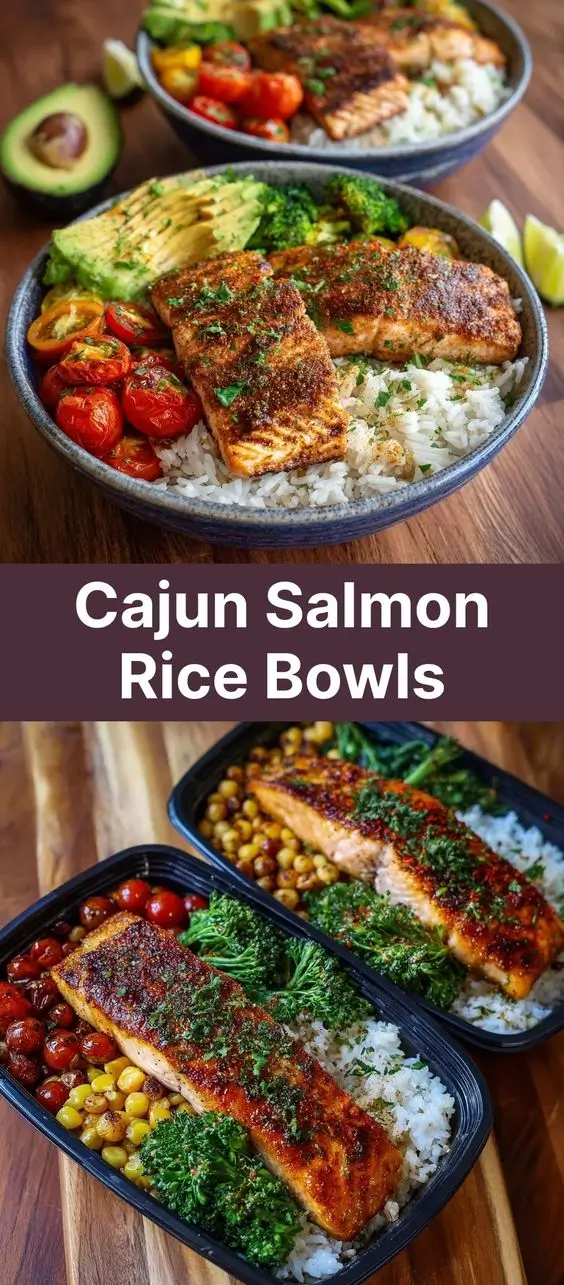
Cajun Salmon Rice Bowls are a vibrant, satisfying fusion of bold Southern flavors and nutritious ingredients, combining the rich, smoky essence of Cajun seasoning with tender, flaky salmon and fluffy rice. These bowls are not only delicious but also incredibly versatile, making them ideal for weeknight dinners, meal prepping, or even impressing guests at a casual dinner party. Packed with protein, healthy fats, and complex carbohydrates, this dish offers a balanced meal that satisfies both your palate and nutritional needs. With layers of texture and flavor—from spiced seared salmon to creamy avocado and zesty vegetables—each bite delivers an explosion of taste reminiscent of Louisiana bayou cuisine. Whether you’re a seasoned home cook or just starting in the kitchen, these bowls are approachable, quick to prepare, and endlessly customizable to suit dietary preferences or pantry limitations.
The History
The roots of Cajun cuisine trace back to the Acadian people—French settlers expelled from Nova Scotia (then Acadia) by the British during the 1750s in what is known as the Great Upheaval or “Le Grand Dérangement.” Forced to relocate, many Acadians eventually settled in rural southern Louisiana, where their French culinary traditions merged with local Creole, Spanish, African, and Native American influences. This cultural melting pot gave rise to Cajun cooking—a rustic, hearty style characterized by one-pot meals like jambalaya, gumbo, and étouffée. While traditional Cajun dishes often feature meats like sausage, chicken, and game, seafood became increasingly prominent due to the region’s abundant rivers, swamps, and Gulf Coast access. Although salmon isn’t native to Louisiana waterways, modern interpretations of Cajun food have embraced imported fish, especially given its popularity and health benefits. The use of bold spice blends, particularly Cajun seasoning, has become synonymous with the cuisine’s identity—smoky, spicy, and deeply aromatic. Today’s Cajun Salmon Rice Bowl is a contemporary homage to this heritage, blending authentic seasonings with global bowl trends that emphasize balance, freshness, and visual appeal. It reflects how traditional cuisines evolve, adapting to new ingredients and lifestyles while honoring their flavorful origins.
Ingredients Breakdown
Creating the perfect Cajun Salmon Rice Bowl starts with selecting high-quality, fresh ingredients that work together to build layers of flavor, color, and nutrition. Let’s break down each component:
- Salmon Fillets: Opt for wild-caught Atlantic or Alaskan salmon if possible. Its rich fat content ensures a moist, buttery texture when seared, while also delivering heart-healthy omega-3 fatty acids. Look for fillets with firm flesh, bright color, and no fishy odor.
- Cajun Seasoning: This is the soul of the dish. A classic blend includes paprika, garlic powder, onion powder, cayenne pepper, black pepper, white pepper, oregano, thyme, and sometimes mustard powder or celery seed. You can buy pre-made versions, but homemade allows control over salt and heat levels.
- Olive Oil: Used for searing the salmon and adding richness. Extra virgin olive oil adds a fruity note, while regular olive oil has a higher smoke point, making it better suited for cooking at higher temperatures.
- Brown Rice or White Rice: Brown rice is recommended for its fiber and nutty flavor, though white jasmine or basmati rice offers a lighter, fluffier base. For grain-free options, cauliflower rice works beautifully.
- Avocado: Adds creaminess and healthy monounsaturated fats. Ripe avocados should yield slightly to gentle pressure and provide a cool contrast to the spicy salmon.
- Cherry Tomatoes: Bright, juicy, and slightly sweet—they add acidity and pop of color. Halved or quartered, they bring freshness to every bite.
- Red Onion: Thinly sliced raw red onion provides crunch and a sharp, tangy bite. Soaking in cold water for 5–10 minutes reduces its pungency if desired.
- Lime Juice: Freshly squeezed lime juice ties the bowl together, enhancing flavors and preventing avocado browning. It also helps cut through the richness of the salmon and avocado.
- Fresh Cilantro: Offers a bright, citrusy herbal lift. If you’re among those who find cilantro soapy (due to genetics), parsley makes a suitable substitute.
- Sour Cream or Greek Yogurt (optional): Adds a cooling element that balances the heat from the Cajun spice. Greek yogurt increases protein content and offers probiotics.
- Lemon Wedges: Served on the side for additional brightness and customization at the table.
Step-by-Step Recipe
- Prepare the Rice: Rinse 1 cup of brown rice under cold water until the water runs clear. In a medium saucepan, combine rice with 2 cups of water (or broth for extra flavor). Bring to a boil, then reduce heat to low, cover, and simmer for 40–45 minutes, or until tender and water is absorbed. Remove from heat and let sit covered for 10 minutes. Fluff with a fork. (For white rice, adjust time to 18–20 minutes.)
- Season the Salmon: Pat 4 salmon fillets (about 6 oz each) dry with paper towels. Generously coat all sides with 2–3 tablespoons of Cajun seasoning, pressing gently to adhere. Allow to sit at room temperature for 10–15 minutes to enhance flavor absorption.
- Sear the Salmon: Heat 1–2 tablespoons of olive oil in a large non-stick or cast-iron skillet over medium-high heat. Once shimmering, place salmon fillets skin-side down (if skin-on) and press lightly for even contact. Cook for 5–6 minutes without moving to develop a golden crust. Flip carefully and cook for another 3–5 minutes, depending on thickness, until internal temperature reaches 145°F (63°C) and the center is opaque with slight translucency. Transfer to a plate, loosely tent with foil, and let rest.
- Prep the Vegetables: While the rice and salmon cook, halve 1 cup of cherry tomatoes, thinly slice ½ red onion, dice 1 ripe avocado, and chop a small handful of fresh cilantro.
- Make the Lime Dressing: In a small bowl, whisk together the juice of 1 lime, 1 tablespoon olive oil, a pinch of salt, and a teaspoon of honey or maple syrup (optional) for balance.
- Assemble the Bowls: Divide cooked rice among four bowls. Flake the salmon into large chunks and place atop the rice. Arrange avocado, tomatoes, and red onion around the bowl. Drizzle with lime dressing and a dollop of Greek yogurt or sour cream if using. Garnish with cilantro and serve with lemon wedges on the side.
Tips
- Don’t Overcook the Salmon: Salmon continues to cook slightly after removal from heat. Aim for slightly underdone when pulling it off the stove; residual heat will finish the process.
- Use Fresh Spices: Old spices lose potency. For maximum flavor, ensure your Cajun seasoning contains vibrant, aromatic spices. Toasting dried herbs briefly in a dry pan can amplify their aroma.
- Pat Dry Before Seasoning: Moisture is the enemy of searing. Always pat salmon dry before applying seasoning to achieve a crisp, flavorful crust.
- Customize Heat Level: Adjust cayenne in your Cajun mix based on preference. Mild versions omit cayenne entirely, while hot blends may double it.
- Meal Prep Friendly: Cook rice and chop veggies up to 4 days ahead. Store separately. Season salmon just before cooking to prevent moisture loss.
- Add Crunch: Top with pickled red onions, jalapeños, or toasted pepitas for added texture.
- Rest the Salmon: Letting the fish rest for 5 minutes after cooking ensures juices redistribute, resulting in a more succulent bite.
- Double the Batch: Make extra salmon—it reheats well and can be used in salads, tacos, or sandwiches later in the week.
Variations and Customizations
The beauty of Cajun Salmon Rice Bowls lies in their adaptability. Here are creative ways to switch things up:
- Protein Swap: Replace salmon with grilled shrimp, blackened chicken breast, or even tofu for a vegetarian version. Shrimp pairs exceptionally well with Cajun seasoning and cooks quickly.
- Grain Alternatives: Try quinoa, farro, wild rice blend, or forbidden black rice for different textures and nutrient profiles. Cauliflower rice keeps it low-carb and keto-friendly.
- Vegetable Additions: Roasted bell peppers, sautéed spinach, grilled zucchini, corn kernels, or black beans boost fiber and volume.
- Creamy Elements: Swap avocado for guacamole, crema, or a drizzle of chipotle mayo for extra indulgence.
- International Twists: Add mango salsa for a Caribbean flair, kimchi for Korean fusion, or a tahini-lemon drizzle for Mediterranean vibes.
- Smoky Depth: Finish with a dash of liquid smoke or smoked paprika in the seasoning for a deeper barbecue-like profile.
- Breakfast Bowl Version: Top with a fried or poached egg for a hearty morning twist.
- Low-FODMAP Option: Omit onion and garlic; use garlic-infused oil and green onion tops (scallions) instead. Choose rice and salmon, which are naturally low-FODMAP.
Health Considerations and Nutritional Value
Cajun Salmon Rice Bowls offer a nutritionally balanced meal when prepared mindfully. Here’s a breakdown of key health benefits and considerations:
- Omega-3 Fatty Acids: Salmon is one of the best sources of EPA and DHA omega-3s, which support brain health, reduce inflammation, and lower cardiovascular disease risk. A 6-ounce serving provides over 2,000 mg of omega-3s—well above daily recommendations.
- High-Quality Protein: Each serving delivers about 35–40 grams of complete protein, essential for muscle repair, satiety, and metabolic function.
- Complex Carbohydrates: Brown rice contributes approximately 45 grams of carbs per cup, including 3.5 grams of fiber, aiding digestion and providing sustained energy.
- Healthy Fats: Avocado and olive oil supply monounsaturated fats, which help lower LDL (“bad”) cholesterol and improve heart health.
- Vitamins and Minerals: Rich in B vitamins (especially B12 and niacin from salmon), vitamin D, selenium, potassium, and antioxidants like lycopene (from tomatoes).
- Sodium Watch: Pre-made Cajun seasoning and condiments like sour cream can be high in sodium. To reduce intake, make your own spice blend with no added salt and use plain Greek yogurt.
- Mercury Content: Salmon is generally low in mercury compared to other fish like swordfish or tuna, making it safe for regular consumption, including for pregnant women (in moderation).
- Allergens: Contains fish. Ensure cross-contamination precautions if serving others with seafood allergies. For gluten concerns, verify that Cajun seasoning is certified gluten-free (some brands may contain fillers).
An average bowl (with brown rice, 6 oz salmon, avocado, veggies, and light dressing) contains approximately 650–750 calories, 40g protein, 60g carbohydrates, 30g fat (mostly unsaturated), and 8–10g fiber—making it ideal for active individuals, fitness enthusiasts, or anyone seeking a wholesome, energizing meal.
Ingredients
- 1 cup brown rice (or white rice)
- 2 cups water or low-sodium vegetable/chicken broth
- 4 salmon fillets (about 6 oz each), skin-on or skinless
- 2–3 tablespoons homemade or store-bought Cajun seasoning (adjust to taste)
- 2 tablespoons olive oil (divided)
- 1 ripe avocado, diced
- 1 cup cherry tomatoes, halved
- ½ red onion, thinly sliced
- 1/4 cup fresh cilantro, chopped
- Juice of 1–2 limes
- 4 tablespoons Greek yogurt or sour cream (optional)
- Salt and pepper to taste
- Lemon wedges, for serving
Directions
- In a medium saucepan, bring 2 cups of water or broth to a boil. Add rinsed rice, reduce heat to low, cover, and simmer for 40–45 minutes for brown rice (or 18–20 minutes for white rice). Remove from heat, let stand for 10 minutes, then fluff with a fork.
- While rice cooks, pat salmon fillets dry with paper towels. Rub evenly with Cajun seasoning on all sides. Let sit at room temperature for 10–15 minutes.
- Heat 1 tablespoon of olive oil in a large skillet over medium-high heat. Once hot, add salmon fillets (skin-side down if applicable). Sear undisturbed for 5–6 minutes until deeply golden. Flip and cook for another 3–5 minutes until salmon flakes easily with a fork and reaches 145°F internally. Transfer to a plate, tent with foil, and rest.
- Combine cherry tomatoes, red onion, avocado, and cilantro in a bowl. Drizzle with 1 tablespoon olive oil and juice of 1 lime. Gently toss and season with salt and pepper.
- To assemble: Divide rice among four bowls. Top with flaked salmon and vegetable mixture. Add a dollop of Greek yogurt or sour cream if desired. Squeeze fresh lime or lemon juice over each bowl and garnish with extra cilantro.
- Serve immediately with additional lime wedges on the side.
FAQ
Can I bake the salmon instead of pan-searing?
Yes! Preheat oven to 400°F (200°C). Place seasoned salmon on a parchment-lined baking sheet and bake for 12–15 minutes, depending on thickness. Baking yields a milder crust but is easier for batch cooking.
Is Cajun seasoning very spicy?
It can be, but it doesn’t have to be. Traditional blends vary—some are mild and aromatic, others fiery. Make your own to control the heat level.
Can I use frozen salmon?
Yes, but thaw it properly in the refrigerator overnight. Never cook frozen salmon directly unless following a specific recipe, as it may cook unevenly.
How long do leftovers last?
Cooked salmon and rice can be stored separately in airtight containers in the refrigerator for 3–4 days. Reheat gently in a skillet or microwave, adding a splash of water to rice.
Can I make this dairy-free?
Absolutely. Skip the sour cream or use a plant-based alternative like coconut yogurt. The dish remains delicious and creamy thanks to the avocado.
What sides go well with this bowl?
Simple steamed greens, a crisp green salad, or roasted okra complement the flavors without overpowering them.
Can I grill the salmon?
Definitely! Grilling adds a smoky dimension. Oil the grates well and cook over medium heat for 4–6 minutes per side, depending on thickness.
Are there vegetarian alternatives to mimic the dish?
Try marinated and baked tempeh or portobello mushrooms seasoned with Cajun spice. They absorb flavors well and offer a meaty texture.
Summary
Cajun Salmon Rice Bowls blend bold Southern spices with nutritious ingredients for a flavorful, wholesome meal that’s easy to customize and perfect for any occasion. Packed with omega-3s, protein, and fresh vegetables, this dish brings restaurant-quality taste to your kitchen in under an hour.