Introduction
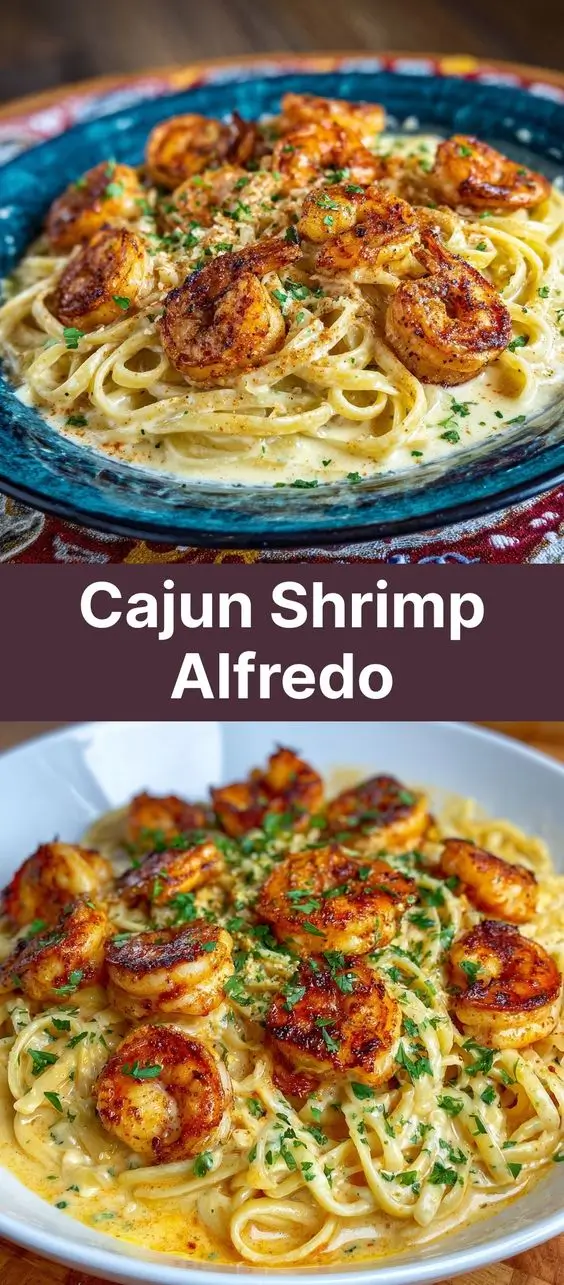
Cajun Shrimp Alfredo is a luxurious fusion dish that marries the bold, spicy flavors of Cajun cuisine with the creamy richness of classic Italian Alfredo sauce. This recipe brings together tender shrimp seasoned with a robust blend of Cajun spices and a velvety Parmesan cream sauce, all tossed over perfectly cooked fettuccine pasta. The result is a restaurant-quality meal that’s both comforting and adventurous—ideal for weeknight dinners, date nights, or impressing guests at dinner parties. With its vibrant taste and elegant presentation, Cajun Shrimp Alfredo strikes the perfect balance between heat, creaminess, and savory depth.
The History
The origins of Cajun Shrimp Alfredo can be traced back to the cultural melting pot of American Southern cooking, particularly in Louisiana, where French culinary traditions blended with local Creole and Cajun influences. While traditional Alfredo sauce hails from Italy—specifically Rome, where it was invented by Alfredo di Lelio in the early 20th century—the concept traveled across the Atlantic and evolved significantly in the United States. Americanized versions replaced the original butter-and-Parmesan base with heavy cream and additional cheese, creating a richer, more indulgent sauce.
Meanwhile, Cajun seasoning—a fiery blend rooted in the Acadiana region of Louisiana—brought bold, smoky heat to seafood dishes, especially shrimp, which are abundant in the Gulf Coast. As home cooks and chefs began experimenting with flavor combinations in the late 20th century, the idea of spicing up classic creamy pastas with Cajun flair emerged. Cajun Shrimp Alfredo likely gained popularity through food blogs, cooking shows, and Southern restaurants seeking to combine comfort food with a kick. Today, it stands as a testament to American culinary innovation—where regional pride meets international inspiration on a single plate.
Ingredients Breakdown
- Fettuccine Pasta: The foundation of any Alfredo dish, fettuccine’s flat, thick noodles hold the creamy sauce exceptionally well. You can use fresh or dried; just ensure it’s cooked al dente for optimal texture.
- Large Shrimp: Peeled and deveined, preferably wild-caught Gulf shrimp for their sweet, firm flesh. Size 16/20 or 21/25 works best—large enough to stand out but not too chewy.
- Cajun Seasoning: A blend typically including paprika, garlic powder, onion powder, cayenne pepper, black pepper, white pepper, oregano, and thyme. You can use store-bought or make your own for better control over salt and heat.
- Butter: Unsalted butter adds richness and helps sauté the shrimp without overpowering the dish. It also contributes to the silkiness of the sauce.
- Garlic: Freshly minced garlic is essential for aromatic depth. Avoid pre-minced varieties for superior flavor.
- Heavy Cream: The backbone of the Alfredo sauce, heavy cream provides a lush, velvety consistency that coats each strand of pasta.
- Parmesan Cheese: Freshly grated Parmigiano-Reggiano melts smoothly and offers a nutty, salty complexity. Pre-grated cheese often contains anti-caking agents that can make sauces grainy.
- Salt and Black Pepper: Used to fine-tune seasoning, especially important if your Cajun blend is low-sodium.
- Olive Oil: For searing the shrimp evenly and preventing sticking, especially when combined with butter (creating a compound fat medium).
- Fresh Parsley (optional): Chopped for garnish, adding color and a bright, herbal finish.
- Red Pepper Flakes (optional): For those who want an extra layer of heat beyond the Cajun spice.
- Lemon Juice (optional): A small splash can cut through the richness and brighten the overall flavor profile.
Step-by-Step Recipe
- Prepare the Pasta: Bring a large pot of salted water to a boil. Add fettuccine and cook according to package instructions until al dente (usually 8–10 minutes). Reserve ½ cup of pasta water before draining. Set aside.
- Season the Shrimp: Pat the shrimp dry with paper towels. In a bowl, toss the shrimp with 1–2 tablespoons of Cajun seasoning, ensuring even coating. Let sit for 5–10 minutes to absorb flavors.
- Sear the Shrimp: Heat 1 tablespoon olive oil and 1 tablespoon butter in a large skillet over medium-high heat. Once hot, add the seasoned shrimp in a single layer. Cook 1–2 minutes per side until pink, opaque, and slightly caramelized. Do not overcrowd—cook in batches if necessary. Remove shrimp and set aside.
- Build the Sauce Base: In the same skillet, reduce heat to medium. Melt 2 tablespoons butter. Add 3–4 cloves of minced garlic and sauté for 30 seconds until fragrant but not browned.
- Add Cream: Pour in 1 ½ cups of heavy cream, stirring gently to combine with the garlic and butter. Bring to a gentle simmer—do not boil vigorously, as this may cause separation.
- Incorporate Cheese: Gradually whisk in 1 cup of freshly grated Parmesan cheese, a handful at a time, allowing each addition to melt fully before adding more. Stir continuously to create a smooth, glossy sauce.
- Adjust Consistency: If the sauce is too thick, add reserved pasta water one tablespoon at a time until desired creaminess is reached. The starch in the water helps emulsify the sauce.
- Combine Everything: Return the cooked shrimp to the skillet. Add the drained fettuccine and toss everything together using tongs until well coated and heated through (about 2–3 minutes).
- Final Seasoning: Taste and adjust with salt, black pepper, or additional Cajun seasoning as needed. For brightness, consider a squeeze of lemon juice.
- Serve Immediately: Plate the pasta, garnish with chopped parsley and extra Parmesan. Serve hot with crusty bread or a side salad.
Tips
- Don’t Overcook the Shrimp: Shrimp cook quickly and become rubbery if left too long. Remove them from heat as soon as they turn opaque.
- Use Freshly Grated Cheese: Pre-shredded cheeses contain cellulose, which prevents smooth melting and can leave your sauce grainy.
- Reserve Pasta Water: The starchy liquid is gold—it helps bind the sauce to the pasta and improves texture dramatically.
- Bloom the Spices: For deeper flavor, briefly toast the Cajun seasoning in the pan before adding cream (after sautéing garlic).
- Control the Heat: Keep the sauce at a gentle simmer. High heat can cause the cream to break or curdle.
- Prevent Clumping: Stir constantly when adding cheese to avoid lumps and ensure a silky finish.
- Rest Before Serving: Let the dish sit for a minute after mixing—this allows the sauce to settle and cling better to the noodles.
- Double the Batch: This dish reheats well (add a splash of milk or cream when warming), so consider making extra for leftovers.
Variations and Customizations
- Protein Swaps: Replace shrimp with grilled chicken, Andouille sausage, crawfish, or scallops for different textures and flavor profiles.
- Dairy-Free Version: Use coconut cream instead of heavy cream and nutritional yeast or vegan Parmesan for a plant-based twist.
- Gluten-Free Option: Substitute regular fettuccine with gluten-free pasta made from rice, corn, or quinoa. Ensure all seasonings are certified GF.
- Spice Level Adjustments: Reduce or omit cayenne in the Cajun blend for milder heat, or add sliced jalapeños and hot sauce like Tabasco for extra kick.
- Vegetable Add-Ins: Enhance nutrition and color by adding sautéed bell peppers, spinach, sun-dried tomatoes, mushrooms, or roasted cherry tomatoes.
- Herb Variations: Swap parsley for fresh basil, chives, or green onions depending on your preferred aroma and taste.
- Cream Alternatives: Half-and-half or whole milk can be used, though the sauce will be thinner. Thicken with a roux (butter + flour) if needed.
- Wine-Infused Sauce: Deglaze the pan with ¼ cup dry white wine after cooking the garlic for added complexity before adding cream.
- Smoky Twist: Add a pinch of smoked paprika or a few drops of liquid smoke to deepen the Cajun flavor.
- Baked Alfredo: Transfer the finished dish to a baking dish, top with mozzarella or breadcrumbs, and broil for 3–5 minutes for a crispy finish.
Health Considerations and Nutritional Value
Cajun Shrimp Alfredo is undeniably rich and indulgent, but understanding its nutritional components can help you enjoy it mindfully. A typical serving (approx. 1.5 cups) contains around:
- Calories: 600–750 kcal (depending on portion size and ingredients)
- Protein: 25–30g (primarily from shrimp and cheese—excellent for muscle repair and satiety)
- Fat: 35–45g (mostly from cream and butter; includes saturated fats, so moderation is advised)
- Carbohydrates: 40–50g (mainly from pasta; choose whole wheat for added fiber)
- Cholesterol: Moderate to high due to shrimp and dairy—those monitoring cholesterol should consume occasionally.
- Sodium: Can be high depending on cheese, seasoning, and broth usage—opt for low-sodium Cajun blends and Parmesan to reduce intake.
Healthier Modifications:
- Use whole grain or legume-based pasta for increased fiber and lower glycemic impact.
- Reduce cream quantity by blending in pureed cauliflower or Greek yogurt for a lighter sauce.
- Limited portions (e.g., 1 cup) paired with a large side salad can balance the meal.
- Shrimp are low in calories and high in selenium, iodine, and omega-3s, offering heart and brain benefits when consumed in moderation.
Note: Individuals with lactose intolerance, shellfish allergies, or hypertension should tailor ingredients accordingly or consult dietary professionals.
Ingredients
- 12 oz fettuccine pasta
- 1 lb large shrimp, peeled and deveined
- 2–3 tbsp Cajun seasoning (divided)
- 3 tbsp unsalted butter (divided)
- 1 tbsp olive oil
- 4 cloves garlic, minced
- 1 ½ cups heavy cream
- 1 cup freshly grated Parmesan cheese
- Salt and freshly ground black pepper, to taste
- ½ cup reserved pasta water
- 2 tbsp fresh parsley, chopped (for garnish)
- Optional: ½ tsp red pepper flakes, 1 tbsp lemon juice
Directions
- Bring a large pot of salted water to a boil. Add fettuccine and cook until al dente. Reserve ½ cup pasta water, then drain and set aside.
- In a bowl, toss shrimp with 1–2 tablespoons of Cajun seasoning. Let rest for 5–10 minutes.
- Heat olive oil and 1 tablespoon butter in a large skillet over medium-high heat. Sear shrimp 1–2 minutes per side until cooked through. Transfer to a plate.
- In the same skillet, melt 1 tablespoon butter. Add garlic and sauté 30 seconds until fragrant.
- Pour in heavy cream and bring to a gentle simmer.
- Gradually whisk in Parmesan cheese until smooth and creamy.
- If desired, stir in remaining 1 tablespoon Cajun seasoning for extra spice.
- Adjust thickness with reserved pasta water as needed.
- Return shrimp to the skillet. Add cooked fettuccine and toss to coat evenly.
- Season with salt, pepper, and optional lemon juice. Garnish with parsley and extra Parmesan.
- Serve immediately while hot and creamy.
FAQ
Q: Can I make Cajun Shrimp Alfredo ahead of time?
A: Yes, but it’s best served fresh. You can prep ingredients in advance—season shrimp, grate cheese, measure spices—but assemble and cook just before serving for optimal texture.
Q: How do I reheat leftovers without drying out the sauce?
A: Reheat gently on the stovetop over low heat, adding a splash of milk, cream, or reserved pasta water to restore creaminess. Avoid microwaving on high power.
Q: Is there a way to make this dish less creamy but still flavorful?
A: Try using a roux-based sauce with milk instead of cream, or incorporate puréed vegetables like cauliflower or butternut squash for body without excess fat.
Q: Can I freeze Cajun Shrimp Alfredo?
A: Not recommended. Dairy-based sauces tend to separate when frozen and thawed, resulting in a grainy, oily texture. Best enjoyed fresh or refrigerated for up to 3 days.
Q: What wine pairs well with this dish?
A: A crisp white wine such as Sauvignon Blanc or unoaked Chardonnay complements the richness and cuts through the creaminess. For bolder palates, try a Riesling with slight sweetness to balance the heat.
Q: Can I use frozen shrimp?
A: Yes, but thaw them completely in the refrigerator overnight and pat dry before seasoning to prevent excess moisture during cooking.
Q: Why did my Alfredo sauce turn out grainy?
A: This usually happens due to overheating, using pre-shredded cheese, or adding cheese too quickly. Always melt cheese slowly over low heat and stir constantly.
Summary
Cajun Shrimp Alfredo is a decadent, flavor-packed dish that combines spicy, smoky shrimp with a luxuriously creamy Parmesan sauce over tender fettuccine.
Easy to customize and perfect for special occasions or cozy nights in, this recipe brings the heat of the bayou and the comfort of Italian cuisine together in one unforgettable bite.