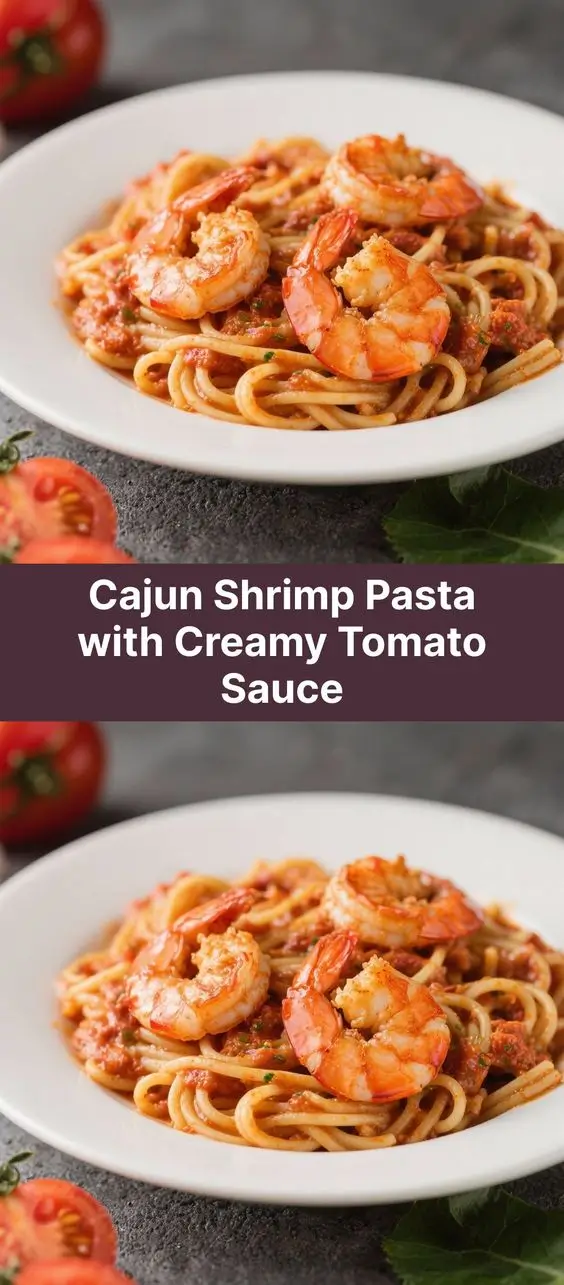
Cajun Shrimp Pasta with Creamy Tomato Sauce: A Flavorful Southern Delight
The History of Cajun Shrimp Pasta with Creamy Tomato Sauce
The roots of Cajun Shrimp Pasta with Creamy Tomato Sauce trace back to the vibrant culinary traditions of Louisiana, particularly the Acadian (Cajun) people. The Cajuns were French-speaking settlers who originally lived in Acadia, a region in eastern Canada, before being expelled by the British in the 18th century during the Great Upheaval. They eventually settled in southern Louisiana, where they adapted their cooking styles using local ingredients such as shrimp, crawfish, rice, and an abundance of spices.
While traditional Cajun cuisine focused on one-pot dishes like gumbo, jambalaya, and étouffée, modern interpretations have evolved—especially as fusion cooking gained popularity across America. The creamy tomato-based shrimp pasta is not a historic dish per se but rather a contemporary homage to Cajun flavors, blending European pasta techniques with bold Southern seasonings. The use of cream and tomatoes reflects Italian-American influences, creating a harmonious marriage between Creole-Cajun zest and comfort-food appeal.
This dish became increasingly popular in the late 20th century as home cooks and chefs sought ways to bring restaurant-quality meals into everyday kitchens. With its rich, spicy, tangy profile, Cajun Shrimp Pasta quickly found favor among seafood lovers and spice enthusiasts alike. Today, it stands as a beloved example of American regional fusion—a dish that celebrates cultural crossroads through flavor.
Ingredients Breakdown
To create the perfect Cajun Shrimp Pasta with Creamy Tomato Sauce, each ingredient plays a crucial role in building layers of flavor, texture, and aroma. Here’s a detailed look at what goes into this mouthwatering dish:
- Shrimp: Fresh or frozen medium to large shrimp (31–40 count), peeled and deveined, are ideal. Their sweet, delicate taste contrasts beautifully with the bold sauce. For best results, use wild-caught Gulf shrimp if available—they have superior texture and flavor.
- Pasta: Fettuccine, linguine, or penne work exceptionally well due to their ability to hold creamy sauces. Whole wheat or gluten-free alternatives can be used for dietary preferences without sacrificing too much on texture.
- Cajun Seasoning: This proprietary blend typically includes paprika, garlic powder, onion powder, cayenne pepper, black pepper, oregano, thyme, and sometimes celery salt. You can buy pre-made mixes or make your own for better control over heat levels and sodium.
- Tomato Base: Crushed tomatoes or tomato passata form the acidic backbone of the sauce, balancing richness while adding depth. Avoid heavy tomato sauces with added sugar; opt for no-sugar-added varieties for authenticity.
- Heavy Cream: Adds luxurious silkiness and tempers the spice from the Cajun seasoning. Half-and-half can substitute for a lighter version, though the sauce will be less velvety.
- Butter & Olive Oil: Butter contributes richness and enhances mouthfeel, while olive oil lends a fruity note and helps sauté aromatics without burning.
- Garlic: Freshly minced garlic is essential—it provides aromatic pungency that blooms when cooked in fat.
- Onion: Yellow or white onion finely diced adds sweetness and body when caramelized slightly during cooking.
- Chicken or Vegetable Broth: Enhances umami and thins the sauce to the right consistency. Low-sodium versions allow you to control overall salt content.
- Red Bell Pepper: Diced red bell pepper introduces color, subtle sweetness, and crunch, mimicking the “holy trinity” (onion, bell pepper, celery) foundational to Cajun cooking.
- Celery: Often overlooked but critical—celery completes the holy trinity, offering earthy notes and aromatic complexity.
- Lemon Juice: A splash brightens the entire dish, cutting through the fat and enhancing freshness.
- Parmesan Cheese: Grated Parmigiano-Reggiano adds nutty saltiness and helps emulsify the sauce. Use freshly grated for optimal melting and flavor.
- Fresh Herbs: Chopped parsley or green onions serve as garnish, bringing herbal brightness and visual appeal.
Step-by-Step Recipe
- Prepare Ingredients: Gather all ingredients. Peel and devein shrimp, pat dry with paper towels, and season lightly with salt and 1 teaspoon of Cajun seasoning. Set aside. Mince garlic, dice onion, red bell pepper, and celery. Measure out crushed tomatoes, cream, broth, and other liquids.
- Cook the Pasta: Bring a large pot of salted water to a boil. Add pasta and cook according to package instructions until al dente. Reserve 1 cup of pasta water before draining. Toss cooked pasta with a drizzle of oil to prevent sticking and set aside.
- Sear the Shrimp: In a large skillet or Dutch oven, heat 1 tablespoon olive oil over medium-high heat. Add seasoned shrimp in a single layer and sear for about 1–2 minutes per side, just until pink and opaque. Remove immediately and set aside—do not overcook.
- Sauté the Aromatics: In the same pan, melt 2 tablespoons butter with 1 tablespoon olive oil. Add diced onion, celery, and red bell pepper. Cook for 5–7 minutes, stirring occasionally, until softened and fragrant.
- Add Garlic and Spices: Stir in minced garlic and 2 teaspoons of Cajun seasoning. Sauté for 30 seconds to release the aroma—be careful not to burn the garlic.
- Build the Sauce: Pour in crushed tomatoes and stir well, scraping up any browned bits from the bottom of the pan. Let simmer for 5 minutes to reduce slightly and deepen flavor. Then add chicken broth and bring to a gentle simmer.
- Incorporate Cream: Slowly pour in heavy cream while stirring continuously. Allow the sauce to warm through and begin to thicken—about 3–4 minutes. Do not let it boil vigorously, which may cause separation.
- Season and Adjust: Taste and adjust seasoning—add more Cajun spice for heat, salt for balance, or a pinch of sugar if acidity is too sharp. Stir in lemon juice for brightness.
- Combine Pasta and Sauce: Add drained pasta to the skillet and toss thoroughly to coat every strand. If needed, add reserved pasta water a few tablespoons at a time to loosen the sauce to desired consistency.
- Finish with Cheese and Shrimp: Gently fold in the seared shrimp and grated Parmesan cheese. Stir until cheese melts and everything is heated through.
- Garnish and Serve: Divide among plates or bowls. Top with additional Parmesan, chopped fresh parsley, and a sprinkle of green onions. Optionally, add a dash of hot sauce or extra cayenne for those who love intense heat.
Tips for Perfect Cajun Shrimp Pasta
- Don’t Overcook the Shrimp: Shrimp cook very quickly. Overcooking leads to rubbery texture. Remove them from heat as soon as they turn pink and curl into a “C” shape—overcooked ones form an “O.”
- Bloom the Spices: Cooking the Cajun seasoning with garlic and vegetables for 30 seconds unlocks deeper flavor and reduces raw spice bitterness.
- Use Reserved Pasta Water: The starchy water helps bind the sauce to the pasta, improving adhesion and silkiness.
- Control the Heat: If the sauce begins to separate or curdle, remove from heat and whisk in a splash of cold cream or butter to stabilize it.
- Make Ahead Components: While best served fresh, you can prep ingredients ahead—chop veggies, make seasoning blend, and even cook the sauce base (without cream or pasta). Reheat gently before finishing.
- Balance Cream and Acid: Too much cream can mute flavors. Always finish with a squeeze of lemon or lime to lift the dish.
- Rest Before Serving: Letting the dish sit for 2–3 minutes after mixing allows flavors to meld and sauce to settle around the pasta.
Variations and Customizations
This recipe is highly adaptable to suit different tastes, dietary needs, and pantry availability. Consider these creative twists:
- Protein Swaps: Replace shrimp with chicken breast, andouille sausage, scallops, or even crawfish tails for authentic Louisiana flair.
- Vegetarian Version: Omit shrimp and use mushrooms (such as cremini or oyster) for umami depth. Add artichoke hearts or spinach for greens.
- Dairy-Free Option: Substitute heavy cream with full-fat coconut milk and use nutritional yeast or vegan Parmesan instead of dairy cheese.
- Gluten-Free Adaptation: Use gluten-free pasta made from rice, corn, or quinoa. Ensure Cajun seasoning is certified gluten-free (some blends contain fillers).
- Spice Level Control: Reduce cayenne in homemade seasoning for mild heat, or add sliced jalapeños, crushed red pepper flakes, or hot sauce like Tabasco or Crystal for extra kick.
- Smoky Twist: Add a pinch of smoked paprika or chipotle powder to give the sauce a smoky dimension reminiscent of grilled Cajun fare.
- Herb Variations: Swap parsley for cilantro or tarragon for a unique herbal note. Basil can also complement the tomato base.
- Pasta Alternatives: Try zucchini noodles (zoodles) or spaghetti squash for a low-carb option. Note: These should be added at the end and not overcooked.
- Wine-Infused Sauce: Deglaze the pan with ¼ cup of dry white wine after sautéing vegetables for enhanced complexity.
- Creamy Addition: Stir in cream cheese or mascarpone for an even richer, thicker sauce—ideal for colder months.
Health Considerations and Nutritional Value
Cajun Shrimp Pasta with Creamy Tomato Sauce offers a satisfying balance of protein, fats, and carbohydrates, but mindful preparation can improve its nutritional profile:
- Shrimp Nutrition: Low in calories and high in protein, shrimp provide selenium, vitamin B12, phosphorus, and omega-3 fatty acids. They are relatively low in mercury compared to larger fish.
- Caloric Density: The primary source of calories comes from cream, butter, cheese, and pasta. One serving (approx. 1.5 cups) ranges from 550–750 kcal depending on portion size and ingredients.
- Fat Content: Saturated fat is present due to dairy components. Using reduced-fat cream, less butter, or plant-based substitutes can lower total fat.
- Sodium Awareness: Store-bought Cajun seasoning and broth often contain high sodium. Opt for low-sodium versions or make your own spice mix to manage intake.
- Carbohydrates: Pasta contributes complex carbs. Whole grain options increase fiber content and promote satiety.
- Portion Control: Serve with a side salad or steamed vegetables to increase volume without excess calories. Aim for a 1:2 ratio of pasta to veggies.
- Allergens: Contains shellfish, dairy, and gluten. Be cautious when serving to guests with food allergies—clear labeling and substitutions are key.
- Heart Health: While delicious, frequent consumption of creamy sauces may impact cholesterol levels. Enjoy this dish in moderation as part of a balanced diet.
- Omega-3 Benefits: Shrimp offer anti-inflammatory benefits, supporting cardiovascular and cognitive health.
- Dietary Flexibility: Can be tailored for keto (use low-carb pasta, increase cream, reduce tomatoes), Mediterranean (focus on olive oil, fresh herbs, lean protein), or heart-healthy diets (limit saturated fat, emphasize vegetables).
Ingredients
- 1 lb (450g) medium shrimp, peeled and deveined
- 12 oz (340g) fettuccine or penne pasta
- 2 tbsp Cajun seasoning (divided)
- 2 tbsp olive oil (divided)
- 3 tbsp unsalted butter
- 1 medium yellow onion, diced
- 1 red bell pepper, diced
- 1 stalk celery, diced
- 4 cloves garlic, minced
- 1 can (14.5 oz / 400g) crushed tomatoes (no salt added preferred)
- 1 cup (240ml) heavy cream
- ½ cup (120ml) low-sodium chicken or vegetable broth
- 1 tsp lemon juice (about ½ lemon)
- ½ cup (50g) grated Parmesan cheese, plus extra for serving
- Salt and freshly ground black pepper to taste
- ¼ cup fresh parsley, chopped
- 2 green onions, sliced (optional)
- Reserved pasta water (up to 1 cup)
Directions
- Pat shrimp dry with paper towels. Toss with 1 tsp Cajun seasoning and a pinch of salt. Set aside.
- Bring a large pot of salted water to a boil. Cook pasta according to package directions until al dente. Drain, reserving 1 cup of starchy water. Toss pasta with a little oil and set aside.
- Heat 1 tbsp olive oil in a large skillet or deep sauté pan over medium-high heat. Add shrimp in a single layer and cook 1–2 minutes per side until pink and just cooked through. Transfer to a plate and set aside.
- Melt butter with remaining 1 tbsp olive oil in the same pan over medium heat. Add onion, bell pepper, and celery. Sauté 6–7 minutes until soft and translucent.
- Stir in garlic and remaining 2 tsp Cajun seasoning. Cook for 30 seconds until fragrant.
- Pour in crushed tomatoes, broth, and bring to a simmer. Cook for 5 minutes to reduce and concentrate flavor.
- Slowly stir in heavy cream. Simmer gently for 3–4 minutes—do not boil—to thicken slightly.
- Season with salt, pepper, and lemon juice. Taste and adjust heat or seasoning as needed.
- Add cooked pasta to the sauce. Toss well, adding reserved pasta water as needed to achieve a creamy, clinging consistency.
- Reduce heat to low. Fold in Parmesan cheese until melted and smooth.
- Gently add cooked shrimp and toss to combine. Warm through for 1–2 minutes.
- Remove from heat. Garnish with fresh parsley, green onions, and extra Parmesan.
- Serve immediately with crusty bread or a simple arugula salad.
FAQ
Can I use frozen shrimp?
Yes, frozen shrimp work perfectly—just thaw them in cold water and pat dry before seasoning and cooking to ensure proper searing.
Is this dish spicy?
It can be! The heat level depends on your Cajun seasoning. Mild blends are flavorful without excessive heat; spicier versions include more cayenne. Adjust to taste.
Can I make it ahead of time?
Best served fresh, but you can prepare the sauce (without cream or shrimp) up to 2 days in advance. Reheat gently and finish with cream, pasta, and shrimp just before serving.
How do I store leftovers?
Cool completely and store in an airtight container in the refrigerator for up to 3 days. Reheat gently on the stove with a splash of broth or water to revive creaminess.
Why did my sauce separate?
Dairy-based sauces can break if overheated. Always simmer gently—never boil—and consider adding a starch (like a roux or pasta water) to stabilize emulsion.
Can I freeze this dish?
Not recommended. Cream-based sauces tend to separate and become grainy when frozen and thawed. Freeze just the sauce base (tomato only) if desired.
What wine pairs well with this dish?
A crisp white wine like Sauvignon Blanc, Pinot Grigio, or unoaked Chardonnay complements the richness and spice. For beer lovers, a pale lager or amber ale works nicely.
Can I double the recipe?
Yes, but use a very large pot or divide between two pans to avoid overcrowding, which can lead to steaming instead of searing the shrimp.
Summary
Cajun Shrimp Pasta with Creamy Tomato Sauce is a luscious, boldly flavored dish that combines the spicy warmth of Louisiana seasoning with the comforting richness of a creamy tomato sauce and tender shrimp. It’s an elegant yet easy weeknight meal that brings restaurant-quality taste to your dinner table.