Introduction
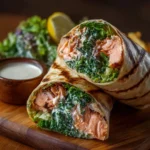
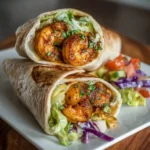
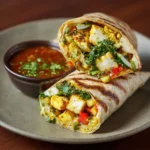
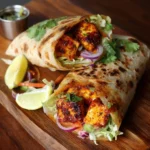
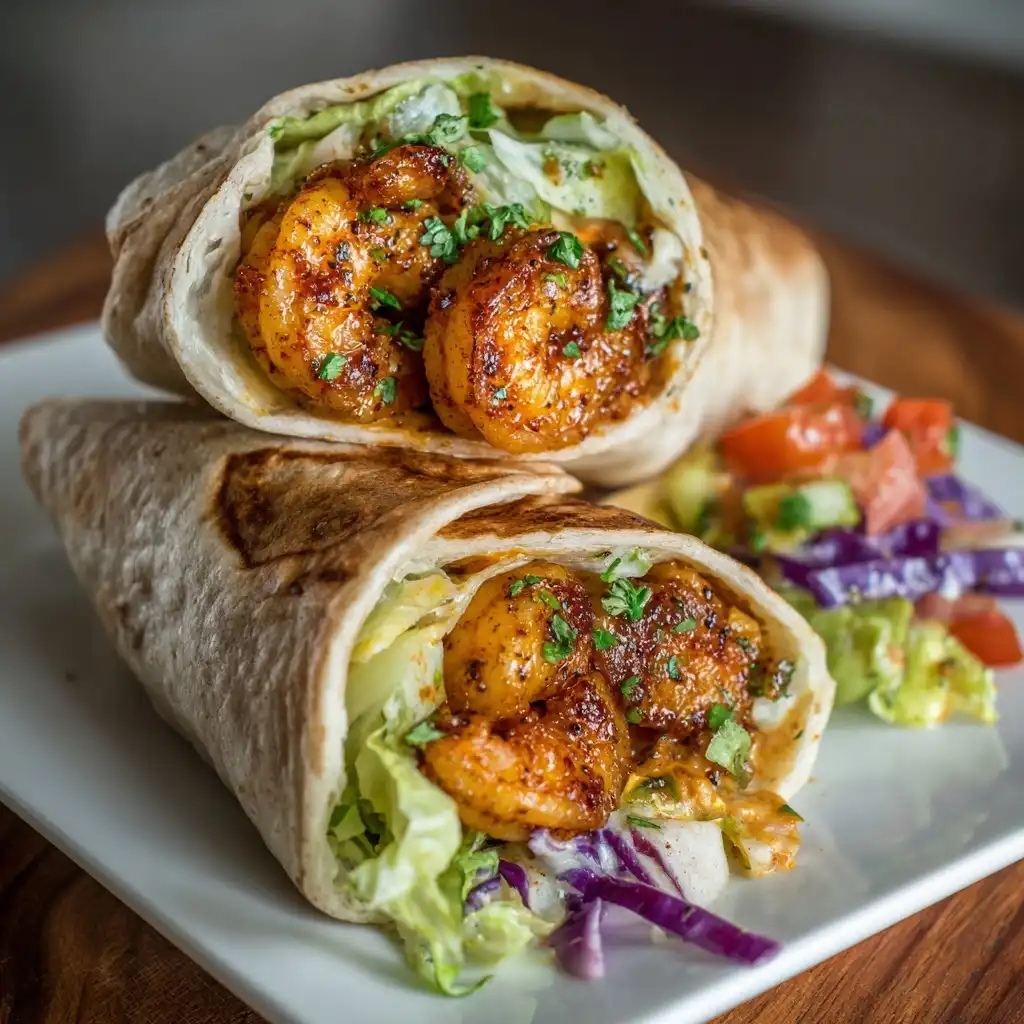
The Cajun Shrimp Wrap is a vibrant, bold-flavored handheld meal that marries the fiery, aromatic essence of Louisiana’s iconic Cajun seasoning with the delicate sweetness and tender texture of premium shrimp. Bursting with layers of flavor, color, and texture—from zesty remoulade and crisp lettuce to creamy avocado and smoky grilled shrimp—this wrap delivers restaurant-quality taste in a convenient, portable format. Whether you’re packing lunch for work, prepping for a picnic, or whipping up a quick yet impressive weeknight dinner, the Cajun Shrimp Wrap satisfies cravings for spice, freshness, and satisfying protein—all wrapped neatly in a warm, pliable tortilla. It’s more than just a sandwich—it’s a celebration of Southern coastal cuisine reimagined for modern, on-the-go lifestyles.
The History
The origins of the Cajun Shrimp Wrap are rooted not in a single documented moment, but in the delicious convergence of two rich culinary traditions: the centuries-old heritage of Cajun cooking in Southwest Louisiana and the American evolution of the wrap as a versatile, customizable fast-casual format. Cajun cuisine itself emerged from the Acadian (French-Canadian) exiles who settled in the swamps and prairies of Louisiana after their 18th-century expulsion from Nova Scotia. Resourceful and resilient, they adapted French techniques to local ingredients—wild game, river fish, shellfish like Gulf shrimp, and native herbs and spices—developing a robust, rustic, and deeply flavorful style centered around the “holy trinity” (onion, bell pepper, celery) and complex spice blends heavy on paprika, cayenne, garlic, thyme, and file powder. Meanwhile, the modern wrap gained national popularity in the 1980s and ’90s with the rise of fast-casual chains emphasizing portability, freshness, and customization. Chefs and home cooks alike began experimenting with global flavor profiles inside flour or whole-wheat tortillas—and the Cajun Shrimp Wrap emerged organically as a natural fusion: taking the beloved blackened or grilled shrimp preparations of New Orleans bistros and bayou cookouts, adding regional condiments like remoulade and Creole mustard, then bundling them into an easy-to-eat, nutritionally balanced handheld dish. Today, it appears on menus from Austin food trucks to Brooklyn brunch spots—and has become a staple in health-conscious kitchens seeking bold taste without compromising on quality or balance.
Ingredients Breakdown
Every exceptional Cajun Shrimp Wrap begins with thoughtfully selected components—each playing a distinct role in building depth, contrast, and harmony:
- Cajun Seasoning: The soul of the dish—typically a blend of smoked paprika, garlic powder, onion powder, dried oregano and thyme, cayenne pepper, white and black pepper, and sometimes mustard powder and brown sugar. Homemade versions allow full control over heat level and sodium; store-bought blends vary widely in spice intensity and added fillers.
- Gulf Shrimp (Medium to Large, 31/40 or 21/25 count): Wild-caught or sustainably farmed shrimp offer superior sweetness and firmness. Deveined, peeled (tails optionally left on for presentation), and patted extremely dry for optimal searing and spice adhesion.
- High-Heat Oil (Avocado, Grapeseed, or Light Olive Oil): Essential for achieving a caramelized, slightly charred crust without burning the spices—a critical step that unlocks deep umami and smokiness.
- Flour Tortillas (10–12 inch, low-moisture, burrito-sized): Look for pliable, soft-shell varieties with minimal preservatives—warm them gently before wrapping to enhance flexibility and prevent cracking. Whole wheat, spinach, or sun-dried tomato tortillas add visual appeal and nuanced flavor.
- Remoulade Sauce: A Louisiana classic—creamy, tangy, and herb-forward—made with mayonnaise, Dijon mustard, Creole or yellow mustard, lemon juice, minced garlic, capers, chopped pickles or cornichons, fresh parsley, cayenne, and often a splash of hot sauce (like Crystal or Tabasco). Some variations include horseradish or anchovy paste for extra complexity.
- Fresh Vegetables: Crisp romaine or butter lettuce provides cool crunch; thinly sliced red cabbage adds peppery bite and vibrant purple hue; halved cherry tomatoes contribute acidity and juiciness; julienned bell peppers (especially yellow or orange) bring sweetness and color contrast.
- Creamy Elements: Sliced or mashed ripe avocado offers luxurious mouthfeel and healthy monounsaturated fats that temper the heat; crumbled cotija or feta cheese lends salty, briny notes (optional but recommended); a light drizzle of lime crema (sour cream + lime zest + juice) elevates brightness.
- Finishing Touches: Fresh cilantro leaves, thinly sliced green onions, a final dusting of smoked paprika or Old Bay, and a wedge of fresh lime for squeezing—these elevate aroma, acidity, and visual polish.
Step-by-Step Recipe
- Prep the Shrimp: Place peeled, deveined shrimp in a large bowl. Pat *thoroughly* dry with paper towels—moisture is the enemy of crust and spice adherence. Toss with 1½–2 tablespoons high-heat oil until evenly coated. Sprinkle generously with 1½–2 tablespoons homemade or high-quality store-bought Cajun seasoning (adjust for heat preference), then toss again until every shrimp is uniformly coated. Let rest 5–10 minutes at room temperature to allow flavors to penetrate.
- Grill or Sear the Shrimp: Heat a cast-iron skillet, grill pan, or outdoor grill to medium-high (400°F/200°C). Once smoking lightly, add shrimp in a single layer—do not overcrowd. Cook undisturbed for 1.5–2 minutes per side, just until opaque, pink, and lightly charred at the edges. Overcooking leads to rubberiness—shrimp cook incredibly fast. Transfer immediately to a clean plate and let cool slightly (2–3 minutes) to avoid wilting the tortilla later.
- Warm the Tortillas: Stack tortillas and wrap loosely in damp paper towels. Microwave for 20–30 seconds, or heat individually on a dry skillet for 15–20 seconds per side until soft, pliable, and fragrant. Keep covered with a clean kitchen towel to retain warmth and moisture.
- Prepare the Remoulade & Veggie Fillings: While shrimp rests, whisk together all remoulade ingredients in a small bowl. Chill briefly if time allows—cold sauce balances warm shrimp beautifully. Slice or chop all vegetables uniformly for even distribution and optimal bite. Pit and slice avocado just before assembling to prevent browning.
- Assemble with Precision: Lay a warm tortilla flat on a clean surface. Spread a generous 2–3 tablespoons of remoulade in a horizontal stripe across the center, leaving 1.5 inches clear at the top and bottom edges. Layer ingredients in this order (for structural integrity and flavor layering): romaine or butter lettuce first (as a moisture barrier), followed by red cabbage, cherry tomatoes, bell peppers, avocado slices, and finally the warm Cajun shrimp. Top with a light sprinkle of cotija or feta, fresh cilantro, and green onions.
- Wrap Like a Pro: Fold the bottom edge up over the filling, then fold in both sides snugly. Roll forward firmly but gently, tucking in loose ends as you go. Apply gentle, even pressure to compact the wrap without squeezing out fillings. For carry-friendly service, wrap tightly in parchment paper, then foil—or secure with a food-safe bamboo skewer if serving immediately.
Tips
- Dry Shrimp = Crispy Crust: Never skip the thorough drying step—even a little surface moisture steams the shrimp instead of searing it, diluting spice flavor and preventing caramelization.
- Season Generously, But Taste First: Cajun blends vary wildly in salt and heat. Always taste your blend (or mix a tiny pinch with water) before applying to the full batch—especially if serving children or those sensitive to spice.
- Don’t Overcook the Shrimp: They’re done the moment they curl into a loose “C” shape and turn opaque. Carryover heat will finish them—remove from heat when they’re *just* shy of perfect.
- Warm Tortillas Are Non-Negotiable: Cold or stiff tortillas crack, leak, and fall apart. Warming hydrates the starches and makes them pliable enough to hold generous fillings without tearing.
- Build Smart Layers: Start with leafy greens as a base—they protect the tortilla from wet ingredients (tomatoes, remoulade) and add structural support. Save delicate items like avocado and herbs for the top layer so they don’t get mashed during rolling.
- Chill Components Separately: Prep shrimp, veggies, and sauces hours ahead—but keep them refrigerated separately. Assemble wraps no more than 30 minutes before serving to maintain crispness and prevent sogginess.
- Double-Wrap for Meal Prep: If prepping for lunches, wrap each assembled wrap first in parchment, then in aluminum foil. This locks in moisture, prevents oxidation, and creates a tidy, reheatable (if desired) package—just unwrap the foil and microwave briefly (20–30 sec) or enjoy cold.
- Acid Is Your Ally: A final squeeze of fresh lime juice right before eating brightens every element—cutting through richness, enhancing shrimp sweetness, and lifting the spices. Never skip this finishing flourish.
Variations and Customizations
The Cajun Shrimp Wrap is inherently adaptable—ideal for dietary preferences, seasonal produce, pantry swaps, and creative expression. Here are inspired, tested variations:
- Low-Carb/Keto Version: Swap the tortilla for a large butter lettuce cup (Bibb or romaine hearts), collard green leaf (blanched 10 seconds for pliability), or grilled portobello mushroom cap. Increase avocado and add crumbled bacon or smoked gouda for satiety.
- Vegetarian “Shrimp” Wrap: Replace shrimp with marinated and grilled king oyster mushrooms (sliced lengthwise and tossed in Cajun seasoning + tamari), or crispy chickpeas roasted with smoked paprika and cayenne. Boost umami with miso-tahini remoulade.
- Spicy Scallop & Shrimp Medley: Use half Gulf shrimp and half diver scallops—pat dry, season aggressively, and sear separately (scallops need ~2 min/side). Their sweet, buttery contrast with spicy shrimp is sublime.
- Creole-Inspired Twist: Add ¼ cup finely diced Andouille sausage (pre-cooked and crisped), a spoonful of cooked red beans, and swap remoulade for a Creole mustard aioli (Dijon + roasted garlic + thyme + a dash of Worcestershire).
- Island Fusion: Incorporate tropical elements: mango-jalapeño salsa instead of tomatoes, toasted coconut flakes, pineapple ribbons, and a lime-cilantro crema. Use a jerk-spice blend with added allspice and scotch bonnet for Caribbean heat.
- Mediterranean Cajun: Swap remoulade for tzatziki, use feta and kalamata olives instead of cotija, add roasted zucchini and eggplant, and finish with oregano and lemon zest—Cajun heat meets Greek freshness.
- Breakfast Cajun Wrap: Scramble eggs with Cajun seasoning, add blackened shrimp, melted pepper jack, avocado, and chipotle-maple syrup drizzle—serve warm for a savory brunch on the go.
- Gluten-Free Friendly: Use certified GF corn or almond-flour tortillas (warmed carefully), ensure Cajun seasoning and remoulade contain no hidden gluten (check labels for malt vinegar or wheat-based thickeners), and serve with a side of roasted sweet potato wedges.
- Meal-Prep Friendly Batch: Double the shrimp and remoulade, portion into jars or containers, and store components separately for up to 4 days. Assemble daily for maximum freshness—or prep “wrap kits” with labeled bags of pre-chopped veggies and spice packets for grab-and-go assembly.
Health Considerations and Nutritional Value
A well-constructed Cajun Shrimp Wrap is a nutrient-dense, balanced meal offering high-quality protein, heart-healthy fats, fiber-rich vegetables, and metabolism-supportive spices—all while remaining naturally low in added sugars and refined carbs. A standard 10-inch whole wheat tortilla version (with 6 oz shrimp, ¼ avocado, ½ cup mixed veggies, 2 tbsp remoulade, and light cheese) contains approximately:
- Calories: 480–540 kcal
- Protein: 32–38g (shrimp provides complete protein with all essential amino acids, plus selenium and vitamin B12)
- Healthy Fats: 18–22g (primarily monounsaturated from avocado and olive oil; omega-3s from shrimp)
- Carbohydrates: 42–48g (mostly complex, fiber-rich carbs from whole grain tortilla and vegetables; net carbs ~32–36g)
- Fiber: 8–10g (supports digestion, blood sugar stability, and satiety)
- Sodium: Varies widely (650–1,100mg)—controlled best by using low-sodium Cajun seasoning, limiting added salt, and opting for unsalted cotija or skipping cheese entirely.
- Vitamins & Minerals: Exceptionally high in Vitamin B12, iodine, zinc, and astaxanthin (a powerful antioxidant giving shrimp its pink hue); rich in Vitamins A, C, K, and folate from fresh vegetables; lycopene from tomatoes; potassium from avocado and greens.
Dietary Notes: Naturally low in saturated fat and cholesterol-free (unless using full-fat dairy-based remoulade). Easily modified for pescatarian, low-FODMAP (omit onion/garlic in remoulade, use garlic-infused oil), or dairy-free diets (vegan mayo, nutritional yeast “cheese”). Those monitoring sodium should prepare seasoning and remoulade from scratch—many commercial blends contain 300–500mg sodium per teaspoon. Individuals with shellfish allergies must avoid entirely; cross-contamination risk is high in shared prep spaces. For weight management, portion control remains key—stick to one wrap and pair with a side of cucumber salad or roasted Brussels sprouts rather than chips or fries.
Ingredients
- 1 lb (450g) raw, peeled, and deveined Gulf shrimp (31/40 count), tails removed
- 2 tbsp high-heat oil (avocado or grapeseed)
- 2 tbsp homemade Cajun seasoning (see note below) — or 1½ tbsp store-bought low-sodium blend
- 4 (10-inch) whole wheat or spinach flour tortillas
- ¾ cup authentic Louisiana-style remoulade (homemade preferred)
- 2 cups chopped romaine or butter lettuce
- 1 cup thinly shredded red cabbage
- 1 cup halved cherry tomatoes
- ½ cup julienned yellow and red bell peppers
- 1 ripe Hass avocado, sliced
- ¼ cup crumbled cotija or feta cheese
- ¼ cup fresh cilantro leaves
- 2 green onions, thinly sliced
- 1 lime, cut into 4 wedges
- Smoked paprika or Old Bay, for garnish (optional)
Homemade Cajun Seasoning (makes ~½ cup): 3 tbsp smoked paprika, 2 tsp garlic powder, 2 tsp onion powder, 1½ tsp dried oregano, 1½ tsp dried thyme, 1 tsp freshly ground black pepper, 1 tsp cayenne pepper (adjust to taste), ½ tsp white pepper, ½ tsp mustard powder, ¼ tsp ground allspice, ¼ tsp ground cloves. Whisk thoroughly and store in an airtight jar away from light and heat for up to 6 months.
Directions
- In a large mixing bowl, pat shrimp completely dry with paper towels. Drizzle with oil and toss to coat evenly. Sprinkle with Cajun seasoning and toss again until fully and uniformly coated. Let sit at room temperature for 8 minutes.
- Heat a large cast-iron skillet or grill pan over medium-high heat until shimmering. Add shrimp in a single layer—cook 1 minute 45 seconds per side, flipping once, until opaque and lightly charred. Do not overcook. Transfer to a plate and let cool 3 minutes.
- While shrimp rests, warm tortillas: stack and wrap in a damp paper towel; microwave 25 seconds. Or heat individually on a dry skillet 15 seconds per side until soft and pliable. Keep covered with a clean towel.
- Whisk together remoulade ingredients in a small bowl. Set aside.
- Prepare vegetables: wash and thoroughly dry lettuce; shred cabbage; halve tomatoes; julienne peppers; pit and slice avocado.
- To assemble each wrap: lay a warm tortilla flat. Spread 2½ tbsp remoulade horizontally across center. Layer in this order: ½ cup lettuce, ¼ cup cabbage, ¼ cup tomatoes, 2 tbsp peppers, ¼ avocado, ¼ of shrimp (approx. 4 oz), 1 tbsp cheese, 1 tbsp cilantro, and 1 tsp green onions.
- Fold bottom edge up over filling, then fold in left and right sides. Roll forward tightly, applying gentle pressure. Wrap in parchment paper, then foil if packing ahead.
- Serve immediately with lime wedges for squeezing. Garnish with a light dusting of smoked paprika and extra cilantro.
FAQ
- Can I use frozen shrimp?
- Yes—but thaw completely in the refrigerator overnight, then pat *extremely* dry. Avoid thawing at room temperature or under warm water, which degrades texture and increases splatter risk when searing.
- What’s the best substitute for remoulade?
- Try a quick Cajun aioli (½ cup mayo + 1 tsp Dijon + 1 tsp lemon juice + ½ tsp Cajun seasoning + 1 tsp chopped parsley), chipotle-lime crema, or even a light avocado-cilantro dressing. Avoid plain mayo—it lacks the tang and herbal brightness essential to balance the spice.
- Can I make this ahead for lunch?
- Absolutely—prep all components the night before and store separately in airtight containers. Assemble wraps up to 30 minutes before eating. For longer storage (up to 24 hours), wrap tightly in parchment + foil and refrigerate—texture holds surprisingly well, though lettuce may soften slightly.
- Why does my wrap always fall apart?
- Most commonly: tortilla wasn’t warmed enough, too much wet sauce was used, or fillings weren’t layered strategically (e.g., tomatoes directly against tortilla). Also, rolling too loosely or overstuffing causes structural failure. Try the “lettuce barrier” method and press firmly as you roll.
- Is Cajun seasoning very spicy?
- Not inherently—it depends entirely on the blend. Traditional versions emphasize aroma and depth over burn. Cayenne contributes heat, but smoked paprika and garlic provide earthiness. You control the fire: reduce cayenne by half or omit it entirely for mild flavor while keeping all other spices.
- Can I grill the shrimp outdoors?
- Yes—and highly recommended! Preheat gas or charcoal grill to medium-high. Thread shrimp onto metal or soaked wooden skewers for easier handling. Grill 2–2.5 minutes per side. The open flame adds subtle smokiness that complements the seasoning beautifully.
- Are there vegetarian sources of the same nutrients?
- Yes—black beans or lentils offer plant-based protein and iron; hemp seeds or walnuts provide omega-3s; nutritional yeast supplies B12 (fortified); sweet potatoes and carrots boost vitamin A; and spinach/kale deliver iron and folate. Pair with vitamin C-rich foods (bell peppers, citrus) to enhance non-heme iron absorption.
- How do I reheat a leftover wrap?
- Avoid the microwave—it makes tortillas tough and soggy. Instead, unwrap and place seam-side down in a lightly oiled skillet over medium-low heat for 2–3 minutes per side, pressing gently with a spatula. This revives crispness and gently warms fillings without compromising texture.
- What wine or beverage pairs well?
- A crisp, off-dry Riesling or unoaked Sauvignon Blanc cuts through spice and complements shrimp’s sweetness. For non-alcoholic options: hibiscus iced tea (tart and cooling), sparkling lime water with mint, or a chilled cucumber-mint infusion.
- Can kids enjoy this wrap?
- Easily—simply omit cayenne from the seasoning blend (use “mild Cajun” or “Creole” seasoning), reduce garlic in remoulade, and add a touch of honey or maple syrup to the sauce for subtle sweetness. Serve with apple slices and yogurt dip on the side.
Summary
The Cajun Shrimp Wrap is a masterclass in bold Southern flavor, smart nutrition, and effortless elegance—transforming humble Gulf shrimp and pantry staples into a vibrant, protein-packed handheld meal that satisfies cravings for spice, freshness, and texture in every bite.
With customizable heat levels, adaptable ingredients for dietary needs, and make-ahead versatility, it’s not just a recipe—it’s a reliable, joyful cornerstone of modern home cooking that honors tradition while embracing innovation, one perfectly rolled, zesty, and utterly delicious wrap at a time.