Introduction
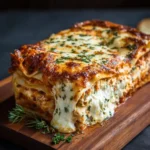
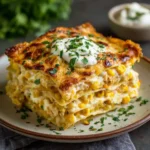
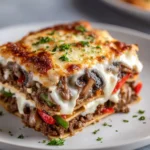
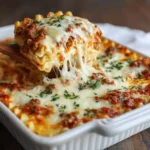
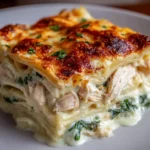
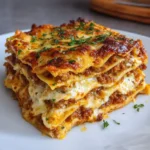
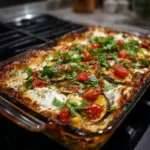
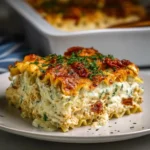
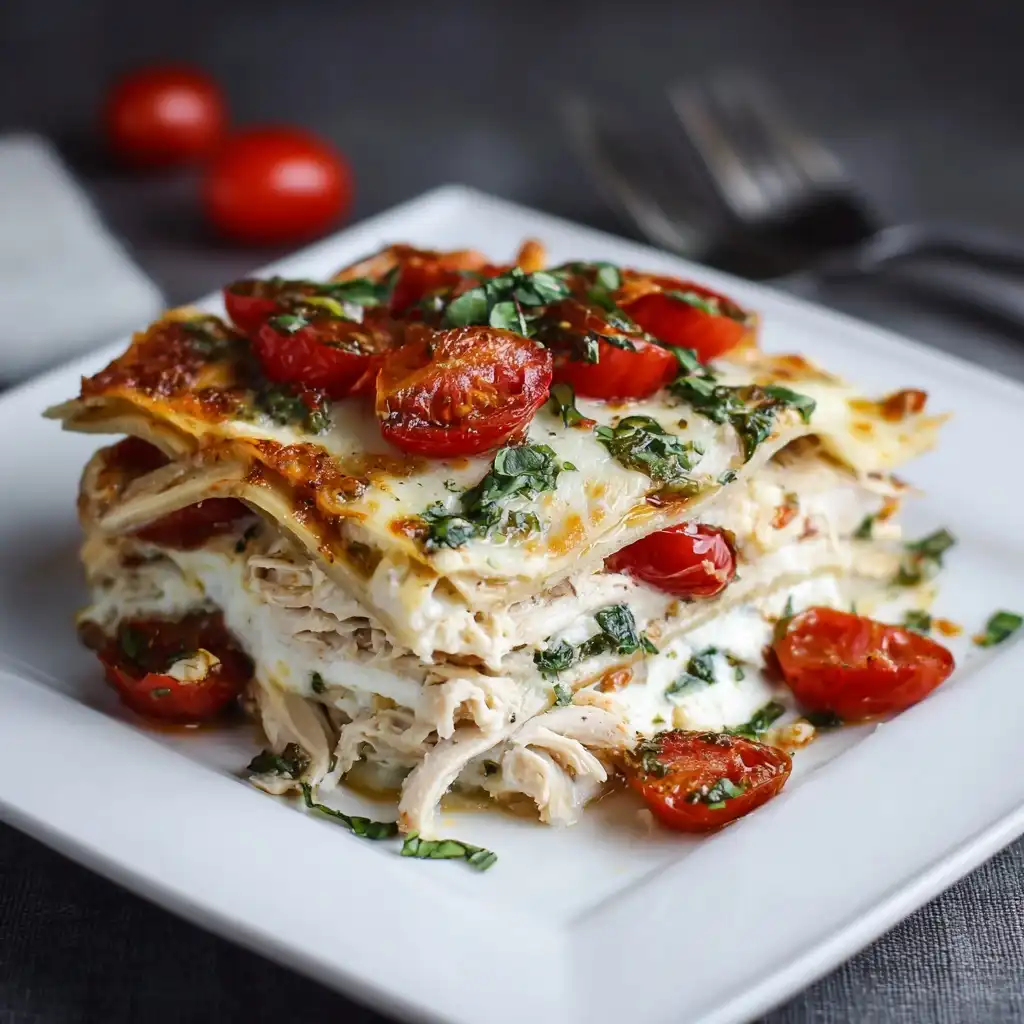
Caprese Chicken Lasagna is a stunning culinary fusion that marries the rustic charm of Italian-American comfort food with the vibrant, sun-drenched flavors of classic Caprese salad. This innovative dish transforms traditional lasagna—typically built with layers of pasta, ricotta, mozzarella, and tomato sauce—into a lighter, protein-forward masterpiece anchored by tender grilled or baked chicken breast, creamy fresh mozzarella, ripe heirloom tomatoes, fragrant basil, and a luscious balsamic reduction drizzle. Unlike conventional lasagna that relies on boiled noodles and heavy meat sauces, Caprese Chicken Lasagna embraces freshness, balance, and elegance without sacrificing richness or satisfaction. It’s ideal for weeknight dinners with gourmet flair, summer entertaining, potlucks where presentation matters, or even as an elevated Sunday supper that impresses without overwhelming the cook. With its harmonious blend of savory, sweet, tangy, and herbal notes—and its visually striking red-white-green palette—it’s as feast for the eyes as it is for the palate.
The History
While lasagna traces its roots to medieval Italy—evolving from layered pasta dishes documented as early as the 13th century in the *Liber de Coquina*—and the Caprese salad hails from post-WWII Capri (a patriotic tribute to the Italian flag using local ingredients: pomodoro, mozzarella di bufala, and basil), Caprese Chicken Lasagna is a distinctly modern American creation. Its emergence aligns with late-20th- and early-21st-century culinary trends: the rise of “deconstructed” classics, the popularity of lean proteins in home cooking, and the growing demand for restaurant-quality meals made accessible in domestic kitchens. Food bloggers, wellness-focused chefs, and meal-prep influencers began experimenting in the mid-2010s, substituting ground beef or sausage with grilled chicken breast to reduce saturated fat while amplifying texture and flavor absorption. The incorporation of fresh mozzarella (rather than low-moisture shreds) and vine-ripened tomatoes—often layered raw or lightly roasted—was inspired by the no-cook authenticity of Caprese, while the strategic use of no-boil lasagna noodles and a light, herb-infused tomato-basil marinara bridged tradition and innovation. Over time, this hybrid gained traction across Pinterest, Instagram, and recipe platforms not just for taste, but for its photogenic appeal, adaptability to dietary preferences (gluten-free, dairy-light, keto-modified), and its symbolic resonance: a celebration of simplicity, seasonality, and cross-cultural creativity in everyday cooking.
Ingredients Breakdown
Every element in Caprese Chicken Lasagna serves a precise functional and sensory role—no ingredient is merely decorative. Let’s explore them in depth:
- Chicken Breast (boneless, skinless): Serves as the structural and protein foundation. Opt for air-chilled, organic, or pasture-raised for optimal tenderness and clean flavor. Brining (15–30 minutes in 1 cup water + 1 tbsp kosher salt + 1 tsp sugar) ensures juiciness during baking. Seasoning with garlic powder, dried oregano, lemon zest, and black pepper adds aromatic depth without overpowering the Caprese profile.
- No-Boil Lasagna Noodles: The unsung hero—these thin, oven-ready sheets hydrate fully in the moisture-rich environment of the layered bake. They yield a delicate, slightly al dente bite and eliminate pre-cooking steps. For gluten-free versions, brown rice or lentil-based no-boil noodles perform exceptionally well when layered with sufficient sauce and covered tightly.
- Fresh Mozzarella (ciliegine or bocconcini preferred): Not shredded—but small, milky pearls or hand-torn slices. Their high moisture content melts luxuriously into creamy pools, releasing subtle lactic sweetness that balances acidity. Avoid pre-shredded “pizza mozzarella,” which contains anti-caking agents and lacks the delicate mouthfeel essential to Caprese authenticity.
- Vine-Ripened Tomatoes (heirloom or beefsteak): Chosen for their balanced sugar-acid ratio, firm-yet-yielding flesh, and low seed gel content. Roma tomatoes are acceptable for lower moisture, but sacrifice aromatic complexity. Slicing at room temperature (¼-inch thick) and salting lightly 10 minutes before layering draws out excess water—preventing sogginess and intensifying flavor through osmosis.
- Fresh Basil Leaves (Genovese variety): Hand-picked, unblemished, and added *after* baking (or in final layers only) to preserve volatile oils and vibrant green color. Thai basil may be substituted for anise-tinged nuance; purple basil adds visual drama but milder flavor.
- San Marzano–Style Marinara Sauce: A slow-simmered, low-sugar, herb-forward tomato base—ideally made with whole peeled San Marzano DOP tomatoes, extra-virgin olive oil, garlic confit, onion sofrito, fresh oregano, and a splash of dry white wine. Store-bought options must be free of added corn syrup, citric acid overload, or artificial thickeners (look for “tomato purée” as second ingredient, not “tomato paste”). This sauce binds the layers, infuses umami, and creates steam for noodle hydration.
- Ricotta Cheese (whole-milk, whole-fat): Drained overnight in cheesecloth over a bowl to remove whey, yielding dense, spoonable curds. Mixed with egg yolk, lemon zest, grated Parmigiano-Reggiano, minced garlic, and a pinch of nutmeg—this enriches without heaviness and prevents separation during baking.
- Balsamic Glaze (reduction): Not generic “balsamic dressing,” but a true reduction: Simmer 1 cup high-quality, aged balsamic vinegar (minimum 6% acidity, preferably Modena IGP) with 2 tbsp brown sugar and 1 tsp Dijon mustard until thick, glossy, and coats the back of a spoon (~12–15 min). It delivers bright acidity, caramelized sweetness, and viscosity critical for elegant drizzling and flavor contrast.
- Extra-Virgin Olive Oil (cold-pressed, early harvest): Used both for brushing chicken pre-grill and finishing the assembled lasagna pre-bake. Its peppery finish and fruit-forward aroma elevate every layer—especially when paired with basil and tomato.
- Finishing Touches: Flaky sea salt (Maldon or Fleur de Sel) applied post-bake enhances surface texture and mineral brightness; freshly cracked black pepper adds warmth; micro-basil or edible flowers (nasturtium, pansy) lend professional polish.
Step-by-Step Recipe
- Prep & Brine the Chicken (30 minutes ahead): In a shallow dish, combine 1 cup cold water, 1 tbsp kosher salt, 1 tsp sugar, and 1 tsp lemon juice. Submerge 4 boneless, skinless chicken breasts (approx. 6 oz each, pounded to ½-inch uniform thickness). Refrigerate 20–30 minutes. Remove, pat *very* dry with paper towels. Rub generously with 2 tbsp extra-virgin olive oil, 1 tsp garlic powder, ½ tsp dried oregano, zest of 1 lemon, and ¼ tsp black pepper. Set aside at room temperature.
- Grill or Pan-Sear the Chicken (12–15 minutes): Heat a cast-iron skillet or grill pan over medium-high heat until smoking lightly. Add 1 tbsp olive oil. Place chicken in pan—do not crowd. Sear undisturbed 5–6 minutes per side until deeply golden and internal temperature reaches 155°F (it will rise to 165°F while resting). Transfer to a cutting board; tent loosely with foil. Rest 10 minutes, then slice diagonally into ½-inch thick medallions.
- Prepare Components Simultaneously: While chicken rests, drain ricotta in cheesecloth-lined fine-mesh strainer over bowl (10 min). In a bowl, whisk drained ricotta with 1 large egg yolk, ¼ cup finely grated Parmigiano-Reggiano, zest of ½ lemon, 1 minced garlic clove, pinch of freshly grated nutmeg, ½ tsp kosher salt, and ¼ tsp black pepper. Set aside. Slice 3 large heirloom tomatoes into ¼-inch rounds; sprinkle lightly with salt and let drain on paper towels. Pat dry. Tear 1 cup fresh basil leaves—reserve half for garnish. Warm marinara gently in saucepan; stir in 1 tbsp chopped fresh basil.
- Assemble the Lasagna (in 9×13-inch baking dish): Lightly grease dish with olive oil. Spread ¾ cup warm marinara in bottom. Arrange 4 no-boil lasagna noodles lengthwise (slightly overlapping if needed—no gaps). Top evenly with ⅓ of ricotta mixture (dolloped and smoothed), followed by ½ of grilled chicken slices (fanned slightly), ⅓ of tomato slices (slightly overlapping), ⅓ of fresh mozzarella pearls (about ½ cup), and a generous scattering of reserved basil (¼ cup). Repeat layers: marinara (¾ cup), noodles (4), ricotta (⅓), chicken (remaining ½), tomatoes (⅓), mozzarella (⅓), basil (¼ cup). Final layer: marinara (¾ cup), noodles (4), remaining ricotta (⅓), remaining mozzarella (⅓), remaining tomatoes (⅓), and final basil scattering. Drizzle entire surface with 2 tbsp olive oil.
- Bake Covered (45 minutes): Cover tightly with double-layered aluminum foil (sealed edges prevent steam escape). Bake in preheated 375°F oven for 45 minutes—this steams noodles, melds flavors, and gently reheats chicken without drying.
- Uncover & Finish (15 minutes): Carefully remove foil. Increase oven temp to 425°F. Bake uncovered 12–15 minutes until top is golden, edges bubble vigorously, and internal temperature reads 165°F in center. Let rest *undisturbed* for 25 minutes—critical for structural integrity and sauce setting.
- Final Garnish & Serve: Just before serving, drizzle generously with ⅓–½ cup warm balsamic glaze in zigzag pattern. Sprinkle with flaky sea salt and remaining fresh basil. Optional: shaved Parmigiano-Reggiano or micro-basil. Cut with sharp chef’s knife dipped in hot water between cuts for clean slices.
Tips
- Noodle Hydration is Key: If using regular (not no-boil) lasagna noodles, parboil *exactly* 1 minute less than package directs, then shock in ice water and lay flat on parchment—overcooking guarantees mush. No-boil noodles require *at least* ¾ cup liquid per layer—ensure marinara is warm and abundant.
- Tomato Moisture Management: Never skip salting and draining tomatoes. Excess water turns lasagna into soup. For ultra-dry results, place sliced tomatoes on a wire rack over a sheet pan and refrigerate uncovered for 1 hour pre-assembly.
- Moisture vs. Structure Balance: Too much ricotta = soggy layers; too little = dry gaps. Always drain ricotta thoroughly—even “part-skim” varieties release surprising whey. Stirring in egg yolk adds binding power without rubberiness.
- Resting is Non-Negotiable: Cutting too soon releases trapped steam and causes collapse. The 25-minute rest allows starches to set, cheeses to re-emulsify, and sauces to thicken naturally via residual heat.
- Grill Marks Matter: Those dark sear lines aren’t just aesthetic—they’re concentrated flavor compounds (Maillard reaction) that infuse the entire dish. Don’t move chicken until release occurs naturally.
- Oven Thermometer Essential: Many home ovens run hot or cold. An accurate oven thermometer prevents under-baking (raw noodles) or over-baking (tough chicken, split cheese).
- Balsamic Glaze Timing: Apply *only after baking*. Heat breaks down its delicate viscosity and caramel notes. Warm gently before drizzling—not hot, not cold.
- Cut Clean Slices: Use a serrated knife for tomato/mozzarella layers; dip blade in hot water and wipe dry between every cut. Serve immediately—texture degrades after 10 minutes.
- Make-Ahead Strategy: Assemble up to 24 hours ahead (unbaked); cover tightly and refrigerate. Add 10–15 minutes to covered bake time. Or bake fully, cool completely, refrigerate up to 3 days, then reheat covered at 325°F for 35–45 minutes.
- Freezing Success: Freeze unbaked (tightly wrapped in foil + freezer bag) up to 3 months. Thaw overnight in fridge before baking—add 20 minutes to covered time. Avoid freezing *after* baking—the tomatoes weep excessively upon thaw/reheat.
Variations and Customizations
This recipe is a canvas—adaptable across dietary needs, seasonal produce, pantry constraints, and global inspirations:
- Vegetarian Caprese Lasagna: Replace chicken with roasted zucchini ribbons (salted, grilled, brushed with herb oil), marinated portobello caps, or pan-seared eggplant slices. Boost umami with sun-dried tomato paste swirled into marinara.
- Gluten-Free Version: Use certified GF no-boil lasagna noodles (Tinkyada brown rice or Barilla GF). Ensure all sauces, cheeses, and seasonings are GF-certified (watch for malt vinegar or modified food starch).
- Keto/Low-Carb Adaptation: Substitute noodles with thinly sliced zucchini or yellow squash (blanched 1 minute, patted dry), or use oven-roasted cabbage leaves. Increase ricotta and mozzarella; add ¼ cup almond flour to ricotta mix for binding. Skip balsamic glaze (high sugar)—use sugar-free reduction or lemon-thyme vinaigrette.
- Dairy-Light Option: Replace ricotta with blended silken tofu + lemon juice + nutritional yeast. Use fresh mozzarella sparingly (½ amount) and supplement with creamy avocado slices post-bake. Omit Parmigiano; use white miso paste (½ tsp) in ricotta mix for depth.
- Mediterranean Twist: Add kalamata olives (pitted, halved), crumbled feta, and roasted red peppers. Swap basil for oregano and mint. Use lemon-infused olive oil.
- Spicy Arrabbiata Style: Stir 1–2 tsp Calabrian chili paste or crushed red pepper flakes into marinara. Top final layer with pickled jalapeños and cilantro instead of basil.
- Herb-Infused Luxury: Infuse olive oil with rosemary and thyme (gently warmed, then cooled). Add lemon verbena or chervil to basil. Use burrata instead of mozzarella for decadent creaminess.
- Sheet Pan “Deconstructed” Lasagna: Layer components on a rimmed baking sheet: marinara base, chicken, tomatoes, mozzarella, basil. Broil 3–4 minutes until bubbly. Drizzle with glaze. Faster, crispier edges, ideal for casual gatherings.
- Mini Individual Servings: Use muffin tins or ramekins. Layer in order: sauce, noodle round (cut to fit), ricotta, chicken, tomato, mozzarella, basil. Bake 25–30 minutes covered, 5 uncovered. Perfect for portion control or kids’ portions.
- Winter Variation: Swap tomatoes for roasted pear or apple slices (tossed in maple and cinnamon), caramelized onions, and Gruyère instead of mozzarella. Keep basil but add sage.
Health Considerations and Nutritional Value
A single 1-cup serving (approx. 1/8 of 9×13-inch pan) of Caprese Chicken Lasagna provides approximately:
- Calories: 385–420 kcal (varies by cheese quantity and glaze)
- Protein: 32–36 g (chicken + ricotta + mozzarella deliver complete amino acid profile)
- Fat: 18–22 g (mostly unsaturated from olive oil and mozzarella; ~6 g saturated)
- Carbohydrates: 24–28 g (primarily complex carbs from noodles; fiber ~2.5 g from tomatoes/basil)
- Sodium: 580–650 mg (controlled by low-sodium marinara and mindful cheese selection)
- Vitamins & Minerals: Excellent source of calcium (35% DV), vitamin B12 (45% DV), selenium (50% DV), vitamin C (25% DV from tomatoes), lycopene (antioxidant), and vitamin K (from basil).
Wellness Highlights:
- Heart-Healthy Fats: Extra-virgin olive oil contributes monounsaturated fats and polyphenols linked to reduced inflammation and improved endothelial function.
- Antioxidant Density: Lycopene in cooked tomatoes increases bioavailability; basil supplies eugenol and rosmarinic acid; balsamic contains quercetin and anthocyanins.
- Low Added Sugar: When made with unsweetened marinara and homemade glaze (using minimal natural sweetener), total added sugar stays under 3g/serving—ideal for metabolic health.
- Digestive Support: Fermented dairy (mozzarella, ricotta) offers probiotic strains; basil contains digestive terpenes; tomatoes provide potassium for fluid balance.
- Weight-Conscious Friendly: High protein and fiber promote satiety; portion-controlled servings align with mindful eating principles. The dish avoids refined flour overload common in traditional lasagna.
Considerations: Those with lactose sensitivity may tolerate fresh mozzarella better than aged cheeses due to lower lactose content—but ricotta contains moderate lactose; lactase enzyme supplements or lactose-free ricotta are viable alternatives. For sodium-restricted diets (e.g., hypertension), opt for no-salt-added tomatoes, rinse canned ingredients, and omit added salt in marinade—relying on herbs and citrus for flavor.
Ingredients
- 4 boneless, skinless chicken breasts (about 1.5 lbs / 680g), pounded to ½-inch thickness
- 1 cup cold water
- 1 tbsp kosher salt
- 1 tsp sugar
- 1 tsp fresh lemon juice
- 3 tbsp extra-virgin olive oil, divided
- 1 tsp garlic powder
- ½ tsp dried oregano
- Zest of 1 large lemon
- ¼ tsp freshly ground black pepper
- 15 no-boil lasagna noodles (regular or gluten-free)
- 3 cups San Marzano–style marinara sauce (low-sugar, no corn syrup)
- 2 cups whole-milk ricotta cheese (drained overnight)
- 1 large egg yolk
- ¼ cup finely grated Parmigiano-Reggiano
- Zest of ½ lemon
- 1 garlic clove, finely minced
- Pinch of freshly grated nutmeg
- ½ tsp kosher salt
- 3 large heirloom or beefsteak tomatoes (about 1.5 lbs / 680g), sliced ¼-inch thick
- 12 oz fresh mozzarella (ciliegine or bocconcini), drained and patted dry
- 1 cup fresh basil leaves (plus extra for garnish)
- ½ cup high-quality balsamic vinegar (aged, minimum 6% acidity)
- 2 tbsp brown sugar (or coconut sugar)
- 1 tsp Dijon mustard
- Flaky sea salt (Maldon or Fleur de Sel), for finishing
- Freshly cracked black pepper, for finishing
Directions
- Brine chicken: In shallow dish, combine 1 cup water, 1 tbsp kosher salt, 1 tsp sugar, and 1 tsp lemon juice. Submerge chicken. Refrigerate 20–30 minutes. Remove, pat *extremely* dry. Rub with 2 tbsp olive oil, garlic powder, oregano, lemon zest, and pepper. Set aside at room temperature.
- Heat cast-iron or heavy skillet over medium-high. Add 1 tbsp olive oil. Sear chicken 5–6 min per side until golden and internal temp reaches 155°F. Rest 10 minutes, then slice diagonally into ½-inch medallions.
- Drain ricotta in cheesecloth-lined strainer 10 minutes. Whisk with egg yolk, Parmigiano, lemon zest, garlic, nutmeg, ½ tsp salt, and pepper.
- Lightly grease 9×13-inch baking dish. Spread ¾ cup marinara on bottom. Layer: 4 noodles → ⅓ ricotta → ½ chicken → ⅓ tomatoes → ⅓ mozzarella → ¼ cup basil. Repeat twice. Top with final noodles, remaining ricotta, mozzarella, tomatoes, and basil. Drizzle surface with remaining 1 tbsp olive oil.
- Cover tightly with double foil. Bake at 375°F for 45 minutes.
- Uncover, increase oven to 425°F. Bake 12–15 minutes until bubbling and golden.
- Rest 25 minutes undisturbed.
- While resting, prepare glaze: Simmer balsamic, brown sugar, and Dijon 12–15 minutes until thick and syrupy. Cool slightly.
- Drizzle warm glaze over lasagna. Sprinkle with flaky salt, black pepper, and extra basil. Serve immediately.
FAQ
- Can I use frozen chicken breasts?
- Yes—but thaw *completely* in refrigerator (24–36 hours). Never brine or sear partially frozen chicken, as it steams instead of sears. Pat *aggressively* dry to ensure proper browning.
- What if I can’t find no-boil noodles?
- You can substitute regular lasagna noodles. Boil *1 minute less* than package directs, drain, rinse under cold water, and lay flat on parchment. Use 1 extra ½ cup marinara to compensate for lower hydration.
- Why does my lasagna turn watery?
- Most commonly: un-drained tomatoes, undrained ricotta, or insufficient resting time. Also check marinara—some brands contain excessive water or tomato puree instead of whole tomatoes. Simmer store-bought sauce 5–10 minutes to reduce.
- Can I make this dairy-free?
- Absolutely. Use soaked cashew ricotta (blended cashews + lemon + nutritional yeast + garlic), Miyoko’s mozzarella shreds (melts well), and omit Parmigiano. Boost umami with white miso or mushroom powder in “ricotta.”
- Is the balsamic glaze necessary?
- It’s highly recommended for authentic Caprese contrast—but you can substitute a lemon-thyme vinaigrette (2 tbsp lemon juice + 3 tbsp olive oil + 1 tsp chopped thyme + pinch salt) for acidity and brightness without sugar.
- How do I reheat leftovers without drying them out?
- Place individual slices in oven-safe dish. Add 1 tbsp water or marinara to bottom. Cover tightly with foil. Reheat at 325°F for 20–25 minutes until piping hot. Microwaving leads to rubbery cheese and tough chicken.
- Can I add spinach or other greens?
- Yes—sauté 5 oz fresh spinach with 1 tsp garlic and 1 tbsp olive oil until wilted and water evaporates. Cool completely, squeeze *dry*, then layer between ricotta and chicken. Adds iron and folate without altering texture.
- What wine pairs best with this dish?
- A chilled, high-acid Italian white like Vermentino or Falanghina cuts through richness. For red lovers, choose a light-bodied, low-tannin option like Barbera d’Alba or chilled Lambrusco.
- Can I assemble this the night before and bake fresh?
- Yes—assemble fully, cover tightly with plastic wrap + foil, refrigerate up to 24 hours. Remove plastic, cover with fresh foil, and bake as directed—adding 10–15 minutes to covered bake time.
- Why does my mozzarella not melt smoothly?
- Fresh mozzarella has higher moisture and lower pH than low-moisture mozzarella—so it melts into creamy pools rather than stretchy strings. That’s intentional! If you prefer stringiness, blend ½ cup fresh + ½ cup low-moisture mozzarella.
Summary
Caprese Chicken Lasagna is a masterclass in thoughtful fusion—honoring Italian tradition while embracing modern wellness, seasonal abundance, and culinary creativity. It transforms humble ingredients into a showstopping, nutrient-dense centerpiece that satisfies deeply without weighing down.
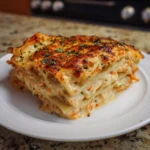
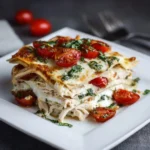
With its golden-brown crust, tender chicken medallions, jewel-toned tomatoes, clouds of fresh mozzarella, and glossy balsamic finish, this dish proves that comfort food and elegance are not