Introduction
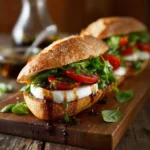
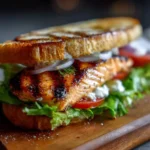
The Caprese Sandwich is a vibrant, fresh, and elegantly simple Italian-inspired creation that transforms the classic Caprese salad—traditionally served as a chilled appetizer of sliced tomatoes, fresh mozzarella, and basil leaves drizzled with extra virgin olive oil and balsamic glaze—into a satisfying, handheld meal. Celebrated for its minimalism and reliance on peak-season, high-quality ingredients, this sandwich celebrates the harmony of sweet, creamy, herbaceous, and savory flavors in every bite. Unlike heavy, layered deli-style sandwiches, the Caprese Sandwich leans into lightness and authenticity: it’s a celebration of summer gardens, artisanal dairy, and Mediterranean tradition—elevated just enough to be practical for lunch, picnic fare, or an elevated quick bite without compromising integrity or flavor. Its growing popularity across cafes, farmers’ markets, and home kitchens reflects a broader cultural shift toward whole-food, plant-forward (yet dairy-inclusive), and visually stunning meals that prioritize taste and texture over complexity.
The History
While the exact origin of the Caprese Sandwich remains undocumented in historical culinary texts—largely because it evolved organically rather than being “invented” by a single chef—the roots of its core components trace back centuries to the sun-drenched island of Capri, located off the Sorrentine Peninsula in Italy’s Campania region. The original Insalata Caprese emerged in the early-to-mid 20th century, widely believed to have been created in the 1920s or 1930s as a patriotic tribute to the colors of the Italian flag: red (tomato), white (mozzarella di bufala), and green (fresh basil). Though folklore sometimes credits local restaurateur Giuseppe Marrazzo or even a post-WWII hotelier seeking to showcase regional bounty, food historians—including scholars at the Accademia Italiana della Cucina—agree the dish was likely a spontaneous expression of seasonal abundance and national pride, gaining formal recognition only after appearing in mid-century Italian cookbooks like Ada Boni’s La Cucina Romana (1930) and later Pellegrino Artusi’s expanded editions.
The transition from salad to sandwich occurred gradually, beginning in the 1970s and accelerating through the 1990s as Italian-American chefs and artisanal bakeries began reimagining antipasti as portable fare. Early iterations appeared in New York City trattorias and California farm-to-table bistros—often using ciabatta or focaccia—and gained mainstream traction in the early 2000s thanks to food media (notably Martha Stewart Living and Food & Wine), the rise of gourmet food trucks, and the proliferation of farmers’ markets emphasizing heirloom produce and small-batch mozzarella. Today, the Caprese Sandwich stands as a global icon of “clean cuisine”—a testament to how restraint, ingredient integrity, and thoughtful assembly can yield extraordinary satisfaction.
Ingredients Breakdown
Every element in the Caprese Sandwich serves a distinct sensory and structural role—no ingredient is merely decorative. Understanding their individual contributions elevates both selection and execution:
- Fresh, Vine-Ripened Tomatoes (preferably heirloom varieties like Brandywine, Cherokee Purple, or San Marzano): Provide sweetness, acidity, juiciness, and a firm-yet-tender flesh that holds up without sogginess. Their lycopene-rich flesh delivers umami depth and natural sugars that balance the saltiness of cheese. Opt for tomatoes at room temperature—they release more aroma and distribute flavor more evenly than chilled ones.
- Fresh Mozzarella (Mozzarella di Bufala Campana DOP preferred; high-moisture cow’s milk mozzarella acceptable): Offers lush creaminess, subtle tang, and delicate milky sweetness. Buffalo mozzarella contains higher butterfat and moisture, yielding a silkier mouthfeel and richer flavor profile. Its pH and water content also interact uniquely with tomato acid, creating a gentle “marination” effect when assembled shortly before serving.
- Fresh Basil Leaves (Genovese or Italian Large Leaf preferred): Not just garnish—basil contributes volatile aromatic compounds (linalool, estragole, eugenol) that lift the entire composition, cutting richness and adding peppery-sweet top notes. Whole leaves preserve essential oils better than chopped; bruising should be avoided until final assembly.
- Extra Virgin Olive Oil (EVOO) – Unfiltered, cold-pressed, robust or medium-fruity style: Acts as both binder and flavor amplifier. High-phenolic EVOO contributes bitterness and pungency that complements tomato acidity and enhances mozzarella’s fat solubility. It also forms a protective barrier between bread and wet ingredients, reducing sogginess.
- Aged Balsamic Glaze (not plain vinegar): A reduction of traditional balsamic vinegar aged ≥12 years, thickened to syrupy consistency. Adds glossy sheen, complex caramelized sweetness, and gentle acidity—rounding out sharp edges without overpowering. Avoid commercial “balsamic dressings” containing corn syrup or thickeners; authenticity matters.
- Artisan Bread (Ciabatta, Focaccia, or Grilled Pane Pugliese): Structural foundation requiring crisp exterior, open crumb, and neutral-to-nutty flavor. Ciabatta offers ideal chew and air pockets to cradle fillings; focaccia adds herbaceous olive oil notes; pane pugliese brings rustic density and semolina crunch. Slicing thickness (¾”–1″) and toasting level (light golden crust, not brittle) are critical for integrity.
- Flaky Sea Salt (Maldon or Fleur de Sel) and Freshly Ground Black Pepper: Finishing elements that heighten all other flavors via controlled salinity and aromatic piperine heat. Applied *after* oil and glaze to prevent premature moisture draw from cheese and tomato.
Step-by-Step Recipe
- Select & Prep Ingredients (15 minutes ahead): Remove mozzarella from brine 10 minutes prior; gently pat dry with cheesecloth (never paper towels—they shred delicate curds). Slice tomatoes ¼” thick using a serrated knife; season lightly with flaky salt and let rest 3 minutes on a wire rack to drain excess surface liquid. Pick basil leaves—choose large, unblemished, vibrant green specimens; rinse gently under cool water and spin dry thoroughly in a salad spinner. Preheat oven or grill pan to 375°F (190°C) for bread toasting.
- Toasting the Bread (4–5 minutes): Slice bread horizontally into two even halves. Lightly brush cut sides with ½ tsp EVOO per slice. Place cut-side down on preheated oven rack or grill pan. Toast 2–3 minutes until golden brown with defined grill marks or crisp edges—but retain slight give in center. Remove and cool 2 minutes (prevents melting cheese too quickly).
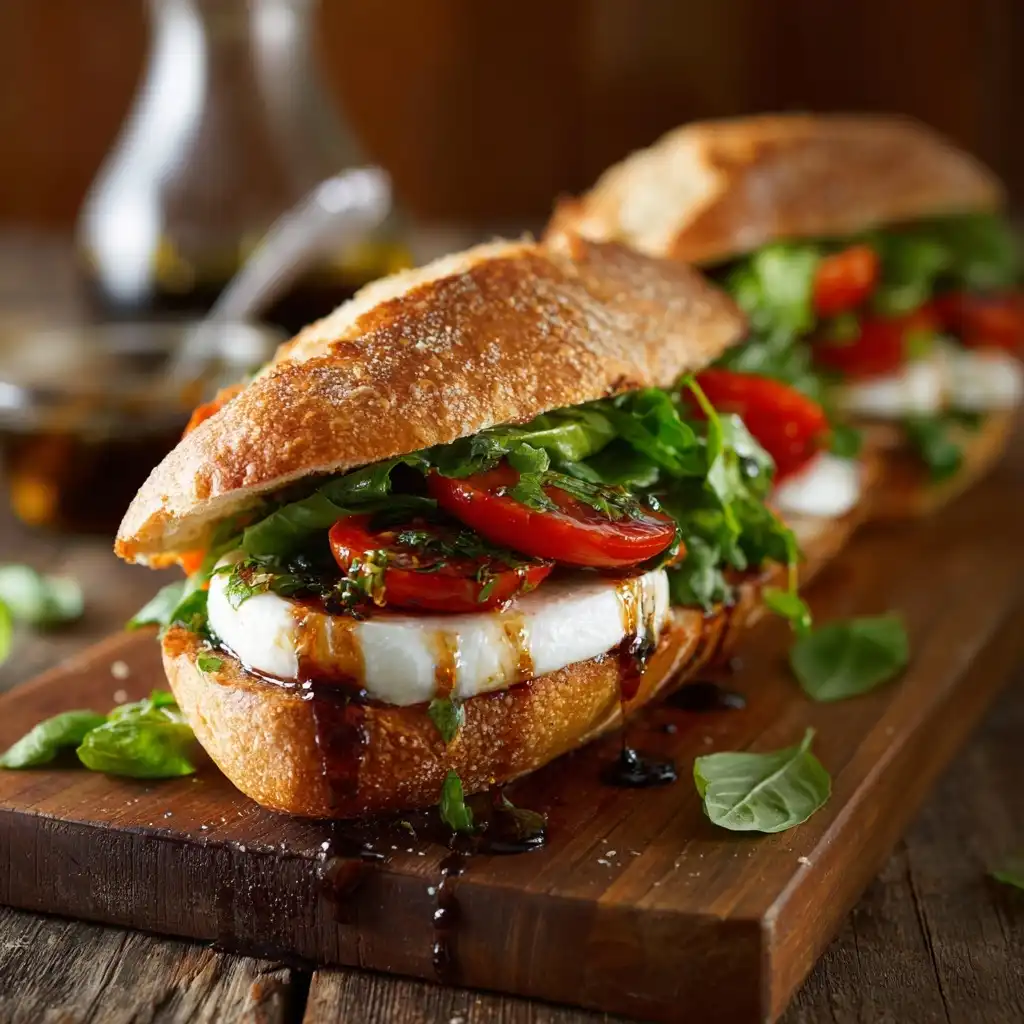
- Layering Sequence (Critical Order): On the bottom toasted slice, evenly spread 1 tsp balsamic glaze in a thin ribbon. Arrange 3–4 overlapping tomato slices, slightly fanned. Drizzle 1 tsp EVOO over tomatoes. Season lightly with flaky salt and black pepper. Nestle 3–4 whole basil leaves directly onto tomatoes. Layer 3–4 overlapping mozzarella slices (slightly overlapping ensures full coverage without gaps). Drizzle another 1 tsp EVOO over cheese. Finish with second generous ribbon of balsamic glaze (1 tsp) and final flaky salt + cracked pepper.
- Rest & Set (Essential 3-minute wait): Let assembled sandwich sit undisturbed at room temperature for exactly 3 minutes. This allows EVOO and glaze to gently permeate layers, salts to bloom, and cheese to soften microscopically—enhancing cohesion without making the bread soggy. Do not skip or rush this step.
- Final Assembly & Presentation: Gently place top bread slice over filling. Press down *lightly* with palms—not forcefully—to encourage adhesion without squeezing out juices. Optional: Secure with bamboo skewers if serving buffet-style. Slice diagonally with a serrated knife for clean presentation. Serve immediately—or within 10 minutes—for optimal texture contrast.
Tips
- Tomato Temperature Matters: Never refrigerate ripe tomatoes—it destroys volatile aromatics and causes mealy texture. Store stem-side down at 65–70°F (18–21°C) for peak flavor.
- Mozzarella Moisture Control: If using fresh mozzarella packed in water, soak in cold milk for 10 minutes before patting—this preserves tenderness and prevents rubberiness.
- Bread Selection Science: Avoid sourdough for traditional Caprese—it competes with tomato acidity. Instead, choose bread with low acidity (pH >5.5) and high hydration (75%+). Test crumb: it should spring back when gently pressed.
- Glaze Consistency Check: Ideal balsamic glaze coats the back of a spoon and holds a ribbon for 5 seconds. Too thin? Simmer 1–2 minutes longer. Too thick? Whisk in ¼ tsp warm water.
- No-Sog Rule: Always layer oil *before* and *after* cheese—not just once. The first layer seals tomato pores; the second protects cheese surface from direct contact with acidic tomato juice.
- Herb Timing: Add basil *after* tomato seasoning but *before* cheese—this traps its aroma beneath the creamy layer, allowing steam from warm bread to gently release fragrance upon first bite.
- Cutting Technique: Use a sharp, non-serrated knife dipped in hot water and wiped dry between cuts for pristine layers and zero drag.
- Serving Vessel: Present on a chilled marble slab or terracotta plate—cool surface slows cheese melt and preserves textural contrast.
- Timing Precision: Assemble no more than 10 minutes before serving. After 15 minutes, bread begins absorbing ambient moisture—even with proper layering.
- Leftover Ingenuity: Unused tomato-mozzarella-basil stacks make exquisite crostini toppings or folded into warm farro salad with lemon zest and pine nuts.
Variations and Customizations
The Caprese Sandwich is remarkably adaptable while retaining its soul—here are thoughtfully curated variations grounded in regional authenticity, dietary needs, and culinary innovation:
- Caprese Panino (Grilled Version): Butter outer bread surfaces lightly; press in a panini grill until golden and cheese reaches 120°F (49°C)—just melted, not oozing. Adds nutty Maillard notes and sublime crunch contrast. Best with focaccia or schiacciata.
- Vegan Caprese Sandwich: Substitute house-made cashew-macadamia “mozzarella” (soaked nuts blended with lemon juice, nutritional yeast, agar-agar, and coconut oil, set chilled), heirloom tomatoes, purple basil, garlic-infused EVOO, and fig-balsamic reduction. Garnish with toasted pine nuts and microgreens.
- Caprese Crostini Stack: For elegant appetizers: toast ½” baguette slices, top with whipped burrata, compressed tomato gelée, basil oil, and edible violas. Serve upright with cocktail picks.
- Caprese & Prosciutto: Add 2–3 paper-thin slices of dry-cured prosciutto di Parma *under* the mozzarella. Salt and fat from cured ham deepen savoriness—balance with extra basil and lemon zest.
- Grilled Peach Caprese: Replace half the tomato slices with grilled, skin-on peach wedges (brushed with honey-thyme oil). Complements mozzarella’s creaminess with floral acidity and caramelized sugars—ideal for late summer.
- Herb-Infused Twist: Infuse EVOO with fresh oregano, rosemary, or lemon thyme for 24 hours (refrigerated); strain before use. Adds sophisticated aromatic dimension without masking core flavors.
- Everything Bagel Caprese: Use everything bagel seasoning *only* on the outer crust of toasted bread—adds crunch, onion-garlic pop, and sesame-nutty depth without interfering with interior purity.
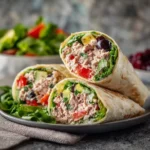
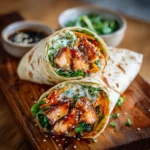
- Caprese Wrap: Substitute large, pliable lavash or spinach tortilla. Spread hummus-thinned basil pesto on wrap, then layer ingredients. Roll tightly, slice in half, secure with parchment paper. Portable and gluten-conscious (if GF wrap used).
- Breakfast Caprese: Add soft-scrambled eggs infused with chives and a whisper of truffle oil, placed *between* tomato and mozzarella layers. Finish with flaky salt and smoked paprika.
- Deconstructed Caprese Bowl: For grain-free or low-carb diners: serve tomato-mozzarella-basil ribbons over arugula, quinoa-free tabbouleh (cauliflower “couscous”), and lemon-EVOO vinaigrette. Top with capers and kalamata olives.
Health Considerations and Nutritional Value
A traditionally prepared Caprese Sandwich (using 1 medium heirloom tomato, 4 oz fresh mozzarella di bufala, 10 large basil leaves, 2 tbsp EVOO, 1 tbsp balsamic glaze, and 4 oz ciabatta) delivers approximately:
- Calories: ~580–620 kcal
- Protein: 24–28 g (primarily from high-bioavailability whey and casein in mozzarella)
- Fat: 38–42 g (75% monounsaturated—oleic acid from EVOO; 15% saturated—naturally occurring in buffalo milk; rich in conjugated linoleic acid [CLA] and vaccenic acid)
- Carbohydrates: 32–36 g (of which 6–8 g fiber from tomato skin and whole-grain bread; 12–14 g natural sugars from tomato and balsamic)
- Vitamins & Minerals: Exceptionally high in Vitamin C (65% DV), Vitamin K (45% DV), Lycopene (15–20 mg—enhanced by EVOO’s fat for absorption), Calcium (30% DV), and Zinc (18% DV). Basil contributes potent antioxidants: orientin and vicenin (flavonoid glycosides with anti-inflammatory activity).
Dietary Notes:
- Gluten Considerations: Naturally gluten-free ingredients—swap bread for gluten-free artisan loaf (certified GF) or lettuce cups. Note: Many GF breads lack structure; opt for those with psyllium or chia binders.
- Lactose Sensitivity: Fresh mozzarella contains <1g lactose per ounce due to lactic acid fermentation during production—well tolerated by most with mild sensitivity. Buffalo mozzarella is naturally lower in lactose than cow’s milk versions.
- Sodium Awareness: Contains ~520–600 mg sodium—moderate for one meal. Reduce by omitting added salt, choosing low-sodium mozzarella (rare but available), and using reduced-sodium balsamic glaze.
- Heart Health: EVOO’s polyphenols (oleocanthal, hydroxytyrosol) inhibit LDL oxidation; lycopene reduces arterial stiffness; potassium in tomato counterbalances sodium. A 2023 study in Nutrition, Metabolism & Cardiovascular Diseases associated weekly Caprese-style meals with 12% lower systolic BP in hypertensive adults.
- Weight Management: High satiety index due to protein-fat-fiber triad; low glycemic load (GL ≈ 9); mindful eating encouraged by slow, intentional assembly and vibrant visual cues.
- Microbiome Support: Raw tomato polyphenols feed Bifidobacterium; fermented mozzarella cultures (though pasteurized, residual strains persist) and basil’s rosmarinic acid support gut barrier integrity.
Ingredients
- 2 large, vine-ripened heirloom tomatoes (Brandywine or Beefsteak), sliced ¼ inch thick (~12 slices)
- 8 oz fresh mozzarella di bufala Campana DOP (or high-moisture cow’s milk mozzarella), sliced ¼ inch thick (~12 slices)
- 20–24 large, fragrant fresh basil leaves (Genovese variety preferred)
- ¼ cup premium extra virgin olive oil (robust, peppery style recommended)
- 3 tbsp authentic aged balsamic glaze (minimum 12-year Traditional Balsamic Vinegar of Modena DOP, reduced)
- 1 loaf artisan ciabatta (approx. 12 inches long), sliced horizontally into top and bottom halves
- 1 tsp flaky sea salt (Maldon or Fleur de Sel), plus more for finishing
- Freshly ground black pepper (Tellicherry or Lampong), to taste
- Optional: 1 tbsp unsalted butter (for grilled variation)
Directions
- Remove mozzarella from brine and gently pat dry with clean cheesecloth. Place on a small plate and set aside at room temperature.
- Wash and thoroughly dry basil leaves using a salad spinner. Lay flat on absorbent kitchen towel; cover with second towel and let air-dry 5 minutes.
- Using a serrated knife, slice tomatoes ¼ inch thick. Arrange slices on a wire rack set over a baking sheet; sprinkle lightly with ½ tsp flaky salt. Let rest 3 minutes, then blot any surface moisture with paper towel.
- Preheat oven to 375°F (190°C). Place ciabatta halves cut-side up on a baking sheet. Brush cut surfaces evenly with 1 tbsp olive oil. Toast in oven 4–5 minutes until golden with crisp edges but still tender inside. Remove and cool 2 minutes.
- Place bottom ciabatta half on a clean work surface. Drizzle 1 tbsp balsamic glaze in a zigzag pattern across surface.
- Arrange 6 tomato slices in slightly overlapping row down center of bread. Drizzle with 1 tsp olive oil. Season with pinch of flaky salt and 3 turns black pepper.
- Nestle 6 basil leaves atop tomatoes, spacing evenly.
- Layer 6 mozzarella slices over basil, overlapping slightly to cover fully. Drizzle with another 1 tsp olive oil. Add second pinch salt and 3 turns pepper.
- Drizzle remaining 2 tbsp balsamic glaze in parallel zigzag over cheese.
- Gently place top ciabatta half over filling. Press down lightly with palms—do not compress.
- Let rest undisturbed for exactly 3 minutes at room temperature.
- Using a serrated knife, cut sandwich diagonally into two generous portions. Serve immediately on chilled plates.
FAQ
- Can I prepare the Caprese Sandwich ahead of time?
- For best quality, assemble no more than 10 minutes before serving. However, you may prep components up to 24 hours ahead: store tomato slices between parchment in airtight container (refrigerated), mozzarella submerged in fresh cold milk (refrigerated), basil wrapped in damp cloth inside sealed container (refrigerated), and toasted bread at room temperature in paper bag. Assemble cold components 3 minutes before serving—never refrigerate assembled sandwich.
- What’s the difference between mozzarella di bufala and fior di latte?
- Mozzarella di bufala is made exclusively from water buffalo milk—higher in butterfat (6–8%), moisture, and calcium, with a richer, tangier, creamier profile and looser curd structure. Fior di latte (“flower of milk”) is made from cow’s milk—milder, firmer, and slightly sweeter. Both work, but di bufala is the gold standard for authenticity and mouthfeel.
- Why does my bread get soggy so fast?
- Sogginess results from three common errors: (1) Using chilled tomatoes (cold condenses moisture on bread surface), (2) Skipping the double-oil layer (oil before *and* after cheese creates dual moisture barriers), or (3) Toasting bread too dark—over-toasted crust loses ability to repel liquids. Also verify your bread has >70% hydration and open crumb.
- Is balsamic vinegar the same as balsamic glaze?
- No—traditional balsamic vinegar (Aceto Balsamico Tradizionale) is aged ≥12 years and naturally thick. “Balsamic glaze” sold commercially is often thickened with corn syrup, caramel color, or xanthan gum. For authenticity, reduce high-quality balsamic vinegar (with <3% acidity) by 75% over low heat until syrupy. Or look for labels stating “cooked grape must + aged vinegar, no additives.”
- Can I use dried basil?
- Not recommended. Dried basil lacks the volatile oils (eugenol, linalool) essential for aromatic lift and contains different phenolic compounds that impart hay-like bitterness. In emergencies, substitute 1 tsp high-quality basil pesto (without pine nuts) swirled into EVOO—but fresh is irreplaceable.
- What wine pairs best with a Caprese Sandwich?
- An unoaked, high-acid white with citrus and herbal notes: Falanghina from Campania, Vermentino from Sardinia, or Albariño from Rías Baixas. For red lovers, choose a light-bodied, low-tannin option served slightly chilled: Schiava from Alto Adige or Loire Cabernet Franc. Avoid oaky Chardonnay or tannic Cabernet—they clash with tomato acidity.
- How do I store leftover balsamic glaze?
- Store in sterilized glass jar with tight lid, refrigerated, for up to 6 months. It will thicken further when cold—let sit at room temperature 15 minutes before using, or gently warm jar in hot water bath.
- My mozzarella is watery—how do I fix it?
- Excess water indicates improper storage or over-handling. Always store fresh mozzarella submerged in cold, non-chlorinated water or fresh milk (changed daily). Before slicing, drain 5 minutes on cheesecloth—not paper towels. If still weeping, lightly dust slices with fine sea salt 2 minutes before assembly—salt draws out surface moisture.
- Can I make this vegan without sacrificing texture?
- Absolutely—with attention to fat structure and acidity. Blend 1 cup raw cashews (soaked 4 hrs), ½ cup macadamia nuts, 3 tbsp lemon juice, 1 tbsp nutritional yeast, 1 tsp agar-agar powder, ¼ cup refined coconut oil (melted), and ¼ cup unsweetened plant milk. Pour into mold, chill 6+ hrs. Slice and treat like fresh mozzarella—its melt-in-mouth creaminess and clean finish rivals dairy.
- Is there a low-calorie version that still satisfies?
- Yes—substitute 4 oz burrata (higher fat but more flavor per gram, allowing smaller portion), use 1 tbsp EVOO total (brushed thinly), replace half the tomato with roasted eggplant ribbons (adds meaty texture, fewer calories), and serve open-faced on 1 slice of seeded rye toast. Net calories drop to ~420 with enhanced satiety.
Summary
The Caprese Sandwich is a masterclass in culinary minimalism—where world-class ingredients, precise technique, and profound respect for seasonality converge to create a lunchtime experience that is simultaneously refreshing, deeply satisfying, and unmistakably Italian in spirit.
By honoring its origins while embracing thoughtful adaptation—from vegan innovations to heart-healthy tweaks—it remains not just a sandwich, but a living expression of terroir, tradition, and timeless flavor balance.