Introduction
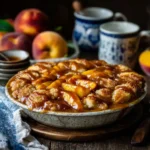
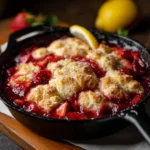
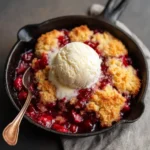
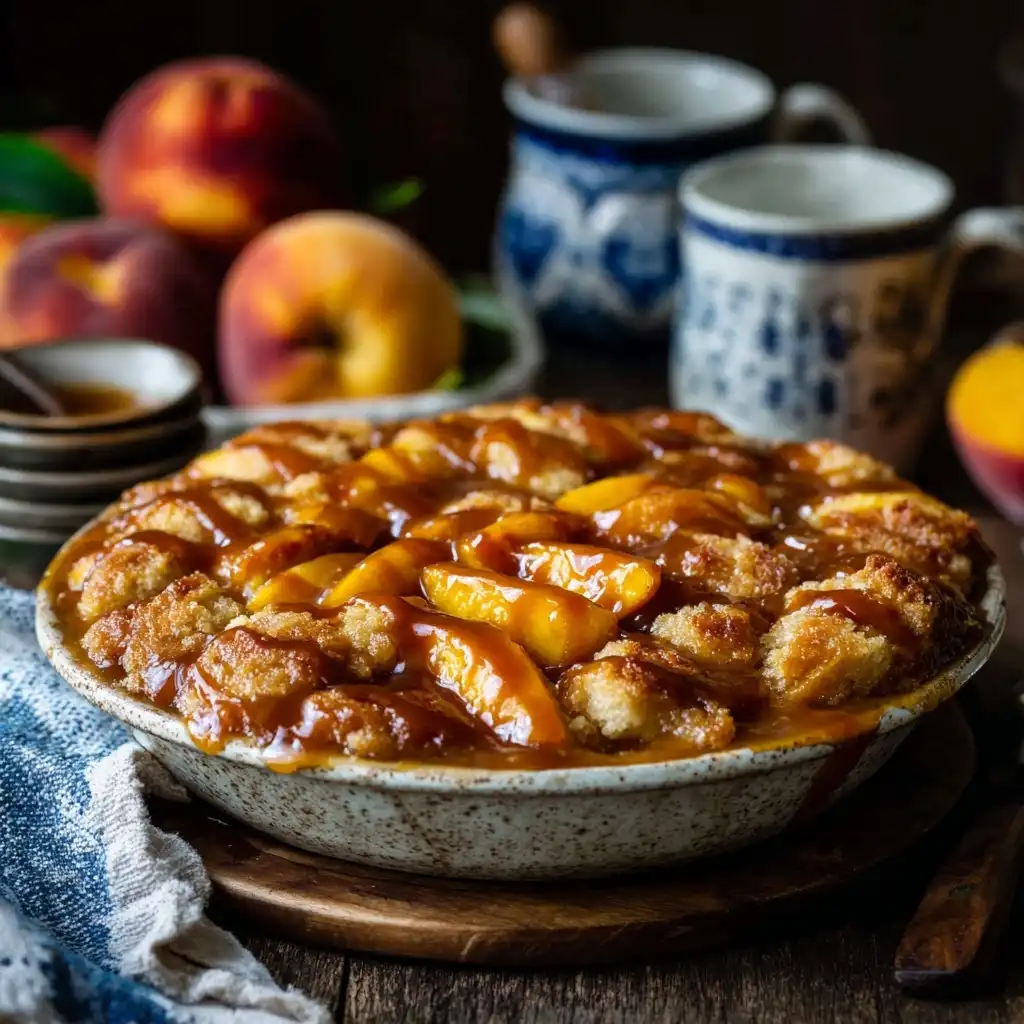
Caramel Peach Cobbler is a soul-warming, deeply nostalgic American dessert that marries the luscious sweetness of ripe summer peaches with the rich, buttery depth of slow-simmered caramel. More than just a simple fruit dessert, it’s a celebration of seasonal abundance, rustic elegance, and old-fashioned comfort—served warm from the oven, crowned with a golden-brown, biscuit-like topping, and often drizzled with extra caramel sauce or a scoop of melting vanilla ice cream. Whether enjoyed at a family Sunday dinner, a church potluck, or a quiet evening on the porch, this cobbler evokes memories of orchards in full bloom, canning jars lined up on pantry shelves, and the unmistakable aroma of brown sugar and cinnamon swirling through the kitchen air. Its versatility—equally stunning with fresh, frozen, or even high-quality canned peaches—makes it a year-round favorite, while its forgiving nature invites bakers of all skill levels to make it their own.
The History
The origins of peach cobbler stretch back to the early colonial era in America, where resourceful settlers adapted English fruit-based “pies” using available tools and ingredients. Without pie tins or rolling pins—and often lacking refined flour or butter—colonists turned to “cobbled” toppings: dropped batter, biscuit dough, or even crumbly pastry pressed over stewed fruit, giving rise to the term “cobbler.” Peaches, native to China but naturalized across the southeastern U.S. by the 16th century, thrived in Georgia, South Carolina, and Tennessee, earning the moniker “The Peach State” for Georgia and cementing the fruit’s place in Southern culinary identity. Caramel, meanwhile, has roots in medieval Arab confectionery (qurut), later refined in 17th-century Europe with the controlled heating of sugar. In America, caramel evolved alongside dairy farming—especially after the advent of condensed milk in the 1850s—and became widely accessible by the late 19th century. The fusion of caramel and peach cobbler likely emerged in the mid-20th century, as home economists and regional cookbook authors began experimenting with richer, more decadent variations. Iconic publications like *The Junior League of Birmingham’s The Big Book of Southern Cooking* (1974) and *Better Homes and Gardens New Cook Book* (1950s editions) featured early iterations, often calling for “brown sugar–butter syrup” beneath the fruit—a direct precursor to today’s intentional caramel layer. Over time, the addition of real caramel sauce—either homemade or artisanal—elevated the dessert from humble homestyle to gourmet comfort food, now celebrated in farm-to-table restaurants, food blogs, and viral TikTok baking trends alike.
Ingredients Breakdown
Every exceptional Caramel Peach Cobbler begins with intentionality—not just in measurement, but in understanding how each component contributes to texture, moisture balance, flavor layering, and structural integrity:
- Fresh Peaches (6–7 medium, ~2½ lbs): Choose freestone varieties like Elberta, O’Henry, or Red Haven for easy pitting and superior juiciness. Ripe but firm peaches hold their shape during baking; overly soft fruit turns mushy. Blanching (30-second dip in boiling water + ice bath) loosens skins effortlessly—peel if desired, though leaving skins adds fiber, color, and subtle tannic complexity.
- Granulated Sugar & Brown Sugar (Light or Dark): Granulated sugar ensures clarity and controlled sweetness in the caramel base and fruit syrup, while brown sugar (especially dark) contributes molasses notes, moisture retention, and deep caramelization potential. Its acidity also helps tenderize fruit fibers.
- Unsalted Butter (1 cup / 2 sticks): Used in three critical stages: (1) in the caramel base for richness and emulsification, (2) cut into the biscuit topping for flakiness and tenderness, and (3) optionally brushed on top pre-bake for shine and browning. Unsalted allows precise sodium control—especially important when pairing with salted caramel variations.
- Heavy Cream (½ cup): Added to hot caramel to create a glossy, pourable sauce that permeates the fruit without thinning excessively. Its fat content stabilizes the caramel, prevents crystallization, and adds luxurious mouthfeel. Substitutes like half-and-half or whole milk result in thinner, less stable sauce; coconut cream works well for dairy-free versions.
- All-Purpose Flour (2¼ cups total): Divided between the fruit thickener (2 tbsp) and biscuit topping (2 cups). Provides structure without toughness—cake flour yields too-soft topping; bread flour adds unwanted chew. For gluten-free adaptation, use a 1:1 GF blend containing xanthan gum.
- Baking Powder & Baking Soda: Baking powder (2 tsp) provides primary lift; baking soda (¼ tsp) reacts with acidic components (brown sugar molasses, cream, lemon juice) for extra rise and golden browning via Maillard reaction.
- Sea Salt (¾ tsp, plus flaky finishing salt): Enhances all other flavors, balances sweetness, and strengthens gluten in the biscuit dough. Kosher or fine sea salt ensures even distribution; coarse flaky salt added post-bake delivers textural contrast and bright salinity.
- Half-and-Half or Whole Milk (¾ cup): Adds moisture and tenderness to the biscuit batter. Buttermilk may be substituted for tang and extra tenderness—but reduce lemon juice elsewhere if used.
- Lemon Juice (1 tbsp): Brightens the peach flavor, prevents browning, and activates baking soda. Freshly squeezed is essential—bottled juice lacks volatile citrus oils and contains preservatives that dull flavor.
- Vanilla Extract (2 tsp pure): Deepens caramel’s complexity and rounds out fruit acidity. Mexican or Tahitian vanilla offers floral nuance; avoid imitation extract, which tastes artificial and medicinal when baked.
- Optional Flavor Enhancers: A pinch of ground ginger or cardamom (⅛ tsp) complements peach’s floral notes; bourbon (1 tbsp) intensifies caramel’s oakiness; almond extract (¼ tsp) adds subtle marzipan depth.
Step-by-Step Recipe
- Prep the Peaches: Bring a large pot of water to boil. Score an “X” on the bottom of each peach. Blanch for 30–45 seconds, then transfer immediately to an ice bath. Slip off skins, halve, pit, and slice into ½-inch wedges (~8 cups). Toss gently with lemon juice to prevent oxidation.
- Make the Caramel Base: In a heavy-bottomed 10-inch oven-safe skillet (cast iron preferred) or 9×13-inch baking dish, melt 6 tbsp butter over medium heat. Whisk in ¾ cup granulated sugar and ½ cup packed brown sugar until dissolved (~2 minutes). Continue cooking, whisking constantly, until mixture turns deep amber (350°F on candy thermometer, ~5–7 minutes). Caution: Do not walk away—caramel burns rapidly. Remove from heat; carefully whisk in ½ cup heavy cream (mixture will bubble vigorously). Stir in 1 tsp vanilla and ¼ tsp salt. Let cool 5 minutes.
- Layer the Fruit: Gently fold peaches into the warm caramel base. Sprinkle evenly with 2 tbsp all-purpose flour and ¼ tsp salt. Stir just until coated—overmixing bruises fruit. Spread into an even layer. Set aside while preparing topping.
- Prepare the Biscuit Topping: In a large bowl, whisk together 2 cups flour, ¼ cup granulated sugar, 2 tsp baking powder, ¼ tsp baking soda, and ½ tsp salt. Cut in 6 tbsp cold, cubed unsalted butter using a pastry cutter or two forks until mixture resembles coarse crumbs with pea-sized butter bits. In a separate bowl, whisk ¾ cup half-and-half (or milk), 1 tsp vanilla, and 1 tbsp lemon juice. Pour wet into dry; stir with a fork just until *shaggy* dough forms—do not overmix (lumps are ideal). Batter should be thick, slightly sticky, and hold together when pinched.
- Assemble & Bake: Drop biscuit dough by heaping tablespoonfuls evenly over peach-caramel layer—do not spread or flatten. It will expand and knit together. Optional: Brush tops lightly with milk or cream and sprinkle with turbinado sugar for crunch. Bake in a preheated 375°F (190°C) oven for 40–48 minutes, rotating halfway, until topping is deep golden brown, edges are bubbling vigorously, and a skewer inserted into center topping comes out clean (no wet batter).
- Cool & Serve: Rest for *at least 25 minutes* before serving—this allows caramel to thicken, fruit juices to settle, and topping to firm up. Serving too soon results in soupy cobbler and collapsed biscuits. Serve warm, ideally with vanilla ice cream, whipped cream, or a drizzle of extra salted caramel sauce.
Tips
- Peach Ripeness Matters: Underripe peaches lack sweetness and require excessive sugar; overripe ones disintegrate. Press gently near the stem—if it yields slightly with fragrant aroma, it’s perfect.
- Caramel Temperature Precision: Use a digital candy thermometer. Below 320°F = pale, mild caramel; 340–350°F = balanced nutty-sweet; above 360°F = bitter, acrid notes. If caramel seizes, gently reheat with 1 tsp hot cream and whisk until smooth.
- Butter Must Be Cold for Topping: Warm butter melts prematurely, creating greasy, dense biscuits instead of light, layered ones. Freeze cubed butter for 10 minutes before cutting in.
- No Overmixing: Gluten develops with agitation. Stir topping batter *just* until no dry flour remains—even if lumpy or shaggy, it will bake beautifully.
- Oven Rack Position: Place rack in the *lower third* of oven to ensure bottom caramel bubbles properly and topping browns evenly without scorching.
- Cast Iron Advantage: Retains and radiates heat evenly, yielding crispier caramel edges and more consistent baking. Preheat skillet slightly before adding caramel for optimal control.
- Resting Is Non-Negotiable: That 25-minute rest transforms texture. If impatient, wait minimum 15 minutes—but full rest yields restaurant-quality cohesion.
- Storage Wisdom: Cool completely before covering. Refrigerate up to 5 days. Reheat individual servings in toaster oven or skillet (350°F, 12–15 min) to revive crispness—microwaving makes topping gummy.
- Freezing Success: Freeze unbaked cobbler (assembled, covered tightly) up to 3 months. Thaw overnight in fridge, then bake 10–15 minutes longer. Baked cobbler freezes well for 2 months—thaw and reheat covered with foil.
Variations and Customizations
This recipe serves as a canvas for creativity—whether adapting to dietary needs, seasonal shifts, or global flavor inspirations:
- Gluten-Free Cobbler: Substitute 2 cups 1:1 gluten-free flour blend (with xanthan gum) for topping and thickener. Add ½ tsp xanthan gum if blend doesn’t include it. Use GF-certified oats in streusel variation.
- Vegan Version: Replace butter with vegan butter (Miyoko’s or Earth Balance); use full-fat coconut milk instead of heavy cream and half-and-half; swap brown sugar for coconut sugar (ensure it’s vegan); top with flax “buttermilk” (1 tbsp ground flax + ¾ cup almond milk, rested 5 min).
- Streusel-Topped Variation: Skip biscuit dough. Mix 1 cup flour, ½ cup brown sugar, ½ tsp cinnamon, ¼ tsp salt, and 6 tbsp cold butter until crumbly. Add ½ cup chopped pecans or walnuts. Sprinkle thickly over fruit before baking.
- Spiced Chai Peach: Infuse caramel with 1 tsp loose-leaf chai tea (steep in cream 10 min, strain); add ¼ tsp cardamom + ⅛ tsp black pepper to topping flour.
- Bourbon-Caramel Swirl: After pouring caramel base, drizzle 2 tbsp good bourbon over peaches. Fold gently. Add 1 tsp bourbon to biscuit batter.
- White Chocolate–Peach: Fold ½ cup finely chopped white chocolate into peach layer before baking. Its sweetness pairs luxuriously with tart peaches.
- Nectarine or Apricot Swap: Substitute 1:1 for peaches—nectarines offer firmer texture; apricots add tart brightness (reduce sugar by 2 tbsp).
- Savory-Sweet Herb Twist: Stir 1 tbsp finely chopped fresh rosemary or thyme into caramel base. Pairs exquisitely with grilled peach variations.
- Mini Individual Cobblers: Divide among six 6-oz ramekins. Reduce baking time to 28–32 minutes. Perfect for portion control or elegant entertaining.
- Breakfast Cobbler: Reduce sugar by ¼ cup; add ½ cup rolled oats and 1 tsp ground cinnamon to topping. Serve with Greek yogurt instead of ice cream.
Health Considerations and Nutritional Value
While Caramel Peach Cobbler is inherently a treat—not a health food—it can be thoughtfully composed to maximize nutritional benefits and minimize common pitfalls. A standard serving (1/8 of 9×13 recipe, ~1 cup) contains approximately 380–420 calories, 55–60g carbohydrates (including 32–36g sugars), 16–18g fat (10–12g saturated), and 4–5g protein. Key considerations include:
- Peach Nutrition Highlights: Rich in vitamin C (15% DV per cup), potassium (10% DV), and dietary fiber (2g per cup, mostly soluble—supports gut health and satiety). Contains bioactive compounds like chlorogenic acid (antioxidant) and cryptoxanthin (pro-vitamin A).
- Sugar Awareness: Total sugar includes natural fruit fructose + added sugars. To reduce added sugar by 30%, decrease granulated sugar to ½ cup and brown sugar to ⅓ cup—ripeness and caramel depth compensate. Avoid “low-sugar” caramel substitutes with maltitol, which cause digestive upset.
- Butter vs. Oil: Butter provides fat-soluble vitamins (A, D, E, K2) and butyrate (anti-inflammatory short-chain fatty acid). However, swapping ¼ cup butter for avocado oil in topping reduces saturated fat by ~3g/serving without sacrificing tenderness.
- Flour Options: Whole wheat pastry flour (replace ½ cup AP flour) adds 1g fiber/serving and B vitamins. Oat flour (¼ cup) boosts beta-glucan for cholesterol management—but requires extra liquid (add 1 tbsp milk).
- Sodium Note: With 250–300mg sodium per serving (mostly from butter and salt), it fits comfortably within daily limits (<2,300mg). Those on low-sodium diets can omit added salt and rely on natural mineral content.
- Dairy Alternatives: Coconut milk adds lauric acid (immune-supportive); almond milk reduces calories but sacrifices creaminess. Always choose unsweetened, fortified versions.
- Glycemic Impact: Peaches have low glycemic index (~30), but caramel and refined flour raise overall load. Pairing with protein (ice cream, Greek yogurt) or healthy fats (pecans, almond butter drizzle) slows glucose absorption significantly.
- Mindful Enjoyment: Savor slowly—research shows eating dessert *with* a meal (not after) improves satisfaction and reduces cravings. One generous serving with mindful attention satisfies more than two rushed portions.
Ingredients
- 6–7 medium ripe freestone peaches (about 2½ lbs), peeled, pitted, and sliced ½-inch thick (~8 cups)
- 1 tbsp freshly squeezed lemon juice
- ¾ cup granulated sugar, divided
- ½ cup packed light or dark brown sugar
- 1 cup (2 sticks) unsalted butter, divided
- ½ cup heavy cream
- 2¼ cups all-purpose flour, divided
- 2 tsp baking powder
- ¼ tsp baking soda
- ¾ tsp fine sea salt, divided
- ¾ cup half-and-half or whole milk
- 2 tsp pure vanilla extract, divided
- Optional: flaky sea salt for finishing, turbinado sugar for topping, vanilla ice cream or whipped cream
Directions
- Preheat oven to 375°F (190°C). Position rack in lower third.
- Blanch, peel, pit, and slice peaches. Toss with lemon juice in a large bowl.
- In a 10-inch oven-safe cast iron skillet or 9×13-inch baking dish, melt 6 tbsp butter over medium heat. Whisk in ¾ cup granulated sugar and ½ cup brown sugar until dissolved (~2 min). Cook, stirring constantly, until deep amber (345–350°F), ~5–7 min. Remove from heat; carefully whisk in ½ cup heavy cream (vigorous bubbling expected), 1 tsp vanilla, and ¼ tsp salt. Cool 5 min.
- Add peaches to caramel; gently fold. Sprinkle with 2 tbsp flour and remaining ¼ tsp salt; toss just until coated. Spread evenly.
- In a large bowl, whisk 2 cups flour, remaining ¼ cup granulated sugar, baking powder, baking soda, and ½ tsp salt. Cut in remaining 6 tbsp cold butter until crumbly. In another bowl, whisk ¾ cup half-and-half, remaining 1 tsp vanilla, and 1 tbsp lemon juice. Pour into dry; stir with fork until shaggy dough forms (do not overmix).
- Drop dough by heaping tablespoons over fruit. Optional: brush with milk, sprinkle with turbinado sugar.
- Bake 40–48 min, until topping is deep golden and center bubbles vigorously. Rotate pan halfway.
- Cool on wire rack for at least 25 minutes. Serve warm, topped with ice cream or whipped cream and a pinch of flaky salt.
FAQ
- Can I use frozen peaches?
- Absolutely—and they’re excellent year-round! Thaw completely in a colander, then press gently to remove excess liquid (discard juice to prevent sogginess). Increase thickener to 3 tbsp flour to compensate for extra moisture.
- Why did my caramel seize or crystallize?
- Crystallization occurs when sugar grains reform—often due to stirring too early, introducing impurities (like undissolved sugar on spoon), or sudden temperature change. Next time: dissolve sugar fully before boiling, avoid stirring once boiling begins, and use a wet pastry brush to wash down crystals on pot sides.
- My topping sank into the fruit—what went wrong?
- Most commonly caused by underbaking (topping didn’t set) or adding batter to *hot* fruit layer (melting butter prematurely). Ensure fruit-caramel mixture cools 5 minutes before topping, and bake until a skewer inserted in topping center comes out clean—not just bubbly at edges.
- Can I make this ahead of time?
- Yes! Assemble up to 1 day ahead (unbaked), cover tightly, and refrigerate. Add 5–8 minutes to bake time. Or bake fully, cool, refrigerate, then reheat covered with foil at 350°F for 20–25 minutes.
- Is there a way to make it less sweet?
- Reduce granulated sugar to ½ cup and brown sugar to ⅓ cup. Boost flavor with ½ tsp cinnamon, 1 tbsp bourbon, or a pinch of nutmeg. Using very ripe peaches also minimizes perceived need for sugar.
- What’s the best way to reheat leftovers?
- Individual portions: Toast oven or skillet at 350°F for 12–15 minutes uncovered. Full pan: Cover with foil, bake 25–30 min. Avoid microwave unless reheating single small servings—topping becomes rubbery.
- Can I use canned peaches?
- Yes—but choose “in juice” or “light syrup,” not heavy syrup. Drain thoroughly and reduce added sugar by ¼ cup. Simmer drained peaches with caramel base 3 minutes to evaporate excess liquid before assembling.
- Why does my cobbler taste bland?
- Likely under-seasoned. Peaches need salt to sing—don’t skip the ¾ tsp total. Also ensure vanilla is pure (not imitation), and consider adding ¼ tsp almond extract or a pinch of ginger for aromatic depth.
- How do I know when it’s done?
- Three signs: (1) Topping is uniformly deep golden brown, not pale or spotty; (2) Thick, jammy bubbles erupt steadily around edges (not just steam); (3) Skewer inserted into center of topping (not fruit) comes out clean—no wet batter clinging.
- Can I double the recipe?
- Yes—use two 9×13 pans or one 12×17-inch jelly roll pan. Bake time increases only slightly (45–52 min) due to wider surface area. Rotate pans halfway for even browning.
Summary
Caramel Peach Cobbler is a masterclass in harmonizing seasonal fruit, artisanal caramel, and tender biscuit craftsmanship—transforming simple pantry staples into a dessert that feels both profoundly comforting and elegantly sophisticated. With careful attention to ripeness, caramel precision, and restrained mixing, it delivers golden layers of buttery crunch, lush peach compote, and deep, resonant sweetness that lingers long after the last bite.
Beyond its irresistible flavor, this cobbler embodies adaptability: gluten-free, vegan, spiced, or miniaturized—with nutritional awareness and mindful enjoyment built into every thoughtful step—making it not just a recipe, but a cherished ritual for generations to gather, celebrate, and savor life’s sweetest moments.