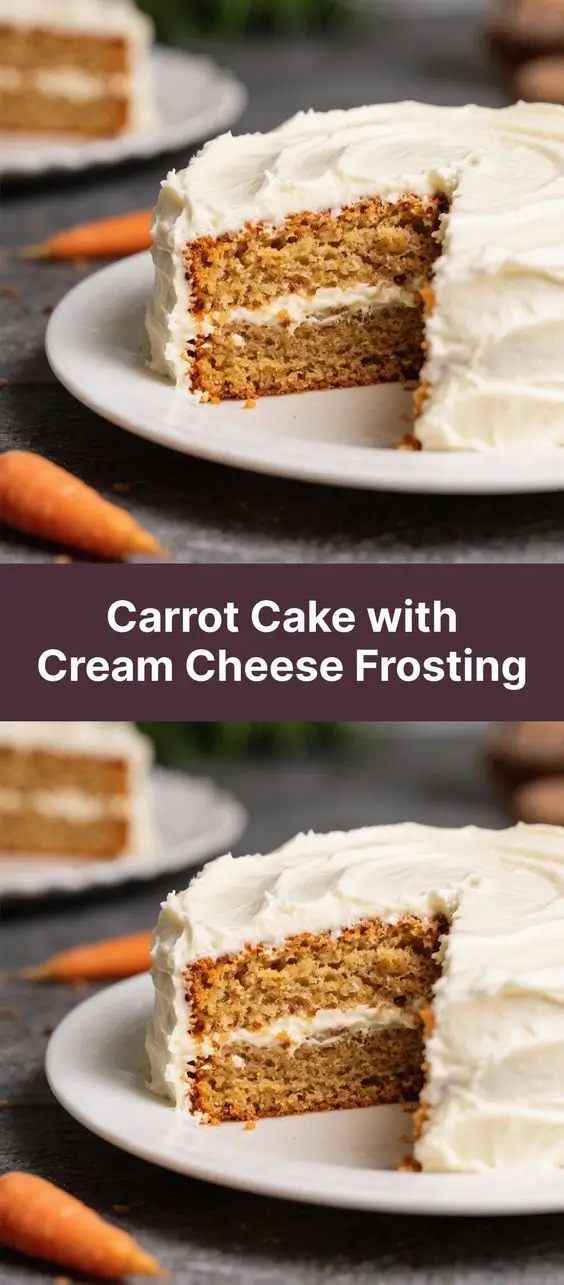
Carrot Cake with Cream Cheese Frosting: The Ultimate Guide
The History of Carrot Cake with Cream Cheese Frosting
Carrot cake, though it may seem like a modern dessert invention, actually has roots that stretch back centuries. The use of carrots in sweet baked goods dates as far back as the Middle Ages, when sugar was scarce and expensive. In those times, carrots were used as a natural sweetener in cakes and puddings, providing both moisture and subtle sweetness. Carrot-based desserts became especially popular during periods of rationing, such as World War I and II, when butter, sugar, and eggs were limited. Carrots offered a way to maintain moistness and flavor without relying heavily on these restricted ingredients.
The modern version of carrot cake—rich, spiced, and layered with cream cheese frosting—emerged primarily in the 20th century, particularly in the United States. It gained widespread popularity in the 1960s and 70s during a resurgence of interest in home baking and comfort foods. One pivotal moment in its rise to fame occurred when it was featured at New York’s elegant restaurant, The Regency, in the 1960s. This elevated its status from a humble wartime recipe to a sophisticated dessert served in fine dining establishments.
Cream cheese frosting, a now-iconic component of the dessert, complements the earthy sweetness of the carrots and warm spices. Its tanginess cuts through the richness of the cake, creating a balanced flavor profile that has become beloved worldwide. Today, carrot cake with cream cheese frosting is a staple at bakeries, family gatherings, Easter celebrations, and even weddings. Its enduring appeal lies in its moist texture, complex flavors, and nostalgic charm.
Ingredients Breakdown: What Makes This Cake Irresistible
The magic of a perfect carrot cake with cream cheese frosting lies not just in the individual ingredients but in how they work together to create a harmonious blend of textures and tastes. Let’s take a detailed look at each key component:
For the Carrot Cake:
- All-Purpose Flour: Provides structure to the cake. Sifting ensures a light, airy crumb.
- Baking Soda & Baking Powder: These leavening agents help the cake rise and give it a soft, fluffy texture. Baking soda reacts with acidic ingredients (like brown sugar and buttermilk), while baking powder adds extra lift.
- Salt: Enhances all the other flavors and balances sweetness.
- Ground Cinnamon: Adds warmth and depth, pairing beautifully with the carrots.
- Nutmeg and Allspice (optional): Complement cinnamon for a more complex spice profile.
- Granulated Sugar and Brown Sugar: Granulated sugar provides sweetness, while brown sugar adds moisture and a hint of molasses flavor.
- Large Eggs: Bind the ingredients and contribute to the cake’s structure and richness.
- Vegetable Oil or Canola Oil: Keeps the cake moist—oil doesn’t solidify like butter, so it maintains tenderness even after cooling.
- Vanilla Extract: Enhances overall flavor and adds a floral note.
- Pineapple (crushed, optional): A surprising but traditional addition that boosts moisture and adds subtle tang and sweetness.
- Shredded Carrots: The star ingredient! Freshly grated carrots provide natural sweetness, color, and moisture. They also contain cellulose fibers that trap water, keeping the cake tender.
- Chopped Walnuts or Pecans (optional): Add crunch and nutty flavor. Toasting them first enhances their aroma.
- Shredded Coconut (optional): Adds tropical flair and texture.
- Crystallized Ginger (optional): For a spicy kick and gourmet touch.
For the Cream Cheese Frosting:
- Cream Cheese (full-fat, block-style): Must be at room temperature for smooth blending. Low-fat versions can make the frosting runny.
- Unsalted Butter (room temperature): Adds richness and helps stabilize the frosting.
- Powdered Sugar (confectioners’ sugar): Sweetens and thickens the frosting. Sifted to avoid lumps.
- Vanilla Extract: Deepens flavor and rounds out the tanginess of the cream cheese.
- Salt (pinch): Balances the sweetness and enhances taste.
Step-by-Step Recipe: How to Make the Perfect Carrot Cake with Cream Cheese Frosting
Ingredients:
For the Cake:
- 2 cups (250g) all-purpose flour
- 2 teaspoons baking soda
- 1 teaspoon baking powder
- 1/2 teaspoon salt
- 2 teaspoons ground cinnamon
- 1/2 teaspoon ground nutmeg (optional)
- 1/4 teaspoon ground allspice (optional)
- 1 cup (200g) granulated sugar
- 1 cup (220g) packed light brown sugar
- 1 cup (240ml) vegetable oil (or melted coconut oil)
- 4 large eggs, room temperature
- 2 teaspoons pure vanilla extract
- 1 cup (225g) crushed pineapple, drained well (optional)
- 3 cups (about 300g) finely shredded carrots (from about 3–4 medium carrots)
- 1 cup (100g) chopped walnuts or pecans, toasted (optional)
- 1/2 cup (40g) shredded coconut (optional)
- 1/4 cup (35g) crystallized ginger, finely chopped (optional)
For the Cream Cheese Frosting:
- 16 oz (450g) full-fat cream cheese, softened
- 1/2 cup (115g) unsalted butter, softened
- 4–5 cups (480–600g) powdered sugar, sifted
- 2 teaspoons pure vanilla extract
- Pinch of salt
Directions:
- Preheat Oven and Prepare Pans: Preheat your oven to 350°F (175°C). Generously grease two 9-inch round cake pans or line them with parchment paper for easy release. You can also use a 9×13-inch baking pan for a sheet cake.
- Mix Dry Ingredients: In a large bowl, whisk together the flour, baking soda, baking powder, salt, cinnamon, nutmeg, and allspice (if using). Set aside.
- Cream Sugars and Oil: In a separate large mixing bowl, combine the granulated sugar, brown sugar, and oil. Whisk until well blended and slightly thickened.
- Add Eggs and Vanilla: Add the eggs one at a time, whisking well after each addition. Stir in the vanilla extract until fully incorporated.
- Incorporate Wet Ingredients: If using crushed pineapple, squeeze out excess liquid using a paper towel or cheesecloth. Fold it into the batter.
- Combine Wet and Dry Mixtures: Gradually add the dry ingredients to the wet mixture, stirring gently with a spatula or wooden spoon until just combined. Do not overmix—it will result in a dense cake.
- Fold in Carrots and Add-ins: Gently fold in the shredded carrots, nuts, coconut, and crystallized ginger (if using). The batter will be thick and moist.
- Pour into Pans: Divide the batter evenly between the prepared pans. Smooth the tops with a spatula for even baking.
- Bake: Bake for 30–35 minutes, or until a toothpick inserted into the center comes out clean or with a few moist crumbs. Avoid overbaking.
- Cool: Allow the cakes to cool in the pans for 10 minutes. Then, carefully invert them onto a wire rack, remove the pans, and let them cool completely before frosting (at least 1–2 hours).
- Make the Frosting: In a large bowl using a hand mixer or stand mixer, beat the softened cream cheese and butter on medium speed until smooth and creamy (about 2 minutes).
- Add Sugar and Flavor: Gradually add the sifted powdered sugar, 1 cup at a time, beating on low speed to avoid clouds of sugar. Once incorporated, increase speed and beat until smooth. Add vanilla and salt, then beat for another 2–3 minutes until light and fluffy.
- Frost the Cake: Once the cakes are completely cool, place one layer on a serving plate. Spread a generous amount of frosting on top. Carefully place the second layer on top and frost the top and sides evenly. For a decorative finish, use a piping bag to add swirls or rosettes.
- Garnish (Optional): Top with additional chopped nuts, carrot curls, or edible flowers for presentation.
- Chill Before Serving: Refrigerate the cake for at least 30 minutes to set the frosting. This also enhances flavor and makes slicing cleaner.
Tips for Success
- Grate Carrots Finely: Use the small holes on a box grater or a food processor for optimal moisture distribution.
- Room Temperature Ingredients: Especially crucial for cream cheese and butter in the frosting—this prevents lumps and ensures smoothness.
- Don’t Overmix the Batter: Once flour is added, stir only until combined. Overmixing develops gluten, leading to a tough cake.
- Drain Pineapple Thoroughly: Excess moisture can cause the cake to sink or become gummy.
- Toast Nuts First: Lightly toast walnuts or pecans in a dry skillet over medium heat for 3–5 minutes until fragrant. This deepens their flavor.
- Use Full-Fat Cream Cheese: Reduced-fat versions contain more water and can make the frosting too soft.
- Chill the Cake Before Slicing: For neat, clean slices, refrigerate the frosted cake for 30–60 minutes before cutting.
- Store Properly: Keep the cake covered in the refrigerator for up to 5 days. Bring to room temperature before serving for best texture.
Variations and Customizations
One of the joys of carrot cake is its versatility. Here are some delicious ways to customize it:
- Gluten-Free Carrot Cake: Substitute all-purpose flour with a 1:1 gluten-free baking blend. Ensure it contains xanthan gum for structure.
- Dairy-Free Version: Use dairy-free cream cheese and butter substitutes (like those made from almond or coconut oil) for the frosting. Replace buttermilk with plant-based milk + lemon juice.
- Vegan Carrot Cake: Use flax eggs (1 tbsp ground flaxseed + 3 tbsp water per egg), plant-based oil, and vegan cream cheese frosting. Sweeten with maple syrup if desired.
- Spice Variations: Add cardamom, cloves, or pumpkin pie spice for a unique twist.
- Fruit Additions: Try adding diced apples, raisins, or dried cranberries for extra texture and flavor.
- Layered or Sheet Cake: Bake as a three-layer cake for special occasions or as a 9×13 sheet cake for easy serving at parties.
- Cupcakes: Fill lined muffin tins 2/3 full and bake for 18–22 minutes. Top with swirls of cream cheese frosting.
- Mini Loaves: Great for gifts—divide batter into greased mini loaf pans and bake for 25–30 minutes.
- Alcohol-Infused: Soak raisins in rum or brandy before folding into the batter for an adult version.
- Nut-Free: Omit nuts entirely or replace with sunflower seeds or pumpkin seeds.
- Low-Sugar Option: Reduce sugar by 25% and use monk fruit or erythritol-based powdered sugar in the frosting.
Health Considerations and Nutritional Value
While carrot cake is undeniably indulgent, it does offer some nutritional benefits thanks to its namesake ingredient:
- Carrots: Rich in beta-carotene (converted to vitamin A), which supports eye health, immune function, and skin integrity. Also a good source of fiber, vitamin K1, potassium, and antioxidants.
- Nuts: Provide healthy monounsaturated fats, protein, fiber, and essential minerals like magnesium and selenium.
- Coconut: Contains medium-chain triglycerides (MCTs), which may support metabolism.
However, traditional carrot cake is high in sugar and fat. A typical slice (1/12 of a two-layer cake with frosting) can range from 350 to 500 calories, with significant amounts of saturated fat and added sugars. To make it healthier:
- Reduce sugar in the cake by 1/4 cup and in the frosting by using less powdered sugar or natural alternatives.
- Use applesauce or mashed banana to replace up to half the oil.
- Boost fiber by adding whole wheat flour or oat flour (replace up to 50% of white flour).
- Limit portion size—a thin slice goes a long way.
- Enjoy occasionally as part of a balanced diet.
Frequently Asked Questions (FAQ)
Can I make carrot cake ahead of time?
Yes! Bake the cake layers up to 2 days in advance, wrap them tightly in plastic wrap, and store at room temperature. Frost the day of serving. Alternatively, freeze unfrosted layers for up to 3 months.
Can I freeze carrot cake with cream cheese frosting?
Yes, but it’s best to freeze unfrosted cake layers. Wrap them well and thaw in the fridge before frosting. Frosted cake can be frozen, but the frosting may weep upon thawing. For best results, freeze the cake on a tray until firm, then wrap in plastic and foil.
Why did my carrot cake sink in the middle?
Possible reasons: underbaking, too much batter in the pan, opening the oven door too early, or expired leavening agents. Always check baking powder/soda freshness.
Can I use pre-shredded carrots from the store?
You can, but they are often drier and thicker than freshly grated. For best texture, grate your own.
How long does carrot cake last in the fridge?
Up to 5 days when stored in an airtight container. The flavor often improves after a day as spices meld.
Can I make this cake without nuts?
Absolutely. The cake is delicious without nuts. Just omit them or replace with seeds or extra coconut.
Is cream cheese frosting stable at room temperature?
No. Due to the dairy content, it should be refrigerated. Serve at room temperature for best texture, but don’t leave out for more than 2 hours.
Can I use Greek yogurt instead of oil?
You can substitute up to half the oil with plain Greek yogurt for a lighter texture, but oil ensures superior moisture.
Why is my frosting too runny?
Common causes: cream cheese or butter too soft, too much liquid, or insufficient powdered sugar. Chill the frosting for 15–20 minutes and beat again. Add more powdered sugar if needed.
Can I make this into a bundt cake?
Yes! Use a greased and floured bundt pan. Bake for 45–55 minutes. Cool completely before removing from the pan. Dust with powdered sugar or drizzle with glaze instead of thick frosting.
Summary
Carrot cake with cream cheese frosting is a timeless classic that combines moist, spiced cake layers with sweet-tangy frosting and nutrient-rich carrots. Whether enjoyed at brunch, dessert, or as a celebratory centerpiece, it continues to win hearts across generations.
Baked with care and customized to dietary needs, this cake remains a symbol of comfort, creativity, and culinary tradition—one delicious slice at a time.